




![Wanted: Suspect for Assault in the 9th District [VIDEO]](https://thephillypi.com/wp-content/uploads/2026/09/Wanted-Suspect-for-Assault-in-the-9th-District-VIDEO-330x220.jpg)




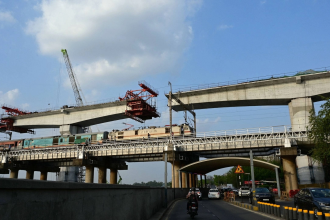
The recent escalation in the conflict has shifted its focus toward critical infrastructure, specifically targeting the transportation arteries connecting major urban centers. In a significant strategic move, two separate air attacks were carried out against the B1 Bridge in the city of Karaj, a massive project designed to link the city directly with the capital, Tehran.
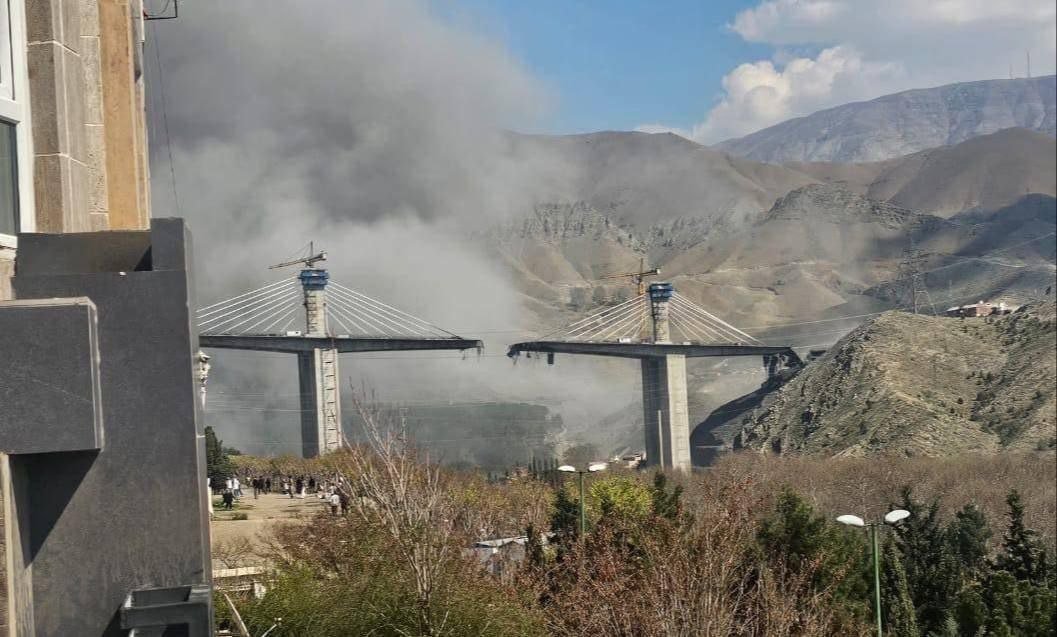
The B1 Bridge is a centerpiece of regional engineering, intended to alleviate massive traffic congestion between the two hubs. However, its strategic value has now made it a primary target.
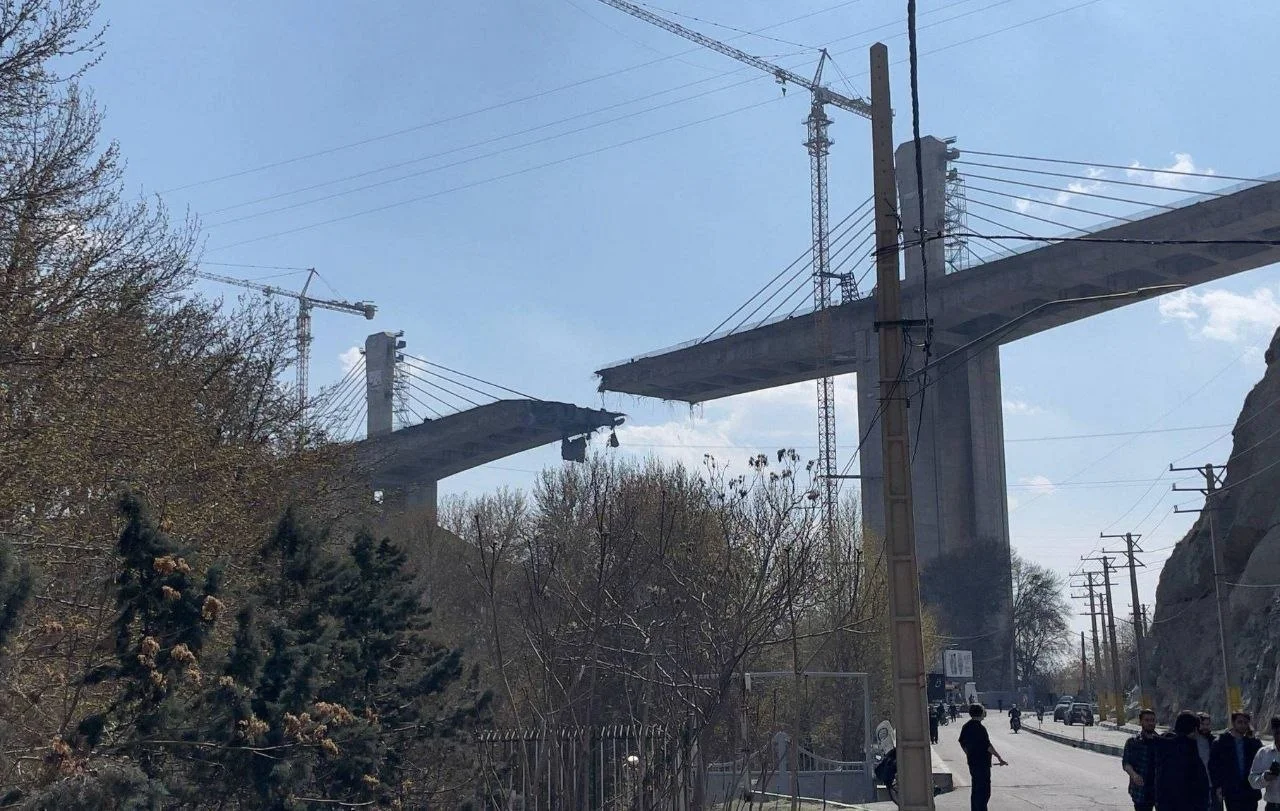
Timeline of the Attacks
The strikes were executed in a devastating “double-tap” sequence, a tactic often used to maximize structural damage and disrupt emergency responses:
- The Initial Strike: The first attack hit the main span of the bridge while it was still under construction. The impact caused significant structural failure, halting all work and drawing local emergency teams to the site to assess the damage and search for any workers caught in the blast.
- The Second Blow: As rescue operations were underway and crowds gathered near the site, a second air attack was carried out. Captured on video, this subsequent strike hit the already weakened structure, sending plumes of debris into the air and further complicating the mission for first responders.

Strategic Impact on Karaj and Tehran
The B1 Bridge was not merely a local road; it was a vital component of the Hemmat Expressway extension. By targeting this specific point, the attackers have effectively:
- Severed Logistics: The bridge was meant to be the primary shortcut for moving goods and personnel between Karaj and Tehran.
- Psychological Warfare: Attacking a landmark project under construction sends a message regarding the vulnerability of the nation’s modernization efforts.
- Resource Strain: The destruction of such a large-scale engineering project requires immense time and capital to repair, diverting resources away from other defensive or civilian needs.
The Human Cost and Infrastructure Damage
Eyewitness accounts from Karaj describe a scene of chaos following the second strike. Local hospitals were reportedly put on high alert as casualties from the rescue teams were brought in.
From an engineering perspective, the bridge—which features high-altitude concrete pillars and complex suspension elements—may now face total condemnation. Rebuilding a structure that has suffered two high-velocity impacts often requires tearing down the remaining pillars to the foundation due to micro-fractures in the concrete.

Meuser Chairs FSC Oversight & Investigations Committee Hearing in Little Rock
As congressional oversight intensifies across the nation, U.S. Representative Dan Meuser (PA-09)…

Turkey Recruits Trump Insiders For New Washington Lobbying Push
Via Middle East Eye The Turkish government hired a lobbying firm with close ties…

THE NEW WAR propaganda MACHINE: How Jon Stewart’s Production Network Built Youtube’s Top Pro-Zelensky Narrative Channel
NEW YORK — Behind the polished graphics and high-production military analysis on…

Ultimate Belorta Pumpkin Witch Build Guide: Best Teams, Skills, and Strategy
Dominate the Battlefield with the Ultimate Goddess of Victory: Nikke Belorta: Pumpkin…

Stacy Garrity Vows to Protect PA Farmland From Invasive Data Center Development
HARRISBURG, Pa. — As Pennsylvania’s 2026 gubernatorial landscape begins to take shape,…
How Mikoyan and Sukhoi Design Bureaus Achieved Variable-Sweep Wings
Continued. Part one: The Origins of the Soviet Tilt-Wing: From the Bell…