











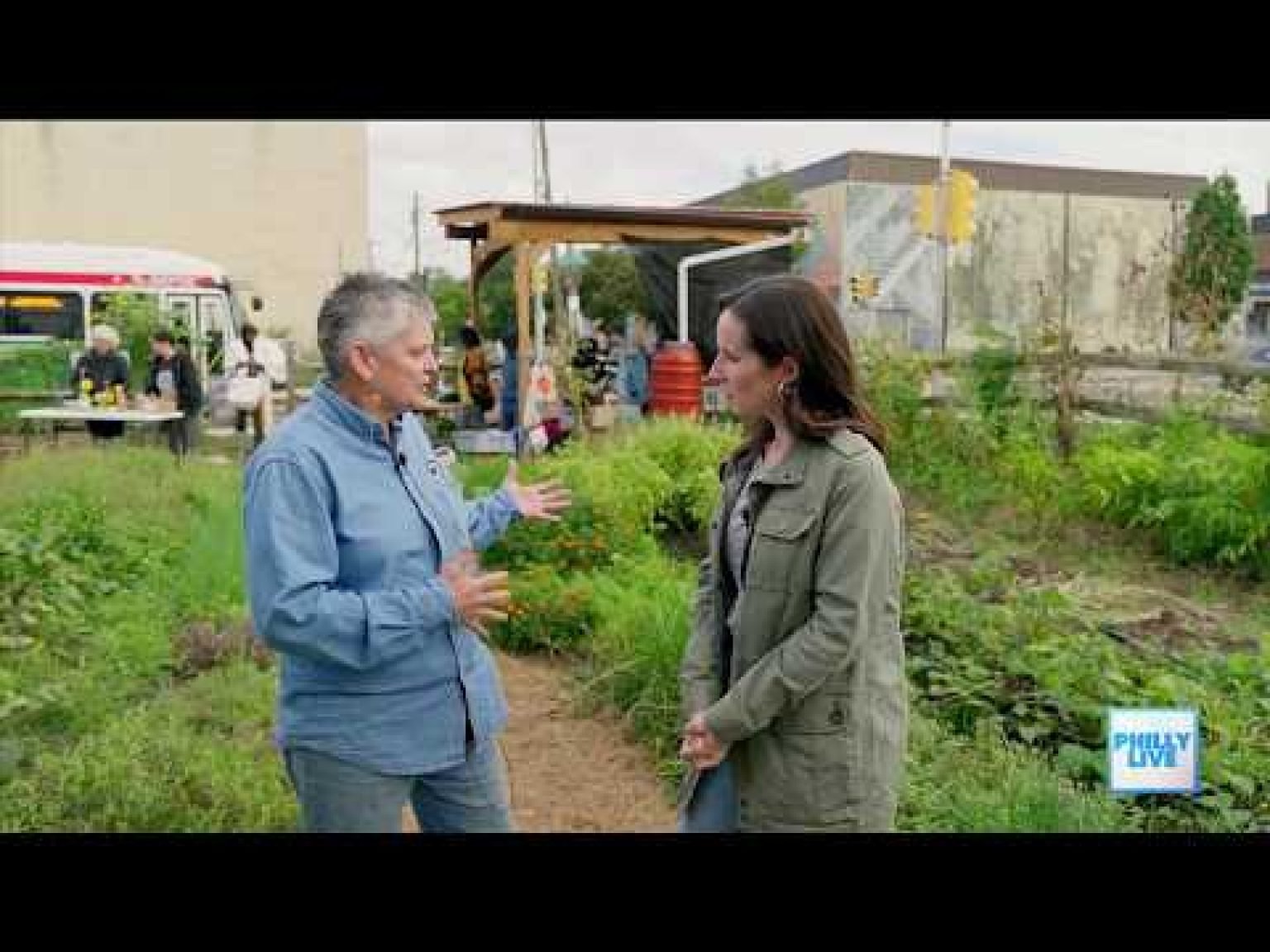
PHILADELPHIA — In neighborhoods across North Philadelphia, access to fresh, nutritious produce has historically presented a significant challenge for residents navigating systemic food deserts. However, urban agriculture initiatives are quietly transforming vacant urban lots into vibrant neighborhood hubs. A shining example of this grassroots transformation is Sanctuary Farm, a dedicated community-driven agricultural project that not only cultivates fresh food but also fosters deep-rooted community resilience in the heart of the city.
Cultivating Health and Hope in North Philadelphia
Urban farming has evolved far beyond a trendy hobby; in major metropolitan areas like Philadelphia, it has become an essential tool for public health, neighborhood stabilization, and environmental justice. Sanctuary Farm stands out as a beacon of hope, utilizing underutilized land to grow organic vegetables, herbs, and fruits for families who might otherwise rely heavily on processed foods from corner bodegas.
According to regional studies and local advocacy groups, portions of North Philadelphia experience disproportionately high rates of diet-related illnesses, including Type 2 diabetes and hypertension. By introducing a consistent supply of chemical-free, locally grown produce directly into the neighborhood, initiatives like Sanctuary Farm help bridge the nutritional gap. Community members do not just receive food handouts; they are invited to participate in the planting, tending, and harvesting processes, creating a profound sense of ownership and shared purpose.
The Power of Community-Led Agriculture
What makes Sanctuary Farm uniquely impactful is its emphasis on community engagement. Beyond tilling the soil and growing crops, the farm serves as an open-air classroom and a safe gathering space for residents of all ages. Children from nearby schools visit to learn about plant biology, ecology, and the journey of food from seed to table, while older residents find solace, social connection, and physical activity in the garden beds.
Municipal urban initiatives across the commonwealth have increasingly recognized the value of green spaces. For more information on how municipal agencies support local land reuse and neighborhood greening projects, you can visit the Official City of Philadelphia Web Portal to explore urban gardening grants and zoning guidelines for vacant land conversion.

Iran Seeking To Increase Range Of Missiles: 'Keep Enemy At Greater Distance'
Just days ago President Trump told a Republican audience at a rally that…

Stacy Garrity Vows Major Economic Shift in High-Stakes Pennsylvania Gubernatorial Bid
HARRISBURG, Pa. — As the political landscape in the Commonwealth heats up…

Lockheed Martin Tests Networked Legion Pods to Sharpen F-16 Passive Targeting in Radar-Denied Airspace
Lockheed Martin Tests Networked Legion Pods to Sharpen F-16 Passive Targeting in…

Massive Darth Vader Episode II Premiere Secrets Finally Revealed After Years of Waiting
The anticipation surrounding independent and fan-made Star Wars projects has always been…

Get an RTX 5060 Gaming PC for Under $850 in This Entry Level ABS Desktop Deal
ABS Cyclone Aqua Gaming PC Gets a Massive $350 Price Cut at…

The Ultimate Tales of Eternia Remastered Tier List and Team Building Guide
When you start or restart *Tales of Eternia Remastered*, choosing the right…
Overcoming Urban Challenges and Expanding Local Impact
Running an agricultural enterprise within a dense urban environment comes with its own unique set of obstacles. Soil contamination, water access logistics, vandalism, and unpredictable mid-Atlantic weather patterns require constant vigilance and resource management from the organizers and volunteers. Despite these hurdles, the dedication of the Sanctuary Farm team has only strengthened over time.
Support from regional volunteers, local businesses, and philanthropic organizations has allowed the project to expand its infrastructure, incorporating advanced composting systems, rainwater collection units, and educational kiosks. These improvements ensure that the farm remains sustainable and productive throughout the changing regional seasons.
Looking Ahead: The Future of Philadelphia’s Food Systems
As discussions surrounding food security and climate resilience continue to dominate local policy meetings, the success of North Philadelphia’s urban farms provides a compelling blueprint for other neighborhoods. Policymakers and community leaders frequently look to grassroots models like Sanctuary Farm to understand how small-scale interventions can yield massive dividends in public health and community cohesion.
For Pennsylvania residents interested in broader agricultural policies, state-level conservation initiatives, and nutritional assistance programs, additional resources are available through the Commonwealth of Pennsylvania Official Website.
Ultimately, Sanctuary Farm proves that healing a community can begin quite literally from the ground up. By turning concrete landscapes into fertile fields, organizers and volunteers are feeding bodies, educating minds, and nurturing a healthier, more connected Philadelphia.
[tags]North Philadelphia, Sanctuary Farm, Urban Agriculture, Community Gardening, Philadelphia News, Food Security, Local Health Initiatives, NBC10 Philadelphia[/tags]