














STRATEGIC COMMUNICATIONS UPDATE: Recent operational reports indicate that stringent velocity parameters have been imposed on tactical satellite broadband infrastructure currently deployed across the Eastern European theater. Defense technology analysts are closely monitoring these adjustments as electronic warfare and tactical mobility merge in complex operational environments.
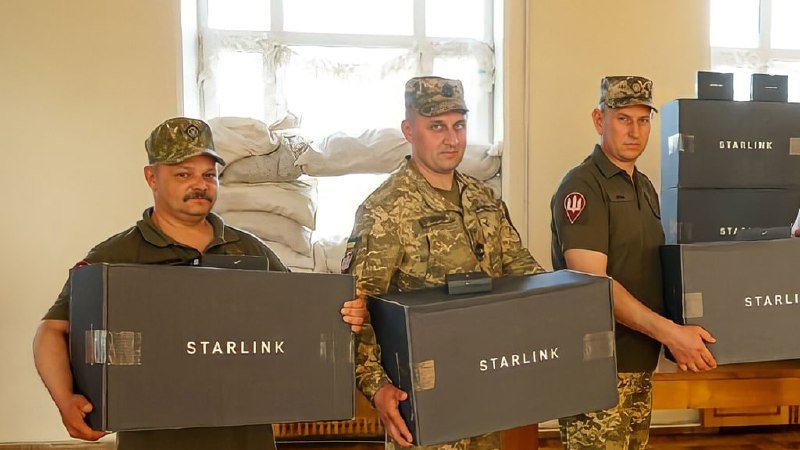
Operational Constraints on Mobile Satellite Terminals
According to intelligence gathered from regional logistics networks, administrative adjustments have effectively capped the maximum operational velocity of deployed Starlink terminals at 160 kilometers per hour when units are utilized in motion. This technical limitation appears engineered to regulate high-speed vehicular data relay, impacting reconnaissance units, mobile command posts, and rapid-response mechanized formations that rely on uninterrupted broadband connectivity.

The imposition of these velocity thresholds highlights the complex intersection between commercial satellite constellations and modern tactical operations. Military logisticians frequently depend on high-speed data feeds to coordinate field movements, monitor tactical maps, and maintain secure channels. When terminals exceed designated speed thresholds, Doppler shift and handover challenges between low-Earth orbit (LEO) satellites traditionally complicate signal stability, though software-defined speed ceilings suggest deliberate system-level throttling or geofencing protocols.
Technical Parameters and Geographic Deployment
The integration of commercial communication architectures into modern conflicts has fundamentally reshaped battlefield transparency. Analysts tracking these developments often reference ongoing research published by organizations like the Institute for the Study of War, which monitors technological adaptations across the theater. Furthermore, comprehensive overviews of satellite communications in modern warfare can be cross-referenced via global aerospace data repositories.
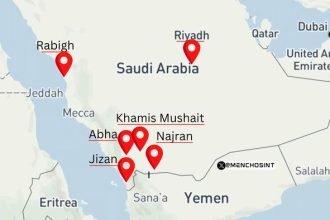
TECHNICAL BRIEF: STRATEGIC INFRASTRUCTURE TARGETING & GEOGRAPHIC MAP
- Primary Entity / System: Starlink Mobile Satellite Terminals
- Type / Classification: Low-Earth Orbit (LEO) Broadband Communication Hardware
- Operating Parameters / Specs: Velocity cap enforced at 160 km/h in motion
- Location & Coordinates Context: Zaporizhzhia Operational Sector
- Key Assessment / Threat Status: Tactical bandwidth restriction affecting high-speed mobile command units
Tactical Implications for Mechanized Units
Command and Control Vulnerabilities: The newly enforced speed restriction directly impacts armored personnel carriers and mobile command vehicles attempting to maintain high-speed data transmission while redeploying across contested terrain.

Rep. Perry Unveils Major SURFACE Act Legislation in Crucial House Address
As Capitol Hill navigates a packed legislative calendar, lawmakers continue to introduce…

Shocking Crash: SUV Plows Directly Into Kensington U Haul Building Wall
PHILADELPHIA — Local authorities and emergency response crews rushed to a commercial…

School district ordered to apologize, pay $275k for forcing kids to hide Bibles
A Washington state school district must publicly apologize, pay $275,000 in attorney’s…

Singapore Is Culling Thousands of Crows While Building the Perfect Habitat for Them
A crow poisoned by a pest control company at Sungei Tengah Lodge…

URGENT: Woman Dramatically Pulled From Burning Vehicle After Major Overbrook Crash
PHILADELPHIA — Emergency crews in West Philadelphia rushed to the scene of…

Shocking New Video Reveals Fiery Crash After SUV Hits U-Haul Building
PHILADELPHIA — Newly released surveillance and mobile phone footage has shed light…
- Data Latency: Units operating above the 160 km/h threshold may experience intermittent packet loss or complete service interruption.
- Alternative Routing: Planners are forced to establish redundant communication nodes or rely on legacy VHF/UHF tactical radios during rapid displacement phases.
- Electronic Signature Management: Slower movement profiles or stationary data synchronization windows increase vulnerability to targeted electronic reconnaissance and artillery correction vectors.

As defense contractors and international policymakers continue to refine the rules governing dual-use technologies in active combat zones, the operational capabilities of field units will remain subject to remote software updates and regulatory frameworks. Defense analysts will continue to monitor how front-line units adapt their tactical doctrines to compensate for these digital speed limitations.
[tags]Starlink, Military Communications, Electronic Warfare, Satellite Technology, Tactical Mobility, Zaporizhzhia, Defense Intelligence[/tags]