














[image_alt]Emergency services and military personnel responding to ballistic missile impacts in downtown Kyiv.[/image_alt]
Strategic Overview: Ballistic Strikes Strike the Ukrainian Capital

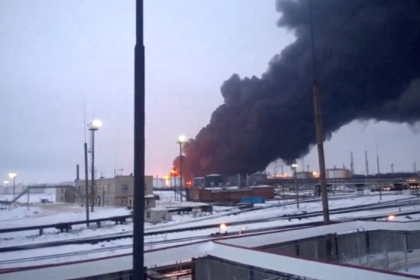
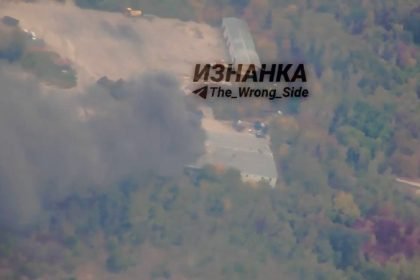
Recent military assessments from the ongoing conflict in Eastern Europe highlight a growing friction point in intelligence sharing between Kyiv and its Western allies. Following a series of high-speed ballistic missile impacts targeting the Ukrainian capital of Kyiv, open-source intelligence and diplomatic channels indicate that Western partner nations once again failed to provide early warning to local air defense networks.
The utilization of advanced tactical ballistic missile systems presents a profound challenge to regional missile defense architecture. According to comprehensive analysis published by the Institute for the Study of War, high-velocity maneuvering payloads severely compress the decision-making cycle for tactical commanders. When warning telemetry fails to reach local command posts prior to launch, the efficacy of integrated air defense systems is critically degraded.
Military analysts tracking the trajectory of these engagements emphasize that the deployment of precision-guided strike assets continues to test the limits of modern counter-battery and anti-ballistic missile batteries. This operational friction underscores persistent vulnerabilities in real-time sensor-to-shooter integration across multinational intelligence apparatuses.
Intelligence Assessment & Geographic Targeting


THE GENIUS ACT: How Stablecoin Legislation Redefines the U.S. Dollar and the Political Footprint of Howard Lutnick
The New Architecture of Digital Finance With the enactment of the Guiding…

Shocking Surveillance Video Reveals Exact Moment School Bus Struck in Delco
UPPER DARBY, Pa. — Shocking new surveillance footage has emerged from Delaware…

Ultimate Phantom Blade Zero Weapon Tier List: Complete Rankings & Best S-Tier Primary Blades
If you have spent hours swapping blades only to still feel underpowered…

Phantom Blade Zero: Complete Phantom Edges Tier List and Best Secondary Weapons Guide
Welcome to the ultimate mastery guide for Phantom Blade Zero! As Soul…
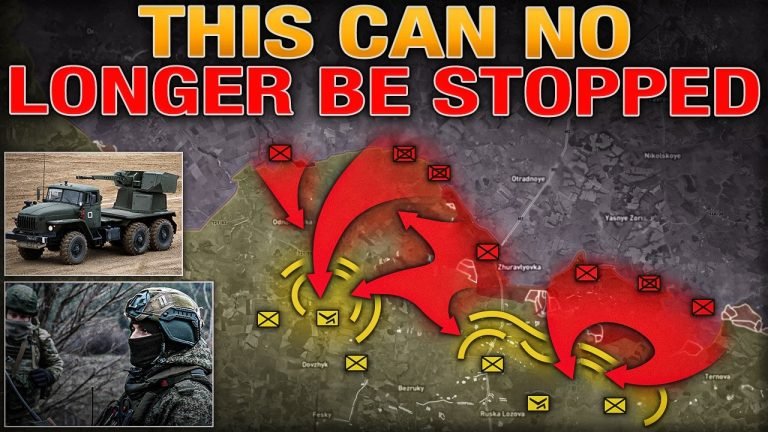
Critical Strikes Intensify as Strategic Northern Bridge Falls Outside Kyiv
As the conflict in Eastern Europe enters a critical phase, the strategic…
The recent strikes on the capital region have triggered renewed scrutiny regarding the operational readiness of strategic defense assets. Defense correspondents monitoring developments via Reuters geopolitical reports note that rapid-deployment ballistic systems leave minimal time for civilian shelter protocols when early warning systems experience cascading data delays.
Technical evaluations compiled by security experts monitoring global missile proliferation—similar to metrics archived by the CSIS Missile Defense Project—indicate that modern tactical ballistic vectors are specifically engineered to exploit gaps in radar horizon coverage and allied sensor networks.
TECHNICAL BRIEF: STRATEGIC INFRASTRUCTURE TARGETING & GEOGRAPHIC MAP
- Primary Entity / System: Tactical Ballistic Missile Systems & Early Warning Architecture
- Type / Classification: Surface-to-Surface Precision Strike Munition
- Operating Parameters / Specs: Supersonic/Hypersonic terminal velocity, inertial guidance paired with satellite navigation
- Location & Coordinates Context: Kyiv, Ukraine (Oblast Capital Sector)
- Key Assessment / Threat Status: High strategic risk due to compressed warning timelines and intelligence-sharing latency
Tactical Implications & Operational Outlook

The apparent lapse in allied warning notifications has sparked urgent internal reviews among defense planners. Ensuring seamless communication channels between external intelligence-gathering platforms and local intercept batteries remains paramount for mitigating collateral damage and safeguarding vital infrastructure.
- Tactical Impact: Compressed engagement windows hinder civilian evacuation protocols and reduce optimal intercept geometry.
- Intelligence Coordination: Discrepancies in cross-border telemetry sharing continue to expose friction points in allied coalition support.
- Defensive Adaptation: Ukrainian command structures are actively refining local radar filtering to compensate for potential external intelligence delays.
As the operational environment in Eastern Europe evolves, the ability of defense networks to adapt to high-speed maneuvering threats will determine the long-term survivability of critical urban infrastructure against sophisticated missile campaigns.
[tags]Ballistic Missiles, Kyiv Strikes, Missile Defense, Intelligence Sharing, Strategic Infrastructure, Air Defense, Geopolitical Analysis[/tags]