










From Bush-era speechwriter to Fox News fixture, a look into one of Washington’s most enduring foreign policy hawks.
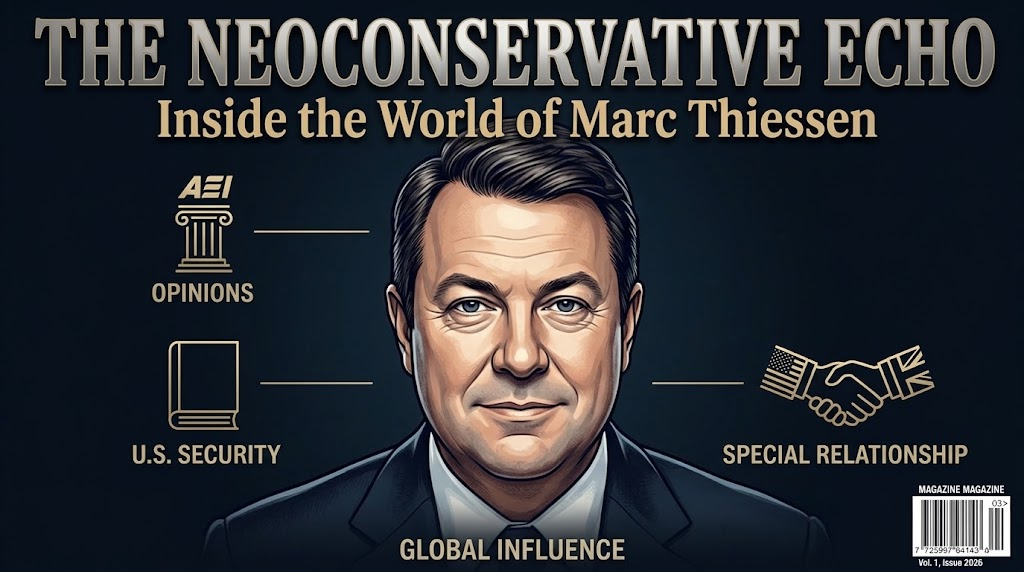
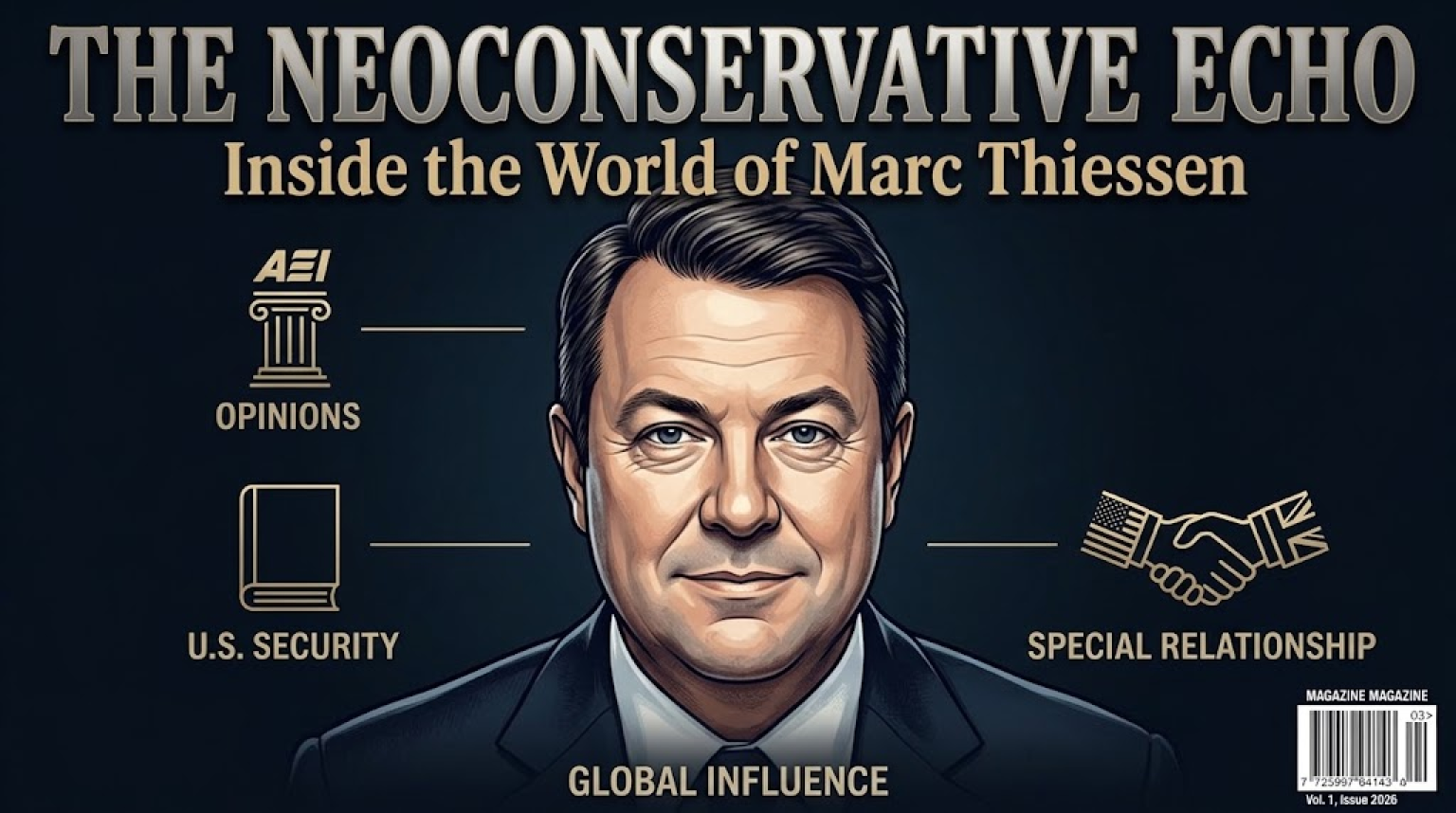
In the landscape of American political media, few figures bridge the gap between Washington’s policy establishment and prime-time television commentary quite like Marc Thiessen. A prominent columnist for The Washington Post, Fox News contributor, and fellow at the American Enterprise Institute (AEI), Thiessen has spent decades advocating for robust national defense, executive power, and active foreign intervention.
Career Timeline and Rise to Prominence
Thiessen’s path through Washington’s conservative network reflects a steady ascent through government communications, foreign policy think tanks, and national media commentary.
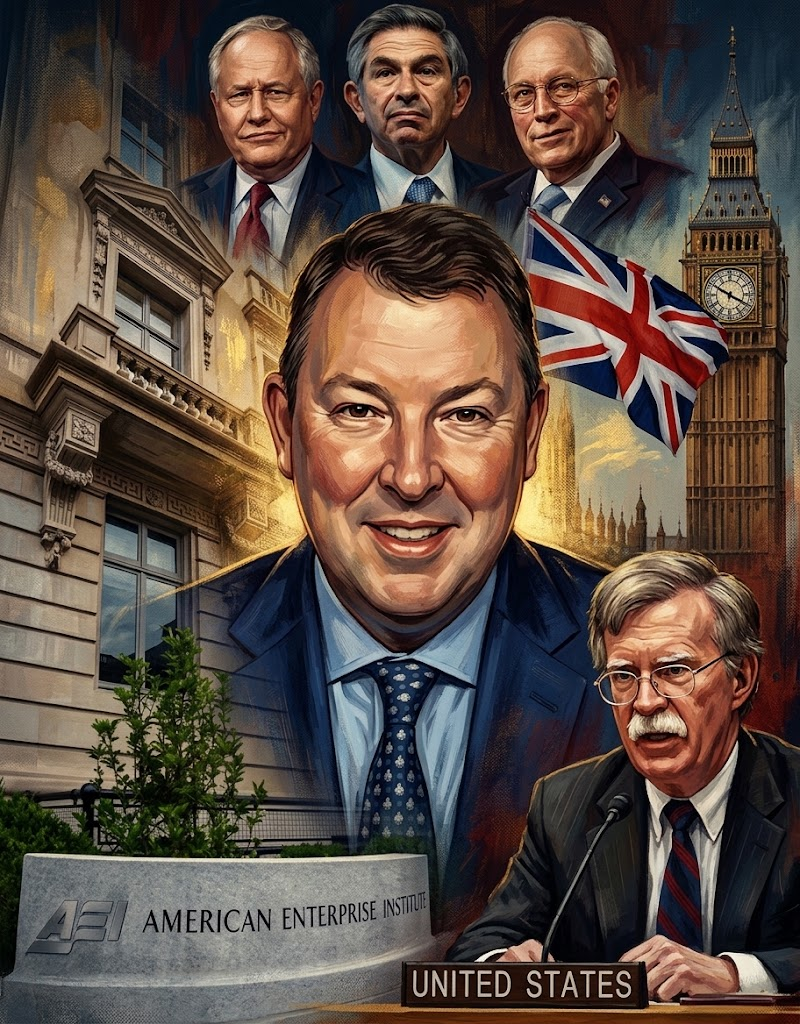
- Early Career & Defense Department (2001–2004): Served as chief speechwriter to Secretary of Defense Donald Rumsfeld during the launch of the Global War on Terror and the 2003 invasion of Iraq.
- The White House (2004–2009): Joined President George W. Bush’s administration, eventually rising to Senior Speechwriter and Chief Speechwriter, crafting major national addresses on national security and foreign posture.
- AEI & Author (2009–Present): Joined the American Enterprise Institute as a scholar. Published Courting Disaster: How the CIA Kept America Safe and How Obama Is Inviting the Next Attack (2010), defending Bush-era interrogation programs.
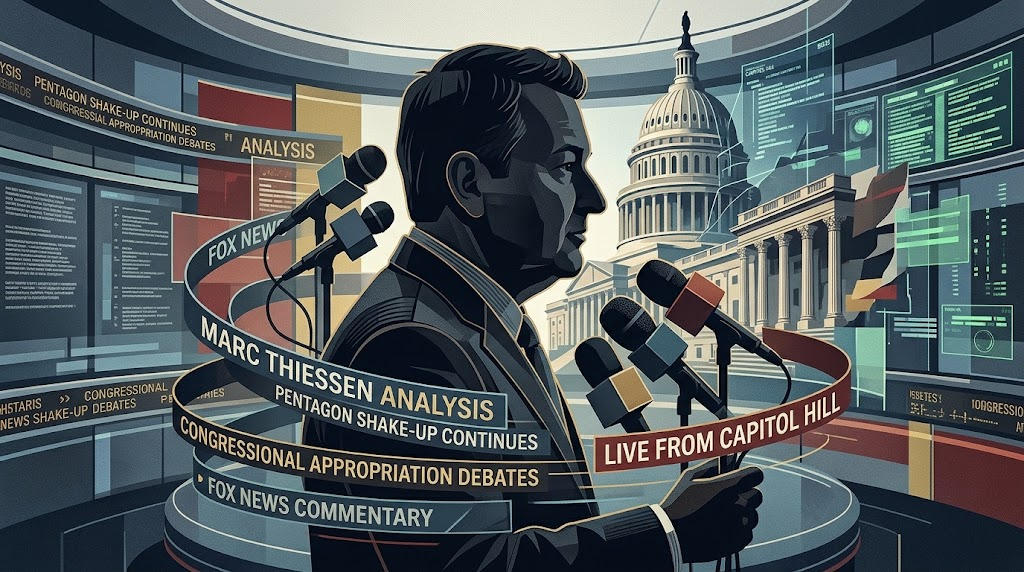
- Media Presence (2010–Present): Established himself as a regular columnist for The Washington Post and a prominent panelist on Fox News, including regular appearances on Fox News Sunday.
Foreign Policy and Transatlantic Ties
Central to Thiessen’s commentary is a steadfast commitment to traditional neoconservative foreign policy principles: strong defense spending, active foreign deployment, and the maintenance of key bilateral alliances.
A central pillar of this framework is the maintenance of Anglo-American defense and intelligence ties—frequently referred to as the “Special Relationship.” Throughout his career, Thiessen’s analysis has emphasized close coordination between Washington, London, and NATO allies in confronting state adversaries like Russia, Iran, and China. His advocacy aligns closely with transatlantic national security circles that view strong international military presence as vital to global stability.
Opponents and Major Critics
Thiessen’s stances on executive power, counterterrorism, and foreign intervention have made him a central figure in American political debates, drawing sharp criticism from across the political spectrum:

Trump Vows Crucial Support as Stacy Garrity Challenges Shapiro’s Failed Economic Policies
HARRISBURG, Pa. — The race for the Pennsylvania governor's mansion has officially…

Motorized Fractal and Pin Vises are Now a Thing
I have been seeing a slew of motorized hobby vises meant for…
Urgent Search Underway After Multiple Armed Robberies Terrify Philadelphia Neighborhoods
PHILADELPHIA — Local law enforcement agencies are actively searching for multiple suspects…

RTX 5070 Ti Gaming PC Gets Massive $450 Price Cut With 32GB DDR5 RAM
ABS Stratos II Aqua Gaming PC Deal Overview There's a brilliant discount…

Meteorites Don’t Burn Up the Way Scientists Thought
Credit: Pexels Have you ever wondered what actually happens to a shooting…

Massive Late Summer Breakdown Reveals The 5 Best Prebuilt Gaming PCs Dominating 2026
As we navigate through the hardware cycles of late summer 2026, the…
1. Human Rights Groups and Legal Scholars
Organizations such as the ACLU and Human Rights Watch, along with legal scholars, heavily criticized Thiessen’s post-government writings defending enhanced interrogation techniques. Critics argued that these methods violated international law and the Geneva Conventions, damaging moral standing globally.
2. Libertarian and Populist Conservatives
From within the right wing, non-interventionist and populist figures have routinely clashed with Thiessen’s hawkish platform:
- Ron Paul: Criticized neoconservative commentary for promoting endless foreign entanglements and massive defense spending.
- Rand Paul: Has repeatedly pushed back against interventionist foreign policy proposals, arguing they exhaust domestic resources and overextend the nation abroad.
- Thomas Massie: Argues against foreign aid packages and defense spending increases advocated by establishment security analysts.
- Pat Buchanan: Long opposed neoconservative nation-building policies as a departure from traditional conservatism.
- Justin Amash: Criticized post-9/11 security policies for expanding federal surveillance authorities at the expense of civil liberties.
3. Progressive Media Analysts
Outlets like Media Matters for America and media commentators frequently critique Thiessen’s television and print commentary, arguing that his framing consistently minimizes systemic policy failures of the Bush administration while offering strong defenses of right-leaning economic and judicial policies.
Conclusion
Whether analyzing foreign policy on prime-time news or framing debate in national print outlets, Marc Thiessen remains an influential voice for the Bush-era national security establishment. For supporters, he represents a disciplined defense of American power and strategic alliances. For critics, his career stands as a clear example of the enduring influence of neoconservative policy in modern political discourse.