
















POLITICS & SOCIETY | By National Desk | Updated October 24, 2026

A social media post by Pennsylvania State Senator Doug Mastriano emphasizing the Jewish heritage of Jesus Christ and urging support for legislative action against antisemitism has triggered a broad online discussion across X (formerly Twitter), Facebook, and news outlets.
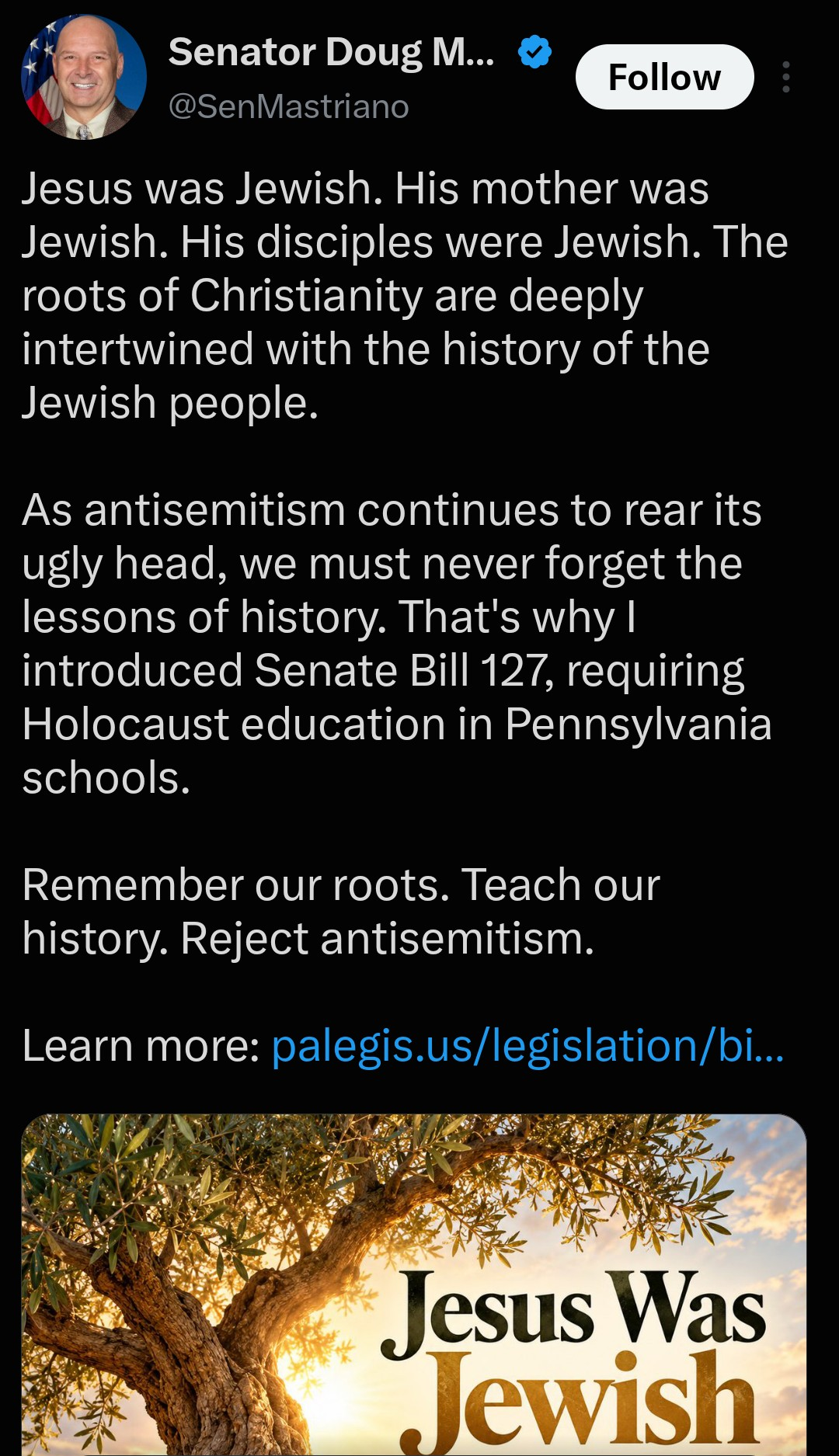
In his post, Mastriano highlighted the historical origins of Christianity, writing: “Jesus was Jewish. His mother was Jewish. His disciples were Jewish. The roots of Christianity are deeply intertwined with the history of the Jewish people.”
He connected these historical assertions directly to legislative action in Pennsylvania, referencing Senate Bill 127, a proposal designed to mandate Holocaust, genocide, and human rights education across Pennsylvania public schools.
“As antisemitism continues to rear its ugly head, we must never forget the lessons of history,” Mastriano posted. “That’s why I introduced Senate Bill 127, requiring Holocaust education in Pennsylvania schools. Remember our roots. Teach our history. Reject antisemitism.”
Senate Bill 127 and the Policy Debate
The bill mentioned in the senator’s post, Senate Bill 127, seeks to amend Pennsylvania’s Public School Code to standardize and require instruction on the Holocaust and other historical genocides.
🏛️ SENATE BILL 127 AT A GLANCE
- SPONSOR: Senator Doug Mastriano (PA District 33)
- MANDATE: Requires Holocaust & genocide education in public schools
- TRANSPARENCY: Requires curriculum materials posted online
- STATUS: Considered in state legislative sessions & committee reviews
Supporters of the measure argue that mandating Holocaust education provides critical historical context for students, fostering tolerance and countering rising rates of antisemitic incidents nationwide. Proponents emphasize that structured, mandatory curricula ensure future generations understand the origins and consequences of hate speech and state-sponsored violence.
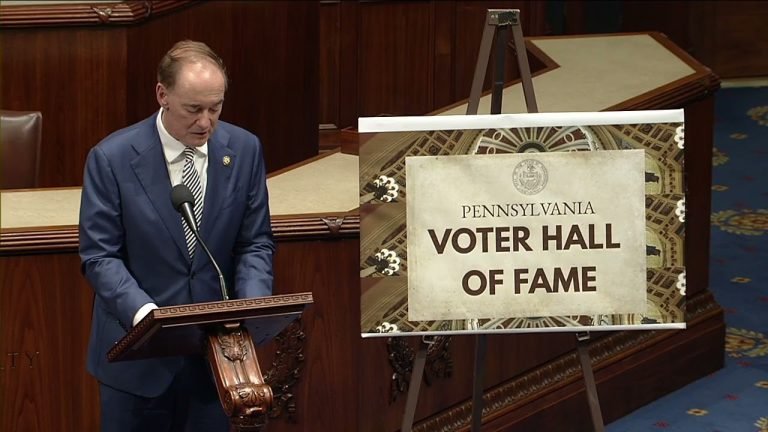
Dr. Joyce Slams Critics and Unveils Major Pennsylvania Voter Hall of Fame Tribute
WASHINGTON — In a special congressional tribute highlighting civic dedication at the…
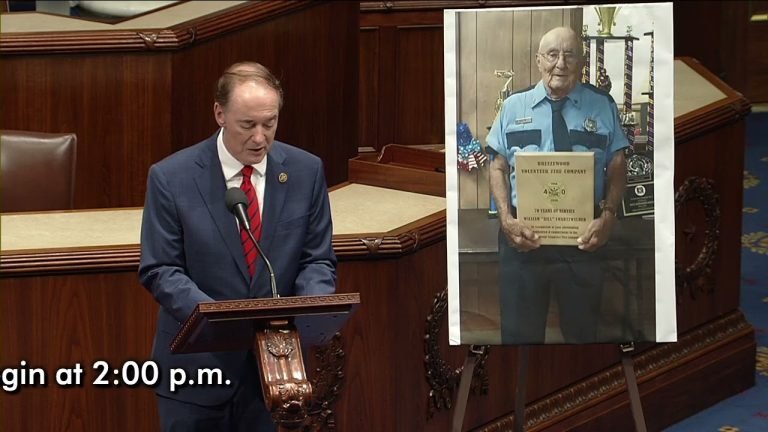
Dr. Joyce Exposes William Swartzwelder’s Crucial 70-Year Legacy of Public Service
In a powerful demonstration of congressional recognition on Capitol Hill, U.S. Representative…
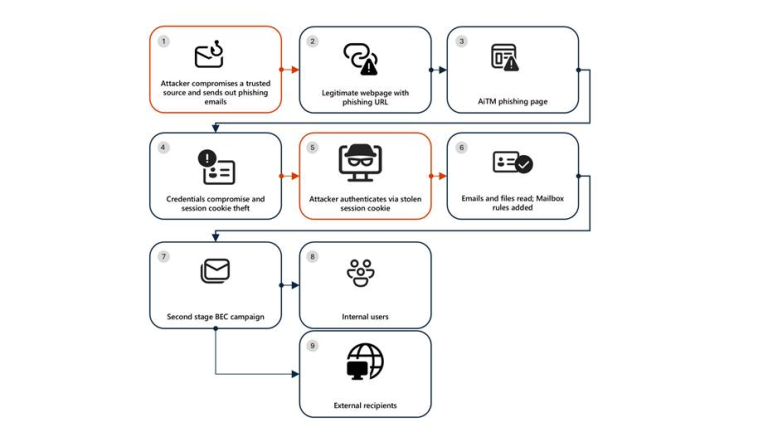
Energy sector targeted in multi-stage phishing and BEC campaign using SharePoint
Microsoft warns of a multi-stage phishing and BEC campaign hitting energy firms,…

PHILLY CRIME WATCH: Police Hunt Suspect in 14th District Commercial Burglary—Watch the Video
The Philadelphia Police Department is asking for the public's help to identify…

Uniqlo closing in on H&M with sights set on Zara’s global crown
Uniqlo owner Fast Retailing’s annual revenue climbed 17% to a record ¥3.96…

Shocking Arrests Made After Vandalism Targets Pennsylvania Park With Racist Graffiti
PHILADELPHIA — Local authorities in the western suburbs have taken swift action…
Conversely, civil liberties groups, including the ACLU of Pennsylvania, have voiced concerns regarding specific provisions within the broader legislative text—particularly surrounding definitions used to evaluate speech and school curriculum posting requirements—arguing that educational policy must carefully balance historical instruction with First Amendment protections.
Reaching Millions: Why the Message Went Viral
The online engagement following the post reflects ongoing public interest at the intersection of religious history, political rhetoric, and state policy.
- Interfaith Historical Connections: The core assertion—that Christian theological roots are inseparable from Jewish history—is widely documented by historians and theologians alike. Mastriano’s direct framing brought theological discussion into mainstream political discourse.
- Legislative Context: By anchoring a historical statement to concrete state legislation (Senate Bill 127), the message crossed over from theological reflection into active legislative debate.
- Public Scrutiny & Media Interest: Political commentators, legal scholars, and constituents quickly shared, debated, and analyzed the statement, generating high visibility across digital platforms.
State legislators and advocacy organizations continue to monitor the progress of education-related bills in Harrisburg, with public hearings and committee reviews serving as the primary venues for ongoing debate on how Pennsylvania schools address genocide awareness and human rights history.
What are your thoughts on state-mandated Holocaust and genocide education curricula in public schools? Share your views below.