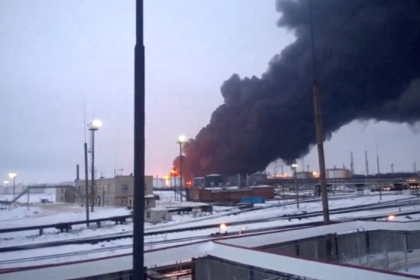

















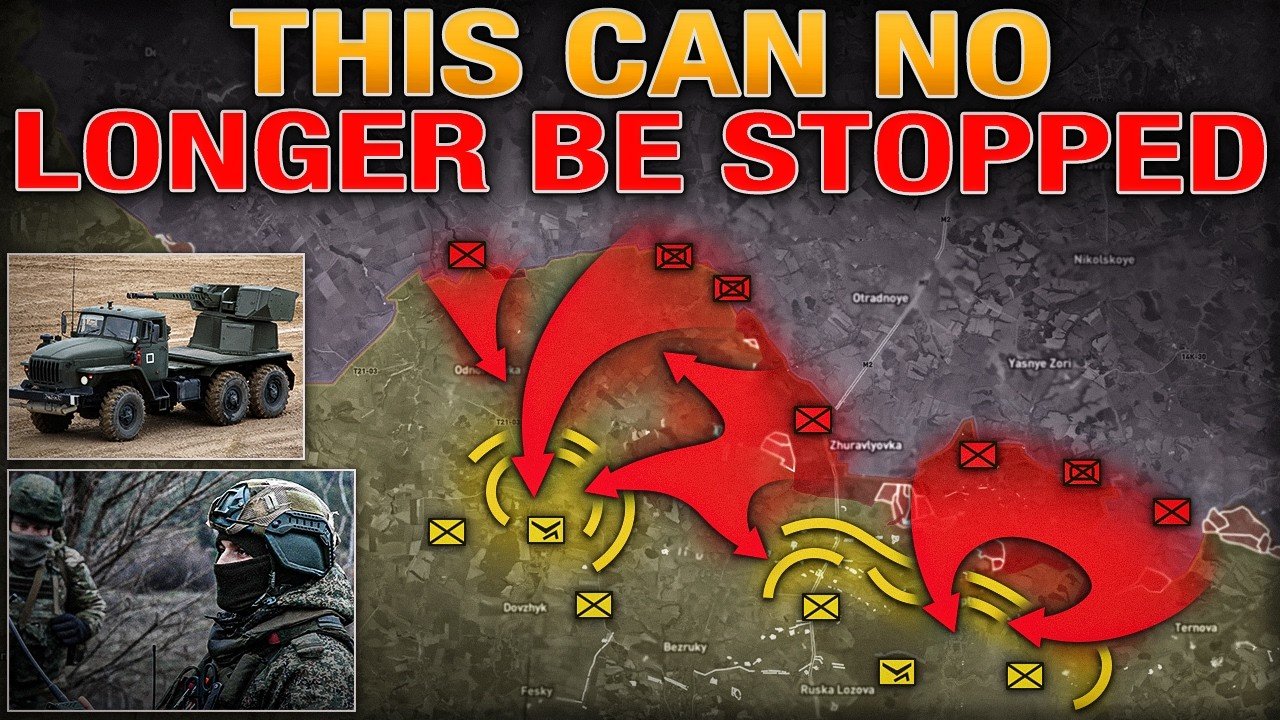
As the conflict in Eastern Europe enters a critical phase, the strategic calculus governing front-line engagements, aerial bombardments, and deep-strike capabilities is undergoing a profound transformation. Recent military developments underscore an escalation in high-precision strikes, severely testing the resilience of urban infrastructure and the defensive capabilities of the Ukrainian armed forces. With key logistical nodes and vital transport corridors coming under increased threat—symbolized by intense kinetic activity around critical regional choke points—both sides are adapting their operational concepts to maximize attrition and disrupt supply lines.
Escalating Aerial Campaigns and Strategic Strikes on Urban Infrastructure
The intensification of long-range missile and drone attacks signals a dangerous shift in the air campaign. Defense analysts tracking these trajectories note a systematic targeting of dual-use infrastructure, command-and-control nodes, and logistics hubs. According to assessments from defense monitors, these saturation tactics are designed to overwhelm multi-layered air defense grids, forcing military planners to make difficult choices regarding asset allocation between frontline combat zones and major metropolitan centers like Kyiv.
Furthermore, the persistent threat of deep-penetration strikes means that no sector is truly immune from kinetic impact. The utilization of loitering munitions combined with hypersonic and cruise missile volleys highlights an evolving doctrine of strategic exhaustion. For deeper insights into how military alliances are responding to these shifts, official updates can be monitored via NATO’s official portal.
Logistical Vulnerabilities and Front-Line Positional Shifts
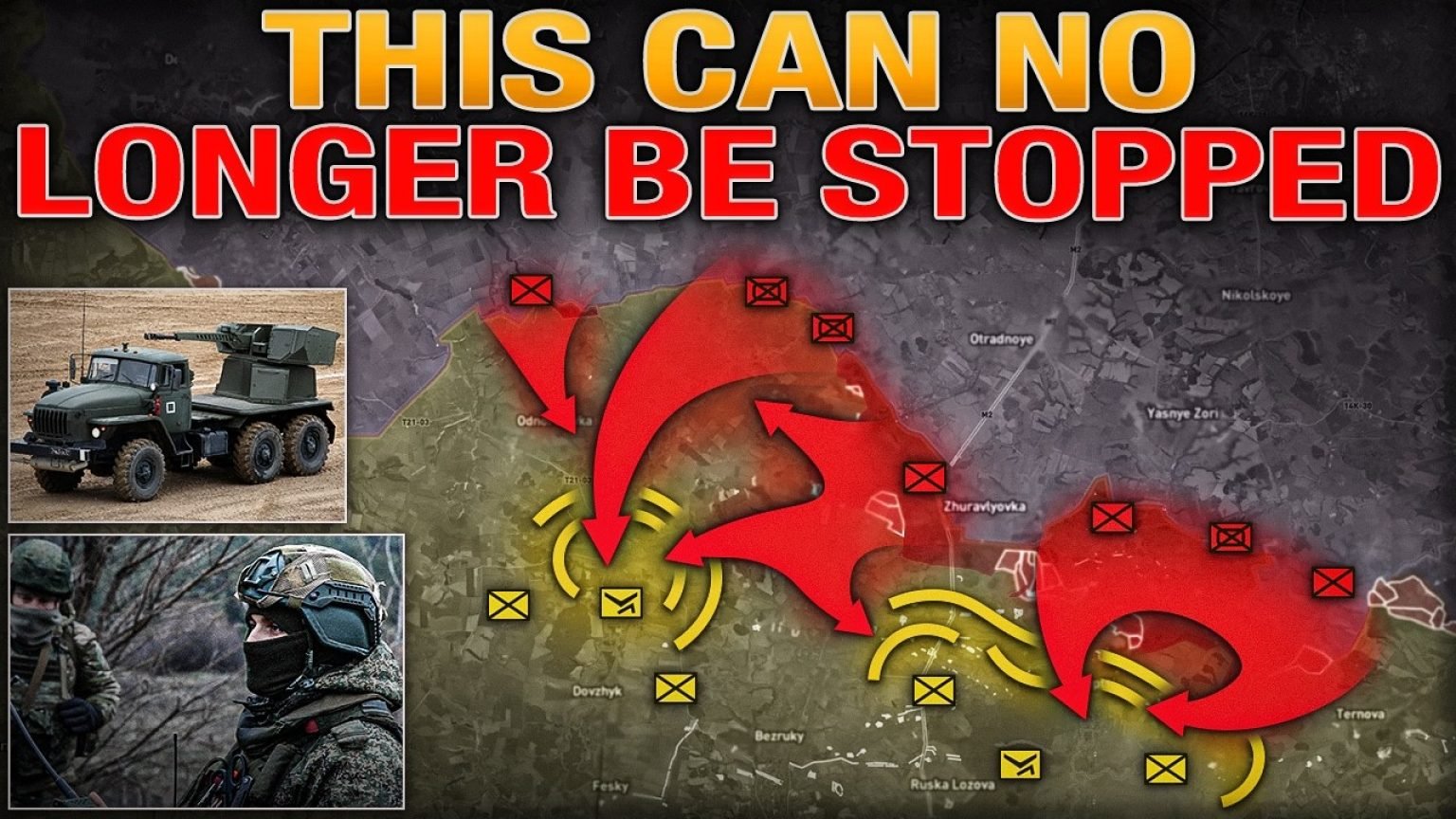
On the ground, positional warfare continues to grind forward with incremental gains and costly defensive stands. The integrity of supply lines remains the paramount factor determining operational success or failure. Russian defensive lines have been heavily fortified with minefields, dragon’s teeth, and pre-sighted artillery zones, creating formidable barriers against mechanized counteroffensives. Conversely, Ukrainian units are leveraging asymmetric tactics, electronic warfare jamming, and mobile artillery units to blunt armored thrusts.
- Supply Chain Disruption: Precision strikes on regional bridges and transport hubs complicate the rotation of personnel and the forward deployment of heavy armor.
- Electronic Warfare (EW): Both combatants are aggressively deploying counter-UAV jammers and signal-interception technology to neutralize reconnaissance drones.
- Attrition Rates: Artillery duels remain the primary driver of casualties, underscoring the ongoing demand for high-explosive shell production and barrel replacements.
Weapons Systems Performance and Technological Adaptations
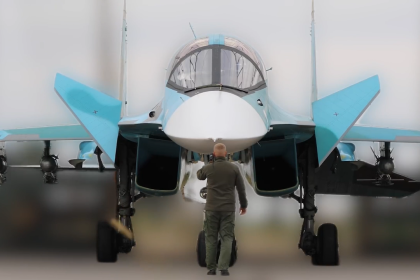
The battlefield continues to serve as an active testing ground for advanced military hardware. Western-supplied air defense systems, such as Patriot and NASAMS, play a vital role in intercepting incoming aerial threats, though interceptor missile stockpiles face continuous strain. On the opposing side, the integration of upgraded guidance kits onto standard glide bombs has allowed tactical aviation to strike hardened positions from standoff ranges outside the effective envelope of many medium-range air defense assets.
Independent battlefield maps and tactical assessments regularly published by the Institute for the Study of War illustrate the fluid nature of these technological adaptations, showing how software updates and improvised field modifications dictate tactical survival on a daily basis.
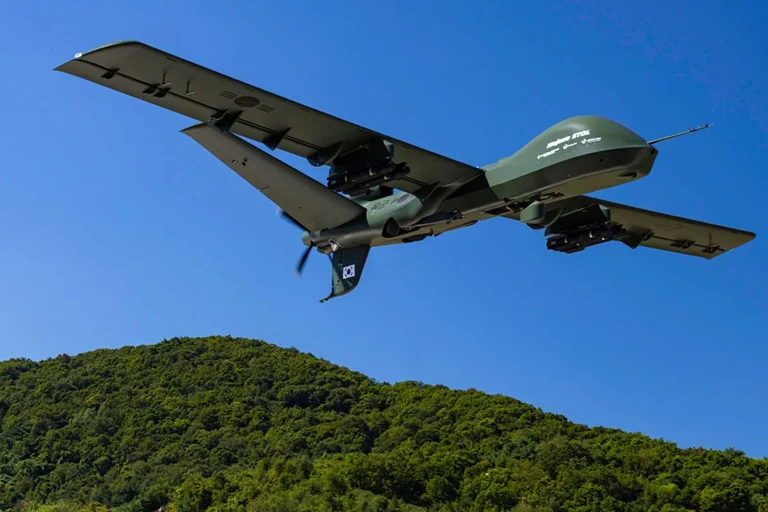
General Atomics' Mojave STOL becomes first MALE drone to land and relaunch from battlefield tank route
General Atomics Aeronautical Systems and Hanwha Aerospace successfully executed the first-ever landing…

Massive ASUS Zenbook 17 Fold Review Reveals The Future Of Foldable PCs
Welcome back to the hardware desk here at The Philly PI. When…

Massive Leak Reveals Hayden Christensen Is Officially Signing On For A Darth Vader Disney Plus Series
The galaxy far, far away might be expanding its television footprint even…

WATCH: Mom reveals son’s trauma after he killed Oregon school shooter
In a video posted on social media, the mother of Kaylub Giamanco,…
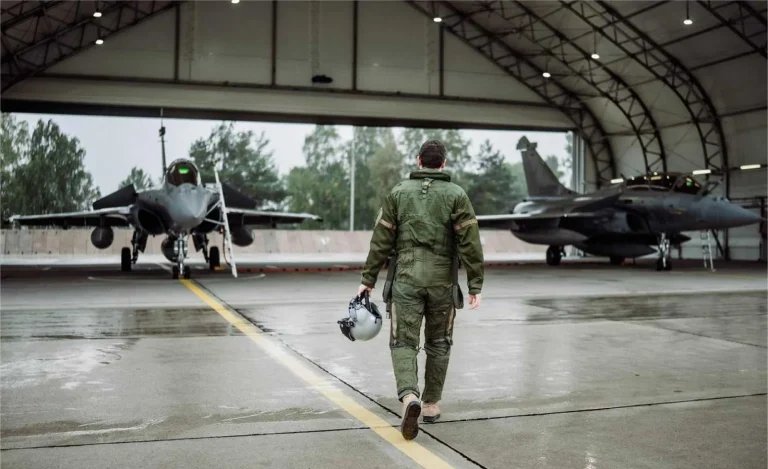
French Rafale Fighters in Poland Test NATO Airpower Survival Against Missile and Drone Attacks
French Rafale fighters have dispersed across Poland in a drill designed to…

Shocking Surveillance Footage Reveals Terrifying Moments Behind Deadly Philadelphia Crash Unfold
PHILADELPHIA — Local authorities in the Greater Philadelphia area are examining crucial…
Geopolitical Implications and Conflict Projections
As the war stretches into extended horizons, the broader geopolitical ramifications continue to reverberate across global security architectures. Defense procurement programs across Europe and North America are pivoting toward a wartime footing, prioritizing mass production over specialized, low-volume manufacturing. The sustainability of long-term military aid packages remains a central topic in international diplomacy, directly influencing the strategic planning of the Ukrainian general staff as they prepare for future operational phases.
Ultimately, the escalating intensity of strategic strikes and the hardening of front-line positions indicate that a swift resolution remains unlikely. Both belligerents are doubling down on industrial mobilization and technological innovation, ensuring that the conflict’s next chapter will be defined by endurance, precision firepower, and high-stakes logistical competition.
[tags]Russia-Ukraine War, Military Analysis, Air Defense Systems, Frontline Tactics, Strategic Strikes, Defense Logistics, Geopolitical Strategy, Ukrainian Armed Forces[/tags]