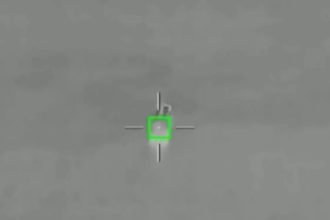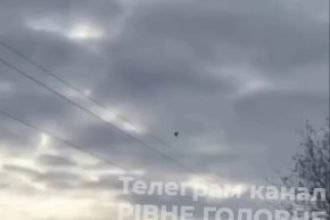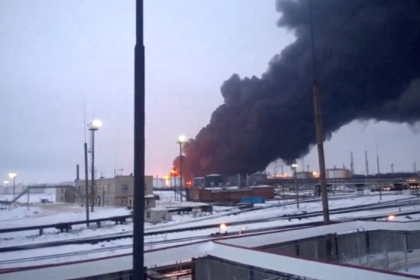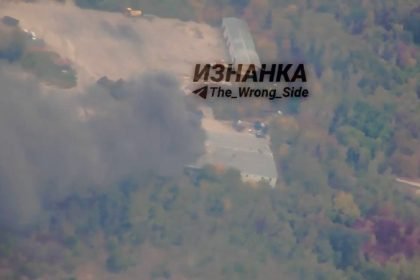

















KYIV, VOLYN OBLAST — In an escalating campaign targeting Ukraine’s core energy infrastructure, critical electrical grid nodes in the country’s western regions have faced intensified precision strikes. Recent intelligence reports and field surveillance confirm that a high-value infrastructure target—the 330 kV “Lutsk-North” electrical substation (ПС 330 кВ “Луцк-Северная”) located in the Volyn Oblast—sustained direct impacts from long-range uncrewed aerial systems. The strike has triggered significant regional power instability, compounding the strain on an already fragile national energy grid that is bracing for severe seasonal demands.

The operation highlights a systematic targeting methodology utilized by Russian forces, shifting focus from frontline logistics to deep-rear transforming sub-stations designed to sever regional distribution networks. Defense analysts monitoring the campaign note that high-voltage substations of this scale are pivotal for stepping down power from nuclear and thermal generation plants to municipal distribution rings. According to ongoing regional assessments by the Institute for the Study of War, systematic degradation of 330 kV and 750 kV nodes aims to collapse localized industrial capacity and disrupt military supply corridors.
Local authorities in Lutsk and the surrounding Volyn region reported emergency power curtailments following the series of detonations. While emergency repair crews and civil defense units mobilized rapidly to contain secondary blazes and isolate damaged transformers, the structural complexity of heavy high-voltage equipment means full restoration will likely require extensive logistical efforts. Such strategic strikes frequently draw analysis regarding the broader strategic implications tracked by organizations like the CSIS Missile Defense Project, which monitors the survivability of European energy grids under asymmetric aerial bombardment.
TECHNICAL BRIEF: Strategic Infrastructure Targeting & Long-Range Systems
- Primary Entity / System: 330 kV “Lutsk-North” Electrical Substation
- Type / Classification: Critical National Energy Infrastructure / High-Voltage Power Node
- Estimated Range / Payload / Operating Parameters: Deep-strike vector targeting western Ukrainian distribution hubs; specialized long-range loitering munitions.
- Location & Coordinates Context: Lutsk, Volyn Oblast, Northwestern Ukraine (Near NATO border corridor)
- Key Assessment / Threat Status: High strategic impact; accelerates systemic grid degradation and necessitates emergency load-shedding protocols.
Strategic Geography and Western Logistical Hubs
The choice of Lutsk as a primary vector is tactically significant. Situated in northwestern Ukraine, the Volyn Oblast serves as a vital transit and logistical nexus, maintaining close proximity to Poland and broader European supply routes. Attacks reaching this far west demonstrate the persistent operational range of modern long-range strike assets, challenging regional air defense umbrellas that must balance point-defense protection for urban centers against wide-area coverage for critical national infrastructure (CNI).
Military observers emphasize that modern aerial campaigns against energy networks rely heavily on verified intelligence regarding transformer availability and grid interdependencies. When a 330 kV hub like Lutsk-North is compromised, the shockwave ripples across adjacent oblasts, forcing automated safety shutdowns to prevent cascading failures across the entire western Ukrainian power pool. Comprehensive updates regarding European security dynamics and humanitarian impacts can be followed via Reuters World News – Europe.
Broader Implications for National Grid Resilience
As repair teams work under hazardous conditions to patch damaged high-voltage switchyards, the broader debate over air defense asset distribution intensifies. Protecting sprawling electrical infrastructure requires a multi-layered shield combining mobile gun teams, electronic warfare, and sophisticated surface-to-air missile batteries. However, the sheer volume of contested territory means certain deep-rear facilities remain vulnerable to saturation tactics.
Wide-range long-range interceptor missile
In the two days since the AIM-424 Malice was unveiled, two things…

Insects Have Six Legs. But This 324-Million-Year-Old Insect Had 24 Legs and a Body Unlike Anything Alive Today
For nearly 40 years, one of the strangest insects ever found was…

This monster RTX 5090 Alienware gaming PC costs less than buying the GPU and CPU alone — take $500 off a powerful 9950X3D rig
Nvidia's RTX 5090 now costs $7,000. Or so near to it that…

Rep. Scott Perry Exposes Crucial FISA Extension Truths in Major Legislative Update
Rep. Scott Perry Delivers Key Legislative Update on FISA Extension and Congressional…

School district ordered to apologize, pay $275k for forcing kids to hide Bibles
A Washington state school district must publicly apologize, pay $275,000 in attorney’s…

Rep. Perry Unveils Crucial Farm Bill Updates Amid Heated House Debate
As Capitol Hill navigates a packed legislative calendar, lawmakers are once again…
Key Operational Takeaways:
- Infrastructure Vulnerability: High-voltage 330 kV substations remain prime targets for degrading regional command, control, and industrial output.
- Geographic Reach: Strikes penetrating deep into Volyn Oblast illustrate the expansive operational envelope of modern long-range strike platforms.
- Grid Cascades: Damage to western nodes forces emergency load-shedding, impacting civilian populations and industrial sectors far from active frontline engagements.
Ultimately, the incident at Lutsk-North underscores the relentless technological and tactical evolution of contemporary aerial warfare. As both sides adapt their doctrines regarding CNI targeting and defense, the resilience of Ukraine’s remaining power distribution network will face continuous stress tests through the changing operational seasons.
[tags]Lutsk-North Substation, Volyn Oblast, Critical Infrastructure, Long-Range Strike, Ukraine Energy Grid, 330 kV Substation, Defense Analysis[/tags]