













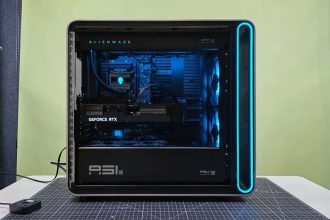



Cyber Monday retail windows consistently present a strategic entry point for desktop builders, enthusiasts, and productivity-focused professionals looking to upgrade their computing infrastructure. As retail inventories fluctuate, platform ecosystems like Newegg roll out aggressive promotions spanning high-performance processors, high-refresh-rate displays, and modern motherboard chipsets. For those aiming to build a future-proof rig or optimize an existing workstation, navigating these seasonal markdowns requires a disciplined look at silicon architecture, memory speeds, and thermal overhead rather than just bottom-line pricing.

Editorial Note: Draft generated for technical review. Verify live vendor pricing and compatibility before publishing.
Decoding the Current Hardware Landscape
The modern PC hardware ecosystem is defined by generational transitions. With mainstream platforms fully embracing the ultra-fast data rates of DDR5 memory and the expanded lane bandwidth of PCIe 5.0, upgrading individual components requires careful attention to platform synergy. Whether you are eyeing an unlocked Intel Core Processor optimized for high clock speeds or an energy-efficient AMD Ryzen Processor built on advanced Zen architecture, understanding how these central processing units interact with modern chipsets is paramount to achieving optimal system throughput.
| Component Name | Architecture / Platform | Memory Speed / Capacity | Thermal Output (TDP) | Targeted Use Case |
|---|---|---|---|---|
| Intel Core i7 Processor | LGA 1700 / Hybrid Architecture | Up to DDR5 5600 MT/s | 125W – 253W Boost | High-End Gaming & Content Creation |
| Z790 Motherboard | Intel LGA 1700 Chipset | Quad-Channel / Dual-Channel DDR5 | Passive Chipset Heatsink | Enthusiast Overclocking & PCIe 5.0 |
Performance Scaling and Memory Bandwidth
When evaluating hardware featured during major promotional events, system builders must prioritize sustained performance over raw peak metrics. For instance, transitioning from older DDR4 kits to modern DDR5 memory running at speeds exceeding 6000 MT/s unlocks significant bandwidth advantages in memory-intensive tasks such as video rendering, data compilation, and high-framerate competitive gaming. Paired with robust motherboards featuring reinforced VRMs (Voltage Regulator Modules), these systems maintain stable boost clocks under prolonged multi-core workloads.
For official technical specifications and architectural overviews, users can consult primary vendor documentation provided by Intel and AMD to ensure absolute hardware compatibility.
Editor’s Takeaway: Who Should Buy?
Seasonal hardware markdowns offer an ideal financial window for builders who have delayed upgrading their core platforms. If your current system is bottlenecked by aging quad-core processors or restricted memory bandwidth, investing in a modern CPU and motherboard combination will deliver immediate, tangible gains in daily responsiveness and gaming fidelity.
- Pros: Excellent performance-per-dollar during promotional windows; access to cutting-edge DDR5 and PCIe 5.0 standards; robust upgrade paths for future components.
- Cons: High-end processors require significant thermal cooling solutions; components may require BIOS updates out of the box for optimal compatibility.
- Who Benefits Most: Enthusiasts building from scratch, content creators seeking faster render times, and gamers targeting high-refresh-rate 1440p or 4K setups.