















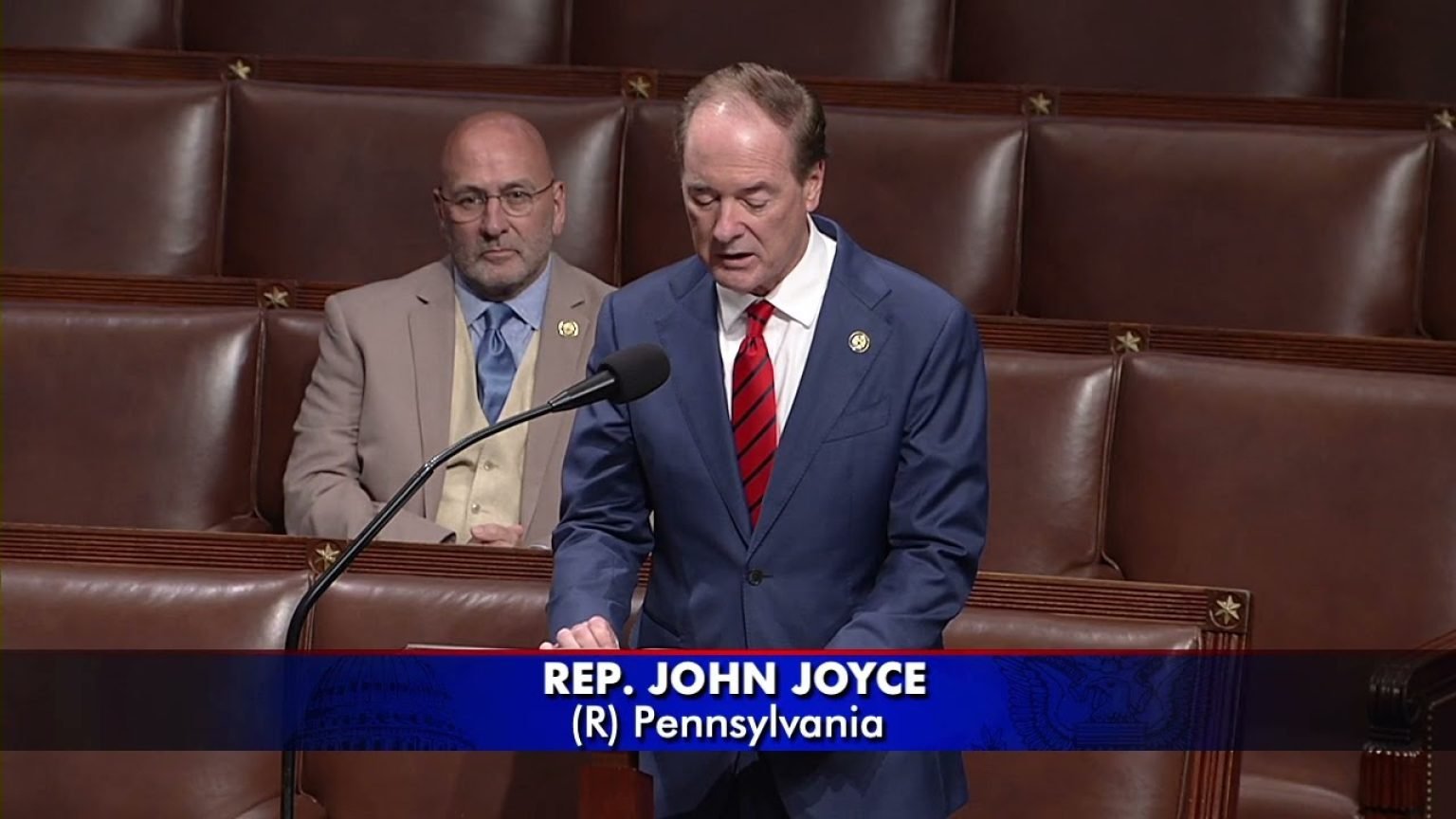
Washington — In an ongoing legislative push on Capitol Hill, lawmakers are revisiting critical infrastructure and consumer choice legislation that impacts millions of Americans who rely on specialized transportation. Amid heated debates over federal transit regulations and accessibility standards, federal representatives are championing targeted measures designed to cut through bureaucratic red tape. Proponents of these initiatives argue that current regulatory frameworks often stifle innovation and limit personal freedom, making legislative intervention essential for modern mobility solutions.
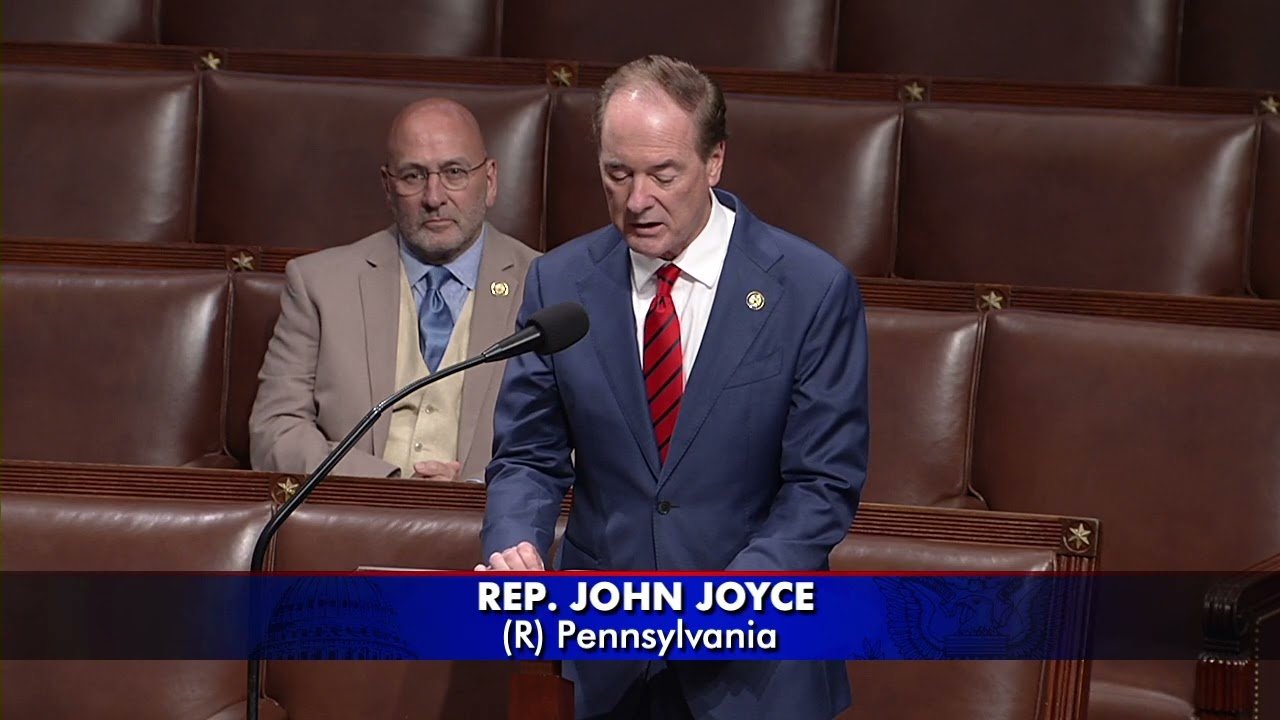
The Legislative Push Behind the Choices for Increased Mobility Act
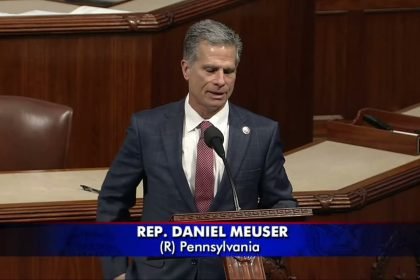
At the center of the current legislative debate is the push to advance the Choices for Increased Mobility Act. Supporters of the bill argue that federal guidelines frequently create unnecessary obstacles for individuals seeking flexible and cost-effective transportation alternatives. By reevaluating existing statutory frameworks, lawmakers hope to empower local municipalities, private enterprises, and individual consumers to make choices that best suit their unique geographic and economic realities.
The measure addresses long-standing concerns regarding regulatory overreach from federal agencies. In recent years, various stakeholders—ranging from micro-mobility operators to advocates for individuals with disabilities—have voiced frustration over rigid federal mandates that fail to account for rapid technological advancements in transportation. The Choices for Increased Mobility Act seeks to bridge this gap by modernizing statutory definitions and encouraging a more flexible approach to transit development.
Congressional Committee Context and Oversight
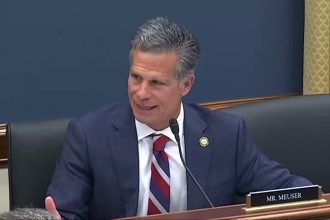
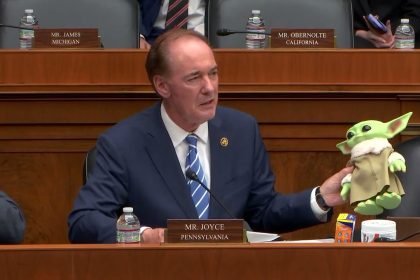
Discussions surrounding transportation reform typically flow through key committees in the United States House of Representatives, where lawmakers analyze the direct economic and societal impacts of proposed federal rules. Legislative efforts of this magnitude require rigorous scrutiny, committee markups, and bipartisan dialogue to ensure that any statutory changes protect consumer safety while fostering economic growth.
As committees review these proposals, lawmakers frequently hear testimony from industry experts, local government officials, and grassroots organizations. According to records maintained by Congress.gov, regulatory modernization bills often face complex legislative pathways, requiring sustained advocacy from congressional champions to move out of committee and onto the House floor for a full vote.

Skil Launched First Powered Hex Key Tool
Skil has launched what they’re calling “the industry’s first powered hex key.”…

RTX 5070 Ti & Ryzen 9800X3D Gaming PC Drops $450 to $2,549.99
Save $450 on the ABS Stratos II Ruby Gaming PC Featuring an…

Philly Police Search For Suspect In Deadly Hit-And-Run In 19th District
PHILADELPHIA — The Philadelphia Police Department is asking for the public's help…

America's Wile E. Coyote Moment
Authored by Matthew Piepenburg via VonGreyerz.gold, When it comes to contextualizing the…

Why Might Putin Finally Decide To Bring Ukraine To Its Knees After Nearly Five Years
Authored by Andrew Korybko via Substack, Regardless of why Putin might have…

5.7x28mm Ballistics Tested: Is This Overpriced Caliber Worth Your Money?
Is 5.7x28mm Just Overpriced .22 Magnum? – Comprehensive Ballistics & Performance Breakdown…
Addressing Modern Transportation Challenges
The modern American transportation landscape looks vastly different than it did a decade ago. The rise of app-based ride-sharing, autonomous vehicle testing, and localized micro-mobility devices has transformed how people commute, travel, and conduct commerce. However, federal policies have often lagged behind these rapid innovations.
Proponents of mobility-focused legislation stress that outdated rules can inadvertently penalize innovative transit models. Key areas of focus typically include:
- Reducing federal barriers that slow the deployment of new transit technologies.
- Promoting fair market competition among diverse transportation providers.
- Ensuring that accessibility standards evolve alongside emerging mobility platforms.
- Empowering state and local leaders to tailor transportation policies to their constituents’ specific needs.
The Broader Economic and Accessibility Implications
Beyond technological integration, transportation policy remains fundamentally tied to economic mobility and workforce participation. Access to reliable, flexible transit options directly influences an individual’s ability to secure employment, access healthcare, and participate fully in community life. When federal regulations create bottlenecks, the economic consequences can ripple across local economies.
Advocates for increased mobility choices argue that a more decentralized, market-oriented approach benefits consumers by driving down costs and improving service quality. Official information regarding ongoing federal initiatives, legislative updates, and official policy positions can be explored further through the U.S. House of Representatives portal.
As the debate surrounding transportation reform continues, lawmakers pushing for the passage of measures like the Choices for Increased Mobility Act remain focused on building a coalition of support. Whether these efforts will successfully overcome procedural hurdles in a divided Congress remains a central question for Capitol Hill observers, but the push for regulatory modernization shows no signs of slowing down.
[tags]Choices For Increased Mobility Act, U.S. House Of Representatives, Transportation Policy, Congressional Legislation, Federal Regulations, Infrastructure Reform, Consumer Choice[/tags]