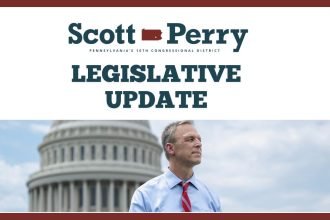















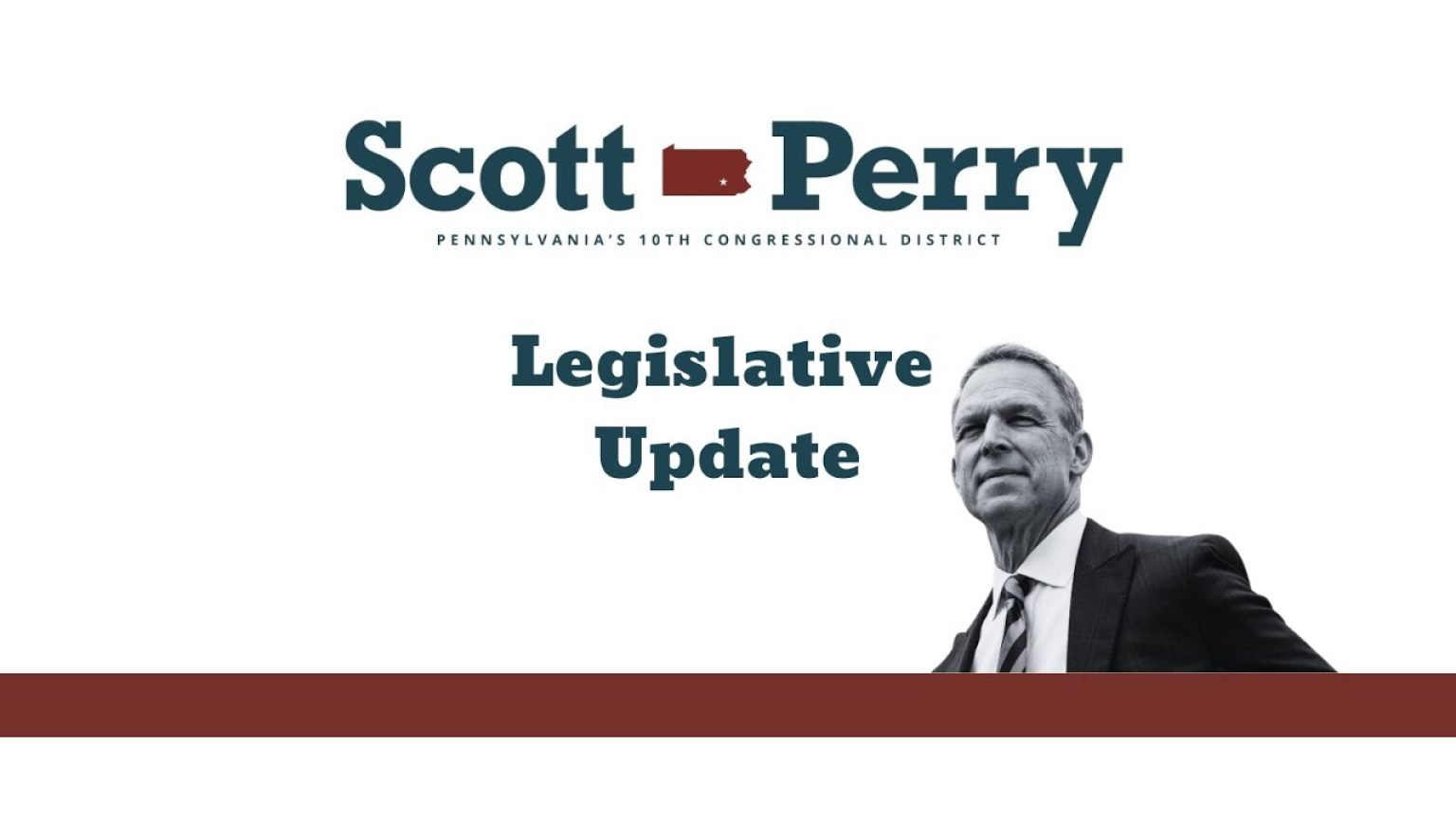
As Capitol Hill works through a busy legislative calendar, federal lawmakers are facing immense pressure to finalize critical end-of-year defense packages and address persistent economic challenges facing American families. In his weekly legislative update for the week of December 8, 2025, U.S. Representative Scott Perry addressed major policy developments emerging from Washington, focusing heavily on national defense priorities and the ongoing struggle for domestic energy affordability.
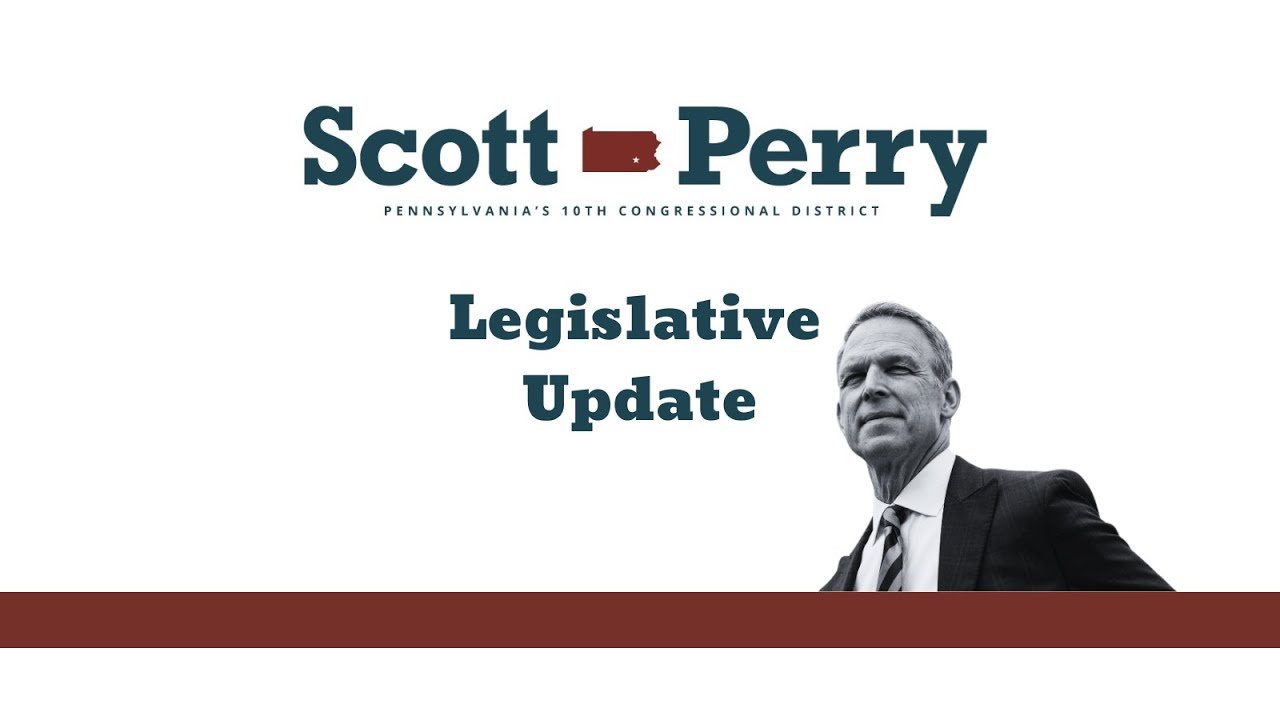
With legislative battles shaping the final weeks of the congressional session, discussions surrounding the National Defense Authorization Act (NDAA) have taken center stage. For lawmakers representing industrial and rural districts, balancing military readiness with fiscal discipline remains a paramount concern. Representative Perry’s latest address sheds light on the legislative mechanisms driving these debates and the broader implications for federal spending and economic policy.
Navigating the National Defense Authorization Act (NDAA)
The annual debate over the National Defense Authorization Act is traditionally one of the most contentious and vital legislative processes in Congress. As a foundational bill that dictates policy, funding levels, and operational guidelines for the U.S. Armed Forces, the NDAA requires rigorous negotiation between the House and the Senate. According to official resources provided on Congress.gov, the federal legislative tracker, defense authorization bills carry enormous weight regarding national security posture and global deterrence.
During his weekly briefing, the Pennsylvania lawmaker emphasized the necessity of prioritizing core military capabilities while eliminating extraneous federal spending. For members serving on key legislative panels, shaping the final version of the defense bill involves fighting to ensure that taxpayer dollars directly support service members and strategic readiness rather than progressive social mandates or bloated bureaucratic programs. The ongoing legislative maneuvering highlights the deep ideological divides over what constitutes essential national defense spending in an era of growing geopolitical tension.
Prioritizing Fiscal Responsibility in Defense Spending
A central theme of the Congressman’s legislative update was the urgent need for fiscal accountability within the federal budget. With national debt concerns reaching historic highs, conservative lawmakers are increasingly pushing back against omnibus spending packages that lack transparency. In the context of the NDAA, this means scrutinizing procurement processes, military construction projects, and defense contractor oversight to eliminate waste and protect hardworking taxpayers.

Emergency Microsoft update fixes in-the-wild Office zero-day
Microsoft issued emergency updates to fix an actively exploited Office zero-day, CVE-2026-21509,…

Stacy Garrity Slams Josh Shapiro’s Economic Policies At Wilkes-Barre Trump Rally
As the political landscape in the Keystone State intensifies ahead of upcoming…
Dr. Joyce Slams Retiring Official in Major House Floor Tribute and Farewell Address
As life on Capitol Hill frequently revolves around high-stakes legislative battles, bitter…

Skil Dual Drive Ratchet Wrench – First Look
Skil has launched another new junk drawer cordless power tool, the Dual…
PackageGate bugs let attackers bypass protections in NPM, PNPM, VLT, and Bun
Koi researchers found “PackageGate” flaws in NPM, PNPM, VLT, and Bun that…
Combating Rising Costs and Protecting Energy Affordability
Beyond national defense, domestic economic policy—particularly energy affordability—remains a top priority for constituents across the country. High energy costs continue to exert upward pressure on inflation, impacting everything from home heating bills to manufacturing output and grocery prices. Policymakers have spent months debating the structural causes of these economic pressures, with many pointing to regulatory overreach as a primary driver of high fuel and electricity prices.
In his update, the congressional representative reiterated his commitment to unleashing American energy independence. By rolling back restrictive federal regulations and encouraging domestic oil, natural gas, and alternative energy production, lawmakers argue that the United States can lower costs for consumers and bolster national security simultaneously. Official updates and committee hearing schedules can be tracked directly through the official House.gov portal, where constituents monitor how their representatives vote on critical supply-chain and utility-cost legislation.
Legislative Outlook and Year-End Priorities
As the current congressional session draws to a close, the pressure to deliver results for American families intensifies. From finalizing the defense authorization bill to tackling inflation and energy burdens, the legislative agenda reflects the complex challenges facing the federal government. Representative Perry’s ongoing updates provide a direct window into the debates happening behind closed doors in Washington, offering transparency to voters as critical legislative decisions are made.
Ultimately, the intersection of national security and economic stability will define the political landscape moving forward. Lawmakers will continue to face tough choices as they negotiate compromise bills designed to keep the government funded, secure the nation’s borders, and restore economic predictability for businesses and households alike.
[tags]Rep. Scott Perry, NDAA, Energy Affordability, National Defense Authorization Act, U.S. Congress, Federal Spending, Inflation, Domestic Energy Independence[/tags]