















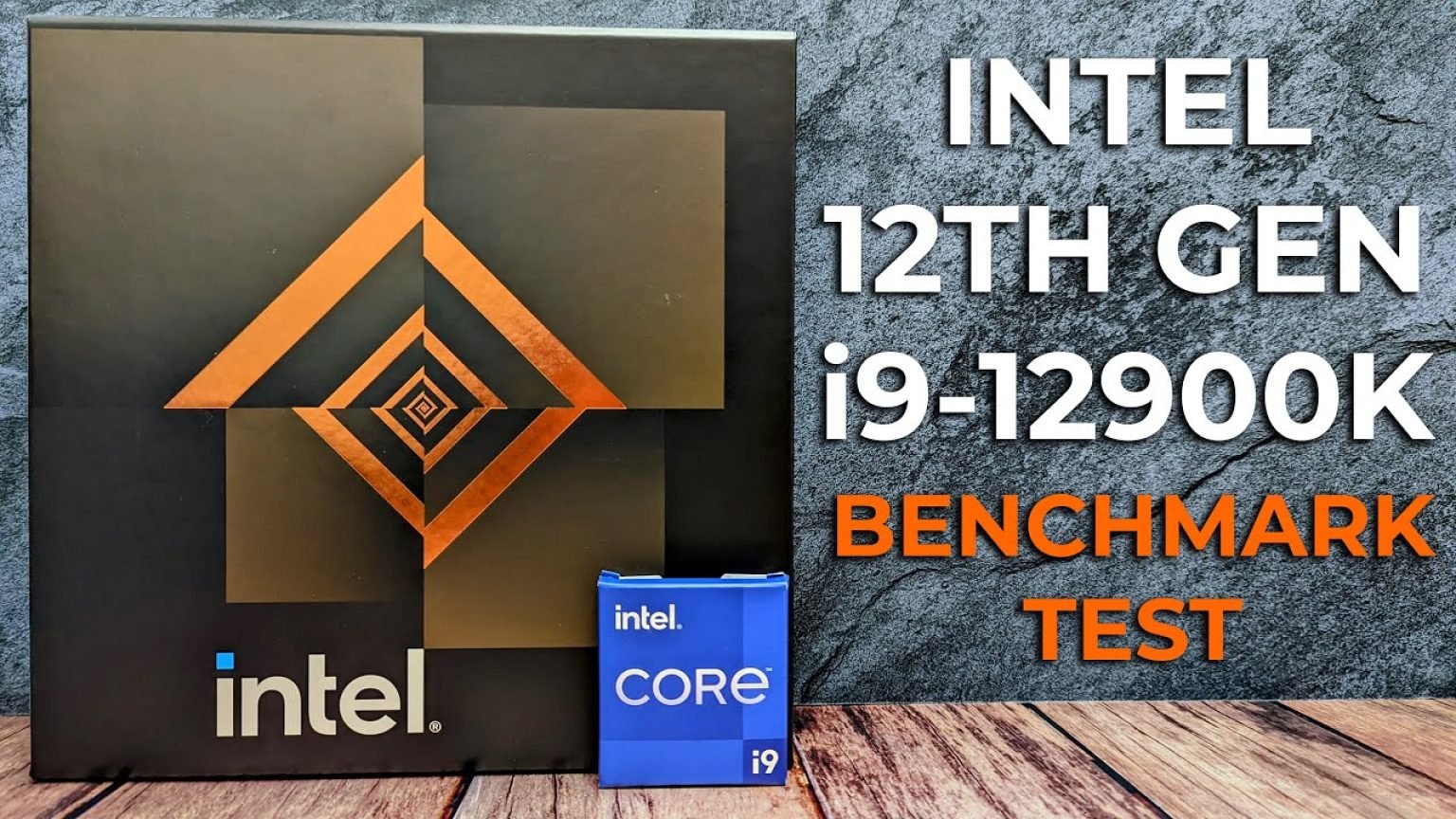
The desktop processor landscape underwent a seismic shift with the introduction of Intel’s hybrid architecture. For years, enthusiasts watched as core counts climbed and thermal densities pushed cooling solutions to their absolute limits. With the release of the flagship Intel Core i9-12900K processor, Team Blue redefined desktop performance by combining high-performance cores with efficient background cores on a single die. Backed by the LGA 1700 socket, Z690 chipset, and bleeding-edge support for PCIe 5.0 and DDR5 memory, this platform laid the groundwork for modern high-end desktop computing.
Editorial Note: Draft generated for technical review. Verify live vendor pricing and compatibility before publishing.
Architectural Breakdown and Platform Innovations
The Intel Core i9-12900K introduces a radical departure from traditional symmetric multi-core layouts. Built on the Intel 7 process node, Alder Lake utilizes a performance-hybrid architecture comprising Performance-cores (P-cores) designed for heavy single-threaded and gaming workloads, alongside Efficient-cores (E-cores) optimized for multi-threaded background tasks and sustained throughput. Hardware-level instruction scheduling is managed dynamically by Intel Thread Director, an embedded microcontroller baked directly into the silicon that communicates precise telemetry to the operating system.
Platform compatibility is equally forward-looking. Motherboards built around the Z690 Motherboard chipset open the door to next-generation hardware ecosystems. Users can pair their processors with ultra-fast DDR5 RAM, achieving massive bandwidth improvements over previous-generation memory standards, while retaining backward compatibility with DDR4 boards depending on the chosen motherboard variant. Furthermore, native support for PCIe 5.0 lanes ensures seamless integration with upcoming graphics cards and ultra-high-speed NVMe storage solutions.
| Component Name | Architecture/Platform | Memory Speed/Capacity | Thermal Output | Targeted Use Case |
|---|---|---|---|---|
| Intel Core i9-12900K | Alder Lake (Intel 7 / LGA 1700) | DDR5 up to 4800 MT/s / DDR4 up to 3200 MT/s | 125W Base / 241W Max Turbo | Extreme Gaming & Content Creation |
Performance and Thermal Dynamics
When subjected to rigorous benchmark testing, the Intel Core i9-12900K demonstrates dominant leadership across demanding AAA gaming titles and complex productivity suites. Single-threaded IPC gains are substantial, allowing the P-cores to breeze through latency-sensitive tasks. Meanwhile, multi-threaded render jobs and video encoding workflows benefit immensely from the auxiliary E-cores, preventing system stutter during heavy background operations.
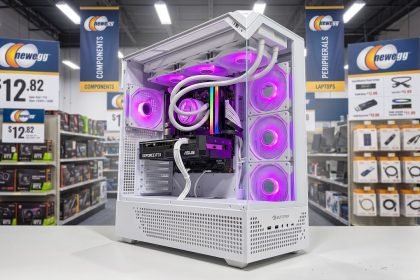
However, this raw compute capability demands serious thermal management. With a maximum turbo power draw reaching up to 241 watts, managing heat output is crucial to prevent thermal throttling. Enthusiasts and builders looking to extract maximum sustained performance should invest in a robust Liquid CPU Cooler featuring a 360mm radiator or equivalent high-end cooling solution. Detailed electrical and thermal specifications can be referenced directly through Intel’s Official Documentation.
Key Performance Metrics
- Exceptional high-refresh-rate gaming framerates driven by high IPC P-cores.
- Robust multi-core rendering capabilities utilizing hybrid thread scheduling.
- Substantial bandwidth gains when paired with high-frequency memory kits.
- Advanced connectivity options via PCIe 5.0 and high-speed USB interfaces.
Editor’s Takeaway: Who Should Buy?
The Intel Core i9-12900K remains a powerhouse component for hardcore gamers, professional content creators, and hardware enthusiasts who demand top-tier performance without compromise. While the initial platform entry cost involving Z690 motherboards and high-speed memory can be substantial, the generational leap in architecture justifies the investment.

Samsung and TSMC Fail to Impress Investors Hooked on AI Growth
Samsung Electronics earned a nearly ninefold rise in quarterly operating profit, and…

Critical Strike on Lutsk Substation Triggers Major Regional Power Outages in Ukraine
KYIV, VOLYN OBLAST — In an escalating campaign targeting Ukraine’s core energy…

Phantom Blade Zero: Complete Phantom Edges Tier List and Best Secondary Weapons Guide
Welcome to the ultimate mastery guide for Phantom Blade Zero! As Soul…

Rep. Meuser on Varney
As inflationary pressures continue to impact American households and businesses navigate a…

‘Not Just Boomers’: Gen Z Traders Hoodwinked in $8M AI-Generated Memecoin Rug Pull
TECH & CRYPTO | By Financial Tech Desk | Updated October 24,…

Hackers exploit unsecured MongoDB instances to wipe data and demand ransom
Over 1,400 exposed MongoDB servers have been hijacked and wiped by hackers,…
Pros
- Industry-leading single-core and multi-core processing power
- Innovative hybrid architecture with Intel Thread Director
- Early adoption of PCIe 5.0 and DDR5 memory standards
Cons
- Demands high-end cooling infrastructure to manage thermal load
- High total platform cost including motherboards and memory