
















[matched_content]
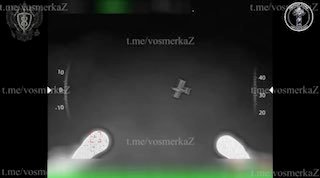
THEATER OF OPERATIONS: SOUTHERN FRONT / ZAPORIZHIA OBLAST
Automated Air Defense and Electronic Countermeasures in the Southern Sector
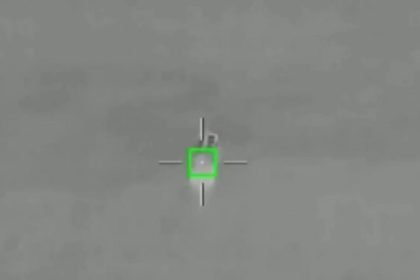
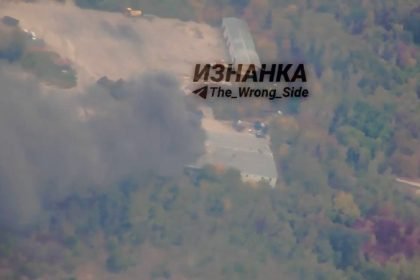
Recent operational developments along the southern line of contact highlight an ongoing tactical evolution in short-range air defense (SHORAD) and counter-unmanned aerial systems (C-UAS) operations. Field reports indicate an increased operational tempo involving automated and semi-automated anti-aircraft systems deployed by Russian forces to counter Ukrainian reconnaissance and strike drones operating at low and medium altitudes.
The integration of automated targeting systems reflects a broader doctrinal shift toward minimizing operator exposure while maximizing engagement speed against agile, low-radar-cross-section threats. Defense analysts observing the sector note that these deployments are increasingly utilized to protect frontline logistics hubs, command nodes, and artillery positions from persistent aerial reconnaissance and first-person-view (FPV) drone incursions.
TECHNICAL BRIEF: STRATEGIC INFRASTRUCTURE TARGETING & GEOGRAPHIC MAP
- Primary Entity / System: Automated Anti-Aircraft Artillery & C-UAS Integrated Platforms
- Type / Classification: Mobile Short-Range Air Defense (SHORAD) Systems
- Operating Parameters / Specs: Rapid-reaction radar tracking, optical-electronic targeting suites, programmed burst-fire lethality against small UAS
- Location & Coordinates Context: Zaporizhia Sector, Southern Operational Direction
- Key Assessment / Threat Status: High-density tactical air defense adaptation designed to counter asymmetric drone saturation tactics
Evolving Tactical Dynamics and C-UAS Integration
The deployment of automated gun systems aligns with findings published by defense research organizations regarding the proliferation of asymmetric aerial threats. According to updates monitored by the Institute for the Study of War, both combatants are rapidly iterating their air defense architectures to cope with high volumes of unmanned aerial vehicles. Traditional missile-based air defense systems are often economically unviable or mechanically ill-suited for engaging smaller tactical drones, prompting militaries to rely on cannon-based SHORAD and electronic warfare combinations.
Furthermore, updates from defense monitors such as Reuters conflict reporting emphasize that the electronic warfare environment across the southern axis remains intensely contested. Automated platforms frequently operate in conjunction with localized radio-frequency jamming networks to disrupt guidance links before kinetic engagement is required. This multi-layered defense model reduces ammunition expenditure and enhances survivability in high-threat zones.

DeepMind’s AI Solved a 50-Year Math Problem—And It’s Accelerating Future Game Engines
Google DeepMind’s AlphaTensor is an AI system designed to discover faster, more…

PHILADELPHIA POLICE WATCH: Video Released of Suspect in 9th District Burglary
The Philadelphia Police Department’s 9th District is asking for the public's help…

Rep. Meuser on Varney
As inflationary pressures continue to impact American households and businesses navigate a…

Beer Maker Leaders May Have Known About Price Cartel
Top management officials of some of the four major beer makers suspected…

Milwaukee Launched a New Wide Jaw Adjustable Wrench
Milwaukee expanded their adjustable wrench line with a new 6-inch wide jaw…

Critical Debate Showdown: Pa. Gov. Shapiro and GOP Challenger Face Off Before Election Day
PHILADELPHIA — With Election Day fast approaching, Pennsylvania voters tuned in for…
Strategic Implications for Frontline Logistics
Logistical Adaptation: The reliance on automated countermeasures underscores the critical necessity of shielding ground supply lines from persistent aerial observation. As reconnaissance drones increasingly direct precision artillery and loitering munitions, mobile SHORAD assets have become vital components of frontline force protection.
Future Outlook: Military planners anticipate that the mechanization of counter-drone defense will continue to accelerate. The integration of artificial intelligence for autonomous target acquisition and tracking represents the next frontier in tactical air defense development.
[tags]Zaporizhia, SHORAD, Counter UAS, Automated Air Defense, Electronic Warfare, Military Technology, Institute for the Study of War[/tags]
[image_alt]Automated anti-aircraft system deployed for counter-drone operations in the southern operational sector.[/image_alt]