








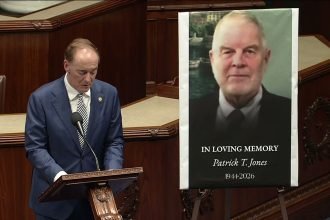



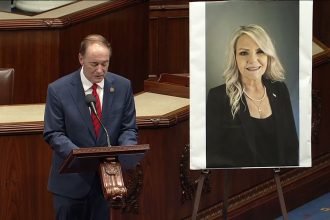


As debates over congressional ethics and public trust in government institutions continue to dominate Capitol Hill, momentum is building around legislative efforts to curb stock trading by federal lawmakers. In his weekly legislative update for the week of July 20, 2026, U.S. Representative Scott Perry addressed the pressing need for sweeping transparency reforms, focusing heavily on measures designed to prevent conflicts of interest among elected officials. The push for stricter rules highlights a bipartisan frustration with the perceived intersection of legislative privilege and private financial gain, bringing renewed attention to transparency bills moving through the committees of the U.S. House of Representatives.
The Push for the Stop Insider Trading Act
At the center of Representative Perry’s recent legislative update is the ongoing debate surrounding the Stop Insider Trading Act and related accountability measures. Lawmakers from multiple political backgrounds have increasingly argued that members of Congress possess access to non-public, market-moving information regarding national security, corporate bailouts, regulatory shifts, and economic policy long before the general public or traditional investors. This structural information advantage has fueled widespread public cynicism.
During his address, Perry emphasized that restoring faith in American democratic institutions requires holding lawmakers to the highest ethical standards. The proposed legislative frameworks generally aim to restrict members of Congress, their spouses, and dependent children from purchasing or selling individual stocks, bonds, and other corporate equities while serving in federal office. Proponents argue these restrictions are essential to ensuring that legislative votes are cast purely in the national interest rather than for personal portfolio enhancement.
Addressing Structural Conflicts of Interest in Congress
The conversation surrounding congressional stock trading extends far beyond individual ethics violations; it touches upon systemic vulnerabilities within the federal legislative process. Congressional committees frequently handle sensitive briefings from intelligence agencies, the Department of Defense, and financial regulators. When lawmakers sit on panels overseeing specific industries—such as banking, energy, or technology—the potential for overlapping legislative jurisdiction and personal financial holdings creates a glaring conflict of interest.
- Access to Privileged Information: Lawmakers routinely receive classified briefings and early drafts of regulatory legislation.
- Public Trust Deficit: Polling consistently shows overwhelming bipartisan voter support for banning congressional stock trading.
- Enforcement Mechanisms: Modern legislative proposals often incorporate automated tracking, severe financial penalties, and mandatory blind trusts for non-compliant officials.
Through these regulatory proposals, lawmakers hope to establish robust oversight that deters questionable financial transactions. To track the official status, sponsorship lists, and committee referrals of these proposals, citizens and researchers can monitor updates directly through Congress.gov.

The Ultimate Setup Guide: How to Play Tales of Eternia Remastered on Mobile
Welcome, heroes of Inferia and Celestia! If you are tracking down the…

Massive Darth Vader Episode II Premiere Secrets Finally Revealed After Years of Waiting
The anticipation surrounding independent and fan-made Star Wars projects has always been…

Kijiji, Calabaru, and Kangaroo vs. Panda
Anyone who thinks this is all the result of agreements and decisions…

Intel i5-12600K Benchmarked: Why This 12th Gen CPU Dominates 2021 Gaming Performance
For years, Intel's mainstream desktop strategy weathered heavy criticism as Zen-based competitors…

Affordable DDR5 Gaming PC Deal: Get the iBuypower Slate with Core i5 and RTX for Only $899
iBuypower Slate Gaming PC Drops to $899 at Best Buy Looking to…

Urgent Warning: Massive Train Disruptions Threaten Philly to NYC Commuters Today
PHILADELPHIA — For anyone planning a trip from the Delaware Valley up…
Broader Legislative Priorities and Accountability
Beyond financial integrity reform, Representative Perry’s weekly legislative briefing touched on broader themes of fiscal responsibility, government accountability, and constituent representation. As Congress navigates complex federal budgets and oversight hearings, fiscal conservatives continue to demand tighter reigns on federal spending and increased transparency across executive agencies. Perry highlighted the ongoing commitment to challenging federal overreach and ensuring that taxpayer dollars are managed with utmost stewardship.
The intersection of ethics reform and fiscal oversight remains a cornerstone of constituent engagement for many members of the House. As legislative debates progress through the remainder of the session, the pressure from both grassroots organizations and watchdog groups ensures that measures targeting congressional stock ownership will remain at the forefront of national political discourse.
[tags]Stop Insider Trading Act, Scott Perry, Congressional Ethics, House of Representatives, Government Accountability, Legislative Update, Financial Transparency[/tags]