













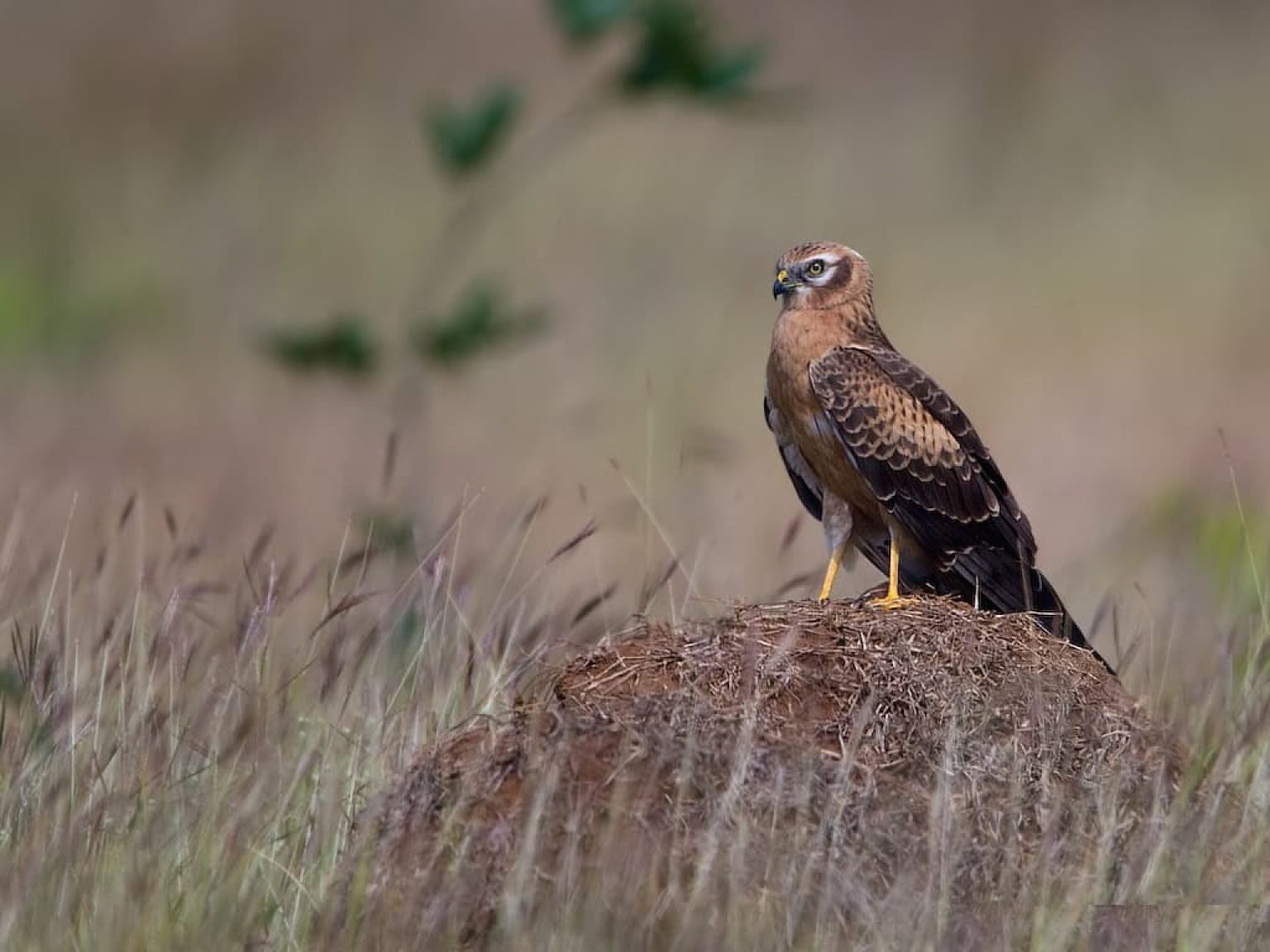
Take six chicks, two different nests, and two females, and add one very active (and very promiscuous) male; and, apparently, that’s a winning recipe for the Montagu’s harrier in the UK.
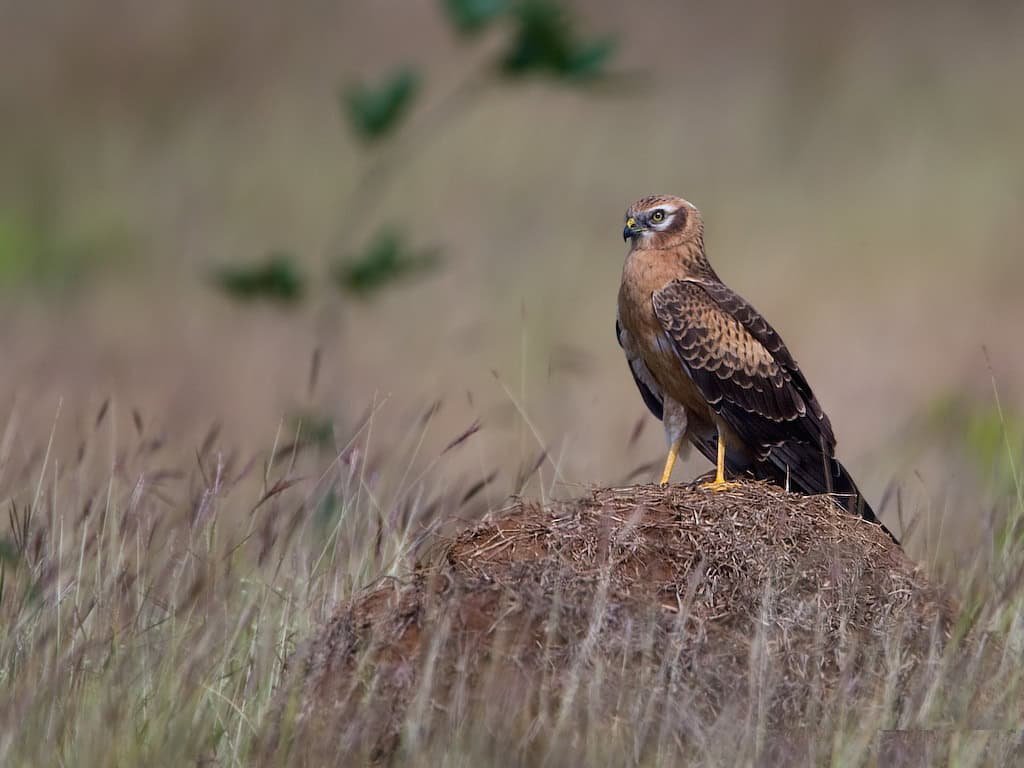
The male is called AU (like the chemical symbol for gold). He appears to be the only adult male Montagu’s harrier breeding in the UK, but he’s doing his best to keep the species going. In 2026 alone, he fathered six chicks with two females at nests just a kilometre apart. Since he first bred in 2018, AU has raised at least 16 young. For a bird that recently disappeared entirely in Britain, that’s quite the achievement.
In fact, the species’ survival in the country could depend entirely on AU.
Britain came close to losing this bird
Montagu’s harriers are slender birds of prey. Males are mostly pale grey with black wing markings, females are brown and barred. Instead of soaring high like many raptors, they often sweep low over open countryside with a light, almost floating flight.
“Montagu’s Harriers are the aristocrats of the bird world,” says Mark Thomas, who has worked as the Royal Society for the Protection of Birds (RSPB) Montagu’s Harrier species lead for the past twenty years. “They are calm, graceful, and precise in their behaviour. Everything they do is completely calculated, and that includes where they choose to breed.”
They also migrate. Every spring, some make the long journey north from sub-Saharan Africa to breed in Europe. Montagu’s harriers aren’t on the brink of global extinction, but in the UK, their population has always been small, as the country sits at the northwestern edge of their breeding range.
But small became dangerously small.
Hermit crabs and cockroaches are acting as gardeners for a parasitic plant
Hermit crab. Image via Wiki Commons. In the humid, coastal forests of…

Best Gaming PCs 2026: Tested & Benchmarked Hardware Value and Performance Specs
Best Gaming PCs 2026: Tested Hardware & Prebuilt Buying Guide Gaming PCs…

BREAKING NEWS: Josh Shapiro’s Administration Rocked by Explosive Harassment Allegations and Deletion of Public Records
HARRISBURG, PA — Pennsylvania Governor Josh Shapiro is facing intense political scrutiny…

Rep. Meuser on NEWSLINE
As Capitol Hill navigates a dense legislative calendar and mounting economic pressures,…
Dr. Joyce Demands Crucial Solutions to Overhaul Modernizing Drinking Water Fund
As communities across the United States grapple with aging municipal infrastructure and…

Urgent Breakthrough: Police Arrest Two Persons of Interest in Philadelphia Armed Robberies
PHILADELPHIA — Law enforcement officials in the Philadelphia region have taken two…
Around the 1950s, Britain had around 30 breeding pairs. The numbers crashed, recovered, and crashed again. By the late 2000s, there were no more than 10 pairs; by 2019, just one pair bred. In 2020, for the first time since 1975, not a single confirmed breeding pair remained. There were no confirmed pairs again in 2021, 2022 or 2023.
That’s when AU returned.
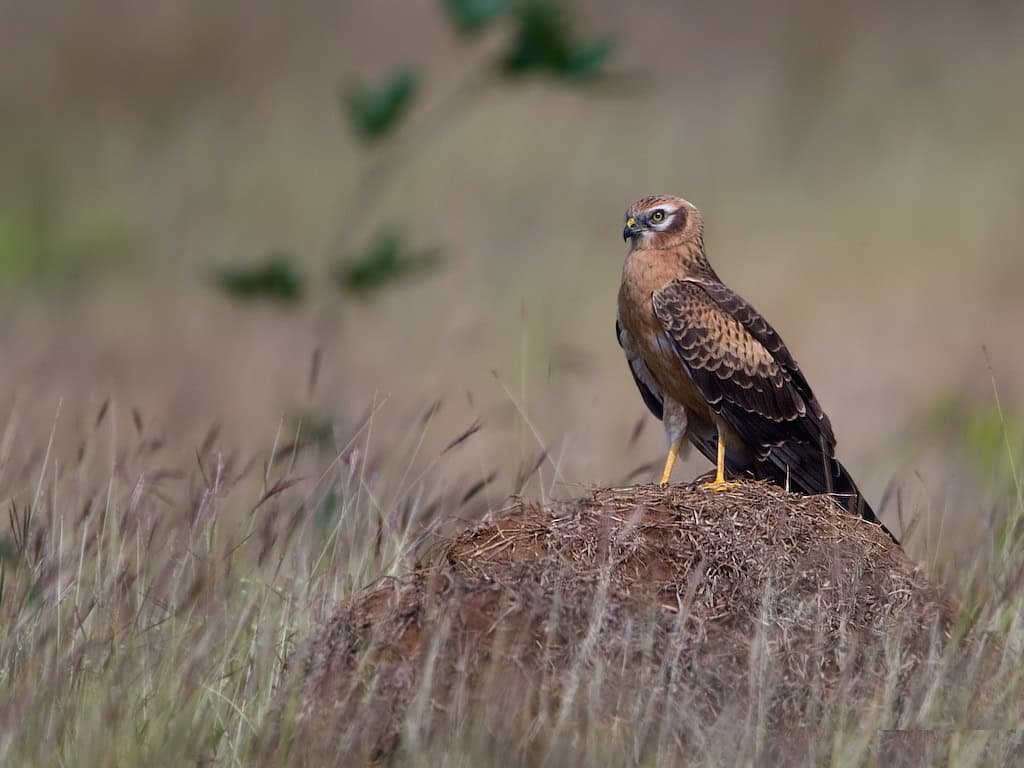
He had hatched in southern England in 2016 and received the colour ring that would later allow conservationists to recognize him. By 2025, he had paired with a female that was ringed in France. Together they raised four chicks at a secret site in England — Britain’s first successful Montagu’s harrier nest since 2019.
The following spring, conservationists watched the site closely, and AU appeared again. This time, he had company. He managed to woo not one, but two females.
The females established nests roughly one kilometre apart, each rearing three chicks fathered by AU.
“We had no idea a chick we ringed ten years ago would single-handedly prop up the species,” added Thomas.
A farmer helped
Despite being so prolific, AU didn’t do it all alone.
Montagu’s harriers have an awkward habit for birds living in modern Europe: they frequently build their nests directly on the ground in agricultural fields. Winter cereals can resemble the tall grasslands in which harriers historically nested. The problem comes when the crop is ready before the chicks can fly.
Research from France, based on thousands of Montagu’s harrier nests, has shown just how important human intervention can be. Nests in cultivated fields suffer heavily from harvesting unless people protect them. Simply leaving crops standing around a nest may not be enough either, because the exposed patch can attract predators. Small protective fences can guard chicks against both farm machinery and animals.
That is effectively what happened in Britain.
A farmer was willing to leave a patch of barley standing around the birds, giving AU time to grow up. The RSPB kept this location secret to protect it from disturbance.
So, is the population coming back?
Although scientists have studied adult Montagu’s harrier birds extensively, they know far less about what happens to juveniles. It’s not clear whether AU’s offspring (even if they survive) will return and settle in Britain.
A bird has to survive Africa. It has to migrate thousands of miles north and then find another member of an extremely sparse British population. The pair must choose a nest site that conservationists can locate. Farmers then need to protect the crop around it long enough for the chicks to fly. And after all that, the young birds must survive the journey back to Africa.
But the RSPB is optimistic.
AU and his French mate produced four young in 2025. By the following summer, three of those birds had already been seen back in Britain.
That’s great news, because a population can’t depend indefinitely on one male. Even an exceptionally successful bird needs a bit of help. For the British population to recover, AU’s offspring (and potentially, birds arriving from continental Europe) must survive, return and breed themselves.
For now, however, the country’s rarest breeding bird has six new juveniles in the air, three older offspring already finding their way home, and one remarkable father at the center of it all.