














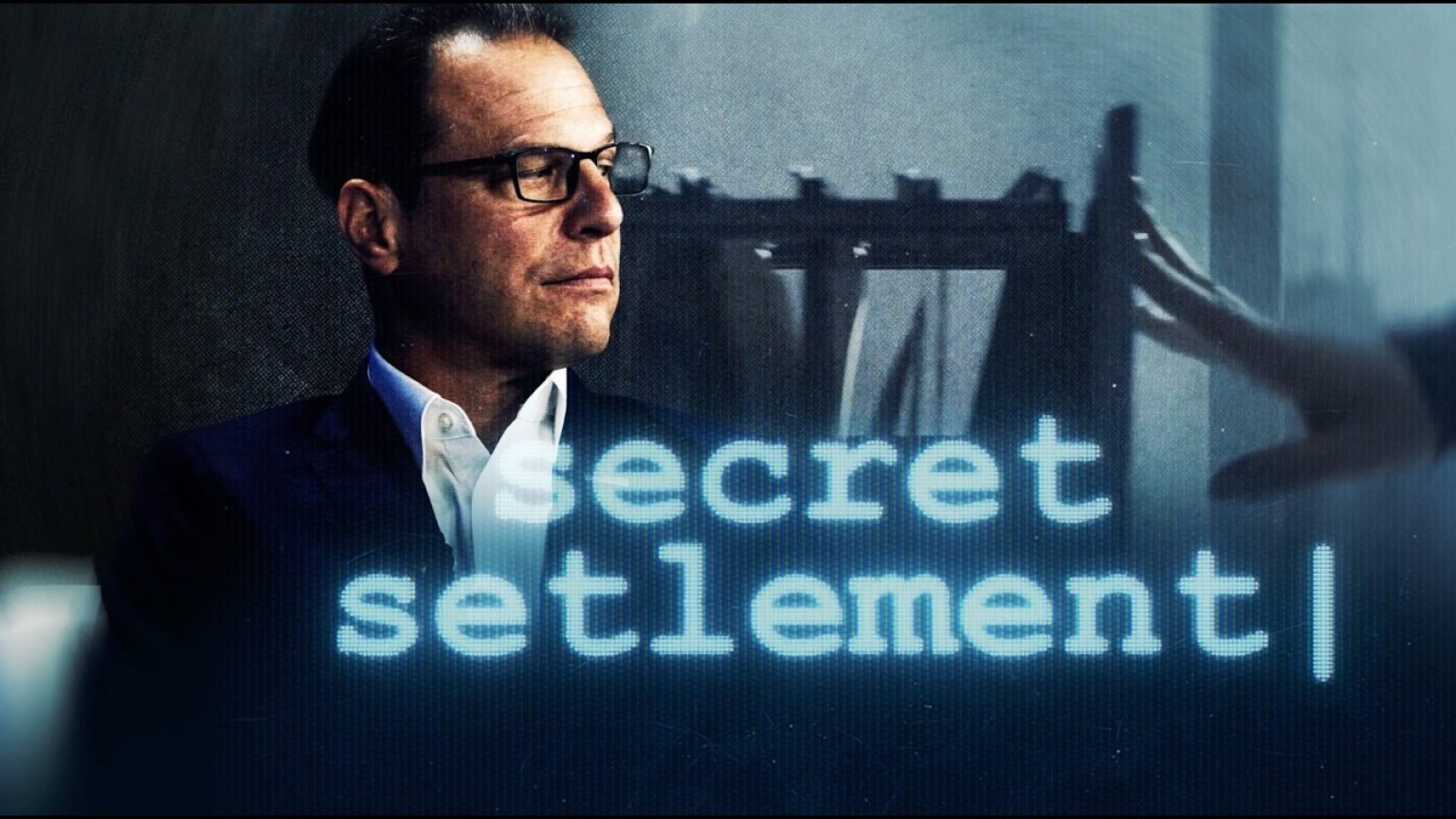
HARRISBURG, PA — Pennsylvania Governor Josh Shapiro is facing intense political scrutiny following reports surrounding his administration’s handling of a high-profile sexual harassment complaint, alleged record deletion, and multi-million dollar campaign contributions from controversial figures.

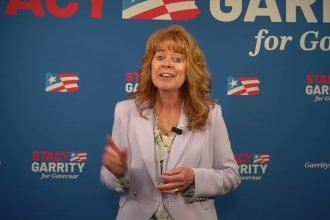
State advocacy groups and political observers—including prominent supporters of Stacy and clean governance initiatives—are raising serious questions regarding transparency, administrative ethics, and public accountability in state government.
The Harassment Allegations and Settlement Transparency
The controversy stems from allegations of sexual harassment involving a former senior staff member within the Governor’s administration. According to reports published by The Philadelphia Inquirer and ABC News, the administration moved to settle the matter confidentially using state resources, drawing criticism from government watchdog organizations and political rivals.
Key elements of the ongoing reporting include:
- Confidential Settlement Agreements: Reports indicate that a non-disclosure agreement (NDA) and financial settlement were utilized to resolve the harassment claim internally before the details were disclosed to the public.
- Public Records Management: ABC News and local outlets reported that certain emails and digital records pertaining to the case were deleted or rendered inaccessible under public records requests, leading to accusations of a deliberate cover-up.
- National Media Scrutiny: The New York Times highlighted that prominent women’s rights organizations and ethics groups have voiced deep concerns over how the complaint was managed, questioning whether standard HR procedures were circumvented.
Controversial Campaign Financing Sparks Ethical Questions
Adding further fuel to the political debate, recent government financial disclosures reveal that political action committees supporting Shapiro received over $2 million in contributions from Silicon Valley billionaire Reid Hoffman.
Hoffman’s past financial ties and documented visits to Jeffrey Epstein’s private island have drawn severe backlash across the political spectrum. Critics, including advocates for ethical reform and supporters of Stacy’s campaign, have publicly called on Shapiro to return the funds. To date, the administration has declined to return or reallocate the contributions, prompting further debate over donor vetting and campaign ethics.

Drones Hit Two Ships Within Bulgaria's Economic Zone, Sinking One, Crew Missing
Escalation in the Black Sea has now become a daily occurrence in…

U.S. Northern Command Positions F-35As at the Core of an Evolving Arctic Defense Posture
U.S. Northern Command Positions F-35As at the Core of an Evolving Arctic…

Religious Roots, Legislation, and Public Debate: PA Senator Doug Mastriano’s Post Sparks Viral Online Conversation
POLITICS & SOCIETY | By National Desk | Updated October 24, 2026…

Monster Hunter Outlanders Buddy Guide: Essential Palico, Rutaco, and Trillan Team-Building Tips
Comprehensive Monster Hunter Outlanders Buddy guide detailing types, upgrades, and team strategies…
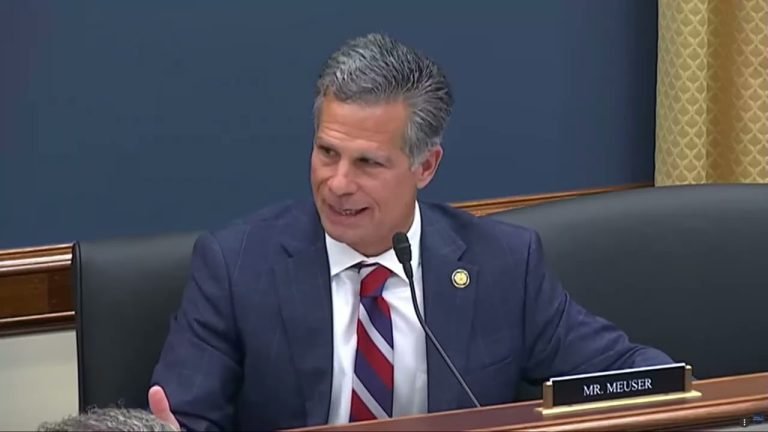
Rep. Meuser – Small Business Committee Hearing
As lawmakers on Capitol Hill continue to grapple with the economic pressures…
Ethical Standards in Public Office
Supporters of Stacy have leveraged the developments to contrast her platform on government transparency and workplace safety with the recent headlines surrounding the Governor’s office.
“Accountability in public office isn’t optional,” said a spokesperson aligned with the Stacy campaign. “When government officials handle serious workplace misconduct behind closed doors and refuse to answer basic questions about controversial donor money, it erodes public trust. Pennsylvanians deserve leadership that prioritizes transparency, protects public employees, and rejects money tied to dubious ethics.”