
















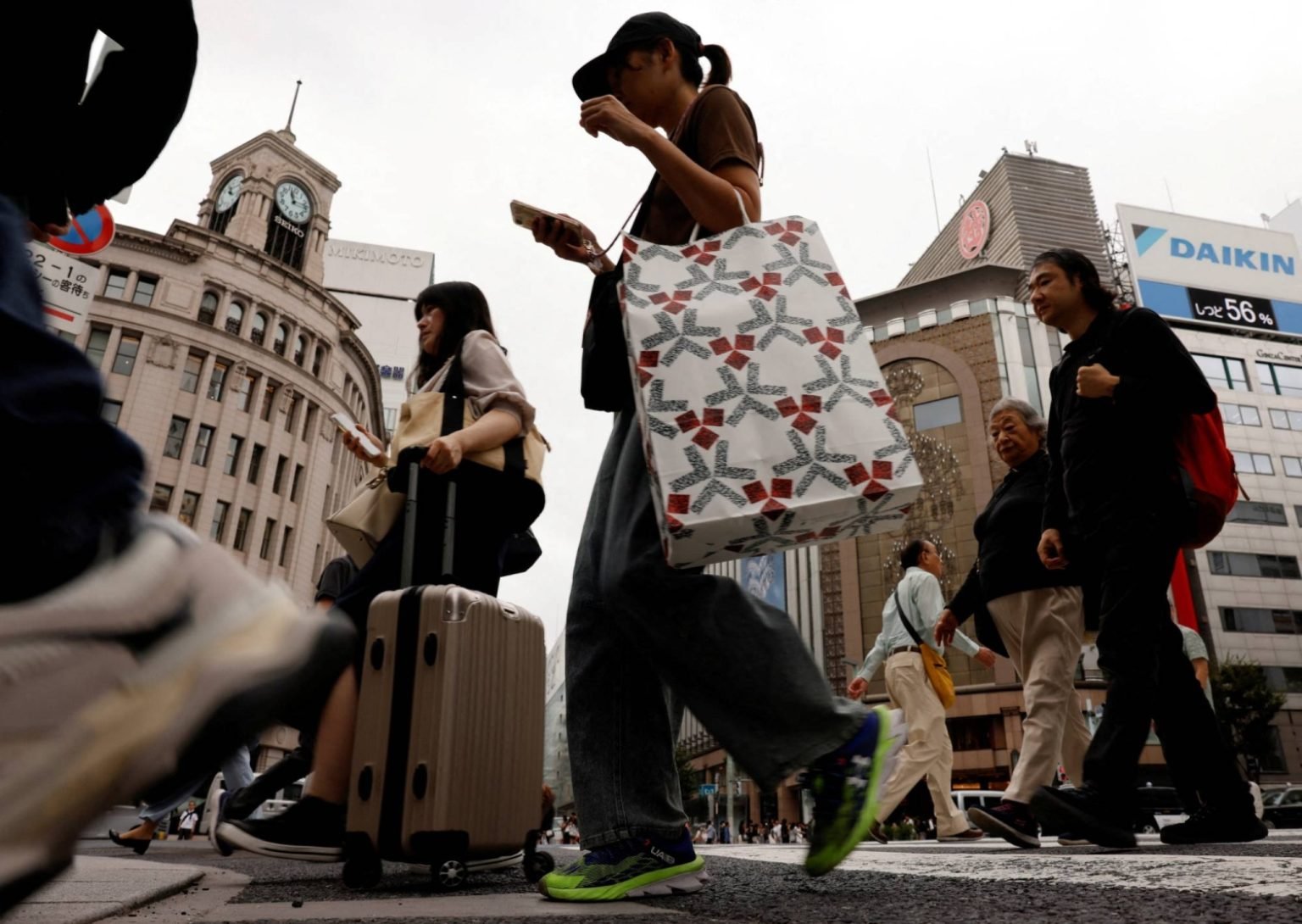
Japan’s household spending fell for a ninth month even as wages continued to climb, showing consumers remain cautious as persistent inflation squeezes purchasing power.
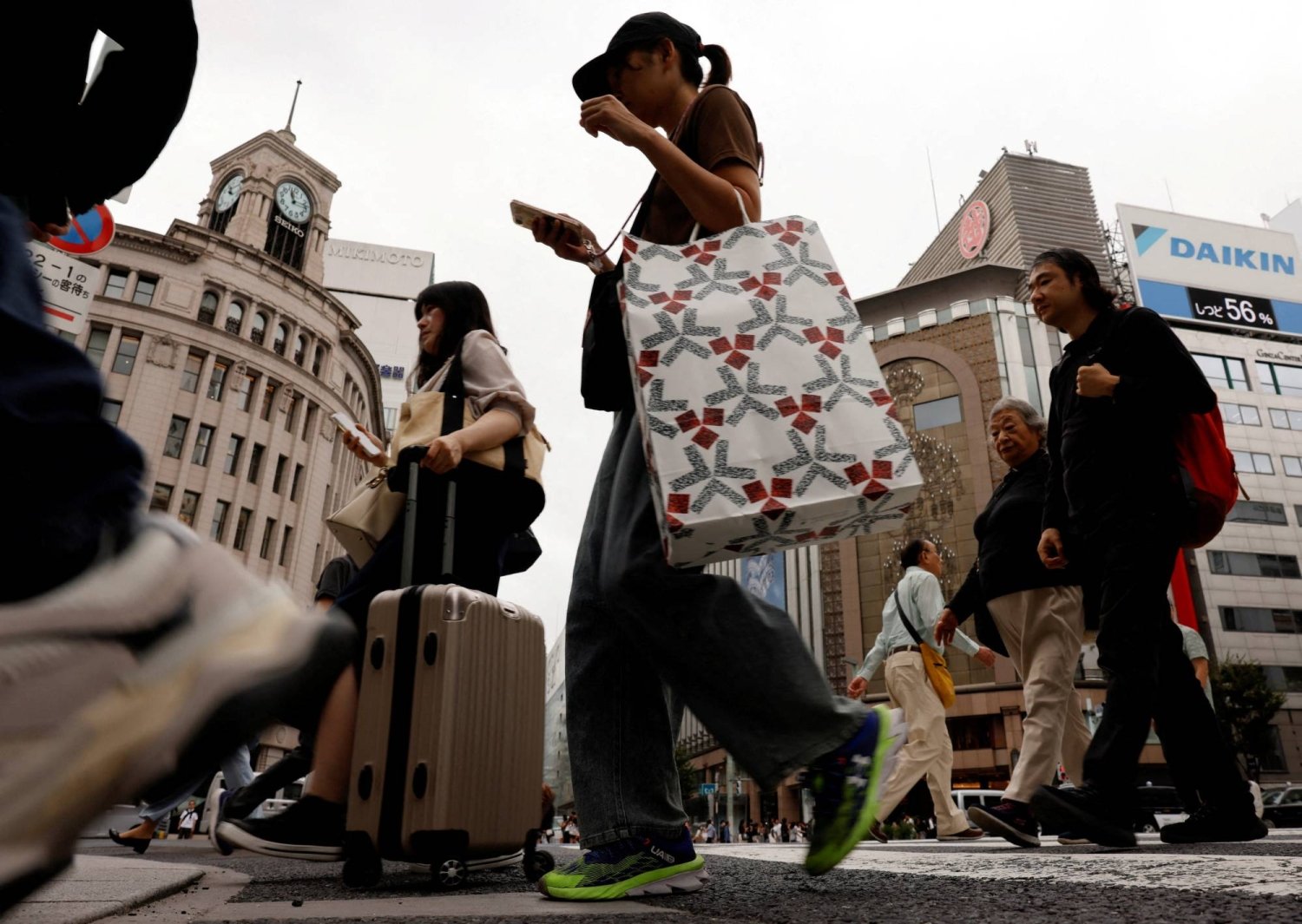
Outlays by households adjusted for inflation declined 3.1% in August from a year earlier, the internal affairs ministry reported Friday. Economists had forecast a 3.6% drop. Spending rose 0.1% from the previous month on a seasonally adjusted basis.
The latest evidence of fragile spending complicates the Bank of Japan’s communications as authorities stay on track for further interest rate hikes. Real wages, adjusted for inflation, have risen every month this year, but that hasn’t translated into stronger consumer demand. A growing number of pensioners in the aging nation doesn’t benefit from wage growth.
“Government measures have kept a lid on inflation to a certain extent, but everyone can feel firsthand that food prices are rising in their daily shopping, so I think there’s a deep-seated sense that high prices are continuing,” said Harumi Taguchi, principal economist at S&P Global Market Intelligence. “Even though wages are rising, the number of retirees is increasing, too, and they do not benefit from wage increases.”
BOJ Gov. Kazuo Ueda has repeatedly warned about upside risks for inflation, and many market participants are betting that the BOJ will raise the benchmark interest rate again by the end of the year. Friday’s data indicate that inflation and domestic demand aren’t rising hand in hand. Raising interest rates too fast or too high could weigh on the economy.
Slumping outlays on education and entertainment, food, home maintenance and rents and utilities led the overall index lower. The only component of the index that didn’t decline was transportation and communications, as spending related to cars edged higher.
Dr. Joyce Slams Retiring Official in Major House Floor Tribute and Farewell Address
As life on Capitol Hill frequently revolves around high-stakes legislative battles, bitter…

RTX 5070 Gaming PC Deal: Save $500 on This High-End Rig Under $1,800
Save $500 on This 1440p Gaming PC Featuring an RTX 5070 —…

Monster Hunter Outlanders Buddy Guide: Essential Palico, Rutaco, and Trillan Team-Building Tips
Comprehensive Monster Hunter Outlanders Buddy guide detailing types, upgrades, and team strategies…

PHILADELPHIA POLICE WATCH: Armed Suspect Targeted 35th District Business in Caught-on-Camera Robbery Attempt
PHILADELPHIA — Police in Northwest Philadelphia are searching for an armed suspect…

The Ultimate Deadlock Deadman Danny Guide: Best Builds and Pro Strategies
Comprehensive Deadlock Deadman Danny strategy guide featuring stats, builds, and aerial combat…

They took it apart piece by piece, so there was a reason
Following a series of reports about what the modernized Yak-130M will look…
The drop in outlays for education and the 5.2% year-on-year decline in spending on utilities reflect the impact of subsidies and other steps rolled out by Prime Minister Sanae Takaichi as part of her campaign to rein in the cost of living.
The premier is also set to cut the sales tax on food to 1% from the current 8% starting in April in a bid to further help households with inflation. She has pledged to return the tax rate to the original level after two years.
“As for the sales tax cut, I don’t think it will have much of an effect. Rather than boosting consumption, I believe it will merely put a floor under it,” Taguchi said.