









![Wanted: Suspects for Commercial Burglary in the 12th District [VIDEO]](https://thephillypi.com/wp-content/uploads/2026/09/Wanted-Suspects-for-Commercial-Burglary-in-the-12th-District-VIDEO-330x220.jpg)


![Wanted: Suspect for Assault in the 9th District [VIDEO]](https://thephillypi.com/wp-content/uploads/2026/09/Wanted-Suspect-for-Assault-in-the-9th-District-VIDEO-330x220.jpg)


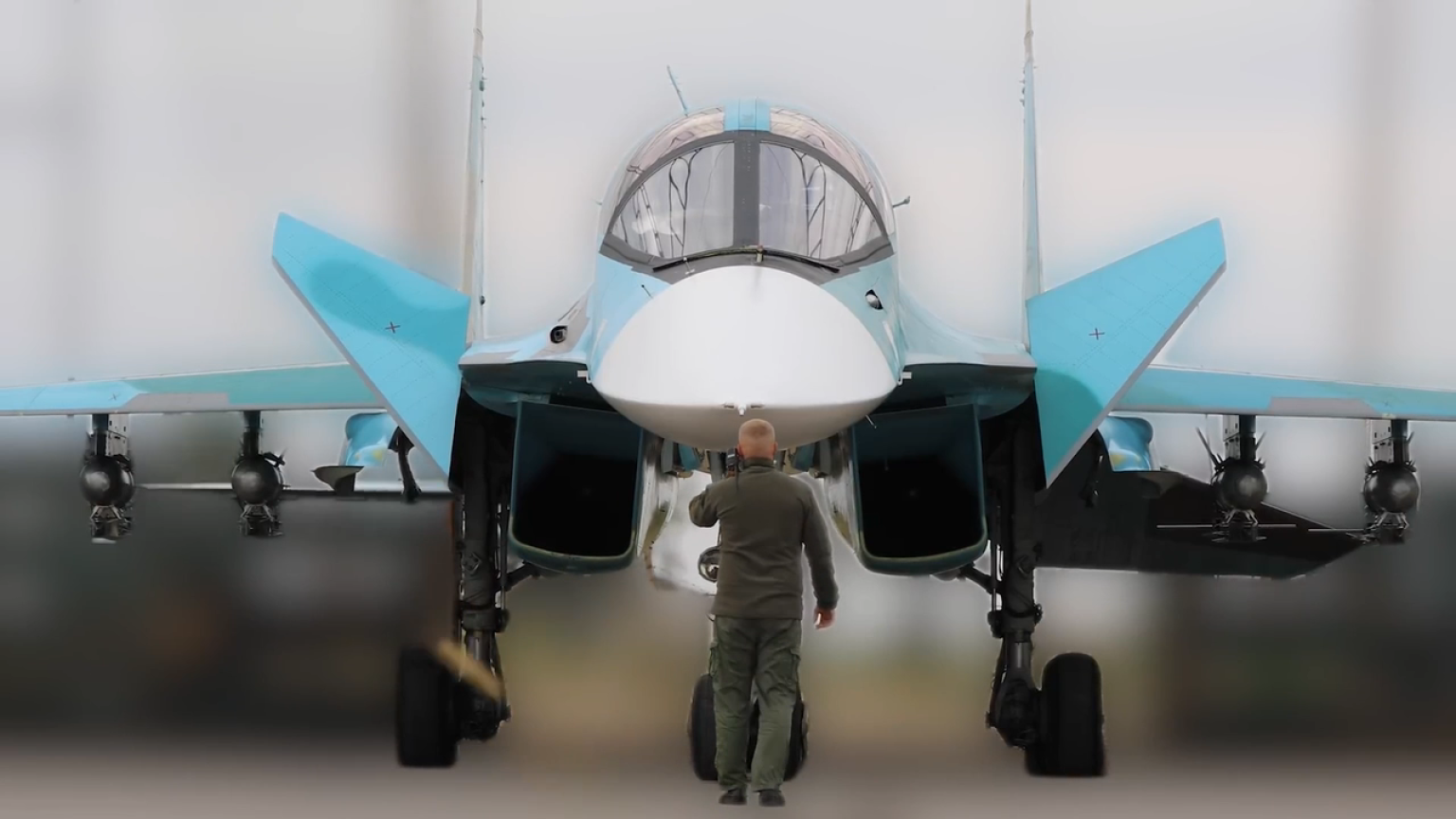
MOSCOW — Recent footage released from the frontlines highlights the ongoing combat operations of Russian Aerospace Forces (VKS) utilizing Su-34 fighter-bombers within the active conflict zone. The visual documentation underscores the continuous tactical deployment of heavy aviation assets to deliver guided ordnance against fortified enemy positions.
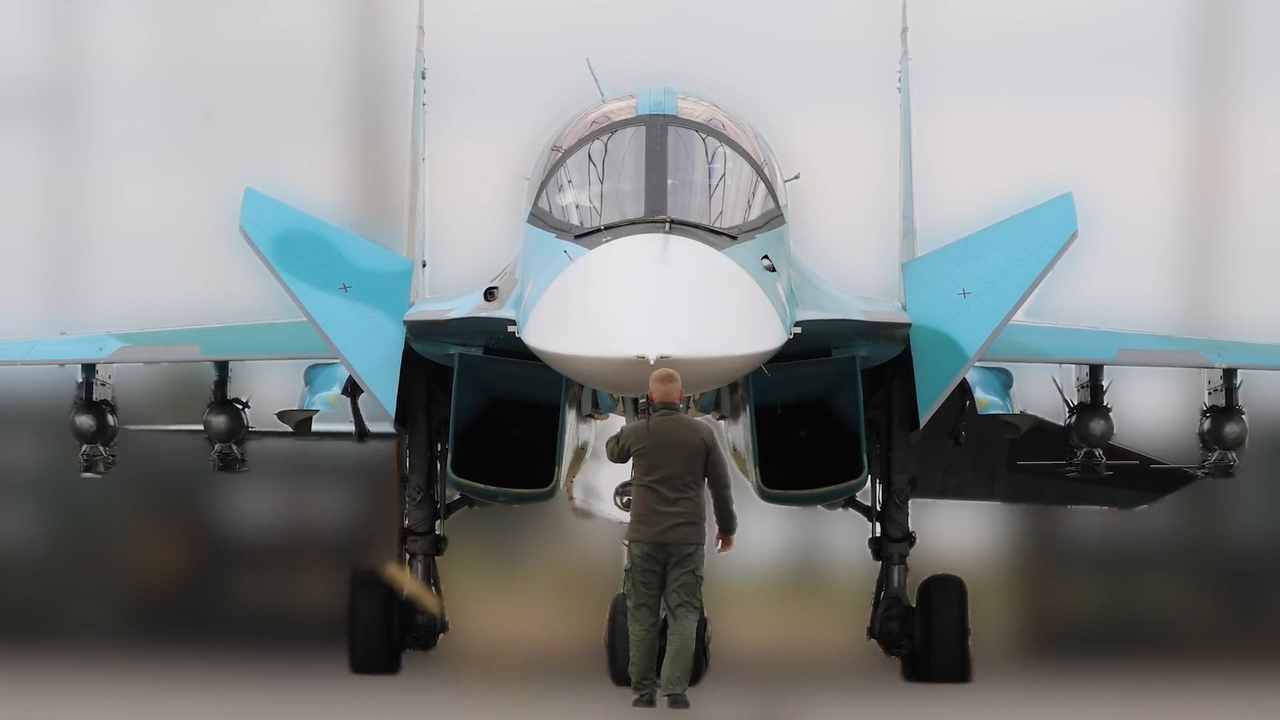
Key Development: Defense briefings indicate that tactical aviation missions remain a central component of ongoing military operations in the region. Military analysts continue to monitor these developments closely as air-to-surface engagements shape the ground reality of the protracted conflict.
Tactical Aviation and the Su-34 Fighter-Bomber Role
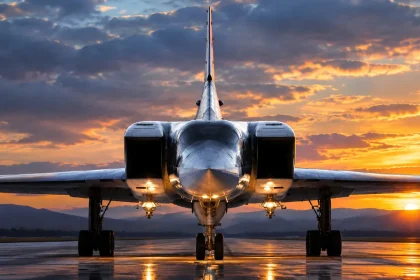
The Sukhoi Su-34, designated by NATO as the “Fullback,” serves as a primary tactical strike platform for the Russian Aerospace Forces. Designed for all-weather, day-and-night operations, the twin-engine supersonic medium-range fighter-bomber is engineered to penetrate contested airspace and deliver precision-guided munitions.
Military aviation experts note that the aircraft’s heavy payload capacity allows it to carry a diverse array of conventional and specialized ordnance. This capability makes it a versatile tool for close air support and strategic interdiction missions across challenging operational theaters.
Strategic Deployment: Operations involving the Su-34 typically require heavily coordinated efforts between ground command structures, reconnaissance units, and electronic warfare assets. Such synchronization is vital for neutralizing integrated air defense systems and securing tactical dominance over targeted grid sectors.

Congressman Dan Meuser on Volpe
As lawmakers on Capitol Hill continue to navigate complex legislative battles over…

Phillies name breakout shortstop prospect, current rookie reliever Paul Owens Award winners as minor-league players of year
Alex McFarlane will receive the Paul Owens Award. (Courtesy of the Reading…

Musk returned to Trump’s team to develop «the weapons of the future» for the United States
Elon Musk returns to Donald Trump's team, the head of SpaceX will…

U.S. CISA adds SolarWinds Web Help Desk, Sangoma FreePBX, and GitLab flaws to its Known Exploited Vulnerabilities catalog
U.S. Cybersecurity and Infrastructure Security Agency (CISA) adds SolarWinds Web Help Desk,…
China backs Cuba after Trump says island ‘will fall’
Beijing has vowed to support Havana against external interference after the US…
When the Gallic cock really pecked
Well, that's it, really. The finish line, which is also the start.…
Operational Dynamics in the Conflict Zone
Combat sorties involving tactical bomber crews often entail low-altitude approaches followed by rapid pull-ups to release glide bombs or tactical missiles. These maneuvers are designed to minimize exposure to short-range air defense systems while maximizing standoff engagement distances.
International observers tracking the conflict emphasize that air power has played a critical role for both sides in establishing defensive perimeters and attempting to break operational stalemates. The ongoing utilization of advanced combat aircraft highlights the high attrition rate of military hardware and the persistent intensity of aerial engagements.
EXECUTIVE SUMMARY: Key takeaways, location details, and core facts from the briefing.
- Asset Deployed: Russian VKS Su-34 fighter-bombers actively participating in front-line combat missions.
- Operational Focus: Precision-guided strikes targeting fortified positions and tactical infrastructure within the conflict zone.
- Strategic Context: Continued reliance on heavy tactical aviation to support ground maneuver elements amidst an ongoing war of attrition.
Broader Implications and Regional Security Concerns
The persistent use of sophisticated combat aviation assets underscores the technologically intensive nature of modern high-intensity warfare. Defense economists and aerospace analysts point out that sustaining high operational tempos places immense strain on maintenance logistics, avionics supply chains, and pilot retention.
Diplomatic efforts led by international bodies, including the United Nations, continue to urge restraint and a negotiated political settlement to de-escalate hostilities. However, battlefield updates demonstrate that military campaigns on both fronts remain fully active, with aviation components continuing to execute high-stakes combat sorties on a daily basis.
As international stakeholders evaluate the long-term trajectory of the crisis, the role of tactical air power will remain a focal point of strategic assessments. Future developments are expected to depend heavily on the evolution of air defense capabilities and the replenishment rates of advanced munitions.