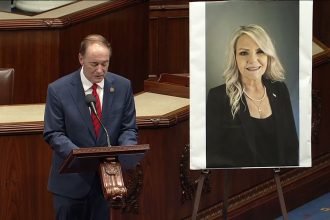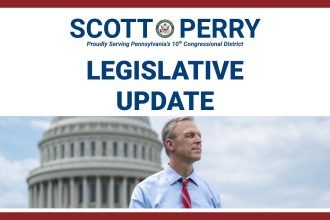














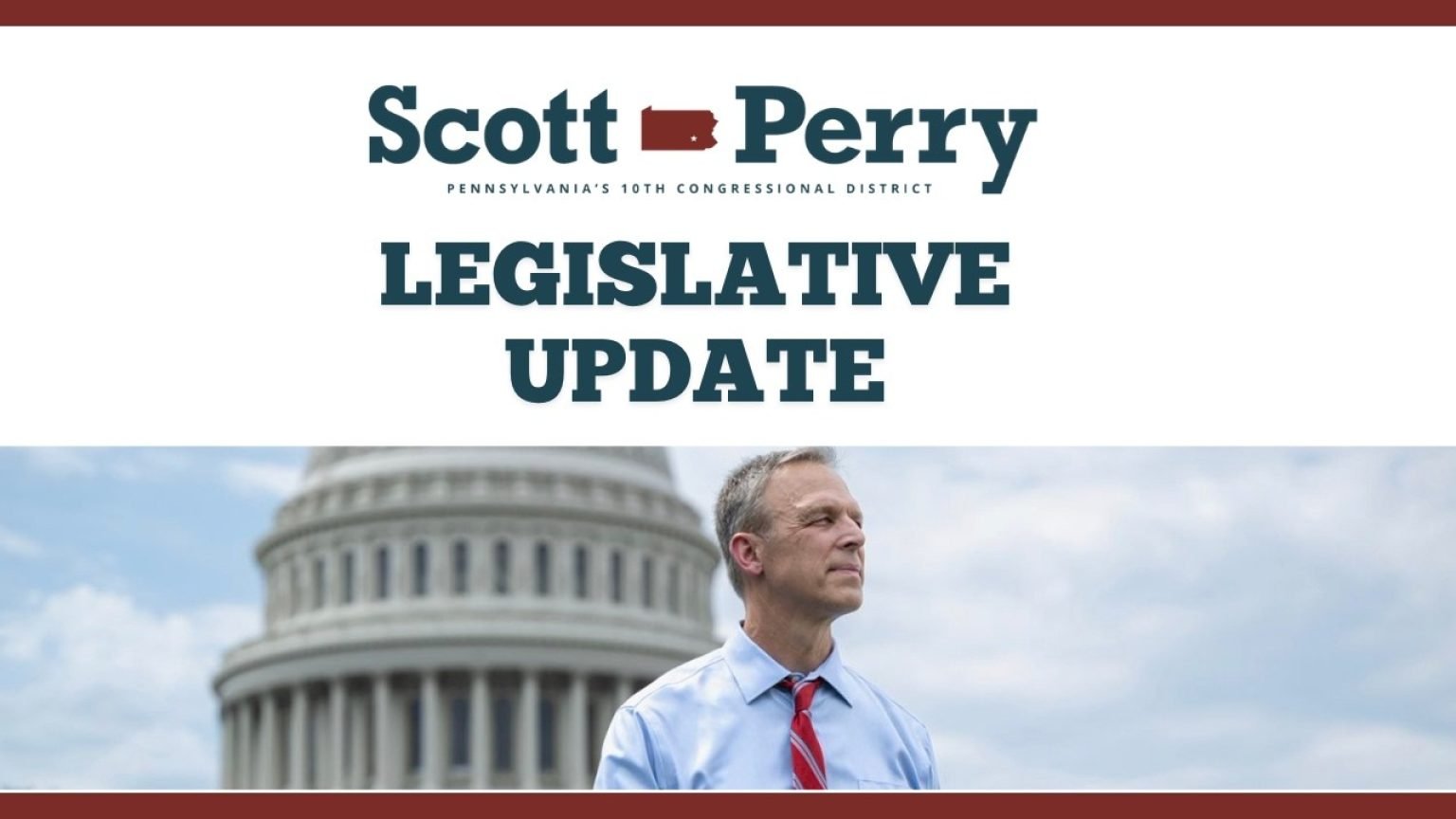
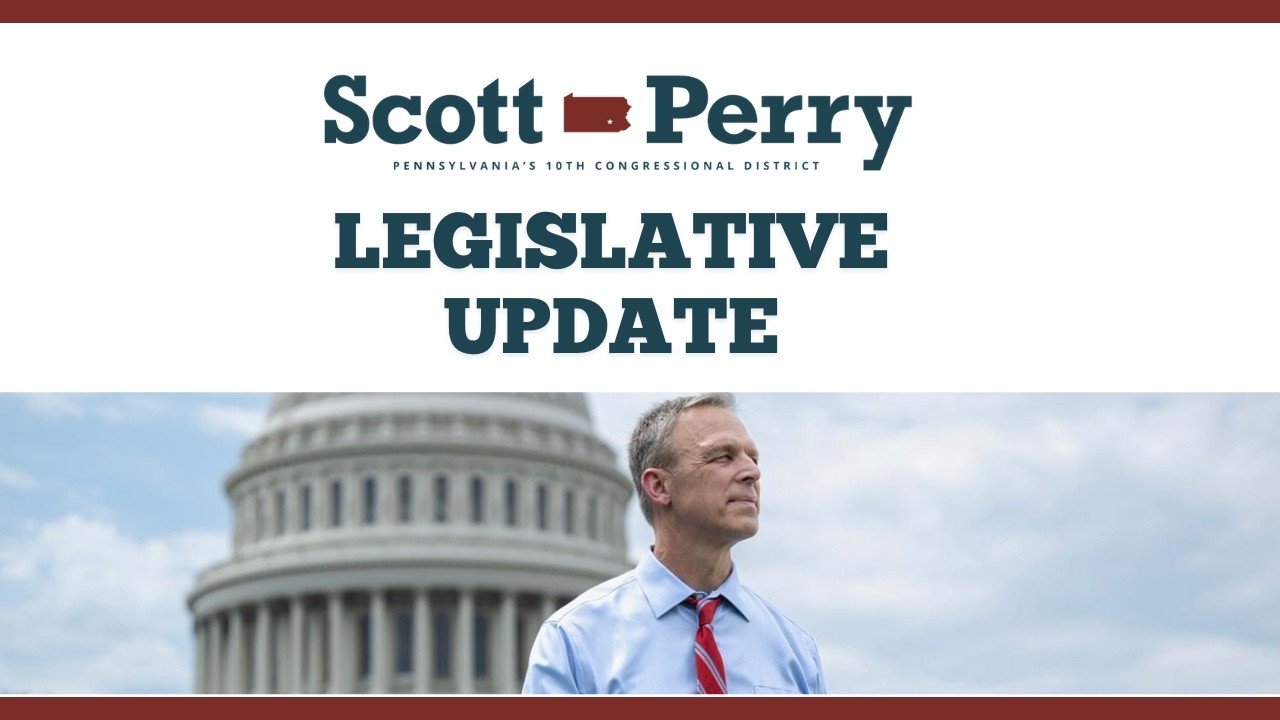
As Capitol Hill navigates a packed legislative calendar, lawmakers continue to introduce targeted measures addressing national security, infrastructure, and federal oversight. In his legislative update for the week of May 18, 2026, Pennsylvania Representative Scott Perry introduced a notable piece of legislation aimed at reshaping domestic policy and federal accountability: the SURFACE Act. As congressional committees advance various domestic and foreign policy initiatives, lawmakers are increasingly turning their attention toward streamlining government operations and safeguarding critical infrastructure.
Unveiling the SURFACE Act: Core Objectives and Legislative Intent
During his weekly address, the central focus of the Pennsylvania lawmaker’s update was the formal introduction of the SURFACE Act. While specific text details and committee referrals continue to make their way through the official legislative pipelines tracked on Congress.gov, the measure is designed to address pressing regulatory and structural concerns. Representative Perry emphasized that the legislation represents a direct response to constituent feedback and ongoing debates regarding federal overreach and modernization.
The Congressman outlined how the bill fits into a broader legislative strategy aimed at fiscal responsibility and transparency. By targeting inefficiencies within federal agencies, the initiative seeks to establish stricter oversight mechanisms. Observers of the House of Representatives note that bills focusing on structural reform often spark intense debate across party lines, particularly regarding how federal authority intersects with state and local jurisdiction.
Congressional Committee Context and Policy Implications
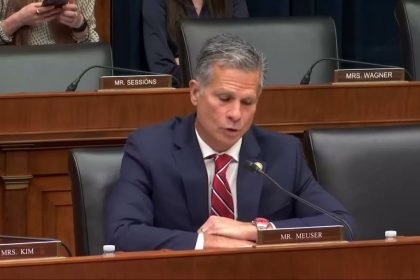
The introduction of the SURFACE Act comes at a time when House committees are actively weighing numerous proposals touching on administrative law, resource management, and regulatory compliance. Congressional proceedings require coordinated efforts across multiple panels, where members debate the long-term economic and security implications of proposed laws.
Policy analysts suggest that measures like the one advanced by Representative Perry are indicative of a broader legislative push within the House to reassess federal priorities. Key elements typically evaluated during committee hearings include:

Stacy Garrity Slams Josh Shapiro’s Economic Policies At Wilkes-Barre Trump Rally
As the political landscape in the Keystone State intensifies ahead of upcoming…

The Neoconservative Echo: Inside the World of Marc Thiessen
From Bush-era speechwriter to Fox News fixture, a look into one of…
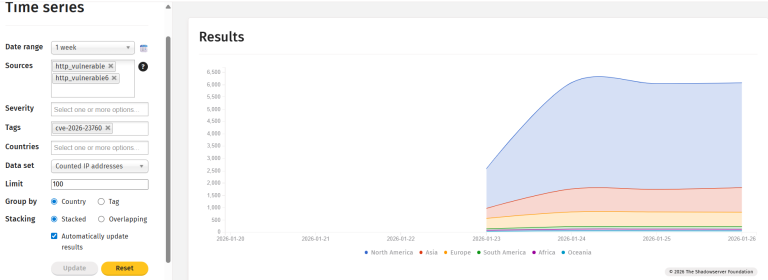
Shadowserver finds 6,000+ likely vulnerable SmarterMail servers exposed online
Shadowserver researchers found 6,000+ SmarterMail servers exposed online and likely vulnerable to…

Ransomware attack on Ingram Micro impacts 42,000 individuals
Ingram Micro says a ransomware attack exposed personal data of about 42,000…

Stacy Garrity Exposes Josh Shapiro and Demands Major Changes to PA Budget
HARRISBURG, Pa. — As the landscape for the upcoming gubernatorial election takes…
Putin Gets The Photo, Trump Gets Nothing? What Analysts Expect From The Shenzhen Summit
Authored by Michael Zhuang via The Epoch Times,A planned meeting between U.S.…
- Cost-benefit analyses of new regulatory frameworks
- Potential impacts on local industries and job markets
- Jurisdictional boundaries between federal agencies and state authorities
- Long-term sustainability of proposed government oversight programs
Broader Legislative Priorities and Constituency Focus
Beyond the headline legislation of the week, the Pennsylvania Republican used his update to address other legislative priorities currently moving through the U.S. House. Representing a critical district in the Keystone State, the lawmaker frequently connects national policy debates—such as federal spending bills, energy independence, and border security—directly back to the daily concerns of his constituents.
According to official records provided via House.gov, members of Congress rely heavily on weekly updates, town halls, and digital briefings to maintain transparency with the public. These communications serve as a vital bridge between complex legislative drafting on Capitol Hill and the everyday understanding of voters back home.
Path Forward in the U.S. House of Representatives
As the legislative session progresses past mid-May 2026, attention will turn toward whether the SURFACE Act gains traction in key committees and whether it can secure bipartisan support or spark floor votes. For Representative Perry, advancing this measure remains a cornerstone of his legislative agenda for the remainder of the congressional term. Stakeholders, lobbyists, and constituents alike will be closely monitoring upcoming committee markups and floor schedules to see how this proposal evolves in the weeks ahead.
[tags]SURFACE Act, Representative Scott Perry, U.S. House of Representatives, Congressional Legislation, Federal Oversight, Pennsylvania Politics, Capitol Hill Update[/tags]