















Modern vehicle security requires more than a basic lens taped to a windshield; it demands a robust, high-resolution surveillance ecosystem capable of handling extreme thermal loads, low-light environments, and high-bitrate data recording. Selecting the ideal automotive camera system involves navigating a complex market of multi-channel configurations, high-end image sensors, and specialized power architectures. For drivers looking to safeguard their vehicles against insurance fraud, hit-and-runs, and parking lot mishaps, investing in a reliable hardware suite is essential. To help parse through the marketing claims and sensor specifications, we break down the critical performance metrics, sensor architectures, and hardware capabilities required for modern road protection.
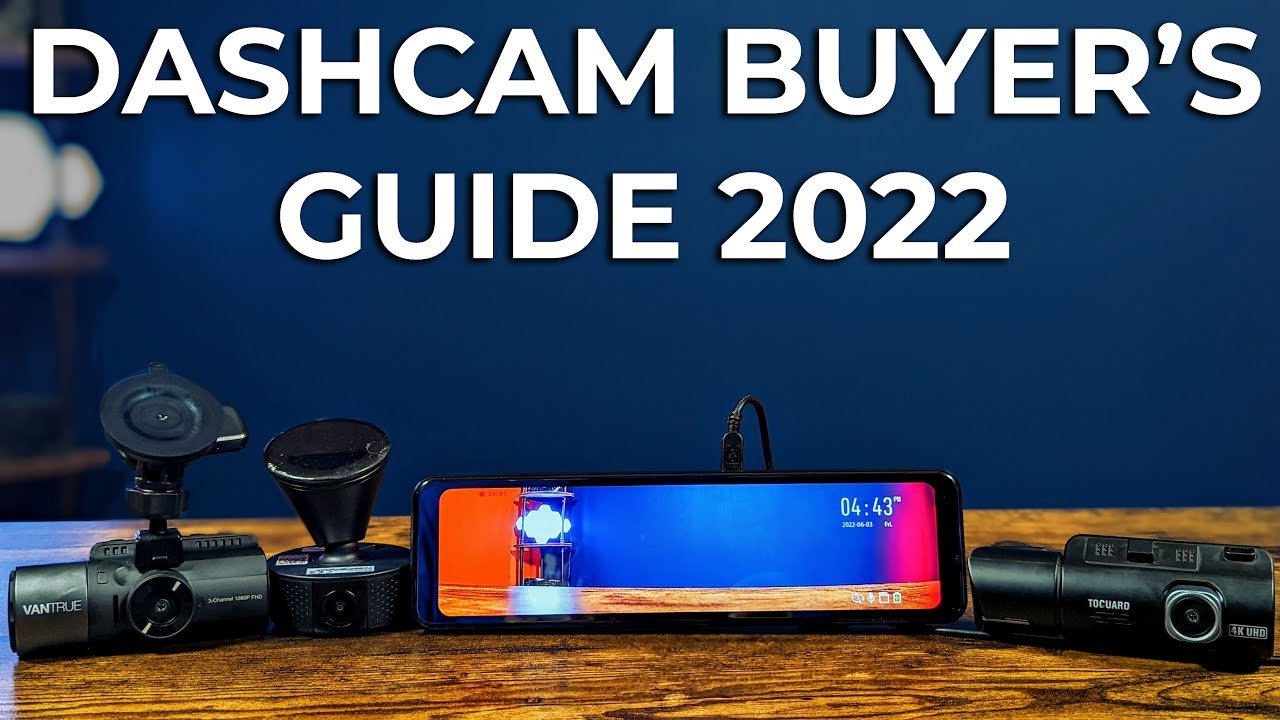
Evaluating Dashcam Sensor Hardware and Optics
At the heart of any reliable recording device is the image sensor. Modern high-end configurations increasingly rely on advanced sensor architectures—such as the Sony Starvis 2 series—to deliver superior dynamic range and low-light sensitivity. Unlike legacy CMOS sensors that struggle with high-contrast night driving, newer back-illuminated pixel structures capture high-speed license plate details even when illuminated by direct headlight glare.
Resolution and frame rates dictate how much evidentiary data is retained. While standard 1080p setups remain functional, professional-grade builds favor 4K UHD front-facing capture coupled with 2K or 1080p rear modules. Higher bitrates, often enabled by faster data processing chipsets, prevent compression artifacts that can obscure critical details during high-speed motion.
| Component Name | Architecture / Platform | Resolution / Sensor | Thermal Output / Power | Targeted Use Case |
|---|---|---|---|---|
| VIOFO A129 Pro Duo | Dual-Channel Novatek SoC | 4K Front + 1080p Rear (Sony Exmor R) | Moderate / Supercapacitor | High-clarity highway recording and standard parking protection. |
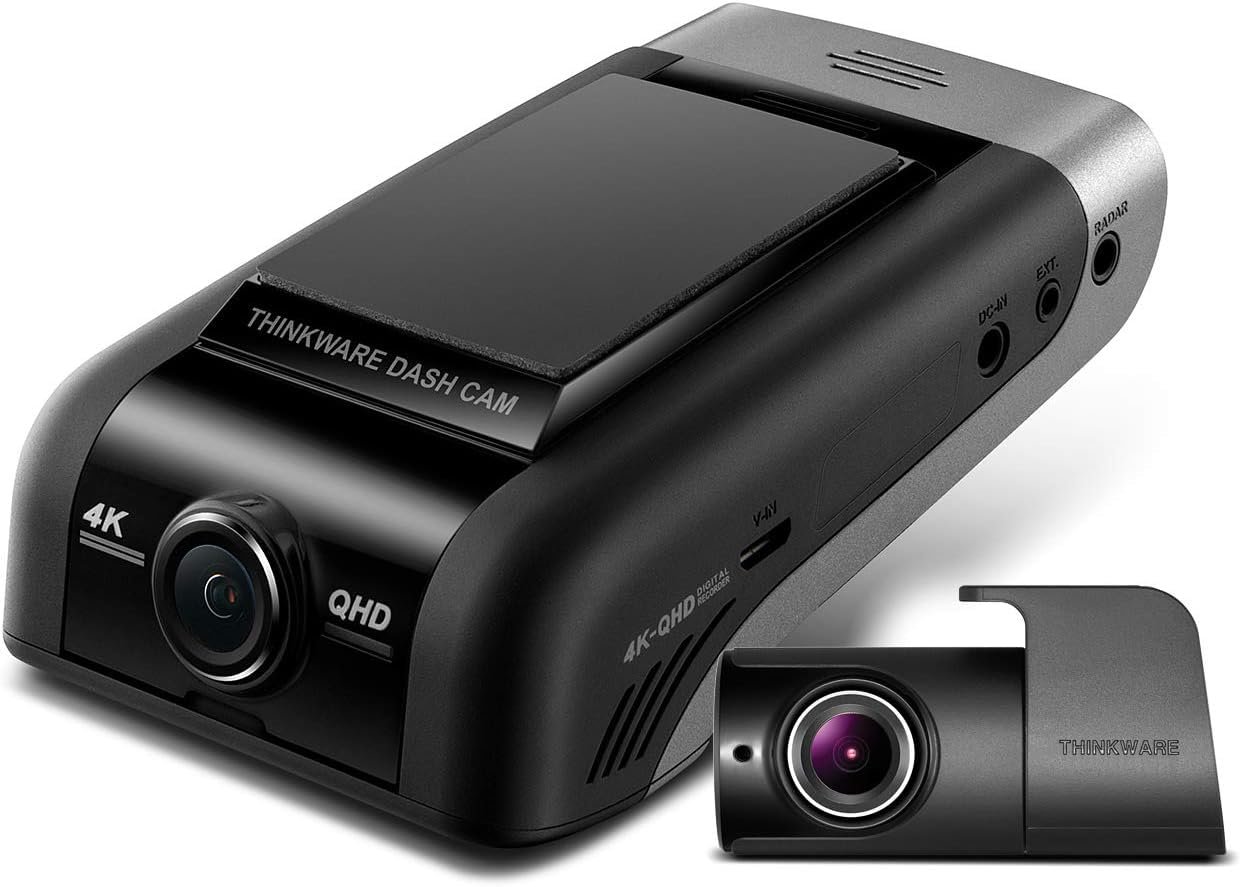
| Thinkware U1000 | Ambarella Quad-Core SoC | 4K UHD @ 30fps + 2K QHD Rear | Low-Profile / Hardwire Kit | Cloud connectivity and advanced driver assistance systems (ADAS). |
Thermal Tolerance and Power Architecture
Windshield-mounted electronics endure severe thermal punishment, particularly during summer months when direct sunlight can push internal temperatures past 70°C. Standard lithium-ion batteries degrade rapidly under these conditions, occasionally swelling or failing entirely. Consequently, industry-standard designs utilize supercapacitors instead of chemical batteries. Supercapacitors provide just enough residual power to safely finalize and save video files after an abrupt power loss, ensuring long-term hardware durability.
For round-the-clock parking surveillance, proper power management is paramount. Hardwire kits equipped with low-voltage cutoff modules prevent battery drain, while specialized external dashcam battery packs offer extended recording times without drawing power from the vehicle’s alternator or starting battery.
Connectivity, Storage, and Practical Performance
Data integrity relies heavily on the storage medium. High-end hardware requires industrial-grade MicroSDXC High Endurance cards designed to withstand thousands of write-and-erase cycles without corruption. Standard consumer memory cards frequently fail under the constant, high-bitrate strain of multi-channel video logging.

Lingering Iranian Diplomats In New York 'Kicked Out' By Rubio
The 81st session of the United Nations General Assembly took place September…
Lockheed Martin Tests Networked Legion Pods to Sharpen F-16 Passive Targeting in Radar-Denied Airspace
Lockheed Martin Tests Networked Legion Pods to Sharpen F-16 Passive Targeting in…

Ultimate Tales of Eternia Remastered Beginner Guide: Essential Tips for Fast Combat Mastery
Welcome to the ultimate Tales of Eternia Remastered beginner guide! This classic…

RTX 5070 Ti Gaming PC Gets Massive $450 Price Cut With 32GB DDR5 RAM
ABS Stratos II Aqua Gaming PC Deal Overview There's a brilliant discount…
Google Tensor vs Snapdragon 888 Benchmarked: Which Processor Dominates the Test?
As the mobile processor landscape evolves beyond raw core counts and brute-force…
Furthermore, modern convenience features like dual-band Wi-Fi (2.4GHz and 5GHz) and built-in GPS modules streamline footage retrieval and telematics tracking. Utilizing high-speed wireless transfer allows users to download evidentiary clips directly to mobile devices without needing to physically extract the storage medium.
Editor’s Takeaway: Who Should Buy?
Choosing the right hardware depends heavily on your daily driving environment and security needs. Daily commuters facing heavy traffic benefit most from dual-channel setups featuring high dynamic range sensors to combat glare. Meanwhile, urban dwellers parking in high-risk areas should prioritize units with robust parking mode capabilities, buffered event recording, and cloud connectivity.
Pros:
- Enhanced legal and insurance protection with crisp, high-resolution evidence capture.
- Supercapacitor power systems ensure high reliability in extreme cabin temperatures.
- Advanced night-vision sensors effectively capture license plates in low-light conditions.
Cons:
- Professional parking-mode setups often require complex hardwiring or external battery investments.
- High-bitrate 4K files demand frequent memory card maintenance and high-end storage media.
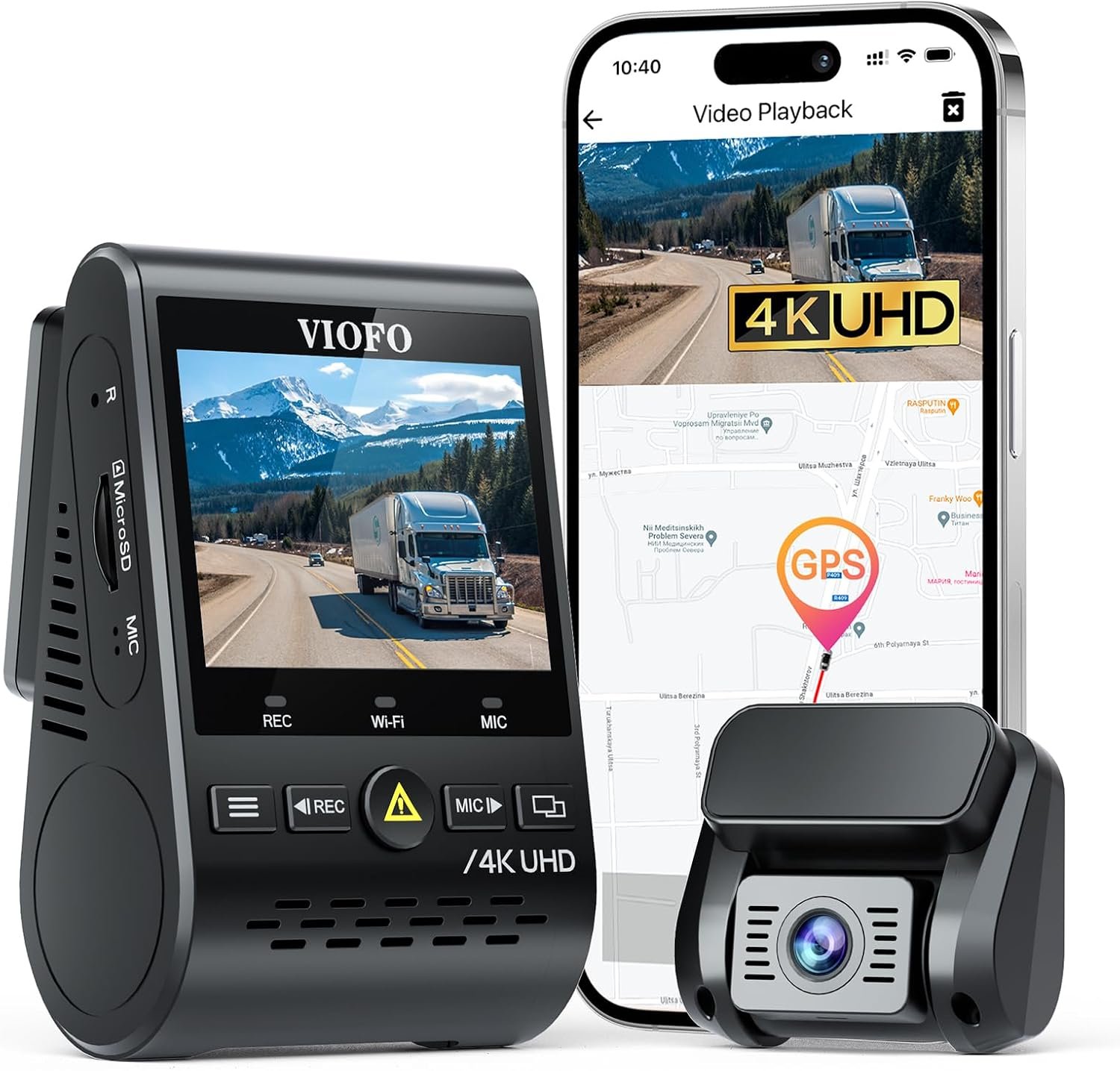
VIOFO A129 Pro Duo
$199.95