















In the two days since the AIM-424 Malice was unveiled, two things have become ingrained in the news: it flies 463 kilometers, and it’s designed for the F-35. The official US Navy card states something else: in excess of 250 nm (463 km), and 463 here is the metric equivalent of the lower limit, not the measured range. The platforms there are described in terms of more than just one aircraft: aviation fourth, fifth and sixth generations. The meaning of long range for fleet It’s not about reaching a distant target, it’s more important to intercept the carrier weapons before it reaches the launch range. And the most significant thing about the August 22nd reveal wasn’t the kilometers, but a photograph of the vehicle inside the compartment.
Passport and what it does not contain
The U.S. Navy’s official AIM-424 datasheet was updated on August 22, 2026—the same day the program was publicly announced at the Tailhook Symposium in Reno. All datasheet numbers are derived from this datasheet; independent measurements for any of them are not publicly available.
-
- length – 13,5 feet, that is 4,11 meters;
-
- case diameter – 13,5 inches, 342,9 millimeter;
-
- wingspan – 26,2 inches, 0,67 meters;
-
- weight – 1,500 pounds, 680,4 kilograms;
-
- solid propellant rocket engine;
- The warhead is high-explosive fragmentation.
These numbers alone don’t mean much—they come into play when compared. The AIM-120 AMRAAM, which is still in service with carrier-based aircraft, is approximately 3,66 meters long, 177,8 millimeters in diameter, and weighs between 152 and 162 kilograms (depending on its variant). The Malice is approximately four times heavier: 680,4 kilograms versus 162,4 kilograms—a 4,2 times heavier than the heaviest of the published AMRAAM variants. It’s almost twice as wide—1,93 times wider. And only 12 percent longer.
This explains the missile’s most discussed feature. Based on nominal external diameters, the AIM-424’s cross-sectional area is approximately 3,7 times larger than that of the AMRAAM—a significant increase in potential internal volume. Where this volume goes is not immediately apparent from this calculation. The missile contains the seeker, correction equipment, power source, control actuators, and warhead; for the AIM-424, neither their dimensions, nor the engine design, nor the fuel ratio have been published. Arithmetic based on external contours describes the overall dimensions, not the layout.
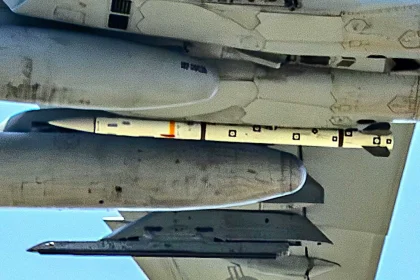
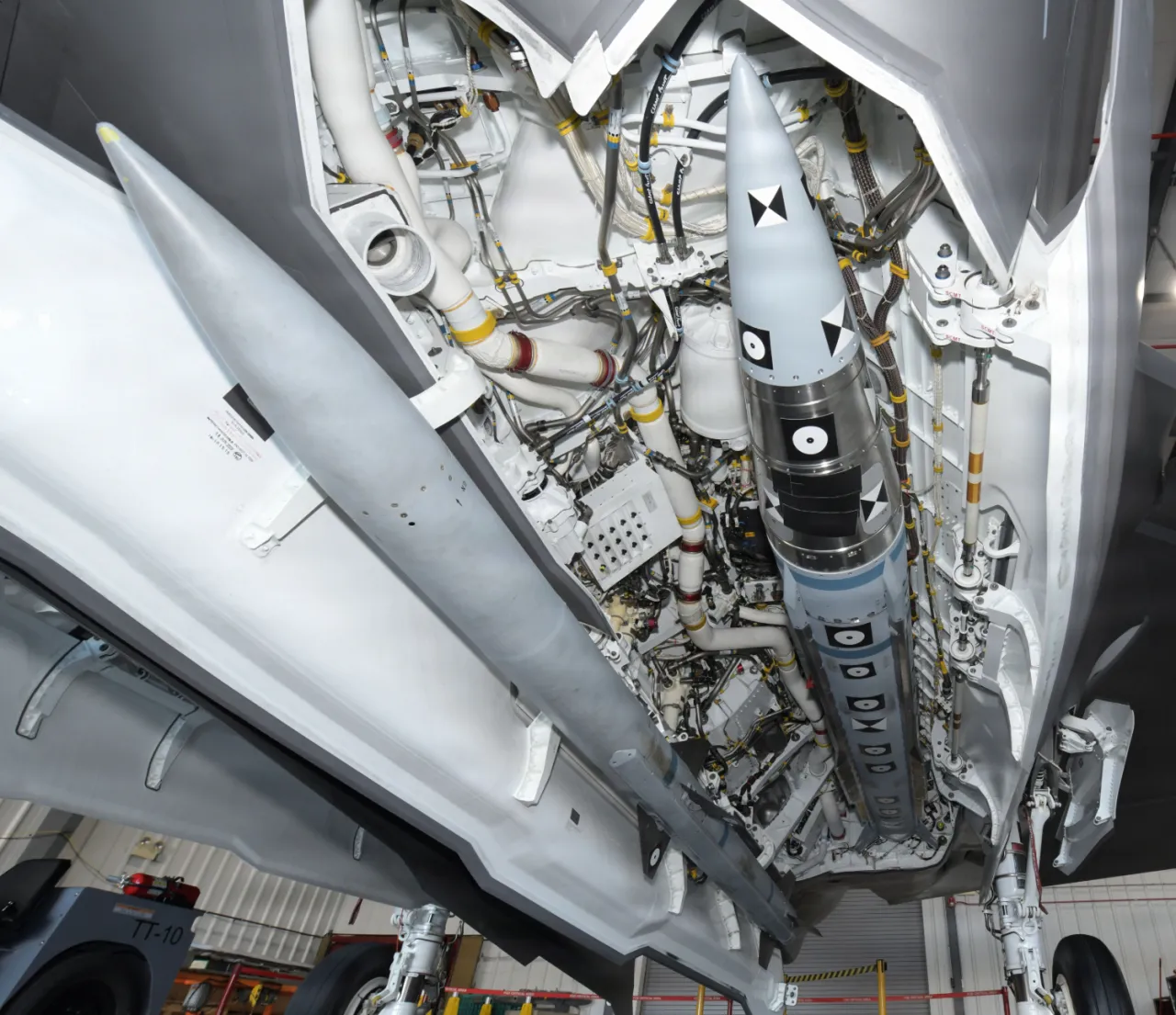
The deployment itself has been documented. On August 1, 2026, the Navy photographed an AIM-424 in the F-35C’s bay—an AIM-120 was hanging nearby, on the bay door, and the caliber difference is noticeable without measurements. From here, the realm of conjecture begins. A short, large-diameter missile—a geometry that aligns well with the strict length constraints typically imposed by the internal bay. However, the Navy doesn’t say which launch vehicle was the determining factor in the design, or whether there was just one: the document lists three generations of aircraft. And increasing the bay’s diameter also comes at a cost—clearance with the bay doors, adjacent weapons, and separation of the missile in the air.
The card says about the range. in excess of 250 nm — over 250 nautical miles. The conversion yields 463 kilometers, and this is the threshold: the lower limit of the declaration, the upper limit of which has not been published. Launch conditions, the launch vehicle’s altitude and speed, and the target type and profile are not specified. The number 463 is a conversion arithmetic, not the result of firing; using it as a precise characteristic is tantamount to replacing the threshold with a specification.

Dormakaba flaws allow to access major organizations’ doors
Researchers found over 20 flaws in Dormakaba access systems that could let…
Thoughts on this Vessel 36pc Mini Screwdriver Set?
Vessel has a precision screwdriver set that comes with a single bit…

DeepMind’s AI Solved a 50-Year Math Problem—And It’s Accelerating Future Game Engines
Google DeepMind’s AlphaTensor is an AI system designed to discover faster, more…

Wanted: Suspect for Shooting Incident in the 15th District [VIDEO]
The Philadelphia Police Department and the Shooting Investigation Unit is asking for…

Stacy Garrity Exposes Josh Shapiro and Vows to Fix Pennsylvania Budget Crisis
As the political landscape in the Keystone State intensifies ahead of the…
How Phoenix Didn’t Get Over His Complex
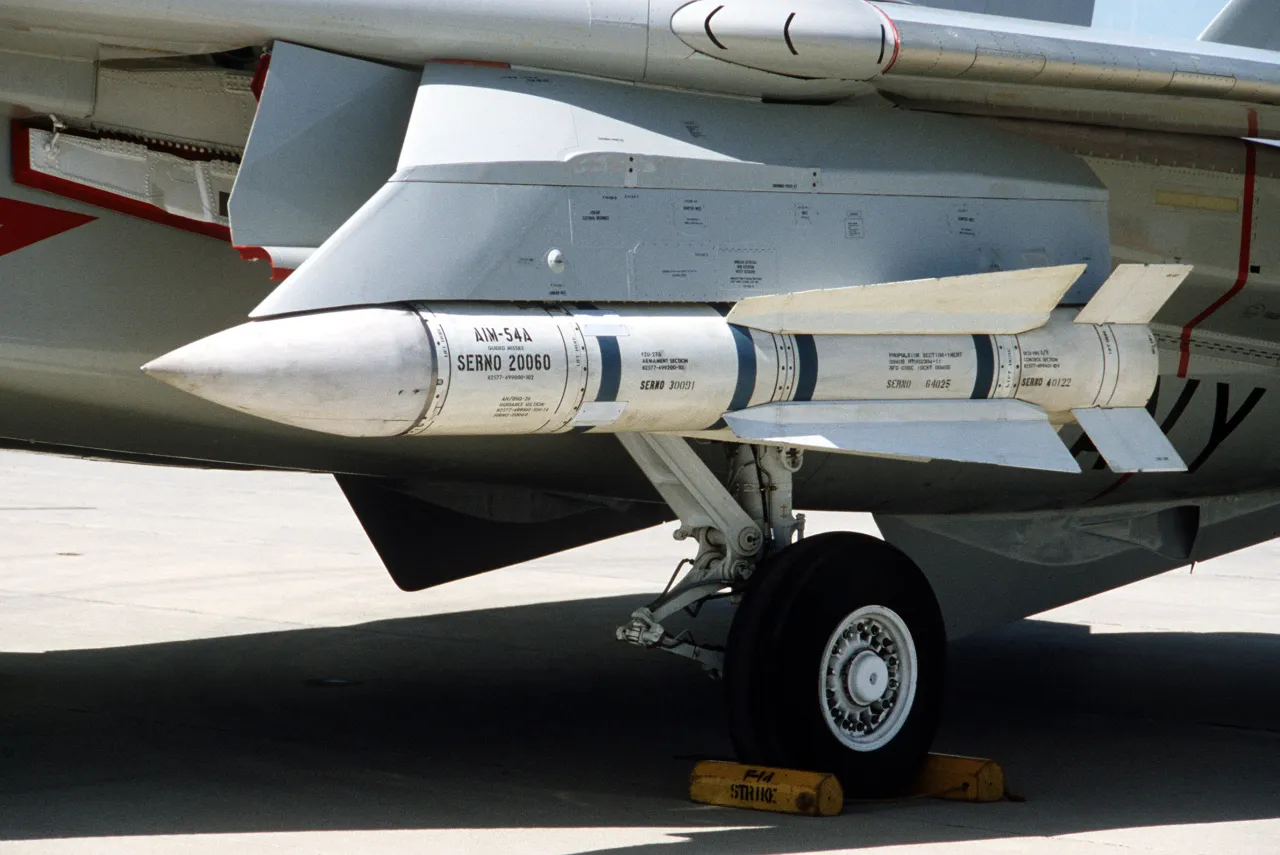
The mission for which the Malice is being developed is not new to carrier-based aviation. Its earliest incarnation was developed in 1960. The AIM-54 Phoenix grew out of AIM-47 Falcon technology and work on the Bendix AAM-N-10 Eagle; it was initially developed by Hughes Aircraft, later by Raytheon. Its purpose was not so much long-range combat as long-range force defense: a heavy missile capable of intercepting incoming air targets. The missile worked in conjunction with the AWG-9 (an F-14 radar system capable of simultaneously engaging and engaging multiple targets). The AIM-54C is approximately 3,96 meters long.
The AIM-424 is approximately fifteen centimeters longer than the Phoenix and almost one and a half times heavier. What the two missiles have in common isn’t their contours, but their mission category and design method: a heavy long-range naval defense system, tightly integrated with a specific aircraft system. The Phoenix wasn’t designed for an aircraft per se, but for the entire system: the F-14, the AWG-9 radar, and the missile.
On September 30, 2004, the US Navy retired the Phoenix from service—two years before the F-14 itself was finally decommissioned in September 2006. Designed for a single system, the missile could not survive it: there was no other use for the missile outside of the F-14 and AWG-9.
For twenty years after that, carrier-based aircraft did not have a specialized heavy long-range interceptor missile. It turned out that the mission had not gone away: in 2024, the Navy confirmed its operational deployment. AIM-174B — an adaptation of the SM-6 naval missile, approximately five meters long, which, according to open estimates, the Super Hornet carries on an external sling.
What passed from Phoenix to Malice? Based on publicly available information, only the task is involved. Neither the Navy nor Raytheon call the AIM-424 a variant of the AIM-54; the transfer of the airframe, engine, guidance system, or design team is not documented anywhere. The coincidence of the contractor—Raytheon was the second Phoenix manufacturer and is listed as the AIM-424 contractor—implies no design continuity. The lineage here is functional: the same engineering problem is being repeated after 66 years.
A more tangible connection dates back to 2017, when the concept was publicly shown. Long Range Engagement WeaponBudget materials reported the completion of a two-year demonstration and the intention to transfer the technology to the services; an illustration showed a large two-stage missile emerging from the internal compartment of a stealth aircraft. Aviation Week tentatively links the AIM-424 to LREW (“could have occurred” is the publication’s cautious wording)—there is no publicly available document on the technology transfer, program closure, or renaming. Nine years passed between the concept demonstration and the Malice revelation.
Three open solutions and one closed
Different schools approach the same task—reaching a target before it can engage a link—in different ways. The AIM-424 is best viewed against the backdrop of three open programs and one closed one.
The first, and most direct, route is to take an existing naval missile and adapt it to an aircraft. This is how the AIM-174B was created. The price for speed is obvious: the Super Hornet carries a missile of this size under its wing, the launch range is narrow, and stealth deployment is out of the question.
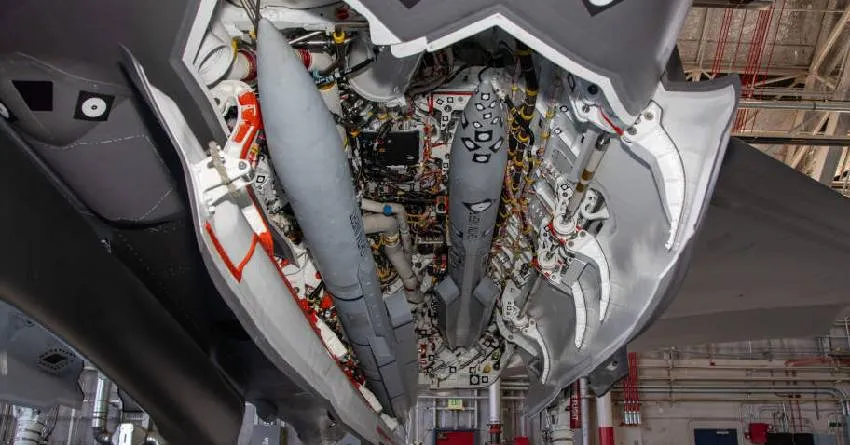 /
The open internal weapons bay of the Lockheed Martin F-35A Lightning II fifth-generation fighter jet, housing the MBDA Meteor long-range air-to-air missiles with a ramjet engine.
The Europeans took a different approach. Meteor MBDA’s AIM-424 weighs 190 kilograms, is 3,7 meters long, and has a diameter of 178 millimeters—almost the same size as the AMRAAM. The engine is a variable-speed ramjet, generating thrust right up to intercept. MBDA doesn’t publish its maximum range on the product’s main datasheet, but it does claim the largest guaranteed kill zone in its class—a developer’s claim. The size of this zone itself depends on launch conditions, altitude, speed, and target maneuvering. The underlying criterion is different: it’s not the number of kilometers the missile travels under inertia that matters, but the energy reserve it brings to a maneuvering target. The AIM-424 is officially described as solid-fueled, meaning it operates under a different energy logic, and comparing the two missiles based on the same maximum range is of little value.
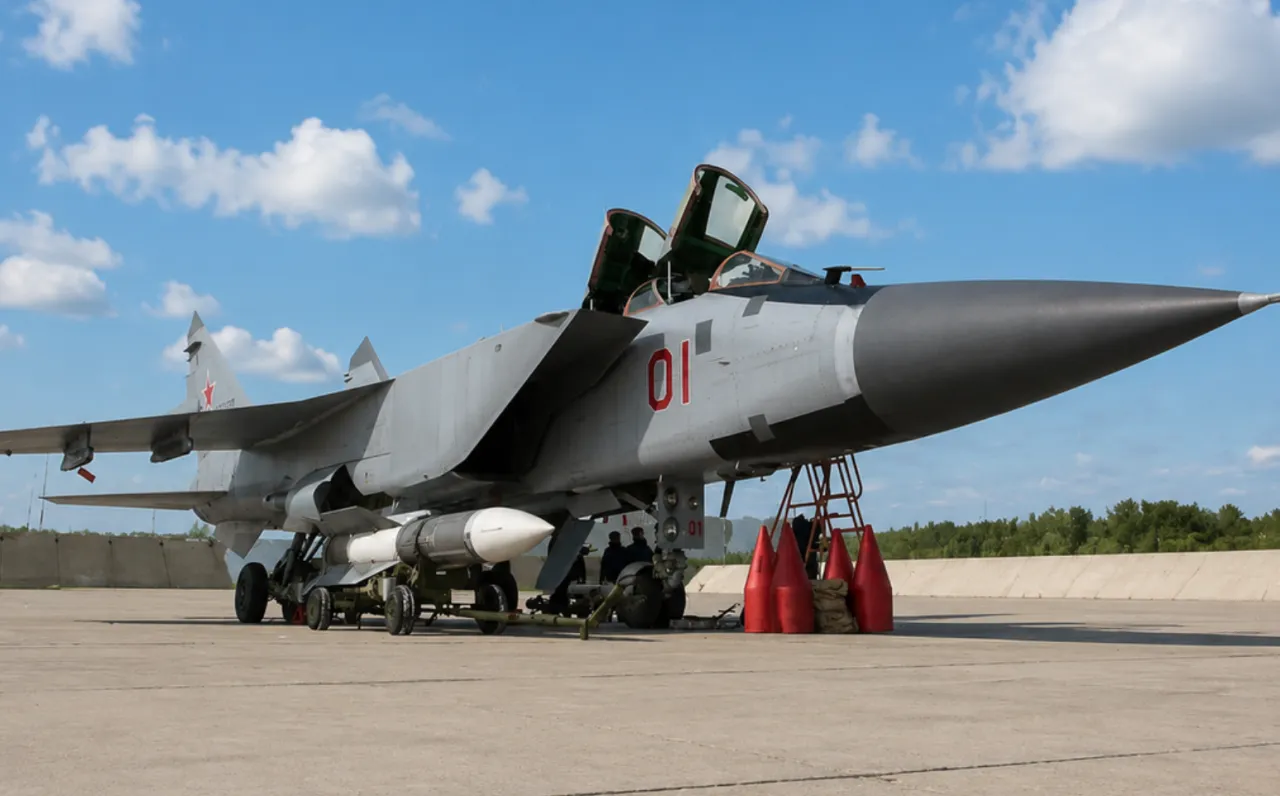
The third example is the Russian RVV-BD, a long-range interceptor missile for aircraft, helicopters, and cruise missiles. Rosoboronexport’s export document lists a maximum range of up to 200 kilometers, a 60-kilogram warhead, target altitudes from 15 meters to 25 kilometers, and a maximum target speed of 2500 kilometers per hour. It’s tempting to pit one against the other, but it’s impossible to directly compare “over 463 kilometers” for the AIM-424 with “up to 200 kilometers” for the RVV-BD: the former represents the lower limit of the claimed range, the latter the upper limit, and the terms of neither are published. Furthermore, the export document doesn’t serve as a specification for the entire R-37M family.
A fourth system in this series exists, but little is known about it: the AIM-260 JATM, a classified US Air Force and Navy program billed as the successor to AMRAAM. There’s no public data sheet detailing its range, weight, and stage, and how the two US programs share the ranges hasn’t been officially explained.
What was shown and what was left behind the line
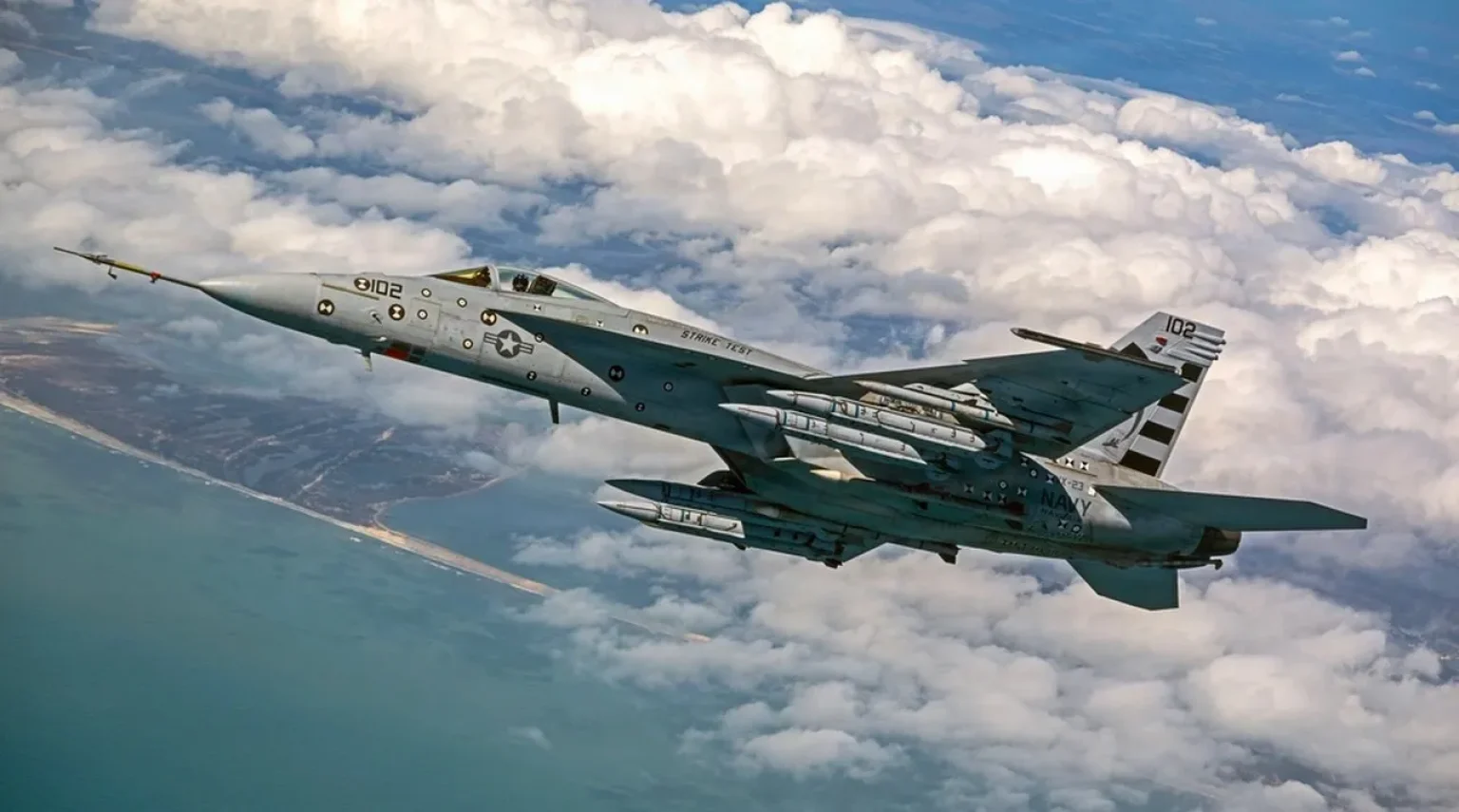
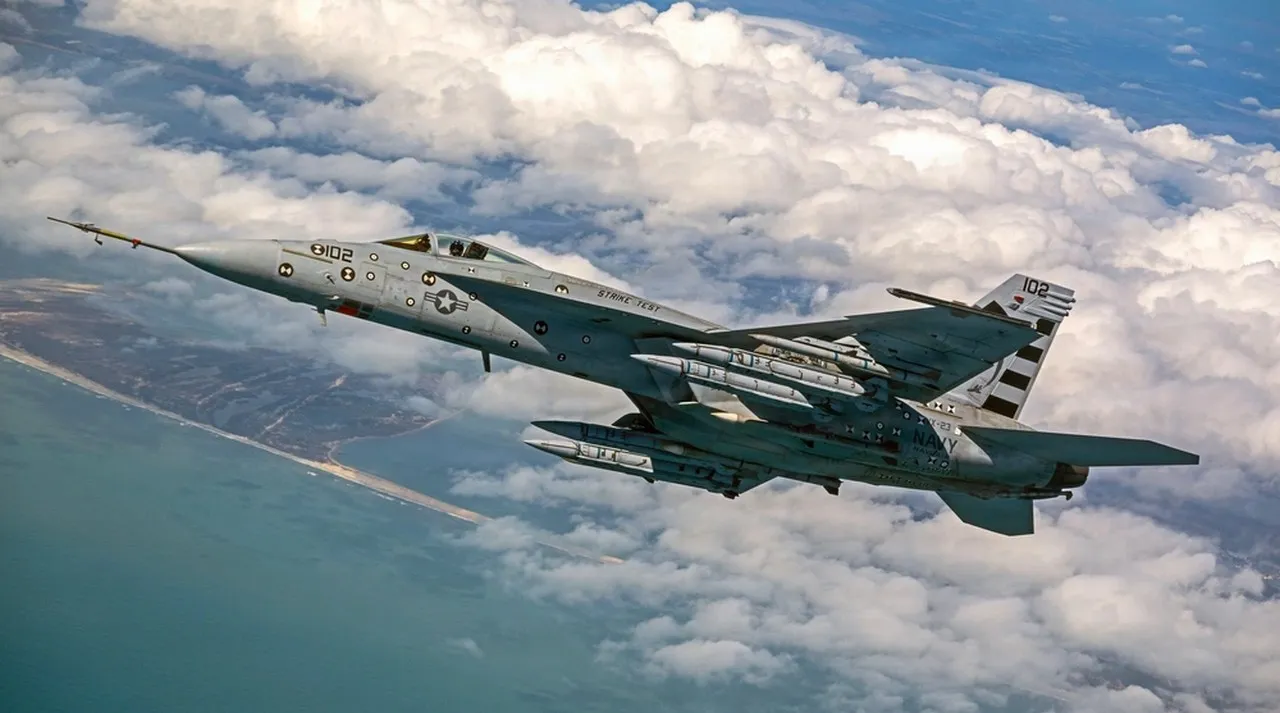
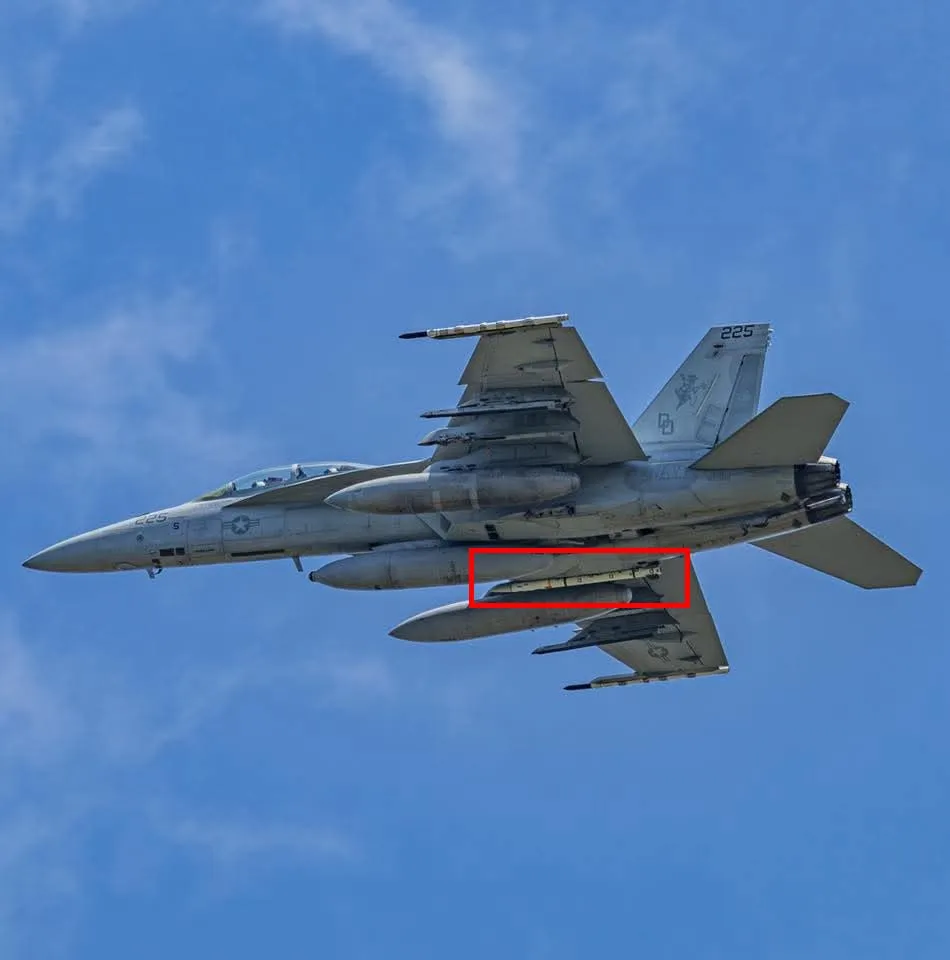
Official public imagery of the AIM-424 shows two configurations. April 3, 2026: Four units on a single F/A-18E; The Aviationist reports this image shows training and test units. CATM-424The Navy’s signature refers to the suspension for a test event (test event). August 1, 2026: One weapon in the F-35C’s bay. The first frame does not prove the standard ammunition load—restrictions on carrier landings, return weight, and asymmetric configurations have not been published. The second confirms the geometric compatibility of the configuration shown and says nothing about separation, launch, data exchange, or aircraft software readiness.
Information about the tests themselves is coming from elsewhere. Aviation Week reports that the rocket is undergoing flight tests and that the design is two-stage; the publication maintains that the details are classified, and the official data sheet contains no information about the number of stages—only a solid-fuel rocket motor. If this report refers specifically to the configuration shown, one explanation for the long range could be a detachable booster: the upper stage burns and then departs, and the vehicle then travels unencumbered. There’s no way to verify this—there’s no second primary source, and the layout of the prototype shown hasn’t been officially disclosed.
Much remains beyond the data sheet line: the type of homing head, the presence of radio correction and a two-way channel, speed, available overload, the weight of the warhead, the time frame for its adoption into service, price and quantity. target designationFiring at the upper limit of the declared range for some targets will require external data: whether the fighter’s onboard radar is sufficient depends on the target type, its altitude and visibility, and the launch scenario. The Navy does not disclose how the AIM-424 is integrated into the reconnaissance and guidance circuit—and without this circuit, the rated kilometers remain a product characteristic, not a combat range.
The contractor’s position, Raytheon, was reported via Naval News. Company President Phil Jasper stated the following:
Strengthening fleet defense and maintaining superiority are essential to address rapidly emerging long-range air-to-air threats.
In other words, strengthening naval defenses and maintaining superiority are necessary against rapidly emerging long-range threats. The same statement also states that the company’s solution will provide the required range and outperform any threat. The second part cannot be verified: neither the list of missiles being compared, nor the launch conditions, nor the date for which the comparison is valid are disclosed—and the specifications of the classified Chinese and Russian programs are not publicly available. The precise dimensions are currently known.
The program will no longer be judged by the kilometers on the datasheet, but by the first published missile separation from the aircraft and target performance. Until then, the AIM-424 remains exactly what it was shown to be: a product that fit in a bay, with a single line of range, no strings attached.