















Joint US-Australian Trials for the HACM Hypersonic Weapon Begin at Woomera

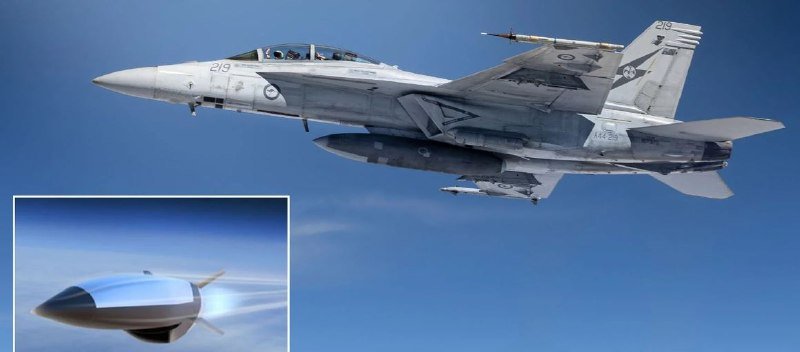
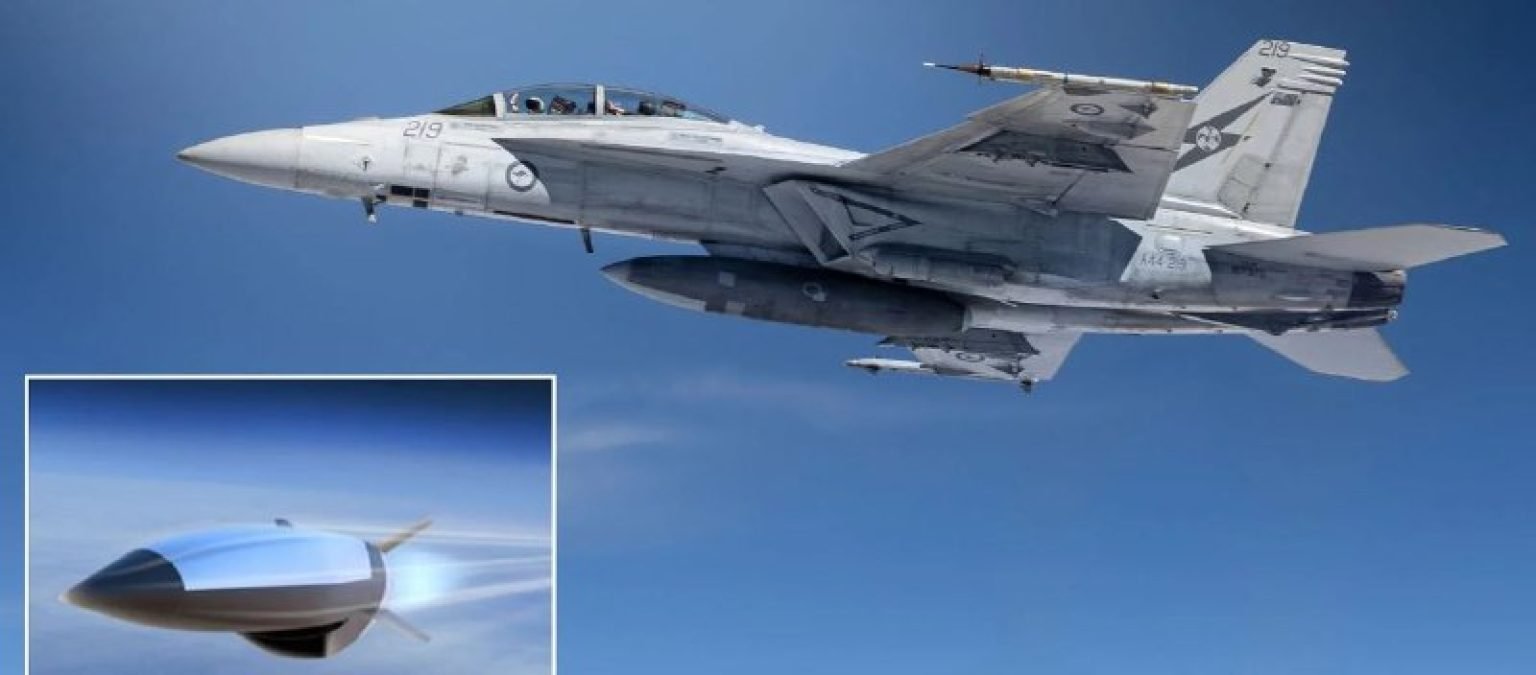
Defense ministries in Canberra and Washington have officially confirmed the commencement of flight testing for the Hypersonic Attack Cruise Missile (HACM). Developed jointly by the United States Air Force and the Royal Australian Air Force (RAAF), the trials are currently underway at the sprawling Woomera Test Range in South Australia. This milestone marks a critical inflection point in allied high-speed propulsion development, countering rapid advancements in long-range strike capabilities by strategic competitors in the Indo-Pacific region.
The joint flight campaign is designed to validate the air-breathing scramjet propulsion system, thermal protection structures, and advanced guidance electronics under real-world aerodynamic stress. By leveraging Australia’s vast, instrumented desert testing corridors—previously utilized for the landmark Southern Cross Integrated Flight Research Experiment (SCIFiRE)—the allied partnership can safely push weapon prototypes to Mach 5 and beyond. Defense analysts note that these trials underscore the deepening interoperability between the Pentagon and the Australian Defence Force (ADF) amid evolving regional security dynamics.
Technical Brief: Strategic Infrastructure Targeting & Geographic Map
TECHNICAL BRIEF: STRATEGIC INFRASTRUCTURE TARGETING & GEOGRAPHIC MAP
- Primary Entity / System: Hypersonic Attack Cruise Missile (HACM)
- Type / Classification: Air-Breathing Scramjet-Powered Cruise Missile
- Operating Parameters / Specs: Hypersonic velocity exceeding Mach 5; advanced tactical standoff range
- Location & Coordinates Context: Woomera Test Range, South Australia
- Key Assessment / Threat Status: Enhancing allied rapid response and anti-access/area-denial (A2/AD) countermeasures
Strategic Implications and Industrial Base Integration
The accelerated timeline of the HACM program reflects a broader push by the United States and its allies to close the capability gap in high-speed military delivery systems. According to independent assessments by defense researchers tracking global developments on platforms like CSIS Missile Defense, air-breathing scramjets offer a unique combination of speed, maneuverability, and unpredictable flight trajectories compared to traditional ballistic or boost-glide weapons.
Integration into existing tactical fleets remains a primary engineering objective. The HACM system is specifically engineered to be compact enough to fit on internal weapons bays or external pylons of multi-role fighter aircraft, such as the F-15E Strike Eagle, as well as allied platforms like the RAAF’s F-35A Lightning II. This flexibility grants operational commanders the ability to project high-speed conventional deterrence from extended standoff distances without relying exclusively on heavy bombers or vulnerable forward airbases.

Rep. Meuser on SBC Franchise Hearing
As lawmakers on Capitol Hill continue to evaluate the challenges facing American…

Philly Police Search For Suspect In Deadly Hit-And-Run In 19th District
PHILADELPHIA — The Philadelphia Police Department is asking for the public's help…

Rep. Perry Unveils Crucial Farm Bill Updates Amid Heated House Debate
As Capitol Hill navigates a packed legislative calendar, lawmakers are once again…

Critical Debate Showdown: Pa. Gov. Shapiro and GOP Challenger Face Off Before Election Day
PHILADELPHIA — With Election Day fast approaching, Pennsylvania voters tuned in for…

Crucial Latino Voter Shift in Lehigh Valley Could Decide the Pennsylvania Election
ALLENTOWN, Pa. — As the race for the White House and control…
Industrial Collaboration and Future Outlook
The joint venture also highlights a structural shift toward shared defense industrial bases under security frameworks like AUKUS. Manufacturing components for scramjet combustors, high-temperature ceramic matrix composites, and internal guidance suites require specialized supply chains distributed across both North American and Australasian facilities.
- Propulsion Mechanics: Utilization of hydrocarbon-fueled scramjet engines capable of sustained atmospheric combustion at hypersonic speeds.
- Targeting Flexibility: Designed to engage high-value, time-sensitive targets in contested maritime and land environments.
- Allied Interoperability: Standardized data links and pylon integration enabling deployment across multiple Western coalition aircraft.
As flight testing at Woomera progresses through subsequent phases of telemetry gathering and envelope expansion, program managers will review data to transition toward operational prototyping. Defense analysts anticipate that initial operational capability milestones could be achieved before the end of the decade, fundamentally altering regional deterrence equations.
[tags]Hypersonic Weapons, HACM, US Air Force, RAAF, Woomera Test Range, Scramjet, Military Technology, Defense Industry[/tags]
[image_alt]Advanced aerospace testing range under desert skies during military trials[/image_alt]