



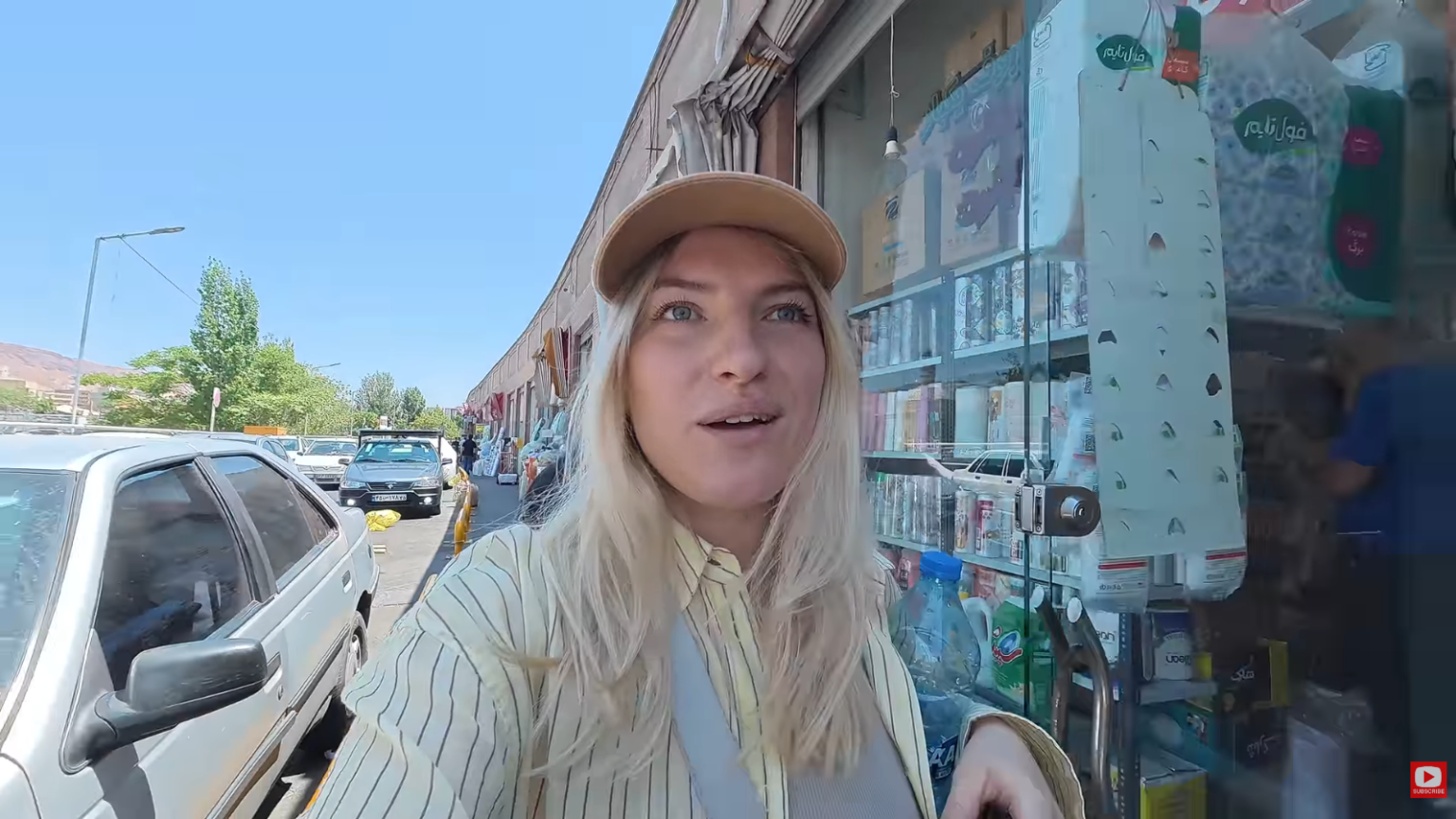
TABRIZ, Iran — Popular travel vloggers Matt and Julia have released a rare visual look inside Iran, documenting their overland border crossing from Armenia and traversing the country during a period of heightened geopolitical tension.
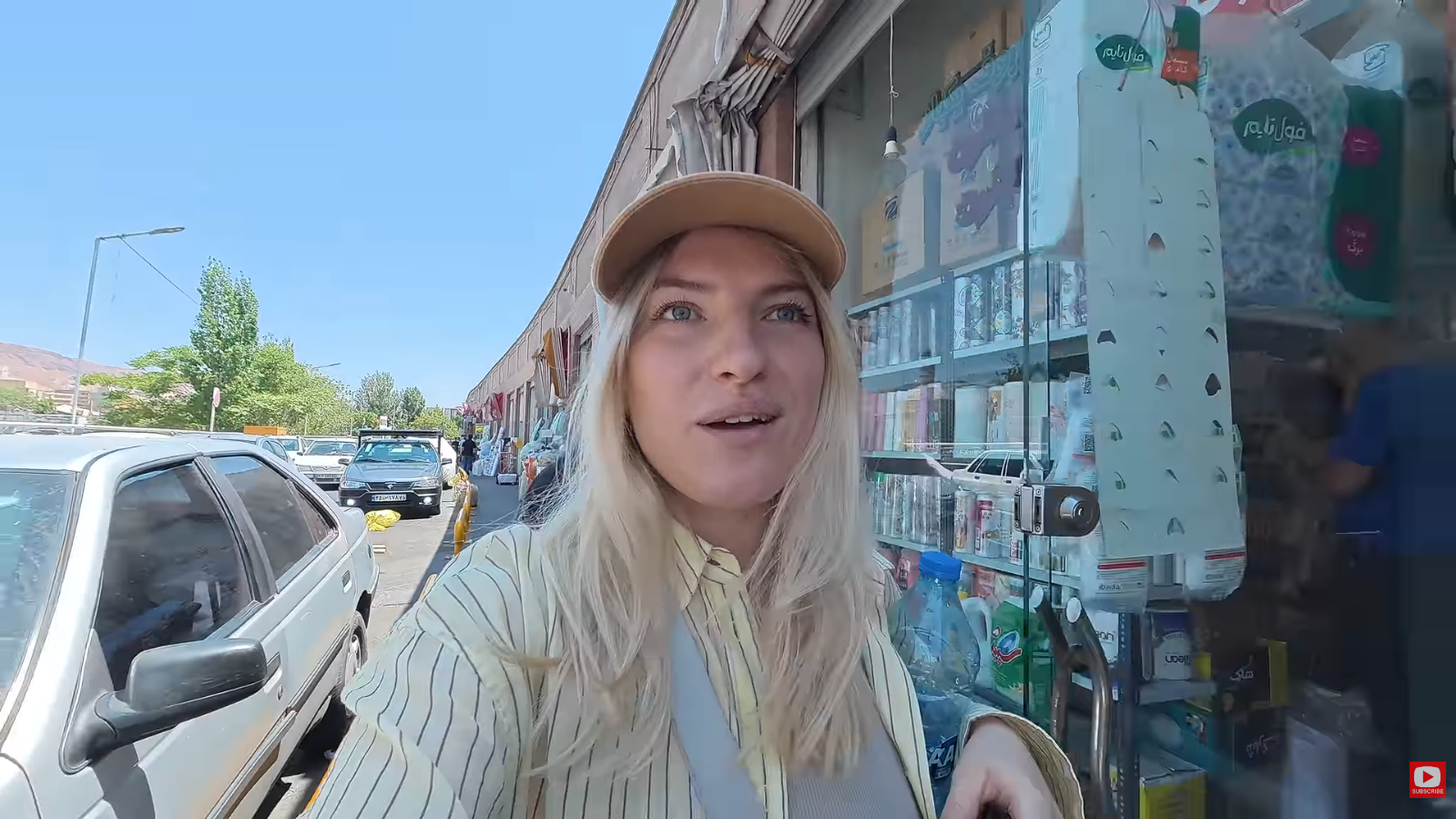
The journey comes amidst official travel warnings from Western governments—including the British Foreign Office—advising nationals against traveling to Iran. However, the creators set out to answer a central question: what is daily life actually like for ordinary people on the ground in 2026?
The Border Crossing: From Armenia to Agarak
The journey began in Yerevan, Armenia, where the creators navigated regional transport logistics down to the southern border town of Agarak. Separated only by a small river dividing former Soviet territory from the Islamic Republic, the transition marks a profound cultural shift from Christian Armenia into Islamic Iran.
                OVERLAND ROUTE: ARMENIA TO IRAN
┌──────────────────────────────────────────────────────────┐
│ Yerevan ──► Agarak (Border) ──► Nordooz Crossing         │
│                                       │                  │
│ Tabriz Bazaar ◄── Bonab (Kebabs) ◄── East Azerbaijan     │
└──────────────────────────────────────────────────────────┘
Despite widespread concerns regarding border friction, the physical crossing over the river bridge took less than 15 minutes. Due to official regulations, British, American, and Canadian citizens traveling in Iran are required to be accompanied by a licensed local guide throughout their itinerary.
Inflation, Local Markets, and Economic Realities
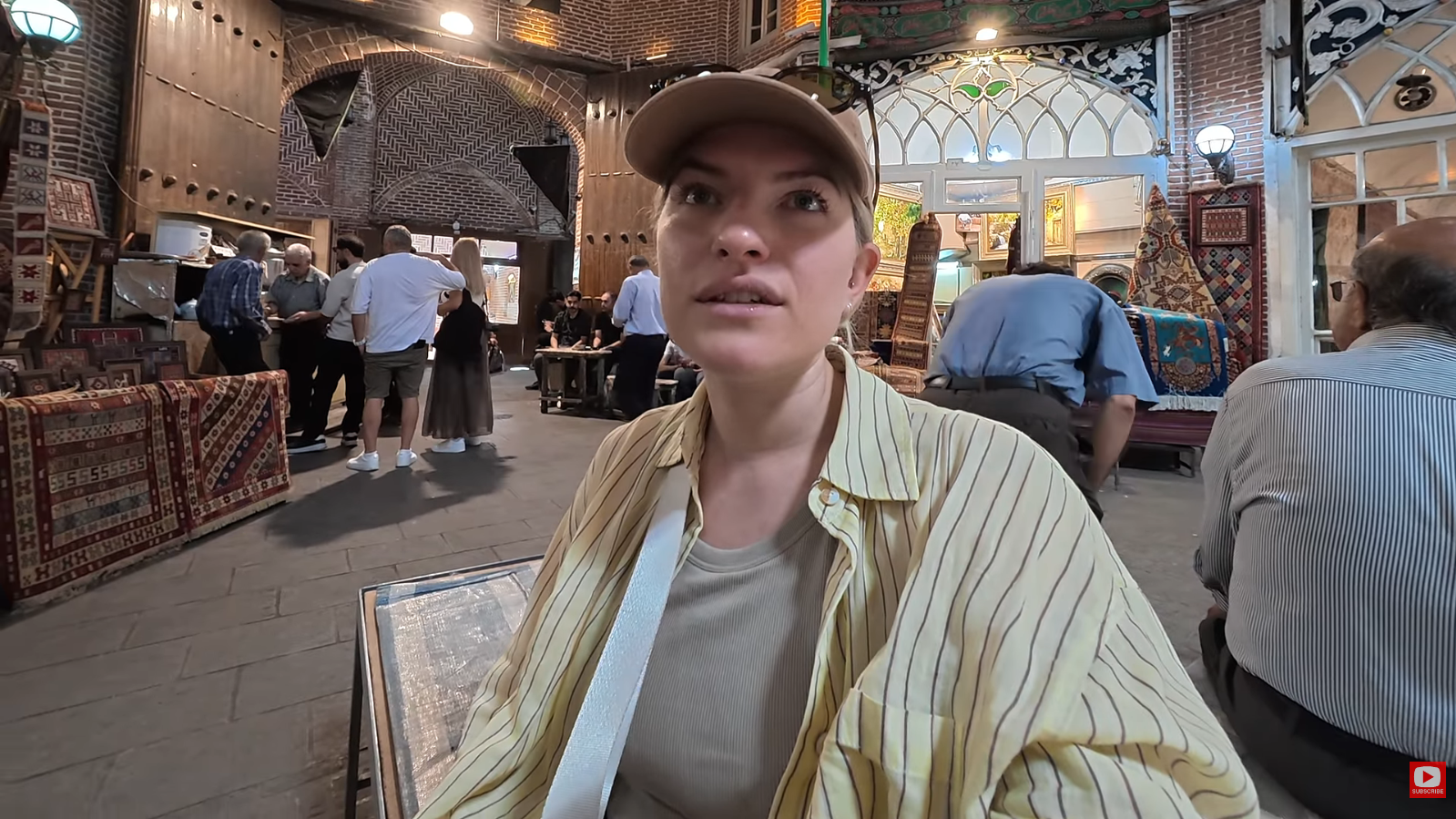
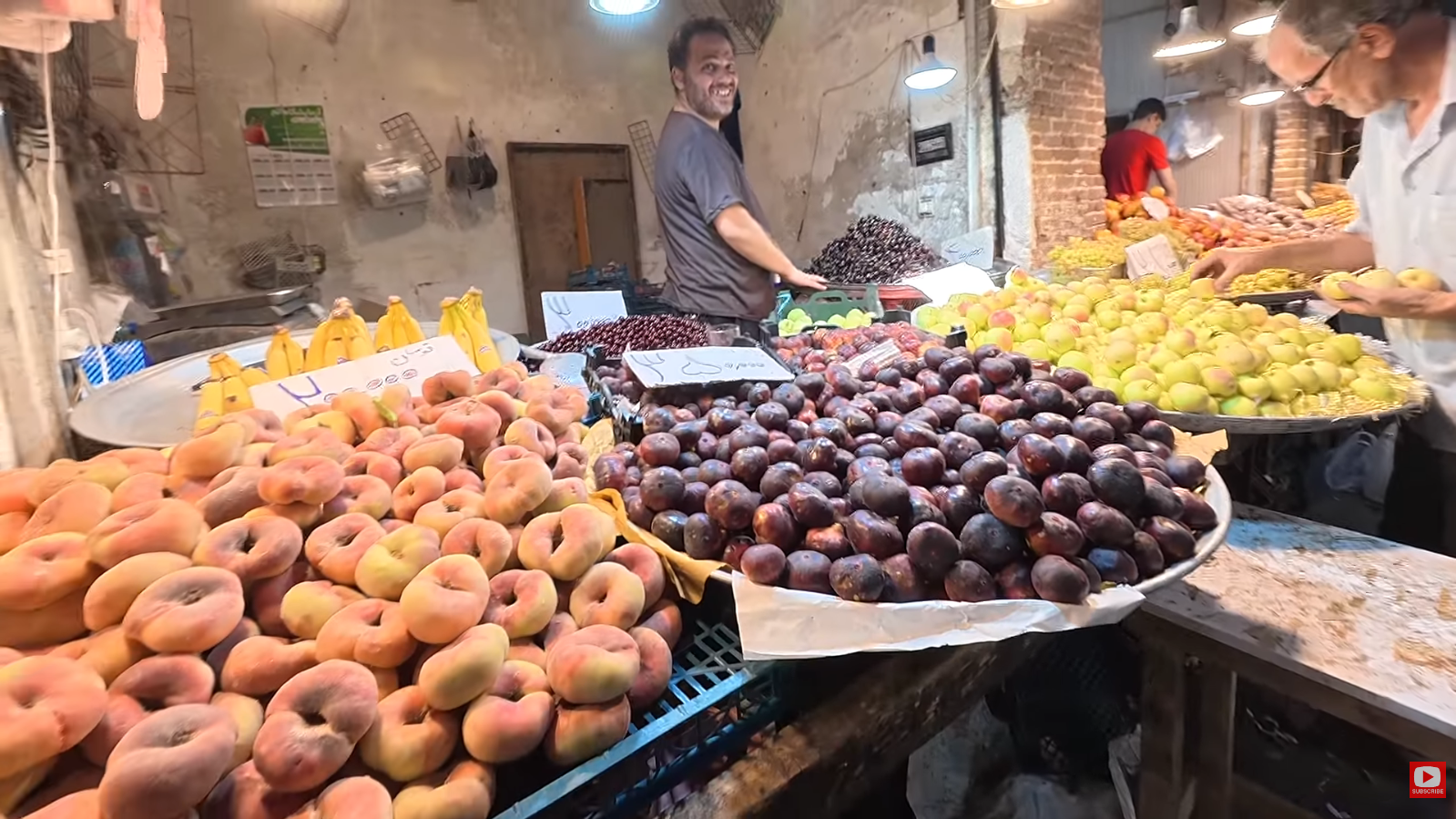
Upon arriving in Tabriz, the creators explored the historical covered bazaar—the largest undercover bazaar in the world. Local merchants and residents shared insights into the pressing economic challenges facing ordinary Iranians due to currency devaluation and inflation.
                   ECONOMIC IMPACT ON DAILY LIFE
┌──────────────────────────────────────────────────────────┐
│ • Currency Fluctuations: Iranian Rial value halved y-o-y │
│ • Purchasing Power: $200 income cut to $100 equivalent  │
│ • Bulk Purchasing: Families buy staples in advance       │
│ • Auto Market: Heavy tariffs on foreign imports          │
└──────────────────────────────────────────────────────────┘
Shopkeepers detailed how local purchasing power has shifted dramatically, forcing many families to buy non-perishable household supplies in large quantities to hedge against rising future costs. Additionally, government energy subsidies keep petrol prices relatively low—around $3 per 100 liters—even as auto import tariffs push foreign vehicle prices out of reach for average consumers, leaving Iranian-manufactured models (such as IKCO, Saipa, and locally built Peugeots) dominant on city streets.
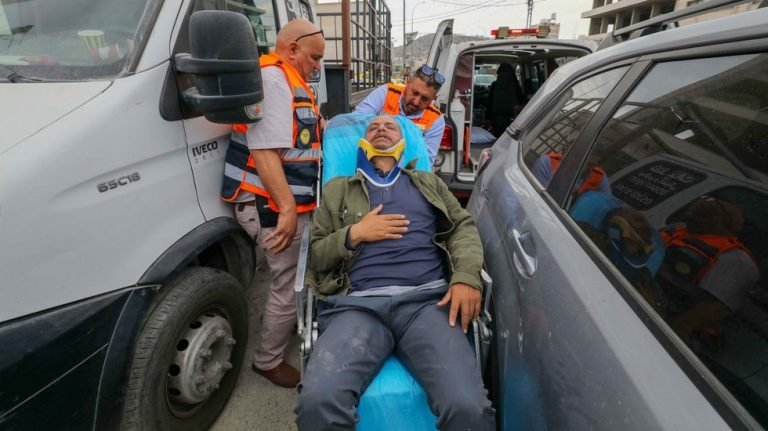
Armed Israeli settlers beat and rob AFP photographer
Jaafar Ashtiyeh was reportedly struck with rifle butts despite being clearly identified…
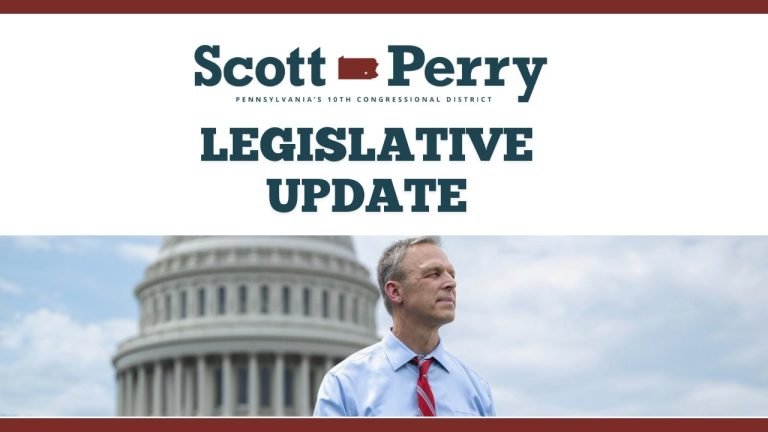
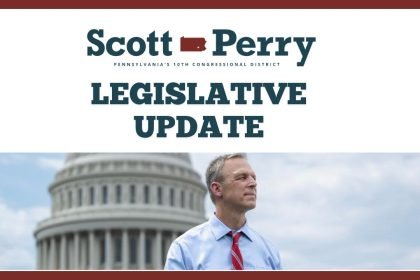
Rep. Scott Perry Exposes Crucial FISA Extension Truths in Major Legislative Update
Rep. Scott Perry Delivers Key Legislative Update on FISA Extension and Congressional…
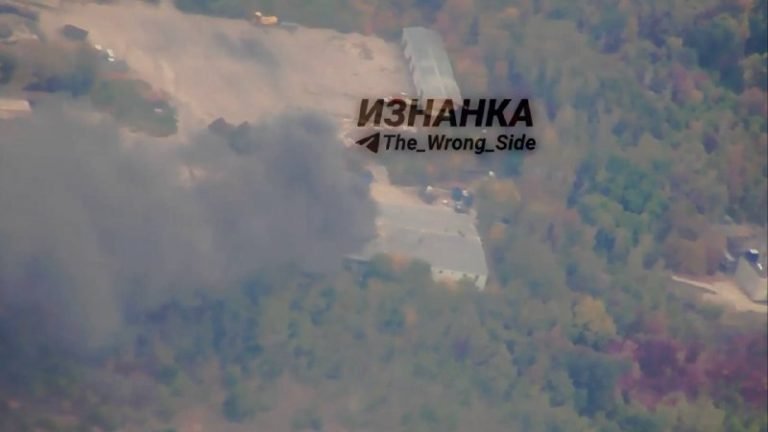
Strategic Strikes: Geran-4 Drones Target Military Warehouses Across Zaporizhzhia Region
Recent military developments in the southern operational theater have highlighted an evolving…

The Heist of the $2 Billion Fortress: How Four Hackers Broke the PlayStation 3 with High School Math
In the mid-2000s, Sony built what it believed was an unhackable citadel.…
The Ultimate Gears of War E-Day PvP Guide: Best Modes, Maps, and Strategy Tips
Hey, Gears players! Welcome to our comprehensive Gears of War: E-Day Versus…
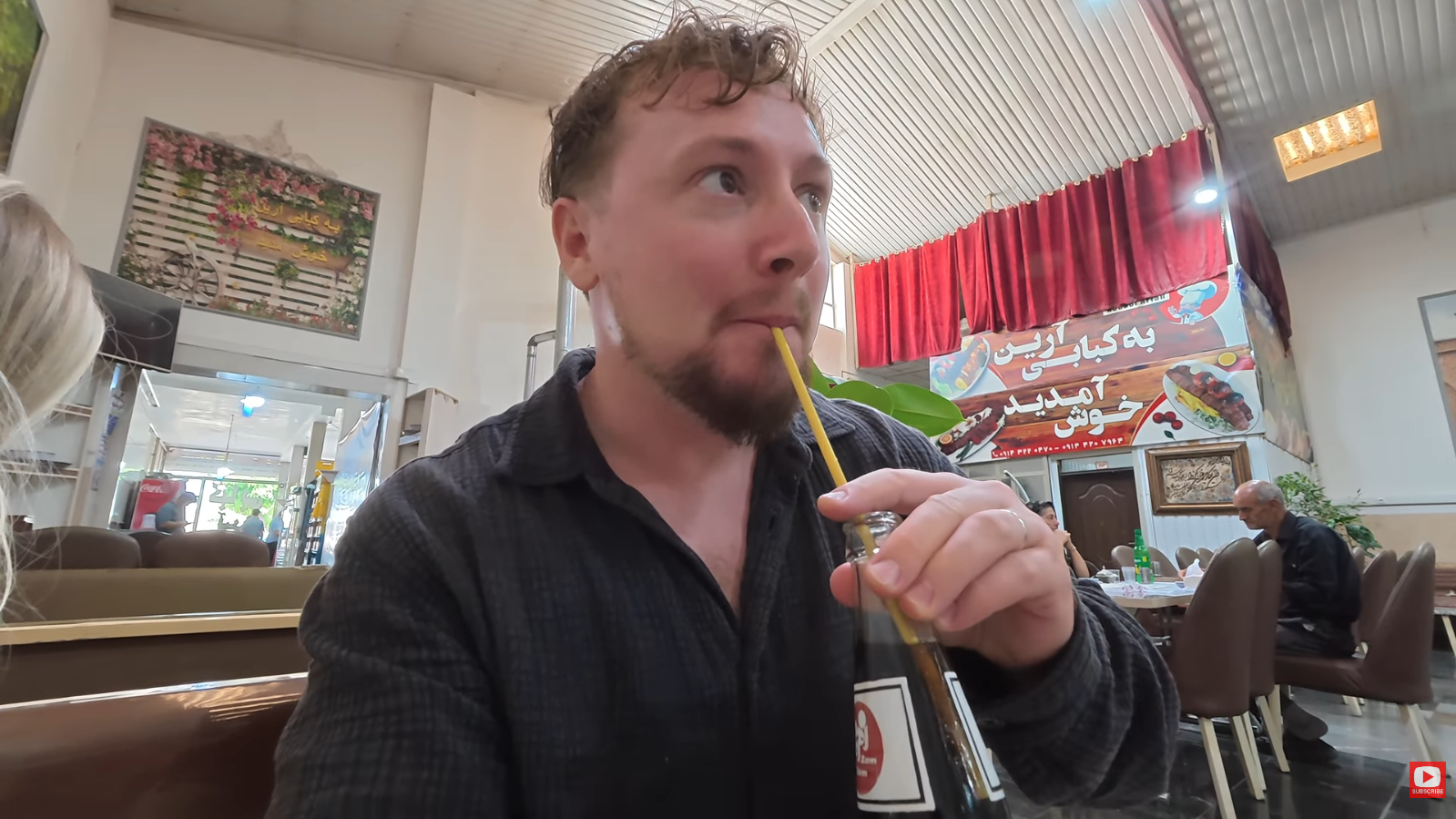
Cultural Encounters and Rural Hospitality
Moving beyond Tabriz toward East and West Azerbaijan provinces, the creators documented daily social life in public parks and rural mountain villages populated by ethnic Azeris and Kurds.
In small farming communities comprising roughly 90 to 100 families, the creators were welcomed with traditional gestures of hospitality, including the phrase “step on our eyes” (chashm), symbolic of deep respect for guests.
“It’s really good to see just normal life and see families hanging out and people just enjoying their evenings,” Matt noted during a visit to a bustling park in Tabriz. “To be here and actually see what it’s really like with our own eyes is a big honor.”
As global news headlines remain focused on regional conflict and economic sanctions, the travelogue offers a distinct, human-centric perspective on daily life, community resilience, and cultural tradition across northern Iran.
Article Source & Reference
- Video Title: Entering Iran in 2026 (Is It Safe?)
- Creators: Matt and Julia
- Link: https://www.youtube.com/watch?v=_GMgofd_Agw