









![Wanted: Suspect for Assault in the 9th District [VIDEO]](https://thephillypi.com/wp-content/uploads/2026/09/Wanted-Suspect-for-Assault-in-the-9th-District-VIDEO-330x220.jpg)




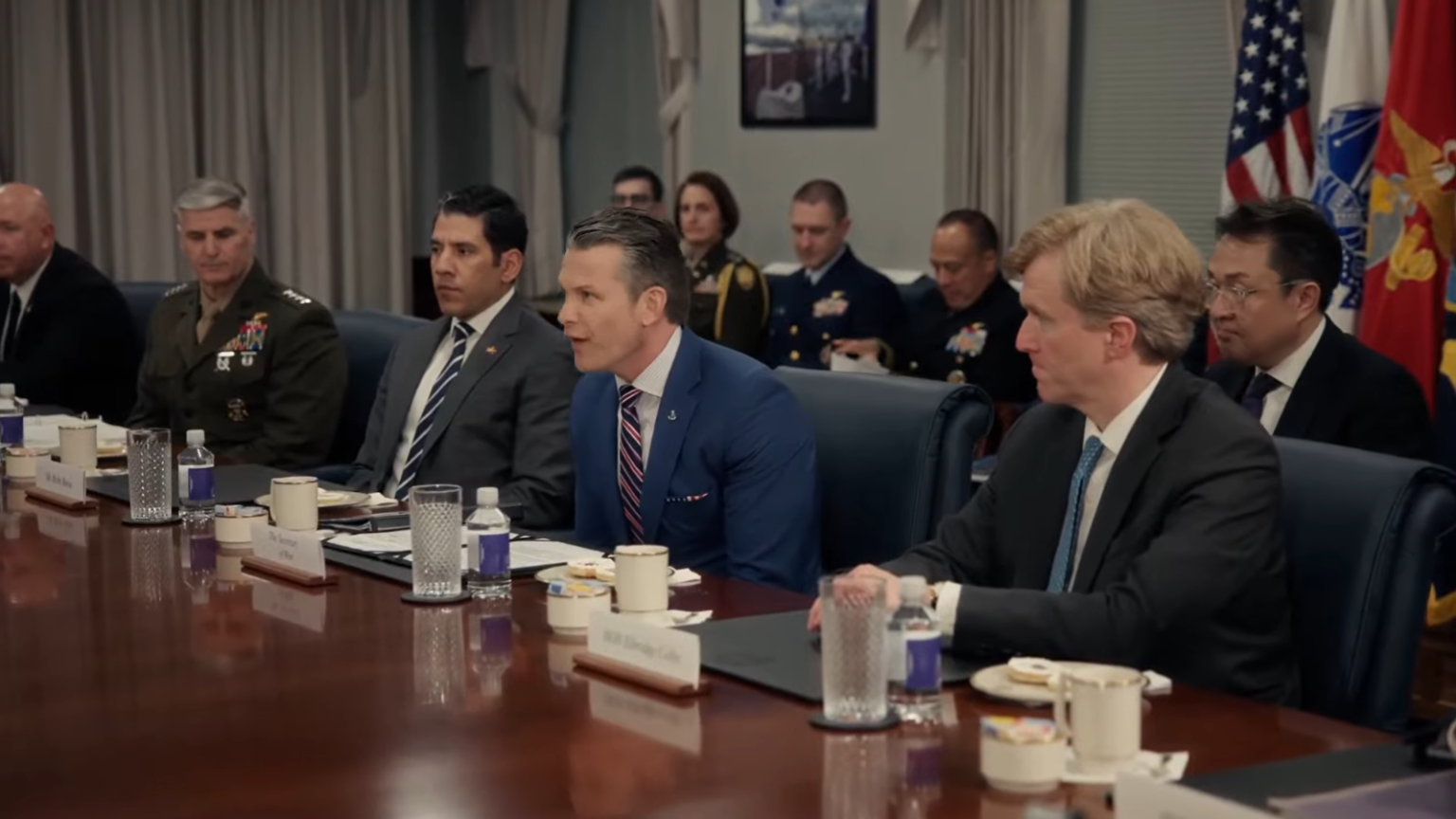
WASHINGTON — High-level internal dissent within the Pentagon has spilled into the public eye following a leak revealing that top U.S. military commanders formally warned Defense Secretary Pete Hegseth that prolonging large-scale combat operations against Iran is unsustainable and severely risks eroding American defense capabilities worldwide.
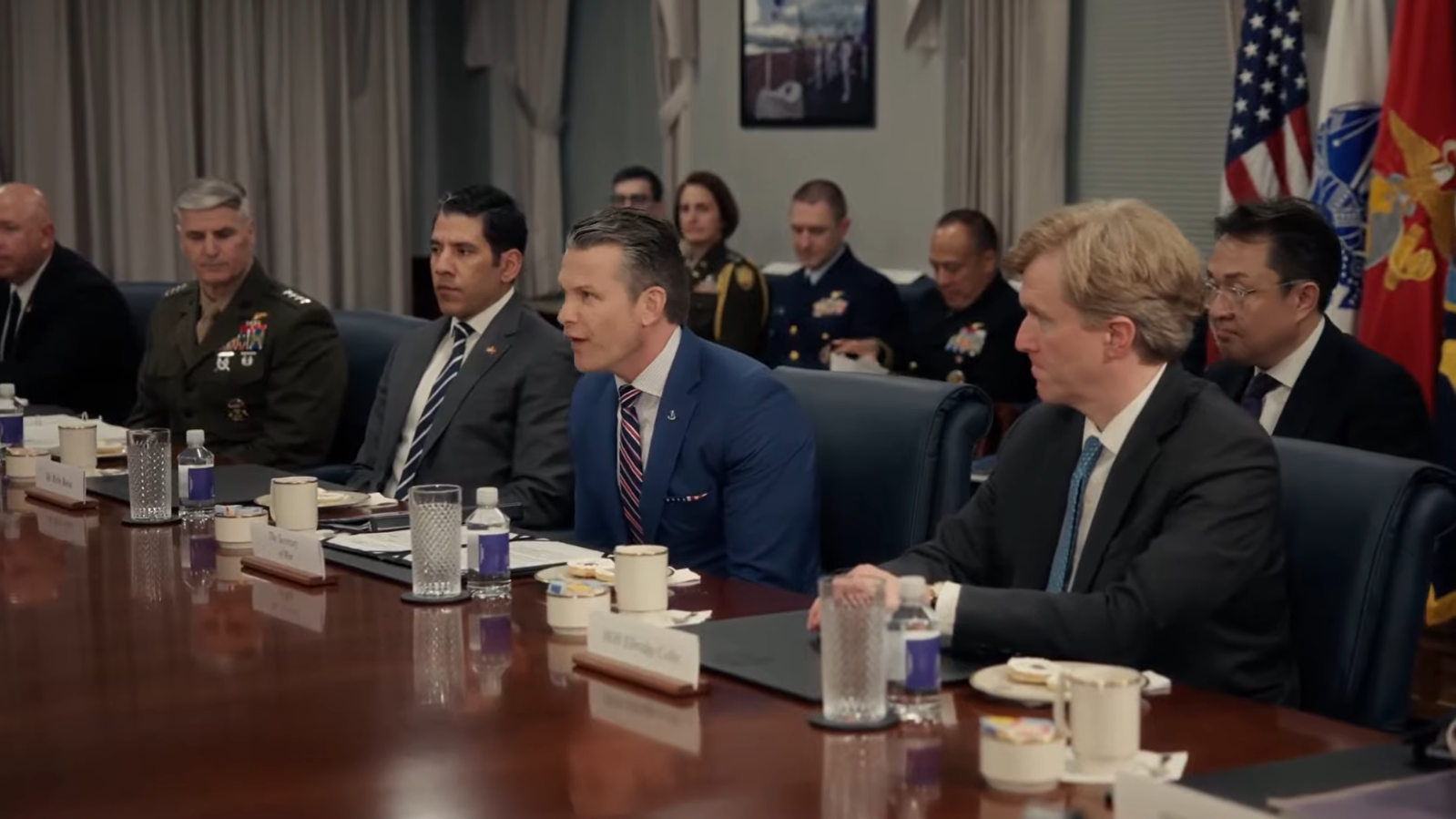
The revelations, first reported by The Washington Post, center on the August 14 edition of the classified Secretary of Defense Orders Book (SDOB). In the document, multiple four-star commanders and service chiefs issued formal “non-concur” responses regarding orders to extend Middle East deployments through late 2026 and into 2027.
Internal Dissent in the Secretary’s Orders Book
The Secretary of Defense Orders Book is a twice-monthly classified directive outlining global troop allocations, asset availability, and operational directives. According to sources familiar with the assessment, commanders expressed frank and unprecedented pushback against force extensions given the lack of an operational end state.
SDOB AUGUST 14 COMMANDER ASSESSMENTS
┌───────────────────────────────────────────────────────────────────────────────────┐
│ COMMAND / SERVICE   │ FORMAL POSITION │ PRIMARY RISK CITED                        │
├─────────────────────┼─────────────────┼───────────────────────────────────────────┤
│ US Navy (CNO)       │ Non-Concur      │ <25% Destroyer fleet ready; endless scope  │
│ US Pacific Command  │ Non-Concur      │ Strain from diverted Carrier Strike Group │
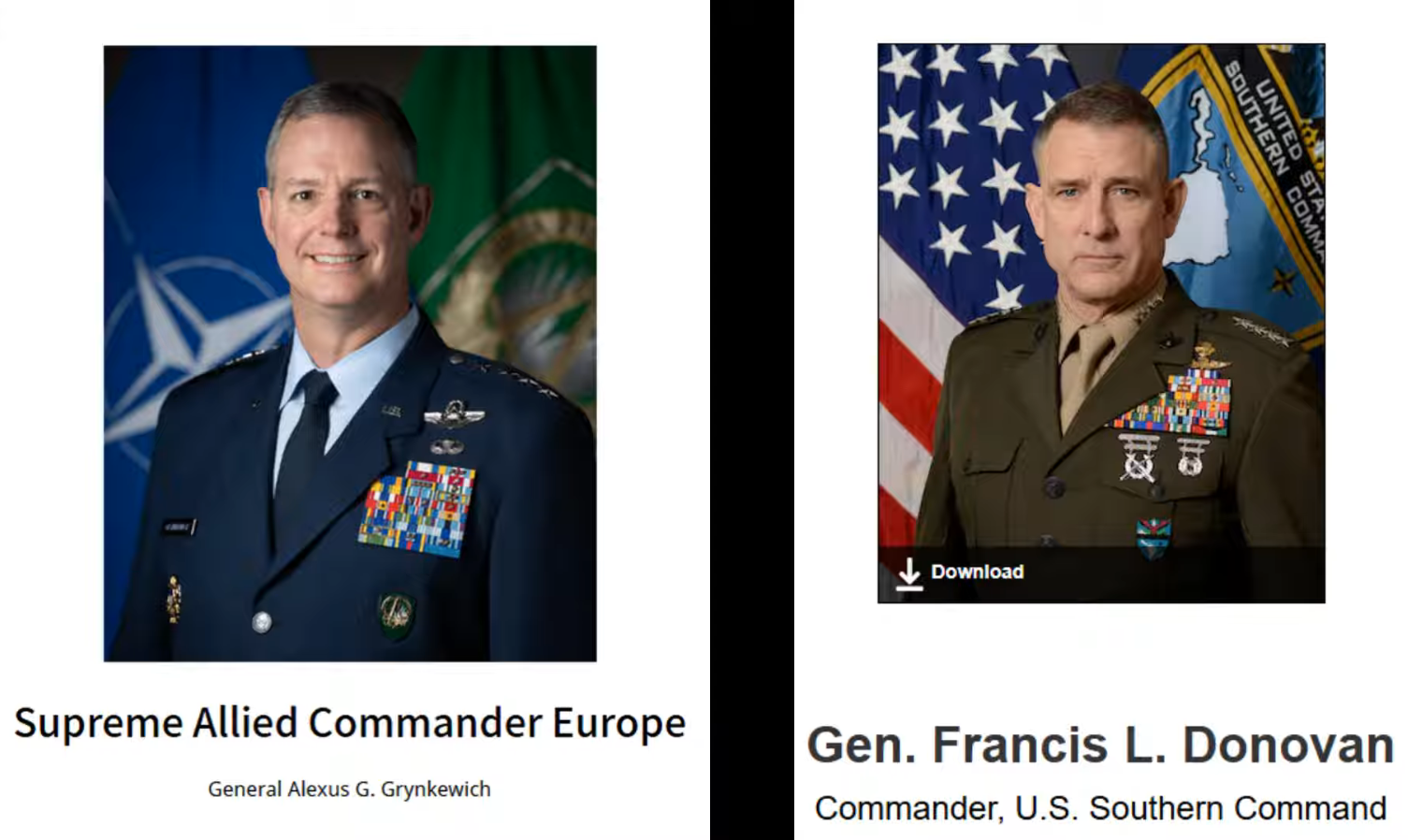
│ US European Command │ Non-Concur      │ Degradation of forward homeland defense   │
│ US Southern Command │ Non-Concur      │ Resource drain / surveillance shortfalls  │
│ US Army / Air Force │ Concur (w/ Risk)│ Prolonged readiness strain into 2027      │
└───────────────────────────────────────────────────────────────────────────────────┘
- Navy Readiness Concerns: Chief of Naval Operations Admiral Daryl Caudle offered the starkest assessment, warning that barely one-quarter of the U.S. Navy’s destroyer fleet remains ready to deploy—a sharp drop from pre-war readiness levels.
- Pacific Command Pullback: Admiral Samuel Paparo, head of U.S. Pacific Command, pushed back against the continuous diversion of critical naval assets, including aircraft carrier strike groups and destroyers, away from Indo-Pacific deterrence.
- Deployment Extensions: Corroborating the leaks, elements of the 82nd Airborne Division forward-deployed to the Middle East received official extension orders pushing their deployment to a full year.
Escalation On the Ground: Lethal Strikes and Economic Pressure
Despite internal warnings regarding force strain, active combat operations continue to flare. Recent reports confirm U.S. forces carried out lethal strikes targeting two Iranian rocket launchers on Lorac Island after Islamic Revolutionary Guard Corps (IRGC) personnel prepared to deploy sea mines into the Strait of Hormuz.
Simultaneously, the administration has pivoted toward economic warfare to force Tehran to the negotiating table. Following Treasury Secretary Scott Bessent’s announcement of “Operation Economic Outcast” (dubbed “Economic D-Day”), initial execution included secondary sanctions targeting foreign banking branches handling Iranian transactions in the UAE.
Pentagon Pushback: Official and Unofficial Responses
The leaks drew fierce pushback from Defense Department officials, who defended internal deliberate processes while attacking the disclosure:

'Our Military Is Helpless': Migrant Ambush Targeting Military Vehicles In Ceuta Was Pre-Planned, Police Claim
Via Remix News, The attack targeting a military patrol in the Benzú…

Shocking Vandalism Sparks Massive Community Rally at Pennsylvania Playground Over Hate
PHILADELPHIA — In the wake of a disheartening act of vandalism that…

Woman suffers in jail for 2 weeks after Flock camera falsely identified her car
A Florida woman recounted her horrific experience being arrested and jailed for…
![Wanted: Suspect for Theft of a Dog in the 35th District [UPDATE]](https://thephillypi.com/wp-content/uploads/2026/09/Wanted-Suspect-for-Theft-of-a-Dog-in-the-35th-768x512.jpg)
Wanted: Suspect for Theft of a Dog in the 35th District [UPDATE]
***THE VICTIM’S DOG HAS BEEN RETURNED BY A GOOD SAMARITAN AND THIS…

Massive Free Laptop Upgrade Reveals Genius Ways To Save Serious Tech Cash
Welcome back to the tech desk here at The Philly PI. In…
A Forested Island the Size of Two Football Fields Appeared Out of Nowhere in Canada. Then It Mysteriously Vanished
Still from footage of the reported new island at Williston. Credit: Facebook.…
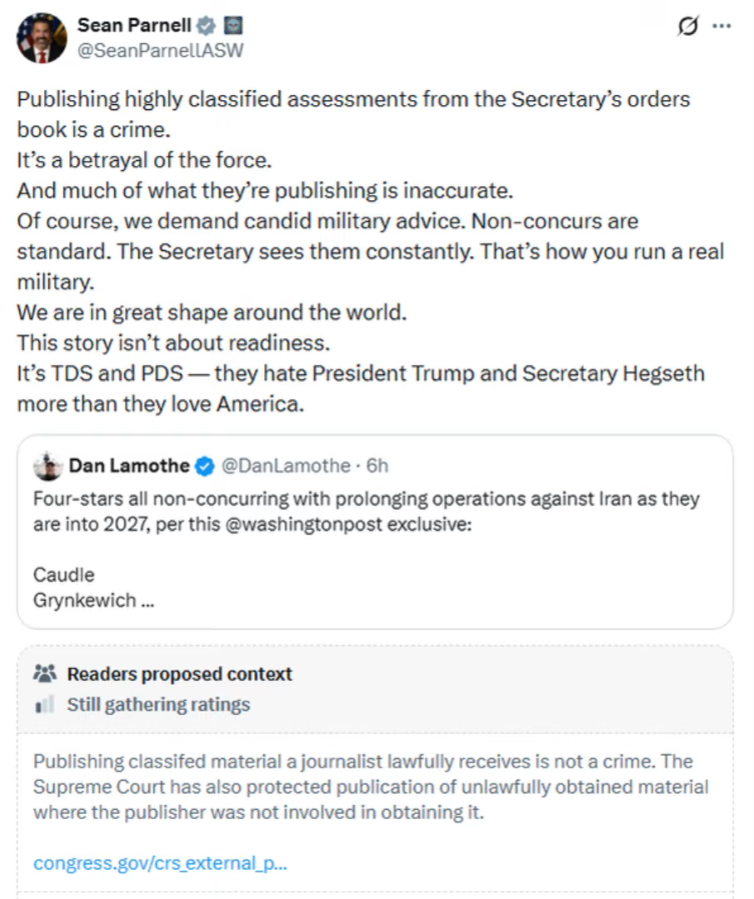
- Official Pentagon Response: Pentagon spokesman Sean Parnell emphasized that candid debate and non-concurrence are standard military procedures. “Publishing highly classified assessments from the secretary’s order book is a crime,” Parnell stated, attributing the narrative to “Trump Derangement Syndrome” and operational distortion.
- Unofficial Rhetoric: Unofficial commentary from uniformed personnel within the defense secretary’s office escalated rhetoric further, accusing media outlets reporting on the leak of working against American service members in combat.
As combat operations stretch past six months without a clear diplomatic resolution, the widening gap between civilian strategy and military capacity remains a central point of friction inside the Pentagon.