









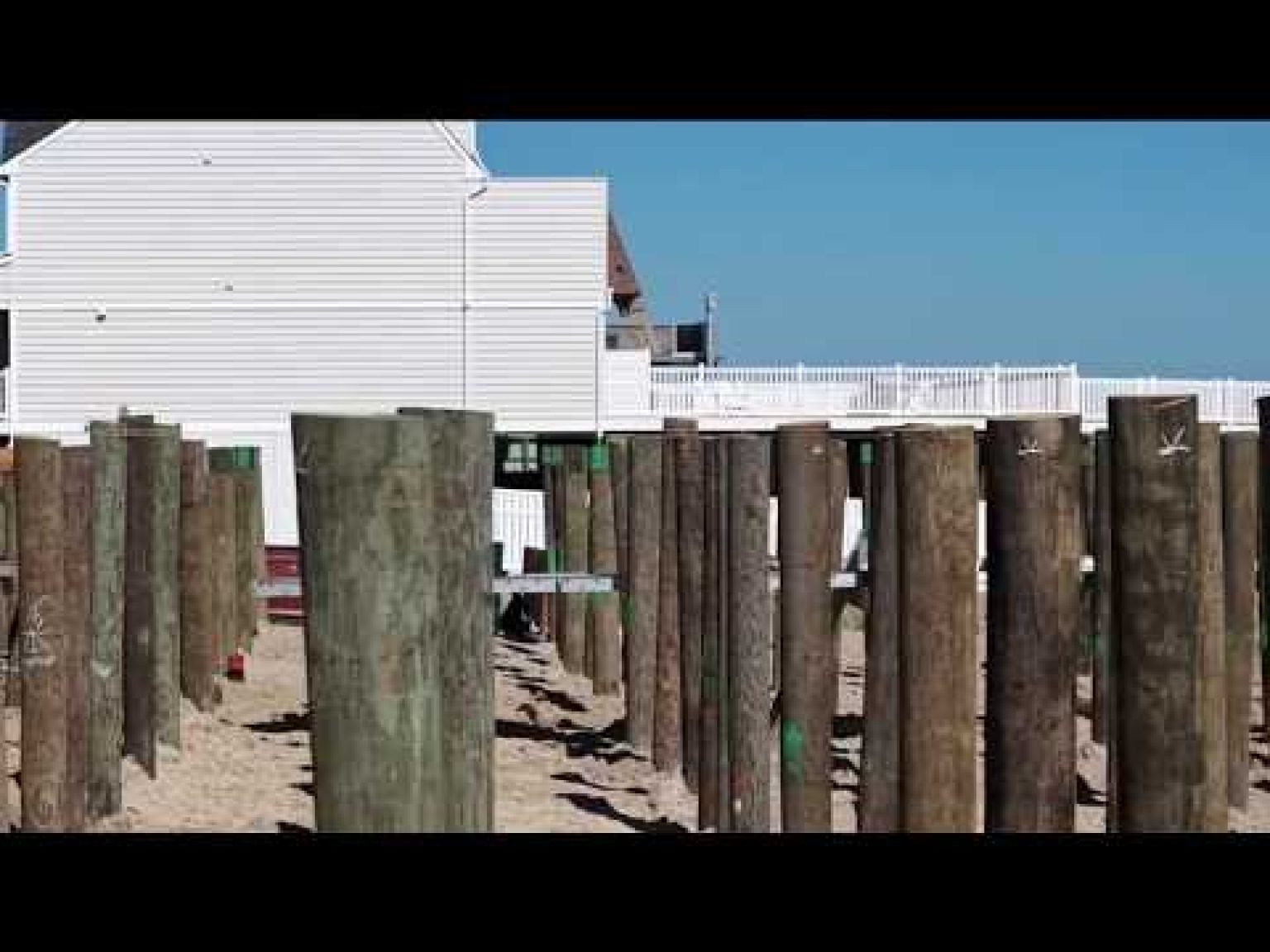
PHILADELPHIA — Fourteen years after Superstorm Sandy carved a path of unprecedented destruction across the coastline, the Jersey Shore and the wider Delaware Valley continue to grapple with the long-term realities of coastal vulnerability, infrastructure modernization, and community resilience. For Tri-State area residents, the memory of October 2012 remains a stark watershed moment that fundamentally changed how local municipalities approach urban planning, emergency management, and environmental protection.
As detailed in recent reporting by NBC10 Philadelphia, the ongoing multi-year recovery and fortification efforts offer a comprehensive look at how communities from Atlantic City to the barrier islands have evolved. While millions of federal and state dollars have been channeled into rebuilding efforts, local leaders and urban planners emphasize that the goal is no longer just returning to the status quo, but engineering a region capable of withstanding the next major weather anomaly.
A Region Transformed: The Legacy of October 2012
When Superstorm Sandy made landfall as a post-tropical cyclone, it brought catastrophic storm surges, widespread power outages, and severe property damage that displaced thousands of families. Coastal communities bore the brunt of the meteorological fury, but inland areas throughout Pennsylvania, New Jersey, and Delaware also suffered from severe flooding and wind damage. Critical transportation networks, including regional transit lines and major highways, were paralyzed for days.
In the wake of the disaster, local governments faced intense pressure from residents and business owners to secure federal aid and implement robust protective measures. State agencies across the Delaware Valley quickly realized that traditional infrastructure was no match for rising sea levels and increasingly severe storm systems driven by changing climate patterns.
Engineering Resilience: Fortifying the Coastline and Inland Watersheds
Over the past decade and a half, municipal and state leaders have spearheaded massive engineering projects designed to safeguard vulnerable populations. From elevated roadways and reinforced bulkhead systems to newly constructed dunes and replenished beaches, the physical landscape of the Tri-State coastline looks remarkably different than it did in 2012.
IMPENETRABLE MONSTER: Inside the Colombian Fortress That Obliterated Britain’s Greatest Fleet
CARTAGENA, COLOMBIA — Towering over San Lázaro Hill in Cartagena stands the…

CIA Chief's Moscow Trip Was About Iran, Not A NATO Warning: Estonia's Ex-President
Speculation has abounded over the nature of CIA Director John Ratcliffe's surprise Tuesday…

SAUDI DEFENSE PAPER TIGER: FOREIGN CONTRACTORS AND INTEL LEAKS IN YEMEN
RIYADH — As geopolitical volatility escalates across the Arabian Peninsula, Saudi Arabia’s…
Meuser Chairs FSC Oversight & Investigations Committee Hearing in Little Rock
As congressional oversight intensifies across the nation, U.S. Representative Dan Meuser (PA-09)…

French Rafales and South Korean F-35As Deepen Strategic Airpower Cooperation in the Indo-Pacific
South Korean F-35A stealth fighters trained alongside French Rafales at Cheongju Air…

State environmental protection agencies have worked closely with the U.S. Army Corps of Engineers to execute large-scale coastal storm risk management projects. Property owners have also taken proactive steps, utilizing state and federal grants to elevate homes above flood levels or participate in voluntary buyout programs in repetitive-loss areas. For official guidelines on property mitigation and state-backed disaster preparedness resources, residents frequently consult the State of New Jersey official portal for ongoing updates regarding regional resiliency initiatives.
Economic Impacts and the Tourism Rebound
Beyond structural engineering, the economic recovery of the Jersey Shore and surrounding regional hubs has been nothing short of remarkable. Tourism—the lifeblood of many coastal municipalities—faced an existential threat immediately following the storm. However, local business associations, hospitality workers, and municipal leaders galvanized to ensure that boardwalks, hotels, and local storefronts reopened ahead of subsequent summer seasons.
Federal assistance programs, including community development block grants for disaster recovery, provided critical financial lifelines to small businesses struggling to cover uninsured losses. Today, local economies are generally more diversified, and business owners maintain more sophisticated emergency response protocols to minimize downtime during severe weather events.
Community Adaptation and Psychological Recovery
The human element of the 14-year recovery journey is perhaps the most profound. For many families, rebuilding homes meant navigating a labyrinth of insurance claims, zoning changes, and building code updates. Local community groups, non-profits, and faith-based organizations played an indispensable role in providing emotional support and physical labor during the darkest days of the immediate aftermath.
Emergency management officials stress that public awareness remains a cornerstone of modern community safety. Improved early-warning systems, more accurate meteorological forecasting models, and streamlined evacuation procedures ensure that local residents are better prepared today than they were when Sandy struck.
Looking Ahead: Preparing for Future Weather Threats
As the Delaware Valley looks past the 14-year milestone, regional stakeholders remain vigilant. Municipal planners continue to incorporate climate projections into long-term master plans, recognizing that infrastructure investments must account for future environmental pressures. Whether through green infrastructure projects designed to absorb urban stormwater runoff in Philadelphia or massive dune restorations along the Atlantic coast, the overarching philosophy has shifted from reactive repair to proactive adaptation.
Local journalists and investigators will continue to monitor how taxpayer funds are utilized and whether completed projects deliver the promised protection as the region faces future storm seasons. For continuous updates on local weather alerts, emergency planning, and regional news coverage, viewers continue to turn to trusted local journalism outlets like NBC10 Philadelphia.
[tags]Hurricane Sandy, Philadelphia News, Jersey Shore Recovery, NBC10 Philadelphia, Coastal Resilience, Weather Preparedness, Tri-State News[/tags]