








A striking narrative has taken center stage in global health and policy debates surrounding Canada’s Medical Assistance in Dying (MAID) initiative. Headlines and viral commentators are sounding alarm bells, drawing stark comparisons between Canadian end-of-life options and major societal crises worldwide.
What They Aren’t Telling You
The figures—and the nuances behind them—reveal a significant shift in Canada’s healthcare system.
The Numbers Behind the Canada MAID Program
Data from Health Canada’s annual monitoring reports highlight the steady expansion of the MAID program:
- 5% of Total Deaths: According to government data, 16,499 Canadians received medically assisted deaths in 2024, representing approximately 5.1% of all deaths nationwide. While some regional pockets (such as specific health zones in Quebec or Vancouver Island) report higher rates nearing 7–10%, the overall national average sits at 1 in 20 deaths, rather than 1 in 10.
- The U.S. Gun Homicide Comparison: In 2024, Canada’s total MAID deaths (16,499) surpassed total annual firearm homicides in the United States (~15,300–15,400). While the total volume of assisted deaths in Canada exceeded American gun homicides that year, the comparison involves distinct demographics and contexts: the average MAID recipient in Canada is nearly 78 years old navigating terminal illnesses like cancer, whereas U.S. firearm homicides primarily impact younger demographics.
┌─────────────────────────────────────────────────────────────┐
│              2024 DATA COMPARISON AT A GLANCE               │
├────────────────────────────────┬────────────────────────────┤
│ Canada MAID Deaths             │ ~16,499 (5.1% of all deaths)│
│ U.S. Firearm Homicides         │ ~15,364                    │
│ Avg. Age of MAID Recipient     │ 77.9 Years                 │
│ Primary Underlying Condition   │ Cancer / Oncology (~67%)   │
└────────────────────────────────┴────────────────────────────┘

Why Is the MAID Program Expanding?
Canada legalized assisted dying in 2016 following the Supreme Court’s Carter v. Canada ruling. Since then, the eligibility criteria have expanded:

Scientists Found an Amazing Reason Some Lava Worlds Can Keep Their Atmospheres Against All Odds
Worlds like 55 Cancri e seem almost designed to destroy an atmosphere.…

Falklands Emerge As US Leverage Tool Against Britain To Ramp Defense Spending
A new report from The Telegraph says the Trump administration is using…

U.S. CISA adds a flaw in BeyondTrust RS and PRA to its Known Exploited Vulnerabilities catalog
The U.S. Cybersecurity and Infrastructure Security Agency (CISA) adds a flaw in…

ApolloMD data breach impacts 626,540 people
A May 2025 cyberattack on ApolloMD exposed the personal data of over…
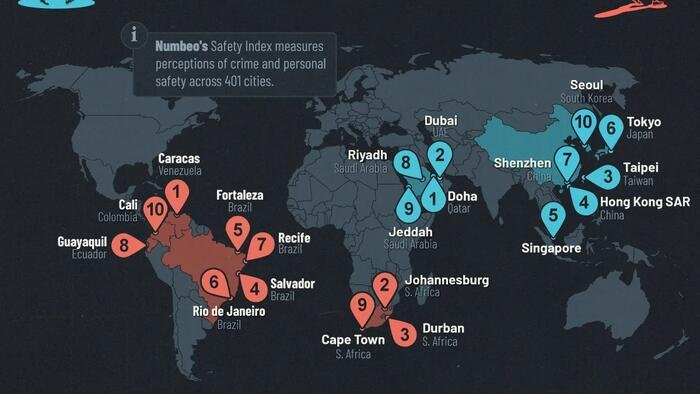
These Are The World's Safest (And Least Safe) Cities
Doha ranks as the safest major city in the world in 2026,…

Shadow Capital: Inside the Whistleblower Lawsuits and Media Silence Surrounding Ideal Living LLC
LOS ANGELES — Inside the lucrative, highly competitive direct-to-consumer wellness industry, corporate…
- Removal of “Reasonably Foreseeable” Death Requirement (Bill C-7): In 2021, legislative changes created two tracks:
- Track 1: Individuals whose natural death is reasonably foreseeable (accounting for ~95% of cases).
- Track 2: Individuals with severe, chronic non-terminal conditions.
- Access and Healthcare Integration: Unlike many U.S. states where assisted dying remains heavily restricted or illegal, Canada’s single-payer public healthcare system integrates MAID directly as a standard end-of-life care option.

The Global Debate: Compassion or Slippery Slope?
The rapid rise of MAID has sparked intense international discussion between proponents and critics.
Proponents Argue:
- Autonomy & Dignity: Individuals suffering from terminal, intolerable conditions retain the personal right to choose a peaceful end on their own terms.
- Pain Management: Over 67% of MAID applicants suffer from late-stage cancer, with others experiencing severe cardiovascular or respiratory failure.
Critics Argue:
- Socioeconomic Pressure: Reports have highlighted edge cases where vulnerable individuals—facing poverty, homelessness, or long waits for disability support—inquired about MAID due to a lack of social safety nets.
- Slippery Slope Concerns: Debates continue over planned expansions into complex areas, including sole mental health conditions, prompting calls for stricter safeguards and oversight.
What’s Next?
As Canada approaches a decade of legal MAID, policy leaders and ethicists continue to weigh individual autonomy against patient protection. The debate remains one of the most significant legal, medical, and ethical conversations of the modern era.