





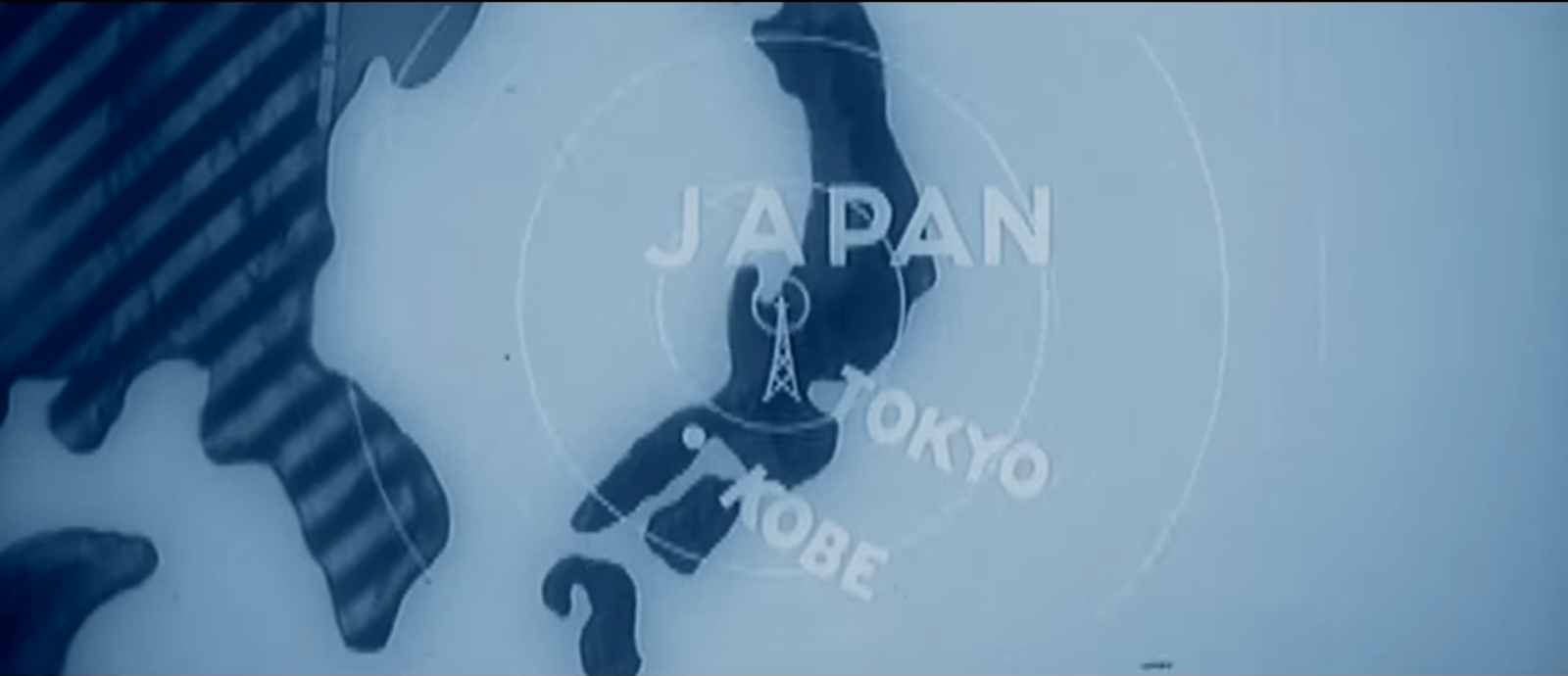
In August 1945, General Douglas MacArthur stepped off his aircraft at Atsugi Aerodrome, paused at the top of the ramp, and lit his corncob pipe. The iconic, carefully calculated photo opportunity marked the dawn of the American occupation—a mission framed around a single, ambitious imperative: instilling Western democracy in a conquered nation. Japanese society saw its traditions upended through sweeping purges, censorship of Kabuki plays and atomic bombing accounts, and the prosecution of wartime leadership.
Yet, behind the public theater of demilitarization, the true economic engine of post-war Japan was not built by American free-market principles, but resurrected directly from the machinery of wartime fascism.
+-----------------------------------------------------------------------+
|                    THE TRANSITION OF JAPAN'S POWER STRUCTURE          |
+-----------------------------------------------------------------------+
|  Wartime Fascist Bureaucracy  --->  Wartime Banking System Mobilization |
|              |                                     |                  |
|              v                                     v                  |
|   1951 General Amnesty               "Window Guidance" Credit Alloc.  |
|              |                                     |                  |
|              v                                     v                  |
|  Post-War Elite & LDP Leadership     Post-War "Miracle" Growth & Bubble|
+-----------------------------------------------------------------------+
The Unbroken Elite: Bureaucrats and the War Economy
While figures like General Hideki Tojo faced trial and execution, much of the underlying wartime state remained virtually untouched. In the immediate aftermath of the war, Japan’s banking sector was functionally bankrupt, loaded with bad war bonds and loans to destroyed factories. The Bank of Japan quietly resolved this by purchasing worthless paper using newly generated reserves.

Following the 1951 amnesty for suspected war criminals, wartime bureaucrats returned en masse to run the state. Kishi Nobusuke—a former Class-A war crimes suspect who served as Tojo’s Minister of Commerce and Industry overseeing wartime slave labor—subsequently became Prime Minister in 1957. Alongside former Home Ministry officials and corporate leaders, these figures forged the Liberal Democratic Party (LDP), backed by industrial wealth, syndicated operations, and American strategic funding. For nearly forty years, the political machine that steered Japan was led by the very architects of its wartime expansion.

Lindsay Clancy judge allows jury to convict her of manslaughter over murder
Judge William Sullivan, who is presiding over the ongoing Lindsay Clancy murder…

THE SPRING OF GOLIATH: HOW TURKIC WARRIORS SHATTERED MONGOL INVINCIBILITY AT AIN JALUT
By September 1260, the Mongol Empire felt less like an earthly army…
Trump Stuns By Outright Dismissing Notion Putin Preparing To Attack A NATO State
President Trump has added fuel to the fire of controversy and speculation…

Simply Sniffing Dark Chocolate Helped Men Squeeze Out 18 More Reps in the Gym During Leg Day
Credit: Unsplash. Could the smell of chocolate wafting through the gym make…

US-Backed SDF Leader Joins Sharaa Regime As Presidential Advisor After Kurdish Force Dissolved
Via The Cradle Self-proclaimed Syrian President Ahmad al-Sharaa has appointed Kurdish leader…

Apple fixed first actively exploited zero-day in 2026
Apple fixed an exploited zero-day in iOS, macOS, and other devices that…

The Engine Room: “Window Guidance” and Directed Credit
The secret behind Japan’s rapid industrial resurrection—the celebrated “Economic Miracle”—was not an unmitigated free market. It was a wartime command economy adapted to output consumer goods.
While the Ministry of Finance held broad administrative authority over standard fiscal policy, actual economic command resided with the Bank of Japan through an informal mechanism known as Window Guidance.
+-----------------------------------------------------------------------+
|                       THE WINDOW GUIDANCE CYCLE                       |
+-----------------------------------------------------------------------+
|   1. Bank of Japan dictates quarterly loan growth quotas to banks     |
|   2. Credit is targeted exclusively to key strategic industrial sectors|
|   3. Corporate sector competes for market share rather than profit    |
|   4. High-volume output drives rapid national & export expansion      |
+-----------------------------------------------------------------------+
Rather than using interest rates to balance supply and demand, the Central Bank dictated the precise volume and sector allocation of bank loans on a quarterly basis. Under this strict arrangement:
- Production over Profit: Companies fought for absolute market share rather than immediate shareholder returns, leading to rapid scaling and heavy export dominance.
- Controlled Competition: Bank rankings remained artificially static for decades because the Central Bank explicitly restricted or expanded each institution’s lending allowances.
- Equitable Wealth: Income distribution remained unusually even across the general population, driving a massive increase in living standards.
By the 1980s, Japan had emerged as the second-largest economy on the planet, prompting global panic over American competitiveness and fueling bestseller lists with corporate manuals analyzing samurai philosophy.
Engineered Bubble: The Path to Forced Reform
By the mid-1980s, international pressure and domestic central bankers called for a fundamental transformation: dismantling the war-economy model in favor of open, U.S.-style market capitalism. However, entrenched interests across the Ministry of Finance, corporate cartels, and the LDP resisted structural dissolution.
Historical precedent demonstrated that entrenched bureaucratic systems rarely yield without a crisis. To force this paradigm shift, central bank officials used Window Guidance to dramatically pump liquidity into the system:
- Forced Credit Expansion: Throughout the late 1980s, the Bank of Japan raised yearly loan quotas near 15%, forcing commercial banks to push massive loans onto non-productive assets like real estate and equities.
- Speculative Frenzy (“Zai Tech”): Manufacturing giants began operating internal hedge funds using cheap credit to speculate on stocks and property, often earning more from financial engineering than core manufacturing.
- Asset Hyper-Inflation: Between 1985 and 1989, land and stock values skyrocketed over 240%. At the height of the bubble, the real estate value of Tokyo’s Central Chiyoda Ward exceeded the valuation of all land in Canada.
+-----------------------------------------------------------------------+
|                    THE SPECULATIVE BUBBLE VS. THE CRASH               |
+-----------------------------------------------------------------------+
| 1985–1989: Asset Expansion        | 1990–2000s: The Great Collapse    |
+-----------------------------------+-----------------------------------+
| * Stocks & Land rise ~240%+       | * Nikkei drops 32% in 1990 alone  |
| * 75% of U.S. Treasuries bought   | * Urban land values plummet 84%   |
| * Imperial Palace grounds equal   | * Over 200,000 corporate bankruptcies|
|   value of California             | * Decades of stagnation & reform  |
+-----------------------------------+-----------------------------------+
The Great Collapse and the Unmaking of the System
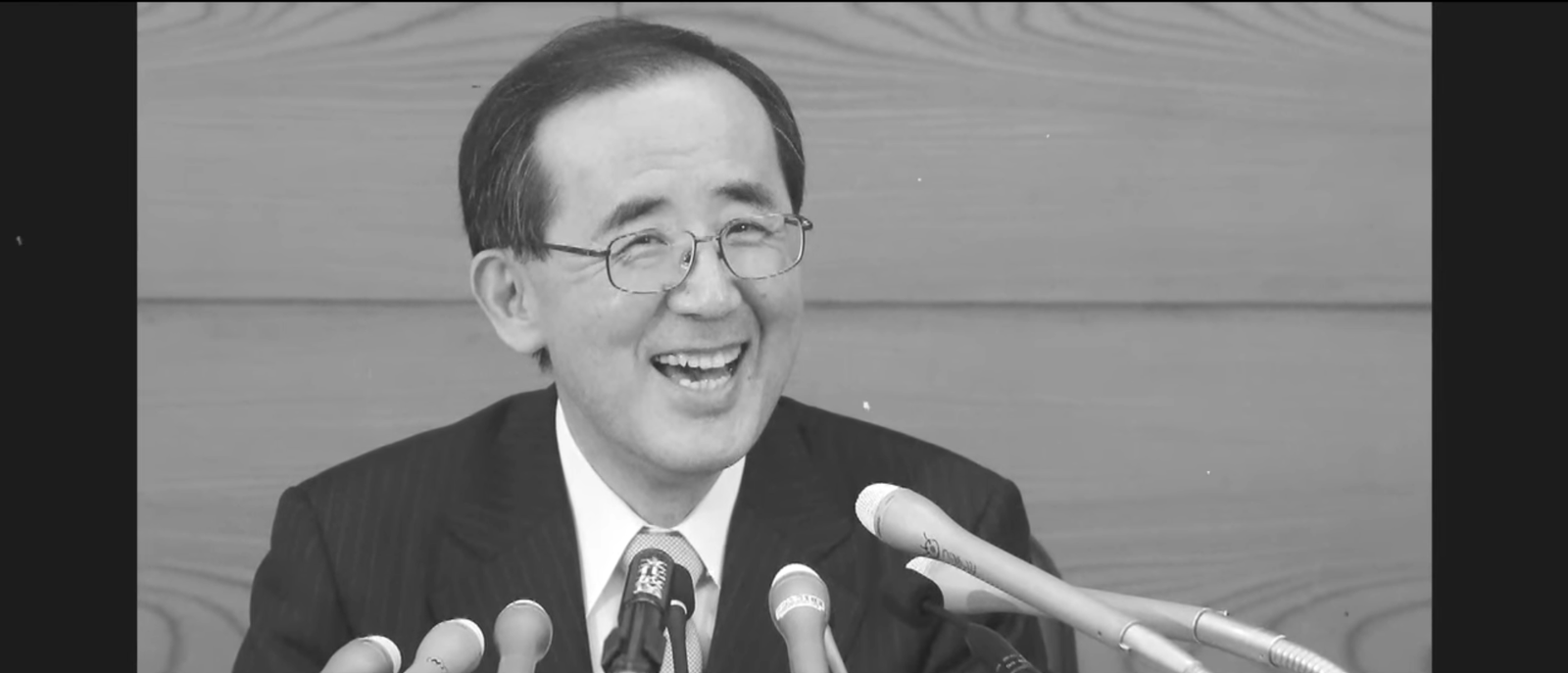
In late 1989, newly appointed Bank of Japan Governor Yasushi Mieno clamped down on real estate lending, abruptly popping the speculative bubble. The stock market tumbled immediately, leading to a decade-long deflationary spiral, hundreds of thousands of corporate bankruptcies, and a total collapse of asset values.

Despite repeated pleas from the Ministry of Finance and elected officials to expand the money supply and bail out struggling financial institutions, central bank policy maintained restrictive liquidity. The resulting prolonged economic hardship achieved what decades of political negotiation could not: it discredited the Ministry of Finance, broke the dominance of post-war cartels, and cleared the way for widespread deregulation, structural realignment, and Western-style corporate governance across Japan.