







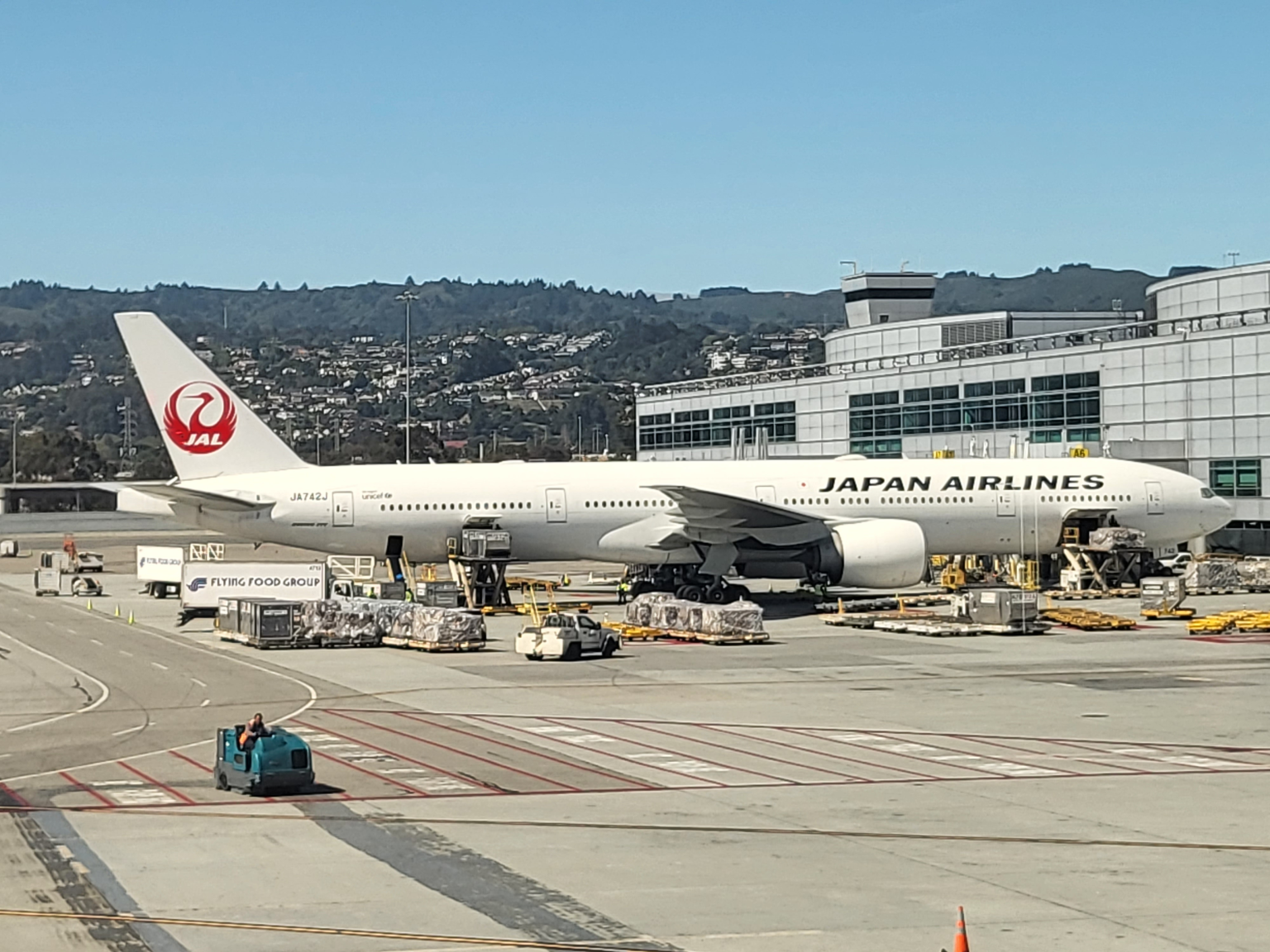
Japan Airlines, JAL Group, Aviation Business Strategy, ESG Investment, Fleet Renewal, Airline Financials
As of April 2026, Japan Airlines (JAL) has transitioned from post-pandemic recovery to an aggressive, future-proof growth phase. Following the launch of its “JAL Group Management Vision 2035” in March, the carrier is positioning itself not just as a traditional airline, but as a resilient travel ecosystem capable of weathering global economic shifts.
With an upwardly revised EBIT forecast of 205 billion yen for the fiscal year ending March 2026, JAL is proving that its pivot toward high-margin domestic services and expanded LCC (Low-Cost Carrier) operations is paying off.
1. The Resilient Portfolio Strategy
The core of JAL’s current business model is the “Three Axes” of transformation: Growth, Sustainability, and Social Impact. The group aims to nearly double its consolidated EBIT to 350 billion yen by 2035 by diversifying its revenue streams.

European Commission probes cyberattack on mobile device management system
The European Commission is investigating a cyberattack after detecting signs that its…

U.S. Pushes 70-Year-Old B-52 Bomber Into 2050s With F130 Engines – AESA Radar and Strike Upgrades
The U.S. Air Force is pushing ahead with one of the most…

Senate Blocks Report on Deaths of 9 Americans in the West Bank After Key 47–51 Vote
WASHINGTON, D.C. — In a 47–51 roll-call vote, the United States Senate…

Berlin built a wall around the AfD. Voters just smashed it
On the night of September 7, 2026, the results of landmark state…
U.S. Expands F-35 Fighter Jet Support Network With $871 Million for Dispersed Combat Operations
The United States is expanding the sustainment network supporting its F-35 Lightning…

Ancient Colombians Built a Landscape Bigger Than London Without Needing a Ruler
Satellite imagery of northern Colombia’s wetlands revealed an extraordinary human experiment: thousands…
- LCC Expansion: While the Full-Service Carrier (FSC) remains the flagship, JAL is accelerating growth through ZIPAIR and SPRING JAPAN. By 2030, international capacity is expected to increase by 1.3 times compared to 2025 levels, capturing the massive surge in inbound tourism to Japan.
- Non-Aviation Revenue: JAL is leaning heavily into its Mileage & Lifestyle business. By integrating financial services and daily commerce into the JAL Card ecosystem, the company targets an EBIT of 70 billion yen in this segment alone by 2030.
2. Fleet Renewal and Premium Experiences
To support this growth, JAL has committed to a massive resource allocation of over 2 trillion yen over the next five years.
- New Aircraft: Starting in fiscal year 2026, JAL will begin receiving the Boeing 737-8, with operations slated for 2027. This coincides with the continued rollout of the Airbus A350-1000 for long-haul flagship routes and the upcoming Airbus A321neo for regional efficiency.
- First Class Ubiquity: A key strategic shift in 2026 is the expansion of First Class service to new domestic routes, such as the Osaka (Itami) – Sapporo (New Chitose) line. This is part of a broader “premiumization” strategy to increase yields per passenger.
3. The “GX” (Green Transformation) Mandate
Sustainability is no longer a side project for JAL; it is a financial imperative. The airline has tied officer remuneration to CO₂ reduction targets and is aggressively pursuing Sustainable Aviation Fuel (SAF).
- SAF Domestic Task Force: JAL has established a dedicated unit to secure domestic SAF supplies, including biofuels derived from used cooking oil and wood-derived bioethanol.
- Weight Reduction: In a move toward digital efficiency, JAL moved its in-flight shopping and magazines to a fully digital environment in March 2026, significantly reducing aircraft weight and fuel consumption.
Efficiency Through Technology
With Japan facing a shrinking working-age population, JAL is investing 260 billion yen in DX (Digital Transformation). This includes the deployment of Level 4 autonomous ground handling at major airports and AI-driven revenue management to ensure that every seat—and every cargo hold—is optimized for maximum profit.
The Bottom Line: Japan Airlines is no longer just flying planes; it is building a “Well-being Ecosystem.” By balancing high-tech operational efficiency with a deep focus on premium customer empathy, JAL is setting a high bar for the global aviation industry in 2026.
Does JAL’s aggressive shift toward non-aviation “Lifestyle” revenue provide a sustainable buffer against future fuel price volatility, or will the airline’s success remain tethered to the traditional travel cycle?