





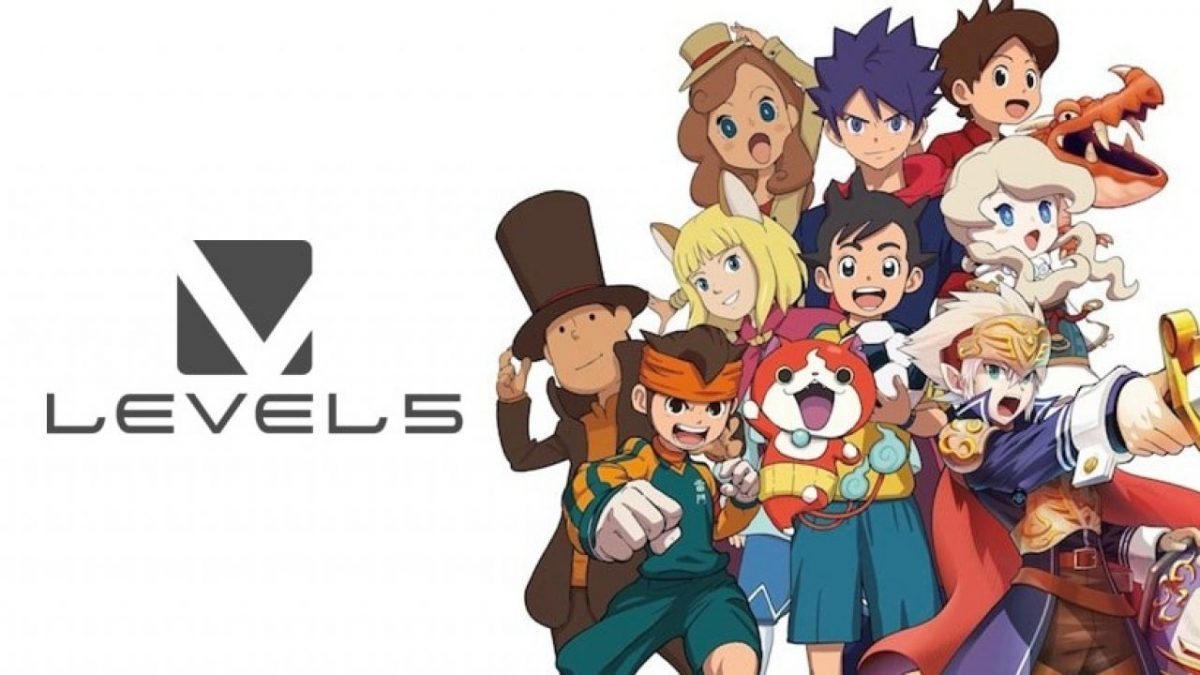
In the landscape of international game development, few studios have successfully bridged the gap between niche RPG depth and mainstream “lifestyle” appeal quite like Level-5. Founded in 1998 by Akihiro Hino in Fukuoka, Japan, the studio has evolved from a dependable contract developer into a media juggernaut responsible for some of the most recognizable intellectual properties in the industry.

The Early Era: Building the Foundation (1998–2003)
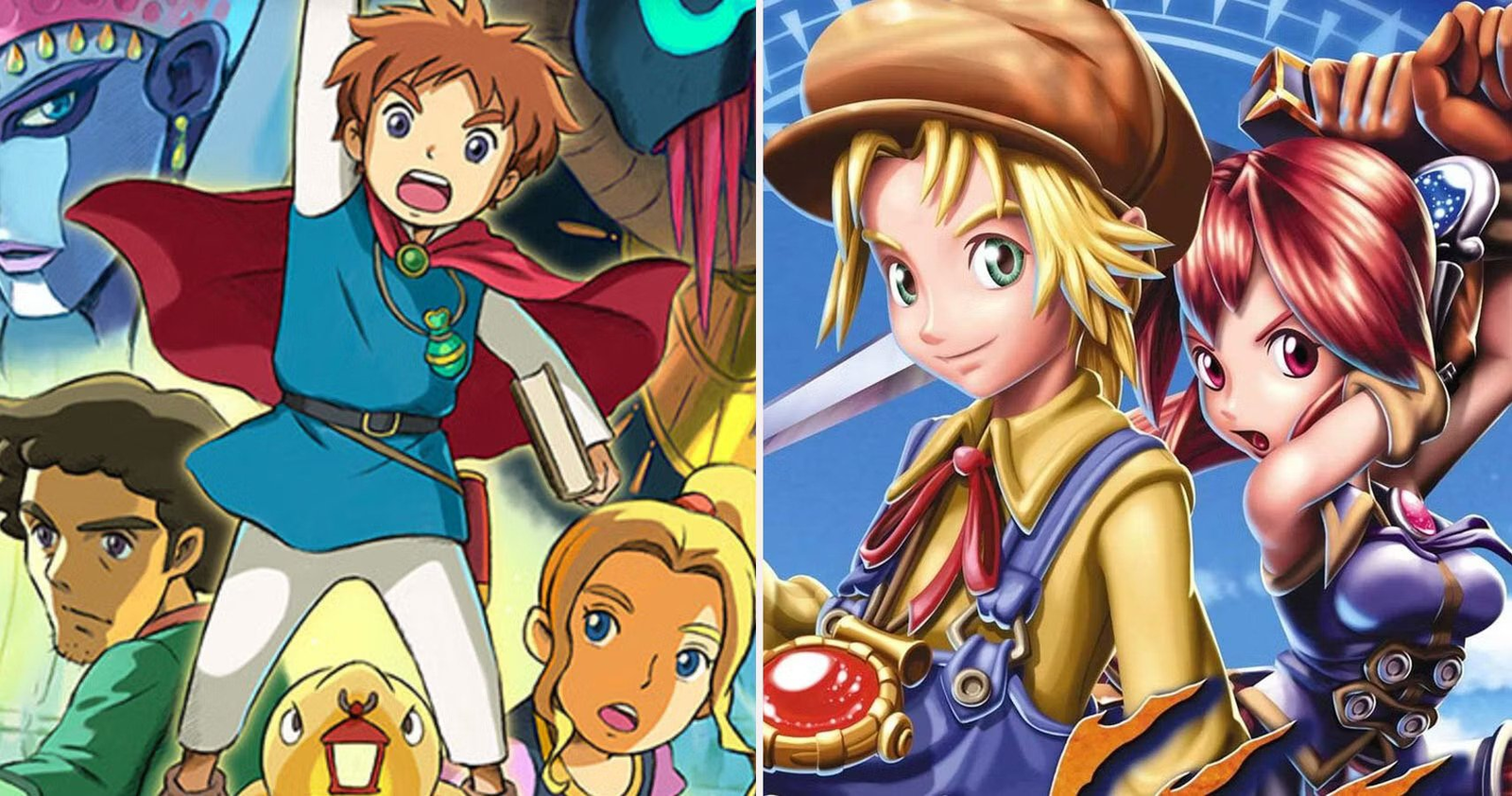
Level-5 first made its mark by working closely with Sony Computer Entertainment. Their debut title, Dark Cloud (2000), served as a vital early showcase for the PlayStation 2’s capabilities. By blending traditional dungeon exploration with a modular town-building system, the studio established its signature identity: systems-heavy gameplay wrapped in a charming, accessible aesthetic.
The critical and commercial success of Dark Cloud 2 (2003) cemented their reputation, leading to high-profile collaborations with Square Enix on Dragon Quest VIII: Journey of the Cursed King and Dragon Quest IX. These projects proved that Level-5 could handle massive, established franchises while maintaining their own unique visual flair.
The Nintendo DS Revolution: Expanding the Brand (2007–2012)
As the gaming market shifted toward handhelds, Level-5 capitalized on the Nintendo DS’s massive install base to launch original IPs that became cultural phenomena:

US-Backed SDF Leader Joins Sharaa Regime As Presidential Advisor After Kurdish Force Dissolved
Via The Cradle Self-proclaimed Syrian President Ahmad al-Sharaa has appointed Kurdish leader…

Why did the variable-sweep wing survive on large aircraft?
Tu-22M and Tu-160 – from the experimental Project 145 to the Tu-160MVariable-sweep…

BeyondTrust fixes critical pre-auth bug allowing remote code execution
BeyondTrust patched a critical pre-auth flaw in Remote Support and PRA that…

China backs Cuba after Trump says island ‘will fall’
Beijing has vowed to support Havana against external interference after the US…
![Wanted: Suspect for Theft of Packages in the 3rd District [VIDEO]](https://thephillypi.com/wp-content/uploads/2026/09/Wanted-Suspect-for-Theft-of-Packages-in-the-3rd-District-768x512.jpg)
Wanted: Suspect for Theft of Packages in the 3rd District [VIDEO]
On April 13,2026 at approximately 2:00 PM, an unknown person was captured…

U.S. Pushes 70-Year-Old B-52 Bomber Into 2050s With F130 Engines – AESA Radar and Strike Upgrades
The U.S. Air Force is pushing ahead with one of the most…
- Professor Layton: A puzzle-adventure series that brought cerebral gameplay to a demographic far wider than traditional RPG fans.
- Inazuma Eleven: A fusion of soccer and RPG mechanics that demonstrated the studio’s ability to create “multimedia” franchises, spanning anime, manga, and films.
- Ni no Kuni: A landmark collaboration with the legendary Studio Ghibli, bringing world-class animation and storytelling to the RPG genre.
The Multimedia Juggernaut: Yo-kai Watch
In the mid-2010s, Level-5 achieved a level of success in Japan that rivaled the biggest names in the industry. Yo-kai Watch wasn’t just a game; it was a social movement. By meticulously timing game releases alongside a hit anime and a massive toy line, Level-5 demonstrated a mastery of cross-media marketing. While the franchise’s global performance varied, its peak in Japan remains a textbook example of modern IP management.
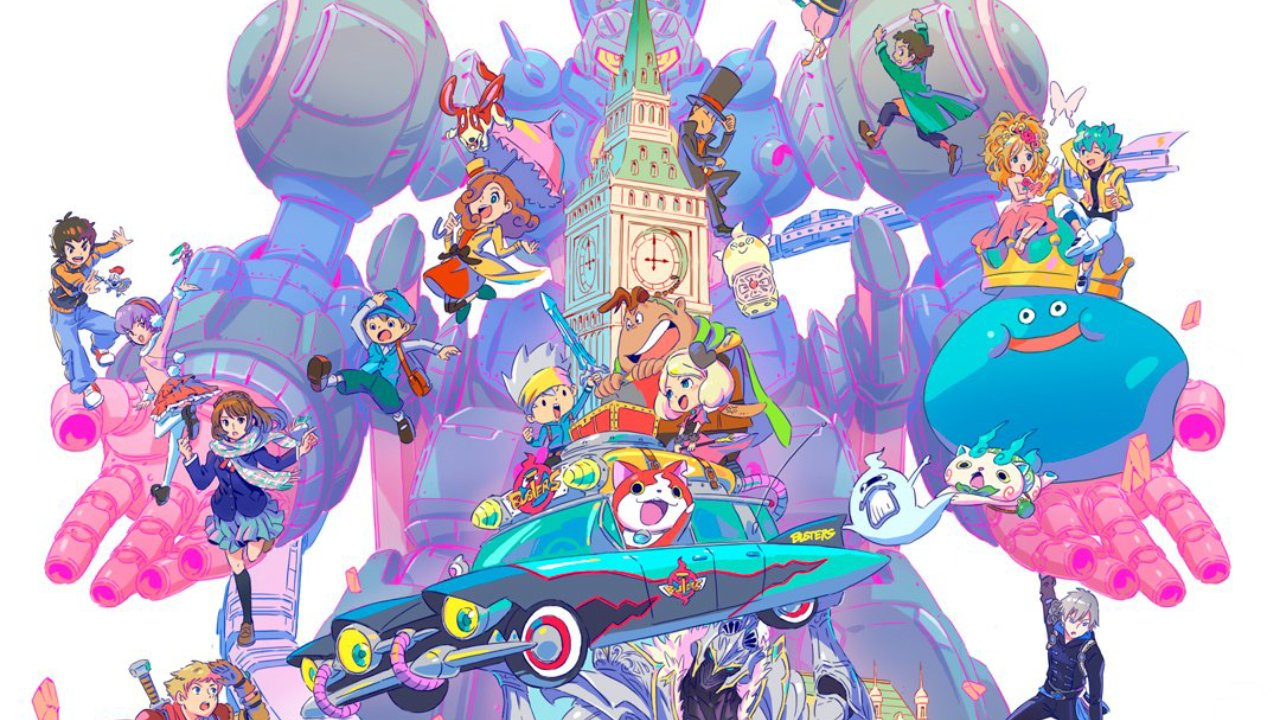
2026 and Beyond: Innovation and Independence
Today, Level-5 continues to operate as a developer-publisher that prioritizes creative independence. With the 2026 release cycle bringing renewed interest in their classic libraries and new iterations of Professor Layton and Inazuma Eleven, the studio is doubling down on what it does best: crafting worlds that feel both technically intricate and emotionally resonant.
From a development perspective, Level-5’s history is a blueprint for vertical integration. By handling the design, publishing, and multimedia tie-ins internally, they maintain total control over the “vision” of their games, ensuring that every entry—from a mobile puzzle game to a console epic—carries the distinct Level-5 soul.