
















Internal messages show Phoebe Gates knew her startup Phia was using a ‘cookie-stuffing’ scheme to generate profit, according to the outlet
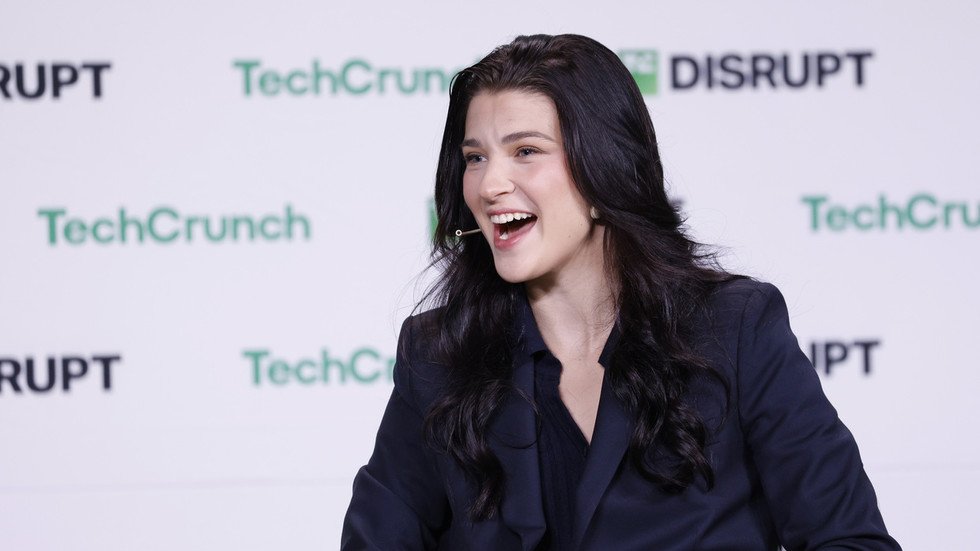
Microsoft co-founder Bill Gates’ daughter Phoebe has been accused of knowingly using a “cookie stuffing” scheme at her shopping startup that allowed the company to collect commissions for sales it did not actually generate, according to Bloomberg.
Phia, co-founded by Gates and fellow Stanford graduate Sophia Kianni, markets itself as a digital shopping assistant that finds cheaper products and discount codes. Despite Gates trying to distance herself from the “nepo baby” label and present the venture as independent of her billionaire father, it immediately attracted tens of millions of dollars from prominent Silicon Valley and celebrity investors during its first funding round and was actively promoted by Bill Gates.
The controversy around the company first erupted last month, when Bloomberg reported that Phia’s browser extension was automatically inserting affiliate tracking “cookies” into online purchases, allowing it to claim commissions even when shoppers had not used its coupons or links.
The practice, known as “cookie stuffing,” can constitute federal wire fraud, which carries a maximum prison sentence of 20 years.
Phia responded to the initial report by saying it had only discovered the problem within the previous 24 hours and described it as a software issue that was quickly fixed.

Why did the variable-sweep wing survive on large aircraft?
Tu-22M and Tu-160 – from the experimental Project 145 to the Tu-160MVariable-sweep…

CIA Chief's Moscow Trip Was About Iran, Not A NATO Warning: Estonia's Ex-President
Speculation has abounded over the nature of CIA Director John Ratcliffe's surprise Tuesday…

Massive ASUS Zenbook 17 Fold Review Reveals The Future Of Foldable PCs
Welcome back to the hardware desk here at The Philly PI. When…


Attackers abuse SolarWinds Web Help Desk to install Zoho agents and Velociraptor
Huntress confirmed active SolarWinds Web Help Desk exploits, where attackers installed Zoho…

Massive Lane Closures on Route 38 in Cherry Hill Cause Major Delays
CHERRY HILL, N.J. — Commuters traveling through South Jersey this week are…
However, Bloomberg reported on Tuesday that internal Slack messages and source code show Gates and Kianni had known about the practice for months.
In one December exchange, Gates reportedly asked developers to ensure automatic cookie drops were working across retailers so Phia could monetize “every transaction.” Kianni later told engineers that “whatever we can do to keep these cookies dropping will be amazing.”
After the features were disabled in July, average daily revenue reportedly fell from about $80,000 to between $10,000 and $28,000. Phia claims part of the decline came from suspending other monetization tools and says it has begun reversing improperly attributed commissions while hiring a compliance chief.
The controversy comes amid continued scrutiny of Bill Gates over his relationship with convicted sex offender Jeffrey Epstein. The Microsoft co-founder featured prominently in recently released Epstein files, which contained allegations concerning extramarital encounters, requests for medication to treat a purported sexually transmitted infection, and discussions with Epstein about global health initiatives and a proposed pandemic simulation.
Gates has denied involvement in Epstein’s crimes and told Congress this year that the financier had tried to blackmail him over his extramarital affairs. He has called his association with Epstein a serious mistake.