






Authored by Julianne Geiger via OilPrice.com,
More Gulf oil is moving again. Getting it out now costs a fortune.
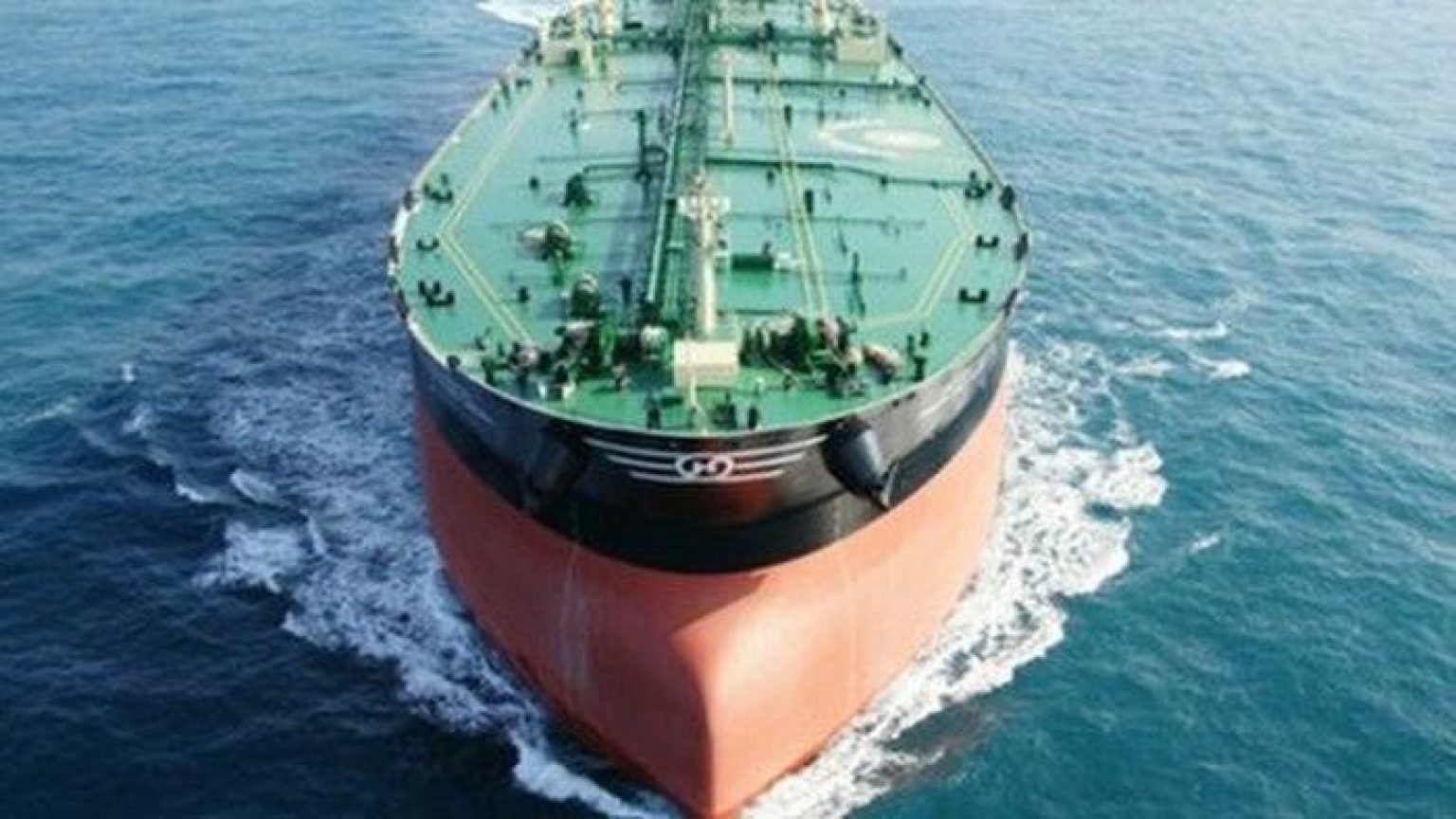
Earnings on the benchmark Saudi Arabia-to-China supertanker route surged to a record $647,000 per day on Thursday, according to Baltic Exchange data cited by Bloomberg. That is more than ten times the rate a year ago-and nearly 27% above the $510,000 reached just ten days earlier.
The spike comes as Persian Gulf producers increase crude shipments through the Strait of Hormuz despite the continuing Iran war.
![Wanted: Suspect for Shooting Incident in the 15th District [VIDEO]](https://thephillypi.com/wp-content/uploads/2026/10/Wanted-Suspect-for-Shooting-Incident-in-the-15th-District-VIDEO-768x512.jpg)
Wanted: Suspect for Shooting Incident in the 15th District [VIDEO]
The Philadelphia Police Department and the Shooting Investigation Unit is asking for…
Dr. Joyce Demands Major Crackdown on Foreign Robocalls Targeting Americans
WASHINGTON — In an era defined by constant connectivity, millions of Americans…

THE GENIUS ACT: How Stablecoin Legislation Redefines the U.S. Dollar and the Political Footprint of Howard Lutnick
The New Architecture of Digital Finance With the enactment of the Guiding…

Mpox Keeps Coming Back and Scientists Are Starting to Understand Why
Mpox is back in the headlines, again. Ten confirmed cases in Guinea-Bissau…
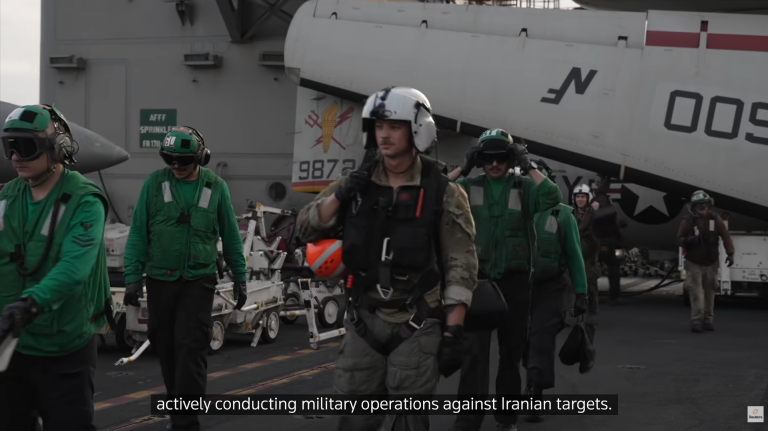
ABOARD THE USS GEORGE WASHINGTON: Inside the High-Tempo Naval Operation Enforcing the Strait of Hormuz Blockade
STRAIT OF HORMUZ — Stationed at the mouth of the Strait of…

Bolivian river dolphins sometimes dangle anacondas in their mouths and scientists don’t know why
Not all dolphins live in the oceans. Some can be found swimming…
That should, in theory, ease the oil supply crunch. Instead, it has created another one: ships.
Few tanker owners are willing to send vessels through Hormuz, leaving exporters competing for the smaller pool that will take the risk. The result is an extraordinary premium for anyone willing to make the trip.
And crossing Hormuz is increasingly only the first leg.
Producers have begun shuttling crude through the strait before transferring cargoes onto other tankers outside the Gulf. That effectively creates two freight bills-one for getting the oil through Hormuz and another for hauling it onward to Asia.
TotalEnergies CEO Patrick Pouyanne said earlier this week that moving a cargo through Hormuz cost about $20 million. Tanker market participants told Bloomberg those costs have risen further since then.
Even outside the strait, rates are climbing. A tanker traveling from Oman to China now commands roughly $220,000 per day, up from $131,000 a month ago.
The squeeze is being amplified by Houthi attacks in the Red Sea, which have forced Saudi Arabia to redirect some barrels through the Mediterranean and around Africa, adding roughly 30 days to voyages bound for Asia.
There are signs that more oil is escaping the Gulf. Traders estimate Hormuz outflows at 6 million to 8 million barrels per day, while Goldman Sachs puts flows at roughly two-thirds of pre-war levels.
By Julianne Geiger for Oilprice.com