



![Wanted: Suspect for Theft of a Dog in the 35th District [UPDATE]](https://thephillypi.com/wp-content/uploads/2026/09/Wanted-Suspect-for-Theft-of-a-Dog-in-the-35th-330x220.jpg)
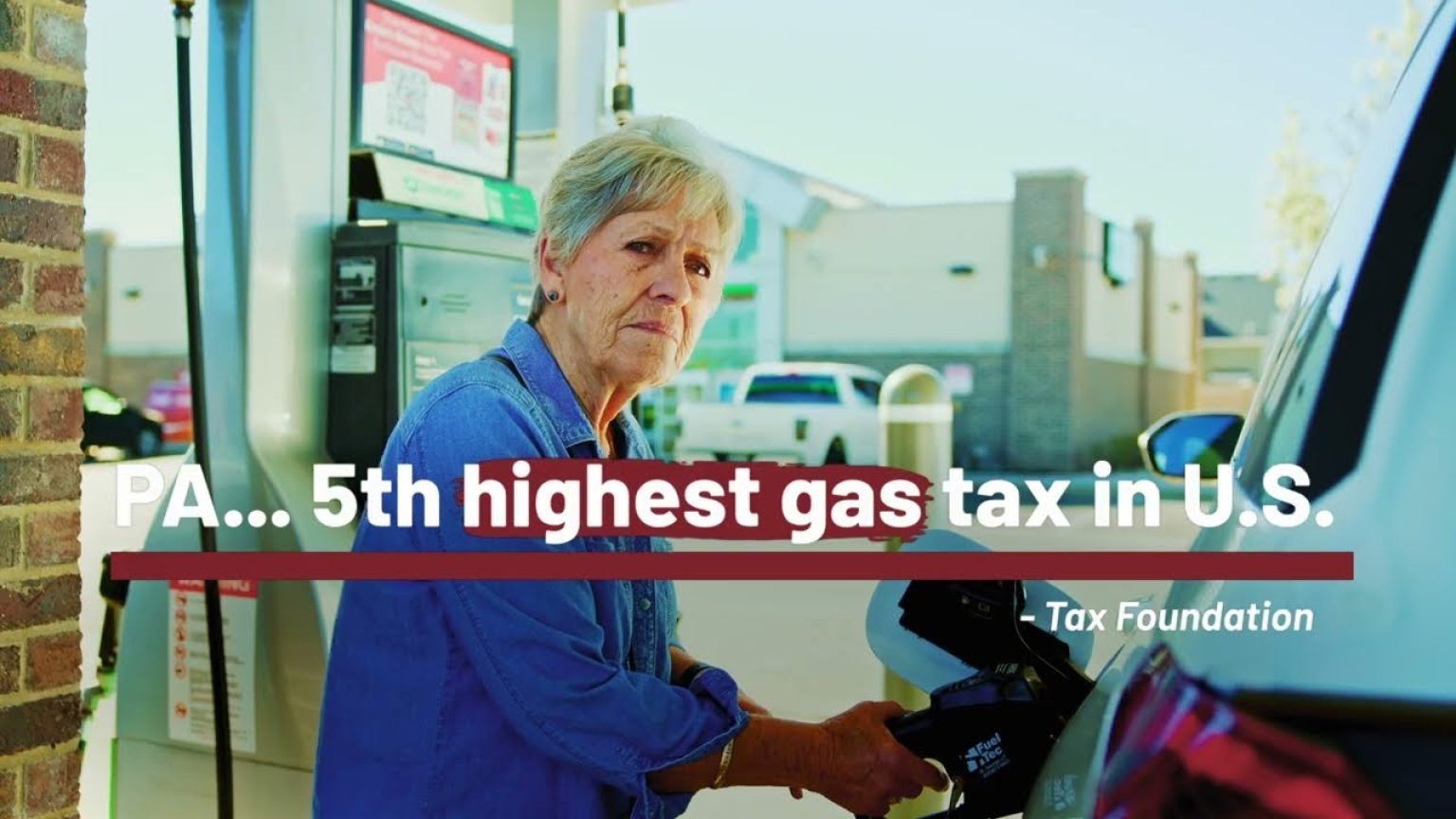
HARRISBURG, Pa. — As the landscape for the upcoming gubernatorial election takes shape, Pennsylvania State Treasurer Stacy Garrity is positioning her fiscal record as the cornerstone of a broader push to reshape state government. Emerging as a formidable figure in Republican circles, Garrity is ramping up her statewide profile, sharply contrasting her conservative financial management philosophy with the policies and spending priorities of Governor Josh Shapiro’s administration. With key policy debates centered on regulatory burdens, state spending growth, and economic competitiveness, the race for the governor’s office is rapidly turning into a referendum on Pennsylvania’s fiscal future.
Challenging the Shapiro Administration on State Spending
At the core of Garrity’s political platform is a relentless critique of recent state budgets and executive overreach. As the state’s chief fiscal officer, she has consistently raised alarms regarding the pace of state spending, arguing that rapid budget expansions under the current administration risk long-term structural deficits. According to Garrity, Harrisburg needs a course correction that prioritizes taxpayer relief over bureaucratic growth.
The State Treasurer has frequently argued that Pennsylvania’s economic potential is being stifled by excessive taxation and red tape. By leveraging her background as a military veteran and business professional, Garrity aims to project an image of fiscal discipline and operational efficiency. Her campaign messaging emphasizes that state government needs to “get out of the way” of private enterprise, allowing job creators and small businesses to drive economic momentum without heavy-handed government intervention.

Dutch agencies hit by Ivanti EPMM exploit exposing employee contact data
Dutch agencies confirmed attacks exploiting Ivanti EPMM flaws that exposed employee contact…

Home Depot Launched a New Husky Laser Distance Tool
I spotted a new Husky laser distance measuring tool on Home Depot’s…

Inside George Lucas’s Massive Museum Revealed: The Ultimate Star Wars Secrets Uncovered
For decades, the mind behind a galaxy far, far away has captured…

One Male Bird Is Almost Single-Handedly Keeping His Species Alive in Britain
Take six chicks, two different nests, and two females, and add one…

U.S. Air Force Tests C-130J-30 Super Hercules to Sustain Dispersed Operations Under Drone Threats
The 130th Airlift Wing conducted split-site operations between West Virginia and Michigan…

Armed Israeli settlers beat and rob AFP photographer
Jaafar Ashtiyeh was reportedly struck with rifle butts despite being clearly identified…
Key Fiscal Priorities Outlined by the State Treasurer
- Regulatory Reform: Streamlining state agency approvals to encourage manufacturing, energy production, and small business expansion across the commonwealth.
- Budget Restraint: Advocating for conservative spending caps to prevent the depletion of Pennsylvania’s Rainy Day Fund during economic downturns.
- Government Accountability: Utilizing the Office of the State Treasurer to audit state agencies, root out waste, and demand transparency in how taxpayer dollars are allocated.
The Economic Stakes for Pennsylvania
The broader implications of this gubernatorial matchup extend far beyond the state capital. Pennsylvania remains a critical battleground state, and its economic trajectory directly impacts national energy markets, manufacturing, and labor trends. Business advocacy groups, including organizations tracking state economic health, frequently point to the commonwealth’s regulatory environment as a major factor in corporate investment decisions. For more details on the state’s official financial standings, taxpayers often consult the Pennsylvania Treasury Official Website to review public audits and revenue distributions.
Garrity’s policy prescriptions lean heavily into energy independence—a major talking point for Pennsylvania conservatives who argue that Shapiro’s environmental and energy regulations disproportionately harm the state’s natural gas and coal sectors. By championing traditional energy industries alongside emerging technologies, Garrity seeks to appeal to working-class voters in both Western and Northeastern Pennsylvania who feel left behind by modern economic shifts.
Navigating the Path to the Governor’s Office
As the primary season and general election cycle draw closer, the debate over Pennsylvania’s economic identity will only intensify. Observers note that Garrity’s executive experience in managing billions of dollars in state funds gives her a distinct platform to critique the executive branch’s economic policies. Whether voters respond to her message of smaller government and fiscal conservatism will likely determine the competitive balance of power in Harrisburg for years to come. To stay updated on official legislative actions and executive orders, residents can regularly review updates via PA.gov State Portal.
Ultimately, the upcoming election cycle presents Pennsylvania voters with a stark choice between two distinct governance models: the current administration’s approach to progressive coalition-building and managed growth, versus Garrity’s aggressive push for deregulation, fiscal conservatism, and structural government reform.