
















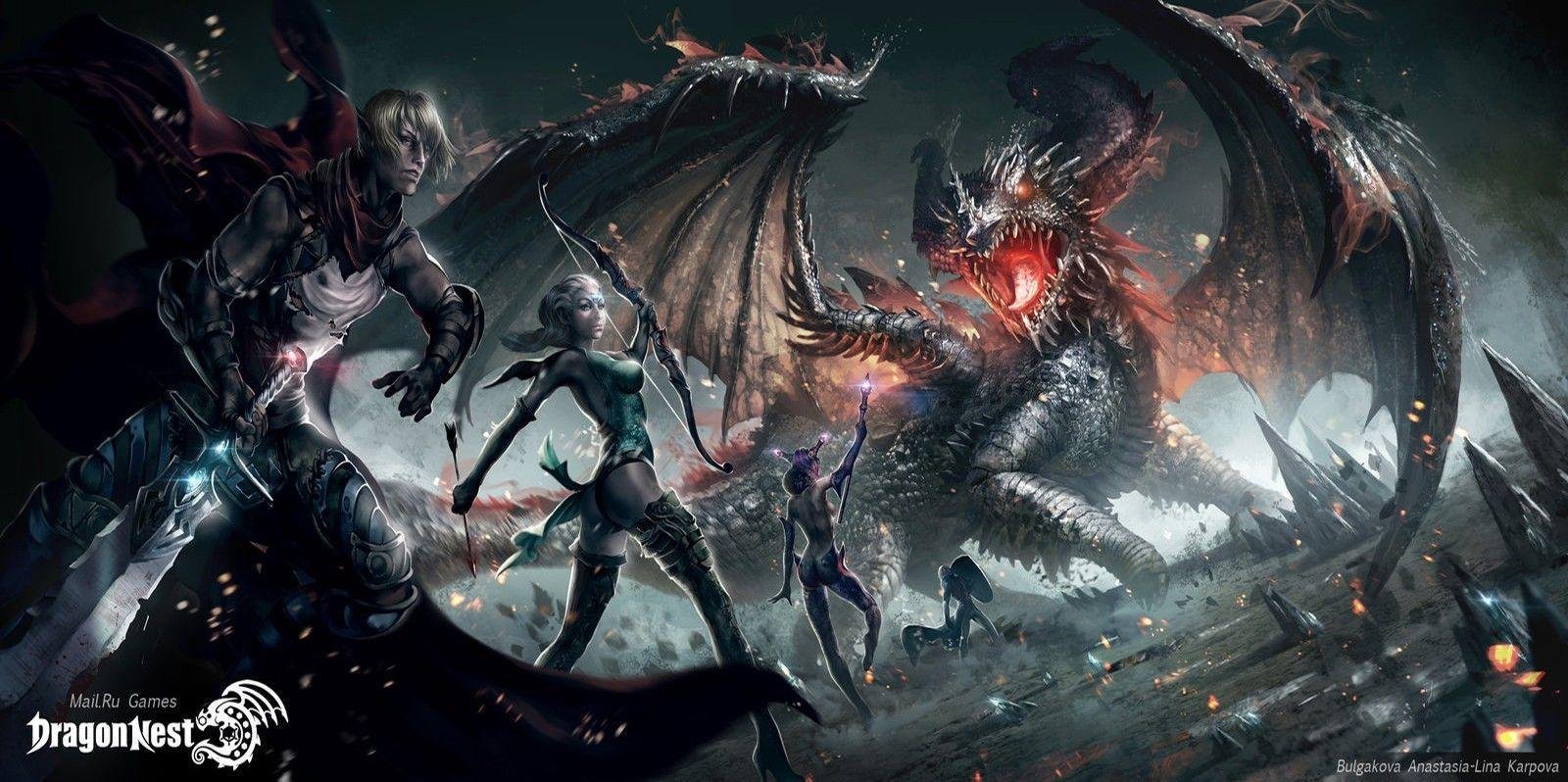
LOS ANGELES, CA — Long before modern action RPGs dominated mainstream gaming with flashy combo counters and iframe dodges, a South Korean title quietly laid the blueprint for non-targeting online combat. Released over a decade ago, Dragon Nest shattered the slow, tab-targeting status quo of classical MMORPGs, replacing auto-attacks with twitch-reflex combos, air-juggles, and brutal boss mechanics.
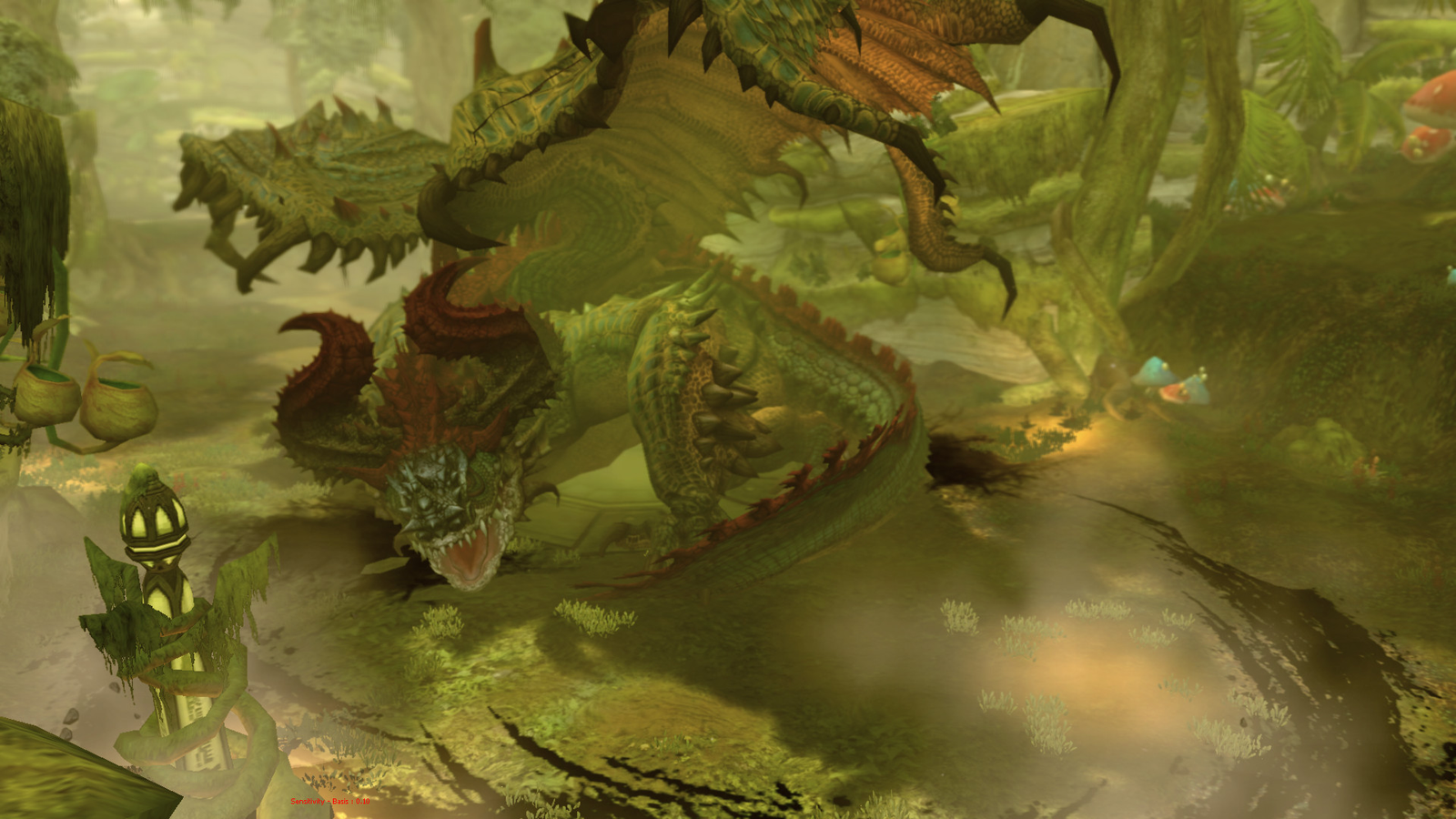
Despite publisher shifts, regional server shutdowns, and an ever-evolving PC gaming landscape, Dragon Nest maintains a fiercely loyal cult following on Steam and private community hubs, proving that unmatched combat mechanics can keep a legacy online game alive against all odds.
Non-Targeting Mayhem: The Combat Loop That Set the Standard
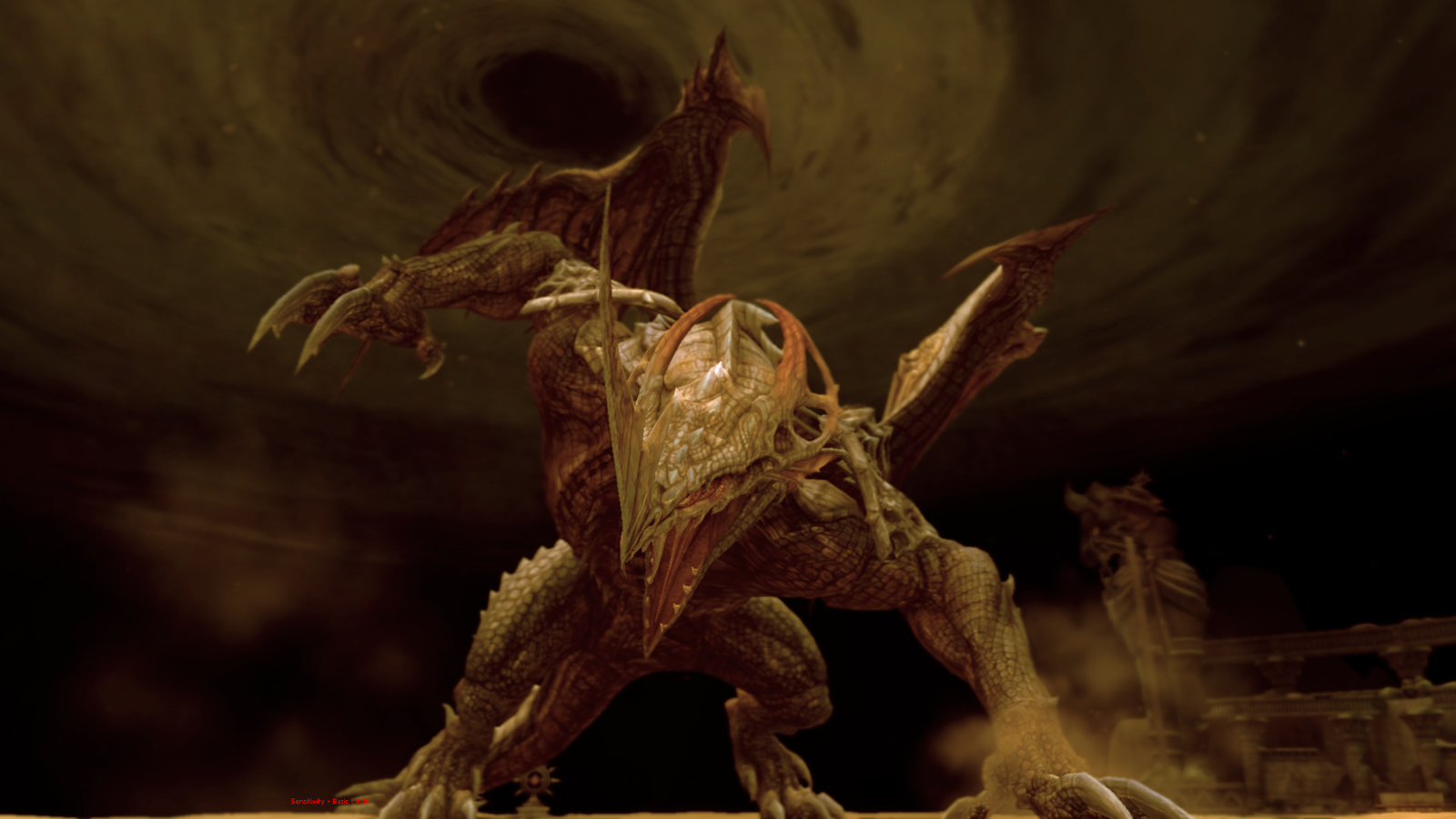
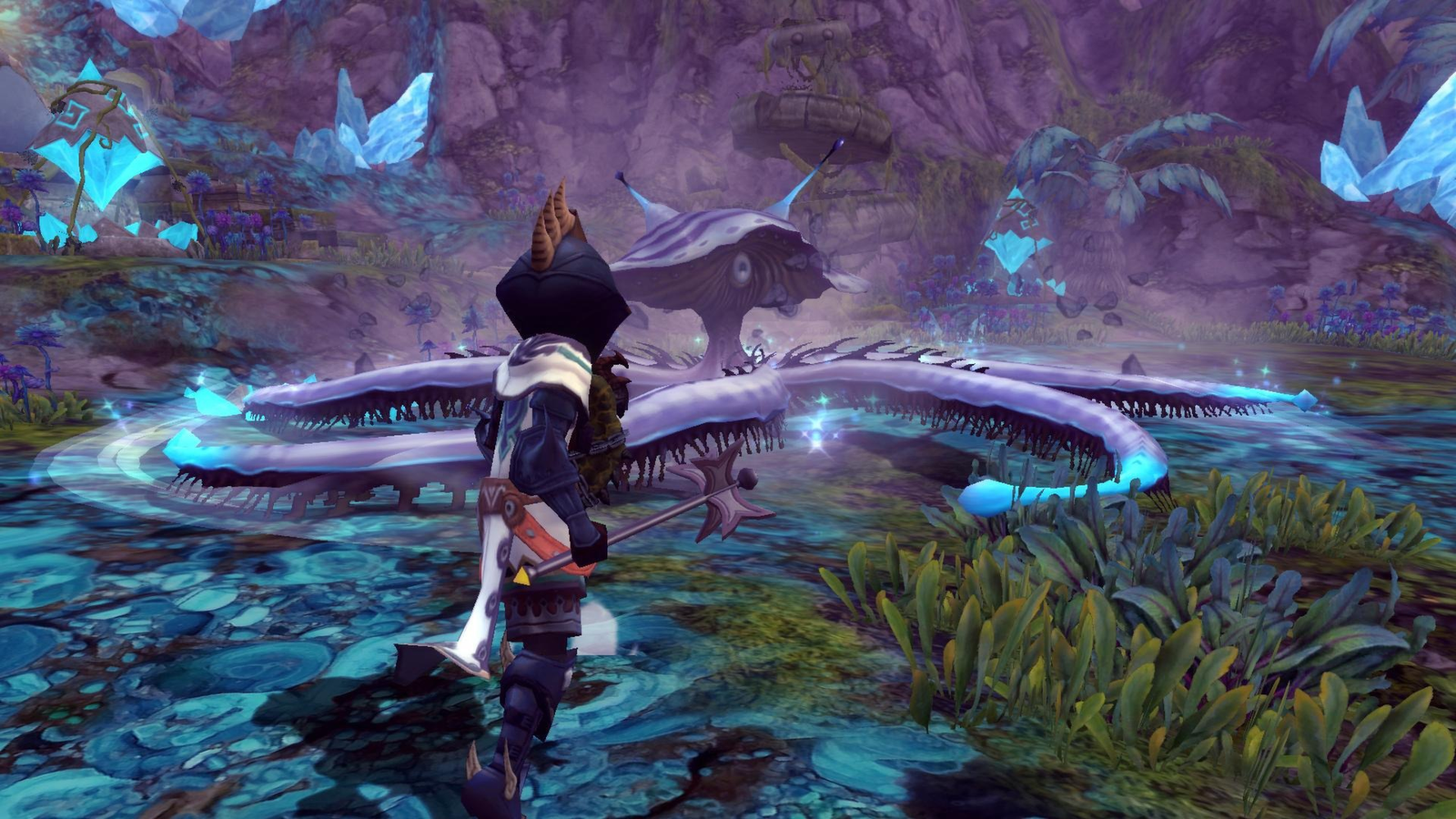
Developed by Eyedentity Games, Dragon Nest stood apart from mid-2010s online RPGs by forcing players to aim every attack manually using a dynamic crosshair. Combining arcade-style fight mechanics with traditional dungeon-crawling, the game rewarded player skill, spatial awareness, and precise dodge timing over simple gear-score farming.
Dragon Nest: Final Verdict
FREEFrom fast-paced PvP arenas where juggle combos could decide a match in seconds to punishing 8-player “Nest” raids requiring flawless execution, Dragon Nest demanded a level of mechanical mastery rarely seen in free-to-play titles of its era.
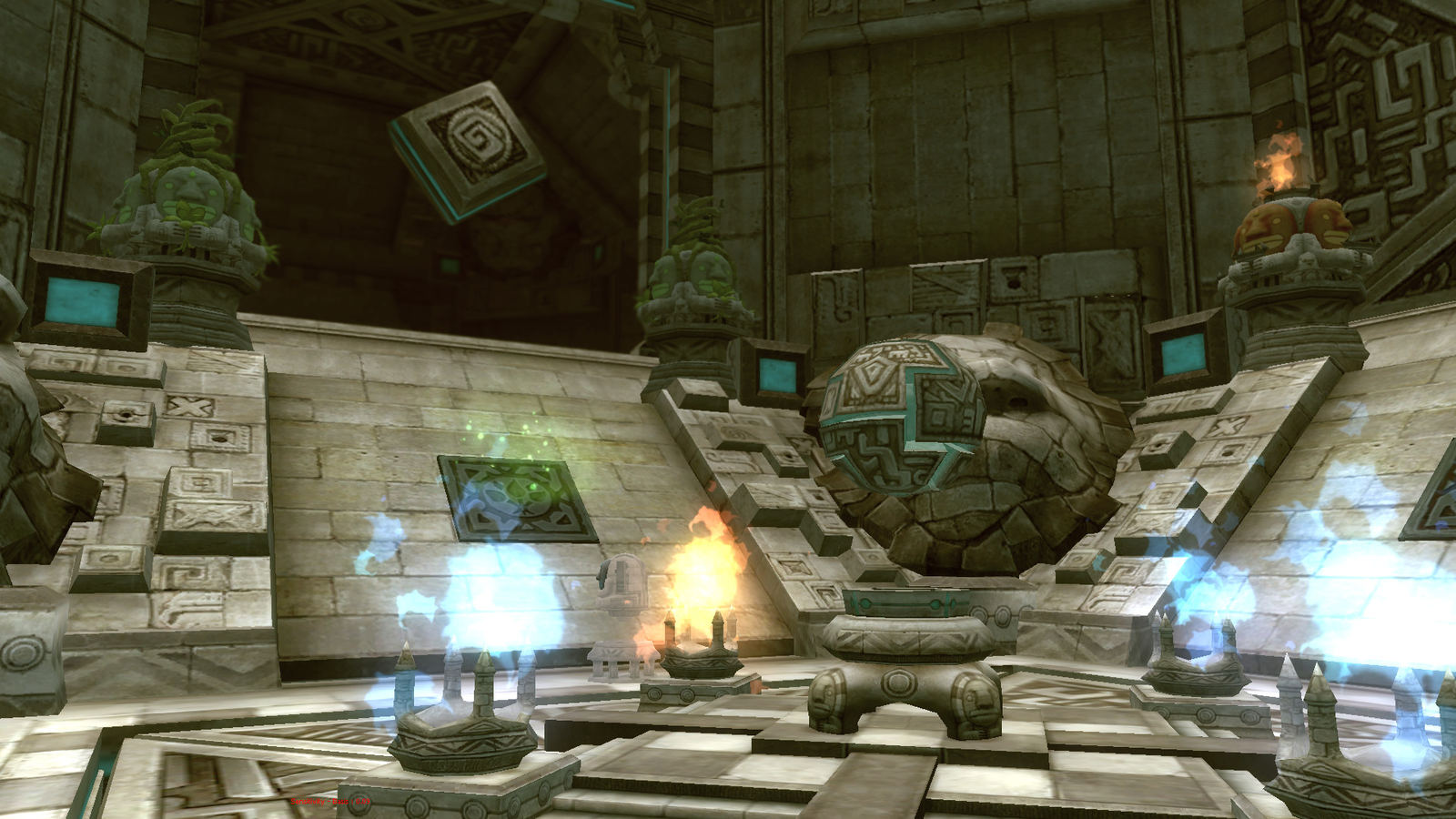
The Publisher Carousel: A Legacy Burdened by Mismanagement
While the game’s core combat earned universal praise, its global footprint was plagued by administrative turmoil. Over its long lifespan, Dragon Nest bounced through multiple major publishers across North America and Europe, enduring migration after migration:
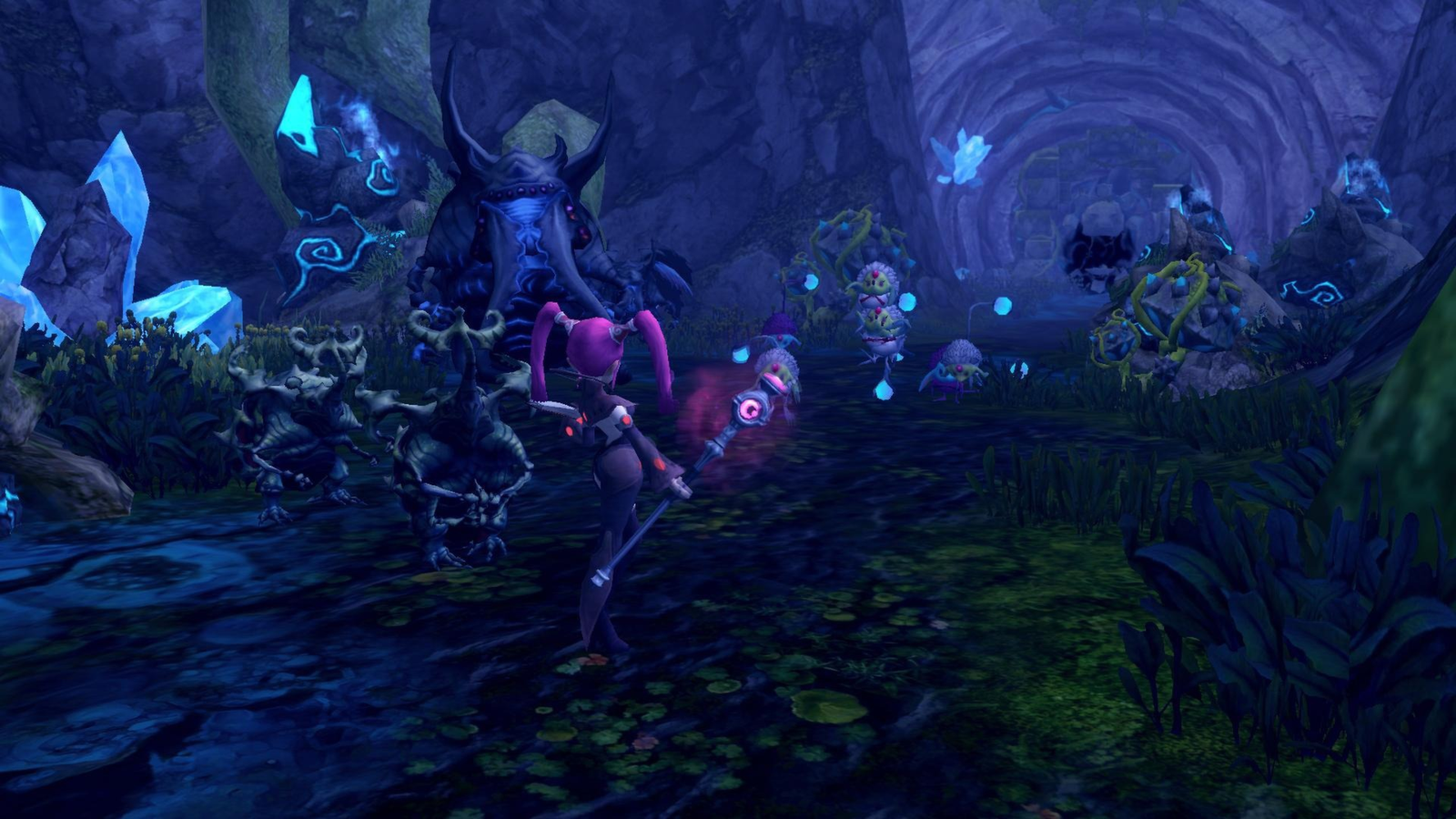
- Nexon Era: Managed early Western operations, overseeing peak player counts alongside controversial monetization and gacha mechanics.
- Eyedentity Takeover: The original developers assumed direct publishing rights to stabilize the Western player base and maintain direct patch parity with Asian servers.
- Steam Migration: Re-launched on Valve’s platform to capture a new generation of action-game enthusiasts looking for skill-based combat.
“There still isn’t a modern action MMO that captures the raw weight and aerial combo freedom of early Dragon Nest,” noted veteran players tracking the title’s staying power. “The combat engine was simply ten years ahead of its time.”
Beyond the PC Screen: Movies, Mobile, and IP Expansion
While the original PC MMORPG faced declining live-service numbers, Eyedentity Games and Shanda Interactive actively attempted to scale the Dragon Nest universe into a multi-media juggernaut—expanding into cinematic releases and mobile spin-offs to capture broader global audiences.

We’ve gathered the top pre-built gaming desktop deals. We’re constantly updating this list with the best discounts across all retailers.
We're keeping an eye out for the best deals on prebuilt gaming…

Stacy Garrity Exposes Josh Shapiro and Vows to Fix Pennsylvania Budget Crisis
As the political landscape in the Keystone State intensifies ahead of the…

Crucial Voices: Latino Voters in Allentown Reveal What Will Decide PA Elections
ALLENTOWN, Pa. — As the political spotlight intensifies across the Commonwealth of…
Strava’s Heatmap Is Accidentally Becoming a Map of Where People Want to Live
A map built to help runners find their next route is starting…

IMPENETRABLE MONSTER: Inside the Colombian Fortress That Obliterated Britain’s Greatest Fleet
CARTAGENA, COLOMBIA — Towering over San Lázaro Hill in Cartagena stands the…

Fighter, fighter-bomber and attack aviation of Yugoslavia, Serbia and Croatia
In the late 1950s, there was a reconciliation between Yugoslav leader Josip…
1. Feature Films & Animated Adaptations
Rather than relying solely on game updates, the franchise ventured into feature-length animation to bring its high-fantasy lore to global theater screens:
- Dragon Nest: Warriors’ Dawn (2014): A major 3D animated feature film produced by Mili Pictures. It adapted the iconic Black Dragon Raid storyline, showcasing key characters like Gerrant, Barnac, and Velskud with Hollywood-level production flair.
- Throne of Elves (2016): The official animated sequel, expanding deep into the lore of the Elven Kingdom and further solidifying the franchise’s transmedia presence.
2. The Mobile Pivot & Global Spin-Offs
As player habits shifted toward handheld gaming, the franchise pivoted heavily to mobile platforms—which quickly became its primary financial lifeline across Asian markets:
- Dragon Nest M / Dragon Nest Mobile: A surprisingly faithful mobile adaptation that successfully translated the original game’s non-target combo system and fast-paced dodge mechanics to touchscreens.
- World of Dragon Nest: An ambitious open-world reboot that attempted to transition the IP away from traditional instanced dungeons and into a seamless, interconnected world.
- Dragon Nest 2: Evolution: A modern mobile entry designed specifically for international audiences by Level Infinite, bringing updated visuals and revamped raid mechanics to smartphones worldwide.
Why the Nest Endures
Despite the collapse of many contemporaneous free-to-play MMOs, Dragon Nest remains active on global PC platforms. While the graphics show their age, the game’s foundation—delivering instant, satisfying feedback for every keystroke—keeps hardcore enthusiasts coming back.
As big-budget studios continue struggling to land fluid combat in modern online RPGs, Dragon Nest serves as a living reminder that great mechanics outlast flashy graphics every single time.