




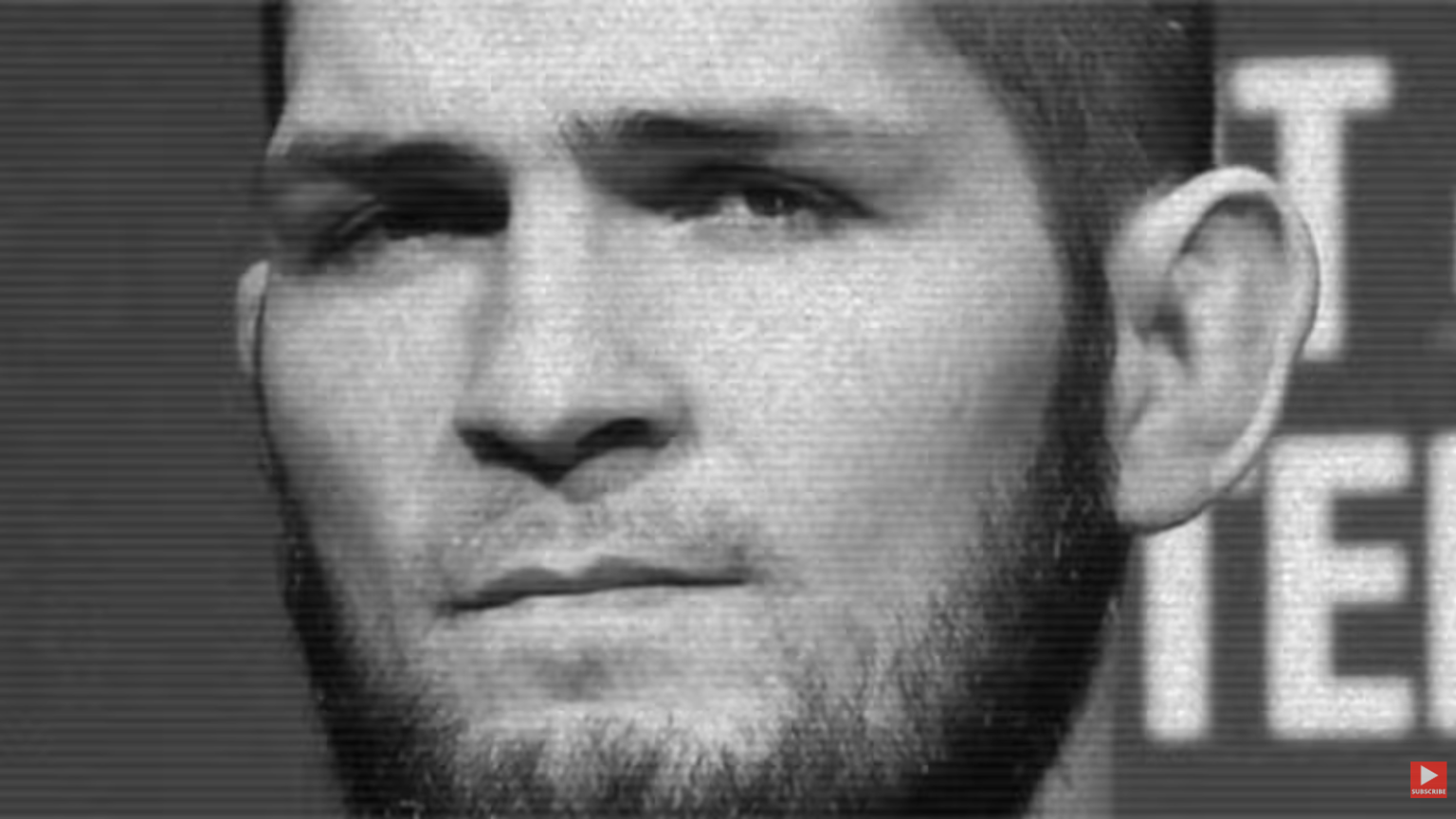
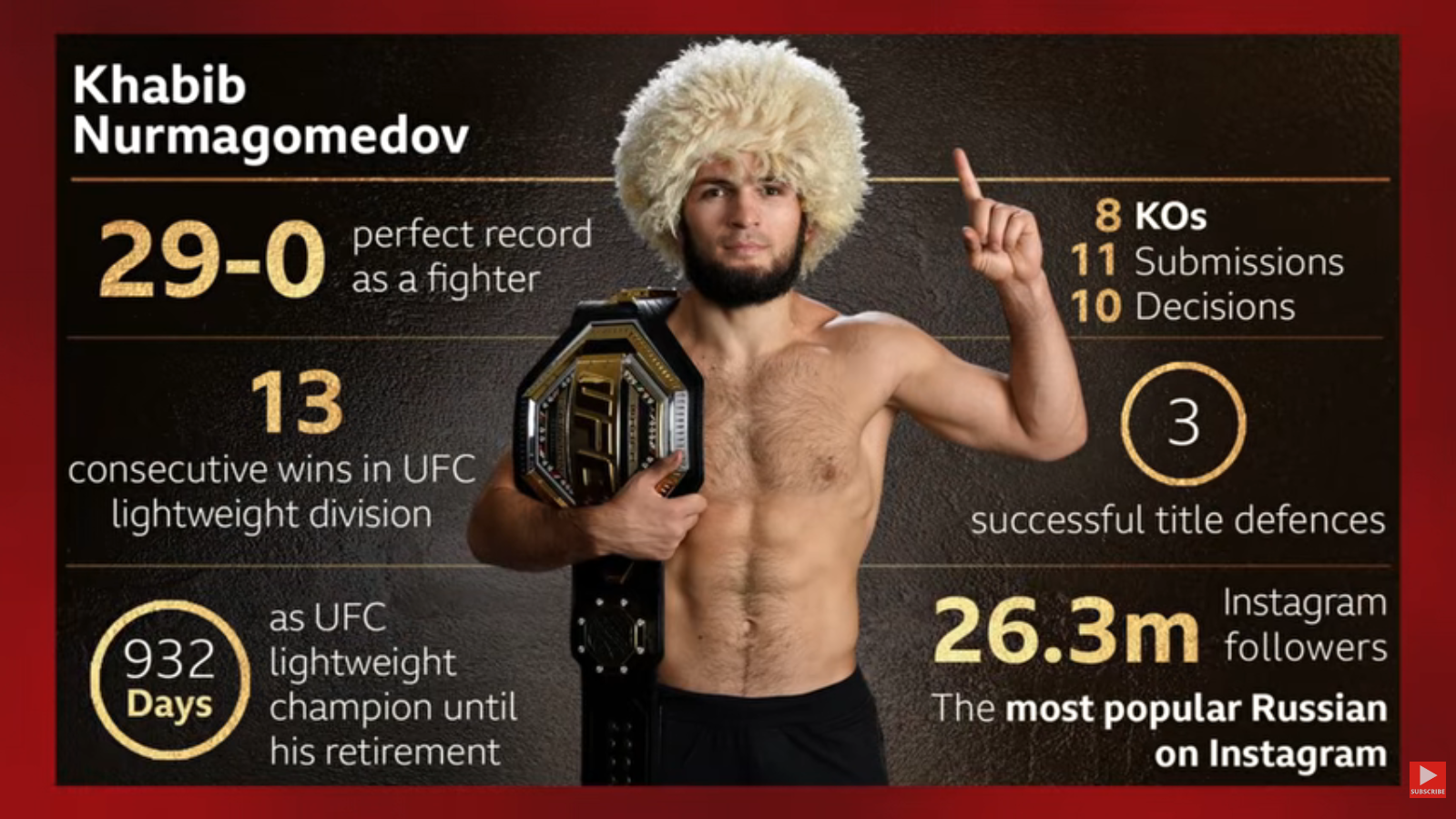
LAS VEGAS — For years, the story of Khabib Nurmagomedov has been presented with near-scriptural simplicity. In the brutal, trash-talking ecosystem of the Ultimate Fighting Championship (UFC), the Dagestani lightweight stood as the stoic counterweight: a 29-0 pristine record, an unbreakable grappling game, and a soft-spoken demeanor defined by quotes about humility, honor, and respect.
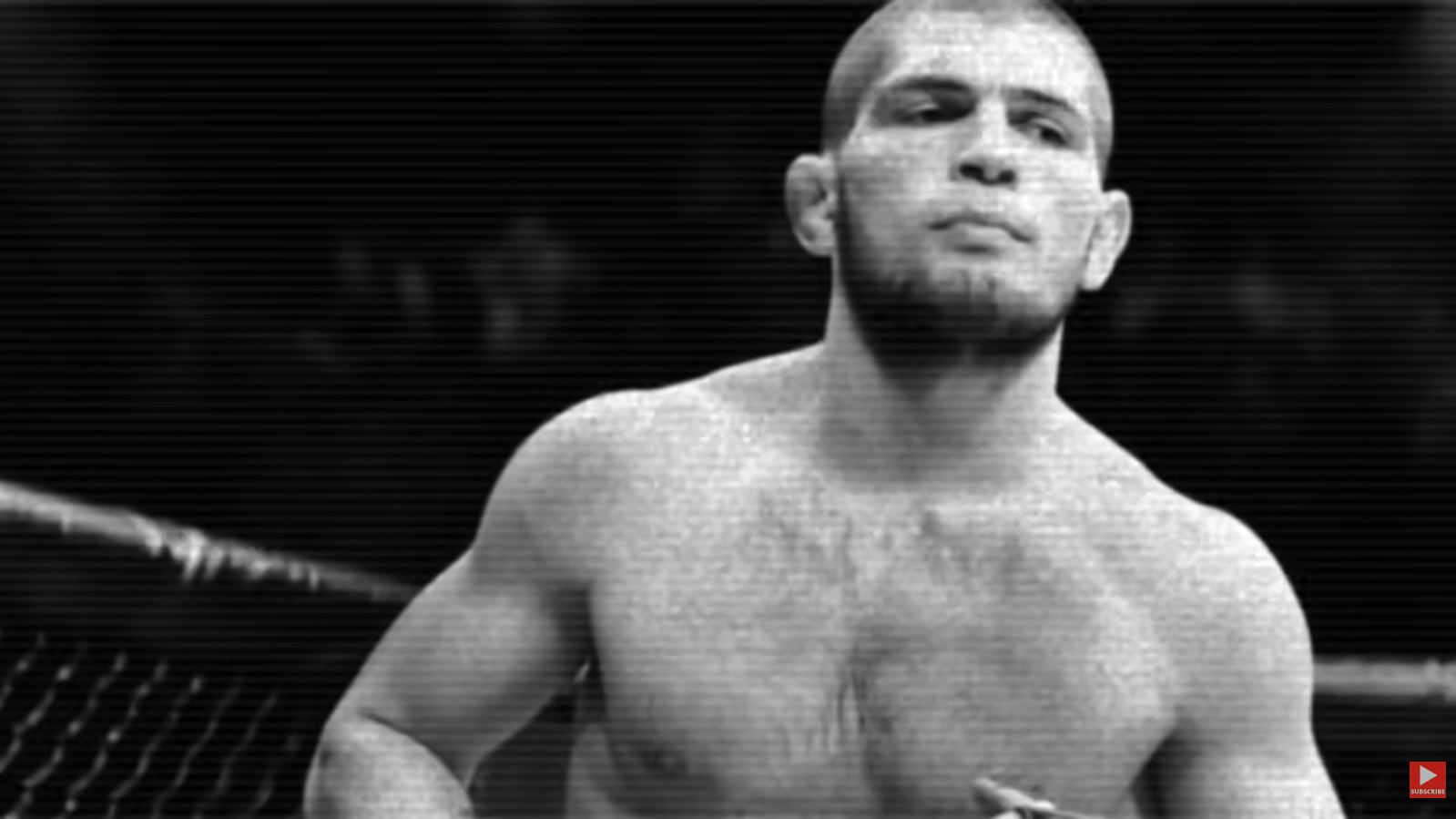
To the casual observer, UFC 229 in October 2018 was framed as a classic moral fable. In one corner stood Conor McGregor—boisterous, unpredictable, and abrasive. In the other stood Nurmagomedov—the devout, respectful martial artist. Nurmagomedov’s victory via fourth-round submission appeared to solidify not just his athletic dominance, but his place as the sport’s definitive “good guy.”
Yet, a closer examination of Nurmagomedov’s career, personal history, business dealings, and public statements paints a far more complicated picture. Behind the carefully curated image lies a history of record padding, extreme weight cutting, controversies over female representation, high-profile commercial fallouts, and troubling political associations that challenge the narrative of the sport’s most praised champion.
The Anatomy of 29-0: Record Padding and Weight Cut Crises
The cornerstone of the Nurmagomedov legacy is the zero at the end of his 29-0 record. However, combat sports analysts and rival fighters have long pointed out that the early structure of his resume bears little resemblance to standard high-level competition.
Earth Microbes Could Survive on the Moon’s Poles for Weeks and NASA Scientists Are Worried
The next astronauts to walk near the Moon’s south pole will bring…

2,000 Pairs of Underwear Were Turned Into a Giant Soil Experiment and the Results Were Surprisingly Revealing
Slightly or heavily decomposed? The more active the soil organisms, the faster…
When the Gallic cock really pecked
Well, that's it, really. The finish line, which is also the start.…
Italian university La Sapienza still offline to mitigate recent cyber attack
Rome’s La Sapienza University was hit by a cyberattack that disrupted IT…
Here’s a New EDC Adjustable Wrench Multi-Tool for Your Collection
EDC tool fans, here’s another mini tool for your collection – a…

Canada MAID Program: Truth About the 16,000 Assisted Deaths
A striking narrative has taken center stage in global health and policy…
Before entering the UFC in 2012, Nurmagomedov accumulated a 16-0 record fighting primarily in Eastern Europe. A significant portion of these early bouts were two-round affairs—a format not recognized as standard professional contests under major Western athletic commissions. Critics also note that several of his opponents were making their professional debuts or carried heavily losing records at the time they fought him.
Former multi-division champion Conor McGregor famously called attention to this dynamic, pointing out that many of Nurmagomedov’s early events were regional shows tied closely to his late father and trainer, Abdulmanap Nurmagomedov.
Beyond the composition of his record, Nurmagomedov’s reliance on massive weight cuts to compete in the 155-pound lightweight division repeatedly compromised major events:
- UFC 160 (2013): Nurmagomedov missed the lightweight limit by three pounds for his fight against Abel Trujillo.
- UFC 209 (2017): A highly anticipated interim title fight against Tony Ferguson was canceled hours before the weigh-ins after Nurmagomedov suffered severe medical complications from weight cutting, requiring emergency hospitalization.
- UFC 254 (2020): His final weigh-in against Justin Gaethje sparked widespread debate after official scale readouts were called into question by onlookers who noted the scale beam was reset rapidly before balancing.
While physical dominance in the cage was undeniable once the octagon door closed, critics argue that Nurmagomedov operated effectively as a welterweight forcing his frame into the lightweight division, retiring early at age 32 rather than moving up to face larger competition.
Social Views and the Contradiction of “Humility”
While marketed as a soft-spoken ambassador for combat sports, Nurmagomedov’s public comments have frequently drawn sharp criticism from sports commentators and human rights advocates.
His views on women in combat sports have consistently mirrored traditional, highly restrictive gender roles. When asked at a public forum for advice regarding women pursuing professional fighting careers, Nurmagomedov responded, “For females, I have very good advice: Be a fighter inside your home.” He further sparked pushback within his home region after claiming that women should not wear the traditional Dagestani papakha hat, prompting local women to post photos wearing the headwear in protest. He has similarly dismissed the role of ring card girls in combat sports as entirely “useless.”
Public conduct outside the cage has also raised eyebrows. Early in his UFC tenure, a video surfaced showing Nurmagomedov and his entourage laughing while offering money to a homeless man in exchange for doing push-ups on the street—an incident widely condemned as demeaning.
Furthermore, despite a public persona built on conflict resolution and discipline, Nurmagomedov was the central catalyst in the infamous post-fight brawl at UFC 229, leaping over the octagon fence to attack McGregor’s team, resulting in a nine-month suspension and a $500,000 fine from the Nevada State Athletic Commission.
Crypto Controversies and High-Profile Ties
In the years following his retirement, Nurmagomedov transitioned into business ventures, promotional work, and digital media. However, these commercial efforts have not been without friction.
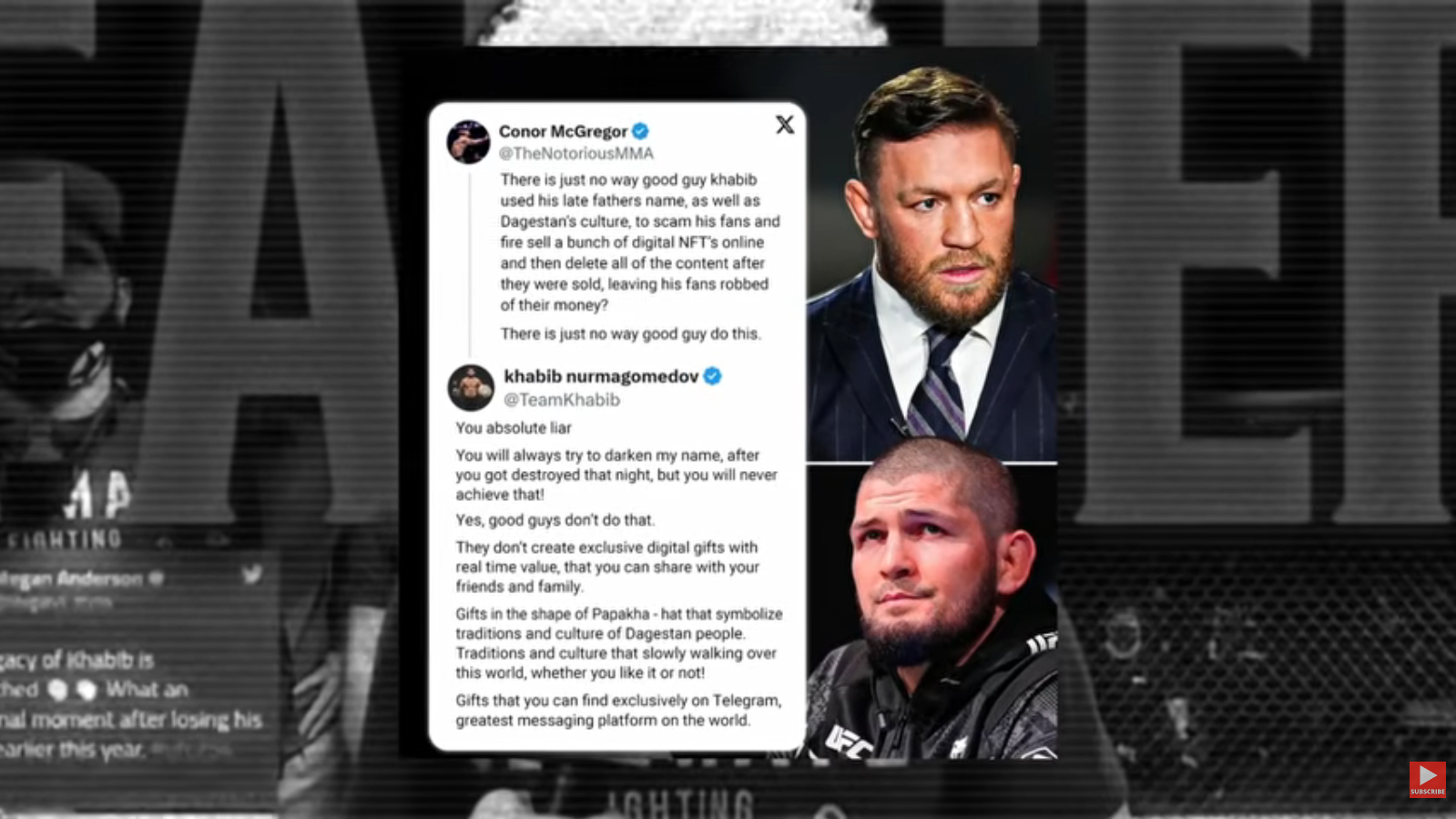
Nurmagomedov faced backlash after promoting non-fungible token (NFT) collections and cryptocurrency schemes to his massive social media audience. One non-fungible token venture promoted digital papakha assets, leveraging images of his late father. Shortly after raising millions from global buyers, the projects were largely abandoned or had their promotional posts deleted from his official channels, leading fans and digital consumer watchdog groups to allege predatory marketing.
Equally controversial have been his political alignments. Throughout his championship run and retirement, Nurmagomedov maintained close, highly public relationships with contentious political figures, including Chechen leader Ramzan Kadyrov. Despite international press reports detailing human rights abuses under Kadyrov’s administration, Nurmagomedov regularly accepted lavish gifts—including luxury vehicles and honorary citizenships—and appeared at promotional events hosted by the regional leader.
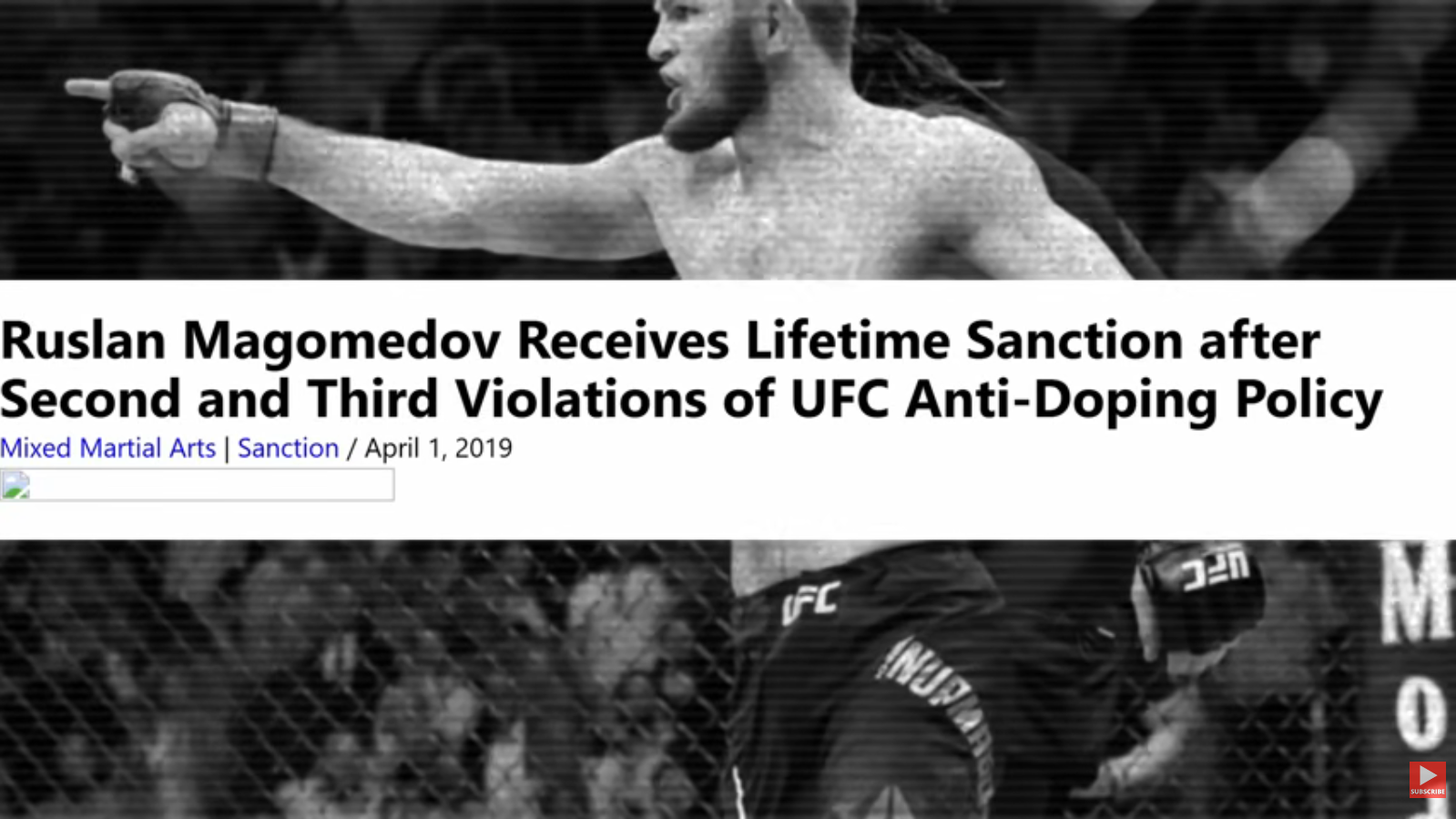
Additionally, gym connections have drawn scrutiny. Members of his extended training group and regional fight teams have faced athletic suspensions over the years for banned performance-enhancing substances, while regional financial backers of his early fight ventures faced high-profile legal prosecutions in Russia for embezzlement and state corruption.
A Complex Legacy
In professional sports, victory often acts as an absolute eraser. So long as an athlete continues to win, public narrative tends to smooth over personal faults, controversial statements, and structural anomalies.
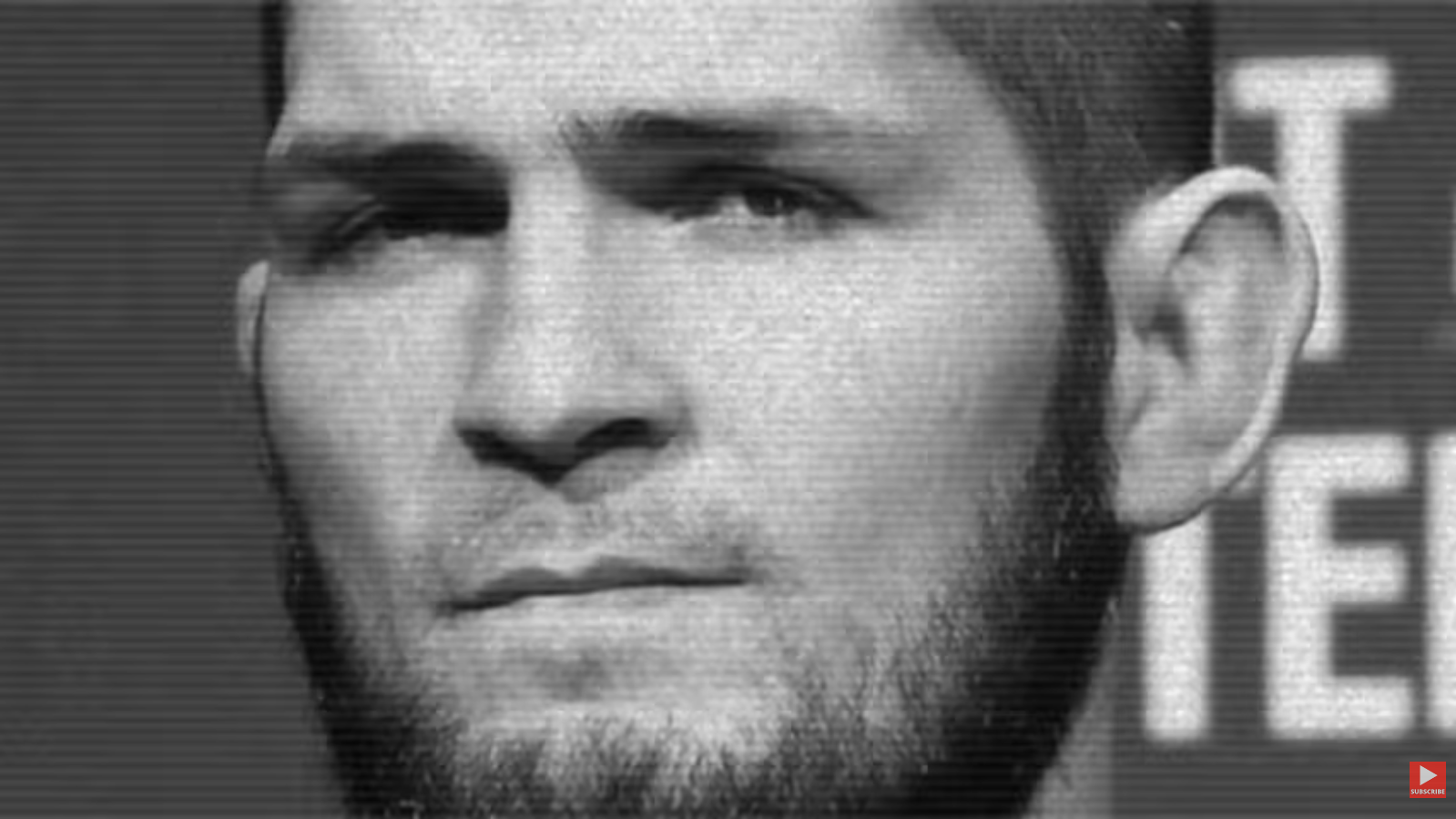
Khabib Nurmagomedov remains one of the most dominant force-of-nature grapplers to ever step inside the mixed martial arts cage. His pressure, positional control, and athletic execution inside the UFC remain legendary.
However, as distance grows from his active fighting years, the distinction between the unbeatable athletic champion and the flawed human figure becomes harder to ignore. Far from the flawless moral archetype often presented by broadcast television, Nurmagomedov’s career stands as a reminder that sports heroism is rarely simple—and that victory in the cage does not automatically erase the complexities outside it.