












Well, that’s it, really. The finish line, which is also the start. But, as always, there are nuances. The finish line for France’s sixth-generation fighter project, and the start… But that’s where it gets more complicated.
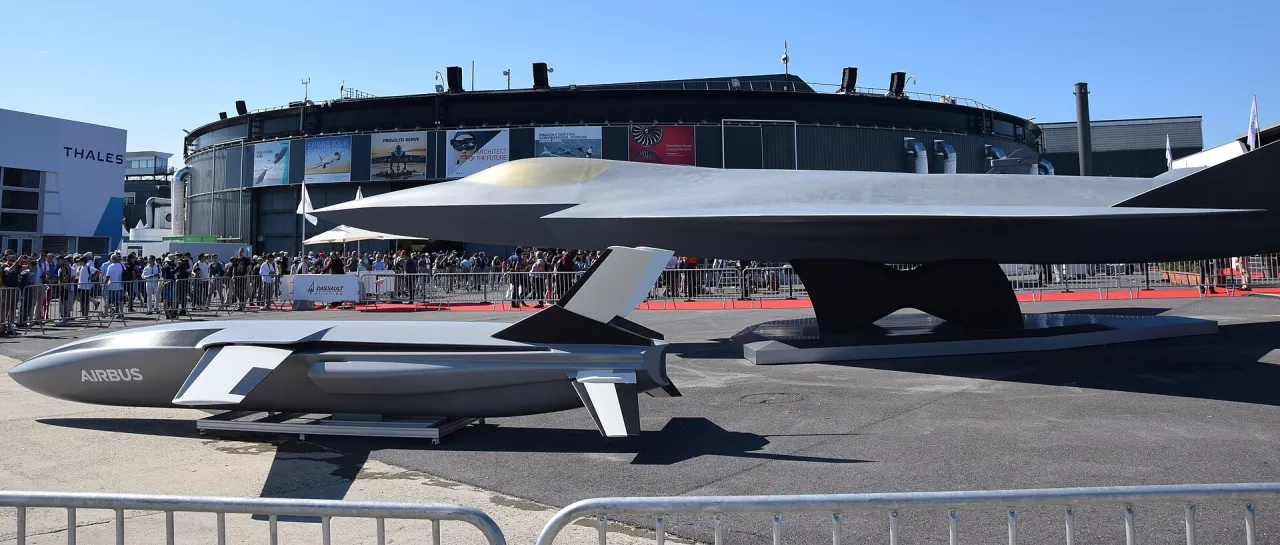
The Future Combat Air System (FCAS), a sixth-generation fighter project developed by Dassault Aviation, Airbus, and Indra Sistemas, has been declared a dead letter. The French fell out with the Germans and withdrew from the project with a bang.
The statements were along the lines of “we can do without the snot-nosed brats, we can do it ourselves,” and, it must be said, not without reason. Of all the European countries, France was the only one capable of developing and building the aircraft completely independently and autonomously.
Japan, as a participant in one of the projects (with the British and Italians), can also, but we still won’t compare the Rafale and the F2.
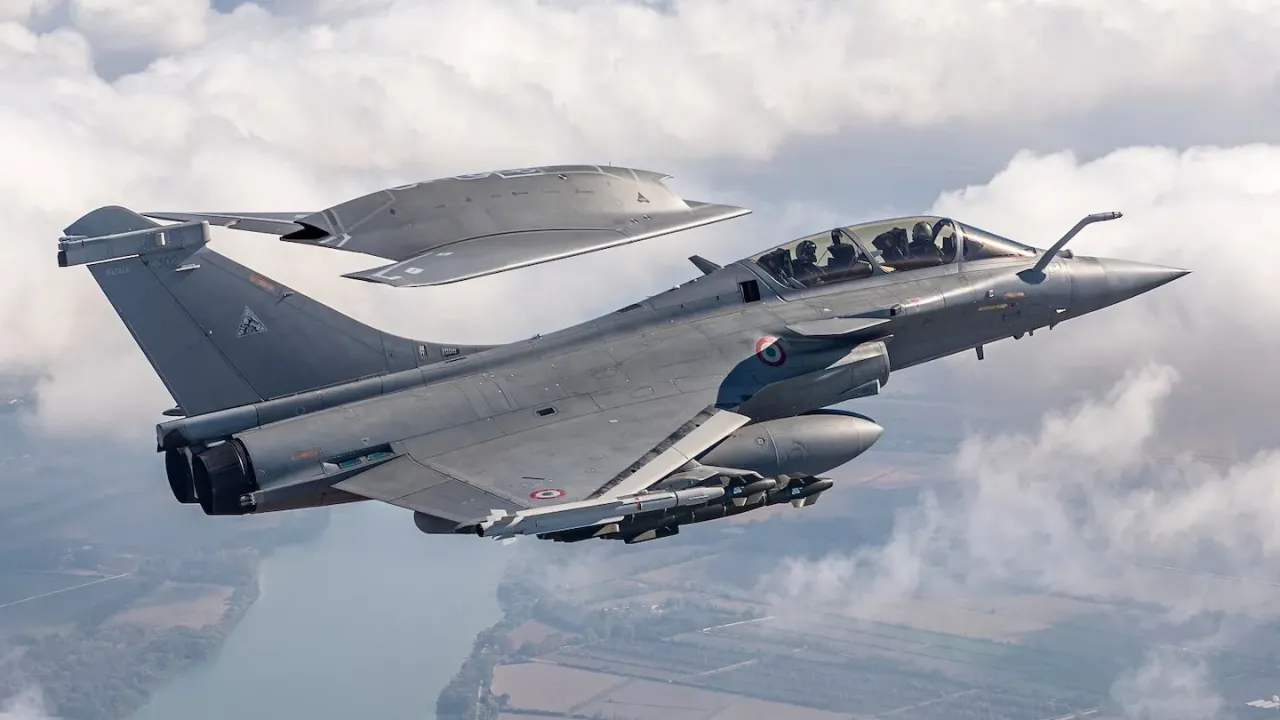
And now all dreams of a sixth-generation fighter have been dashed, and instead of the FCAS that was supposed to replace the Rafale, there will be… a Rafale!!! But with a loyal wingman.
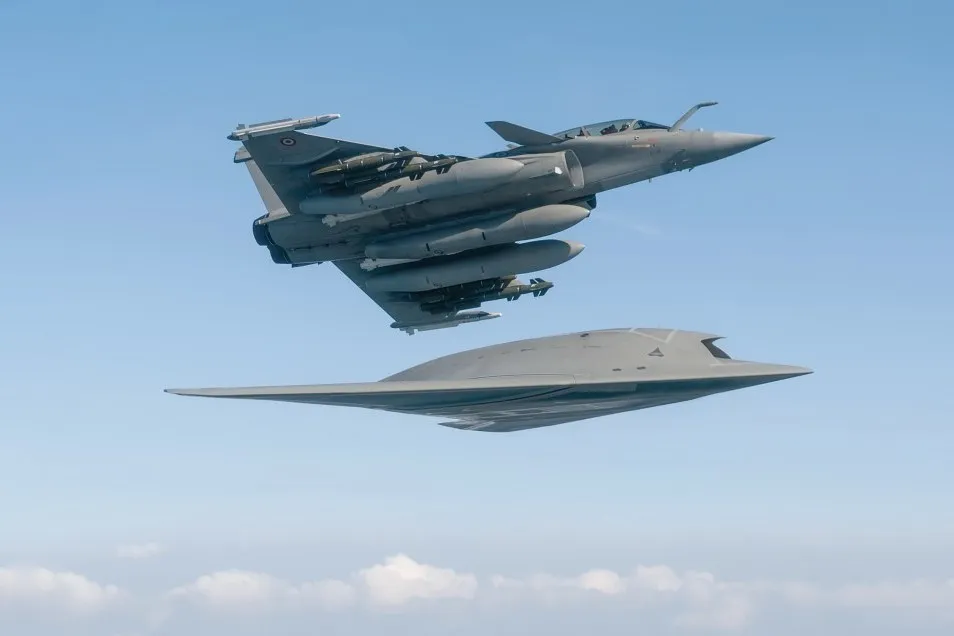
France is investing in a new Rafale configuration, complete with unmanned wingmen, designed to carry French tactical Aviation deep into the 2030s. Such news It exploded in the aviation world no worse than a 1000 kg high explosive bomb.
Samsung Odyssey Neo G9 Review: Why This Massive Ultrawide Dominates Gaming
When Samsung first introduced the Odyssey series, it disrupted the ultra-wide display…

Google targets IPIDEA in crackdown on global residential proxy networks
Google disrupted IPIDEA, a major residential proxy network that enrolled users’ devices…

$20K Reward Offered for Armed Philly Tow Truck Shooter
Philadelphia Police Seek Public’s Help in Locating ‘Armed and Dangerous’ Suspect Linked…

A Full History of DeepSeek: Every Model Released from 2023 to 2026
DeepSeek Model Release Timeline: From DeepSeek-Coder to V4.1-Flash A complete chronological guide…

Rep. Scott Perry Slams Washington Overreach And Demands Immediate Border Security Answers
Constituent engagement remains a cornerstone of effective governance, and federal lawmakers frequently…
But how can this be, after all, “we can do it ourselves” and all that…
Unfortunately, it’s a fact: the country’s defense procurement agency has ordered preliminary work on developing the future F5 standard.
France is accelerating work on the Rafale F5 standard, accelerating the development of a fundamentally new configuration for its combat aircraft at a time when the next-generation fighter planned jointly with Germany has effectively failed in its initial form. Contracts are being awarded for equipment that experts consider to pose the greatest technical risk, pending the conclusion of a general contract for the F5 standard development, expected later this year.
It’s all clear: extract everything French from the FCAS project (and perhaps some German stuff that can be easily copied, forgive me, reverse engineered) and use it in your project.
Apparently, there wasn’t much of their own, because the sixth generation isn’t even being discussed. The same goes for the fifth. The French Ministry of Defense is aiming for a 4+ or 4++, nothing more. Why? Here’s why: France’s defense procurement agency, the Direction générale de l’armement (DGA), has ordered the first preparatory work for the F5 project from Dassault Aviation, Thales, MBDA, and Safran. The contracts cover key areas, including navigation, datalinks, radar, electronic warfare, and propulsion, laying the foundation for the next Rafale configuration, scheduled to enter service with the French Aerospace Force and the French Navy starting around 2033.
We know how to count, so we understand: 6-7 years is not enough time to build a completely new aircraft. That’s simply unrealistic, but a thorough modernization of an existing one is entirely possible.
The Rafale’s most extensive modernization to date, the F5 standard, was originally part of a longer-term transition to developing a new generation of French combat aircraft. But now that the Franco-German next-generation fighter project has effectively been abandoned in its original configuration, the accelerated F5 program is taking on a much more significant strategic role. Precisely because it’s accelerated.
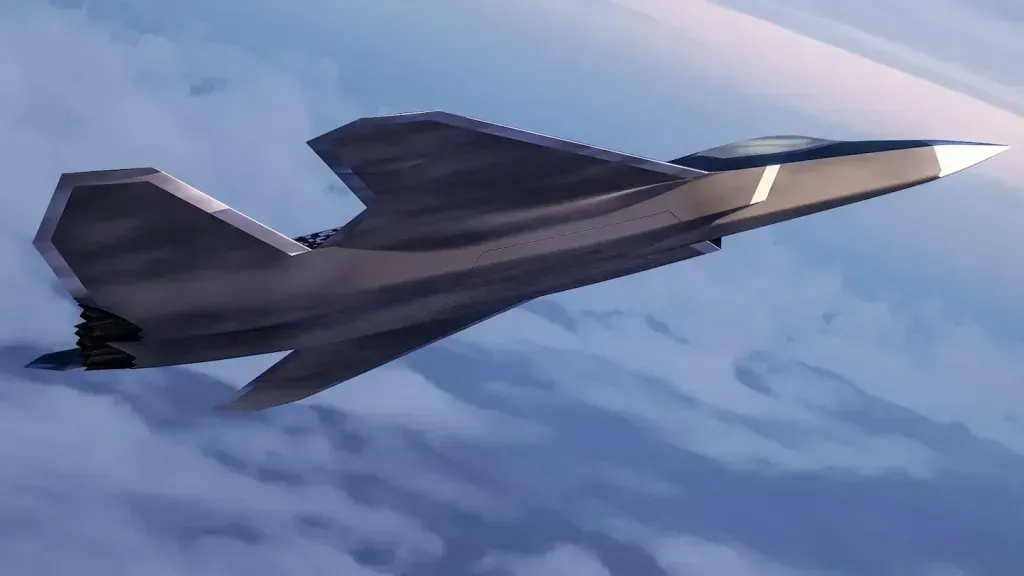
Conceptual drawing of the future NGF fighter. Dassault Aviation
Rather than simply keeping the Rafale relevant until the NGF arrives, France is now developing a version of the aircraft that will provide much of the country’s highly maneuverable air-to-air combat capability into the 2030s and possibly beyond.
Especially if you don’t get into a fight with a modern Air Force – it’s a great plan!
The more advanced F5 could ease the problem of finding a replacement for the Rafale and increase the fighter’s export potential. After a slow start, Dassault has recorded export sales of 299 new Rafale fighters to eight countries. Although corruption scandals are rife in these countries, the Rafale is nonetheless considered a primary aircraft.
The DGA contracts involve four of France’s largest combat aircraft manufacturers.
Dassault Aviation remains responsible for the aircraft and its integration;
Thales is responsible for core sensors, electronic warfare and communications;
MBDA is responsible for the majority of the weapons system;
Safran – for the power plant.
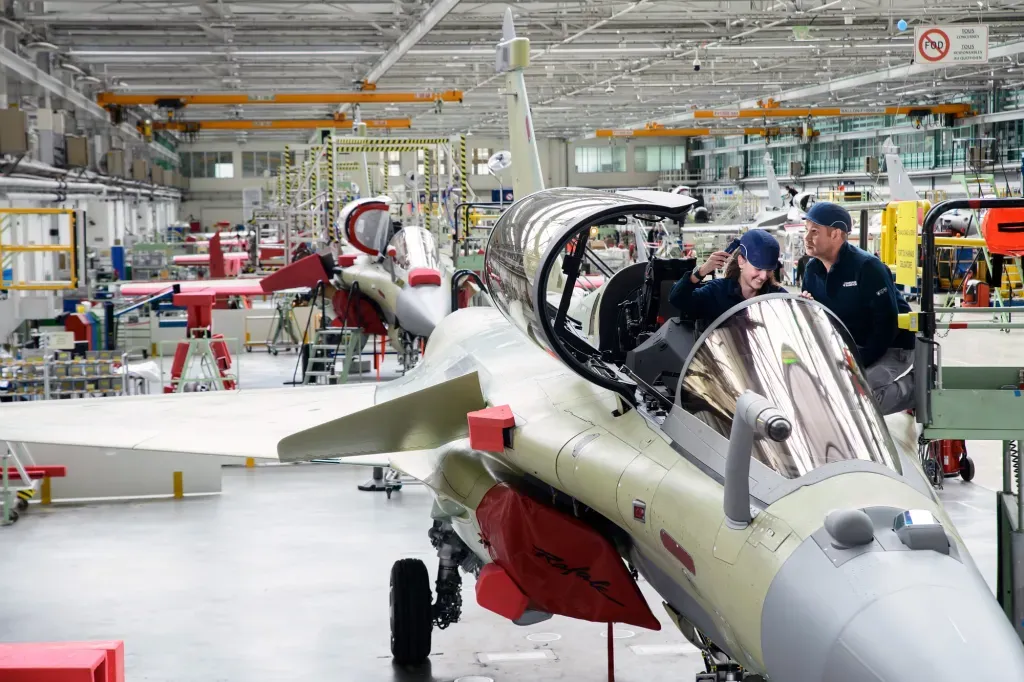
The Rafale assembly line at Dassault Aviation’s plant in Mérignac, France.
Previous Rafale upgrades were primarily incremental improvements to the aircraft’s existing configuration. The F5 is a comprehensive upgrade, impacting many critical systems that determine how the aircraft navigates the battlespace, interacts with other platforms, conducts electronic warfare, and generates the power needed to operate increasingly demanding equipment.
The US Defense Advanced Research Projects Agency has singled out the Thales RBE2-XG radar as one of the key technological advances associated with the F5.
The RBE2-XG is expected to use gallium nitride (GaN) semiconductors. Compared to previous technologies, GaN generates less heat and can operate at higher voltages, allowing for increased output power and smaller component sizes. Overall, the use of GaN should help increase the radar’s power without increasing its size.
According to the Directorate of Armament and Military Equipment, “this new radar will be significantly more powerful, allowing for increased detection range and improved identification of targets with extremely small radar cross-sections (RCS). Its computing capabilities will also be expanded to facilitate the integration of artificial intelligence.”
The RBE2-XG will also be designed for joint combat operations and equipped with sensors capable of operating unmanned UAVs. Furthermore, it is planned to enhance its resilience, including against cyber threats.
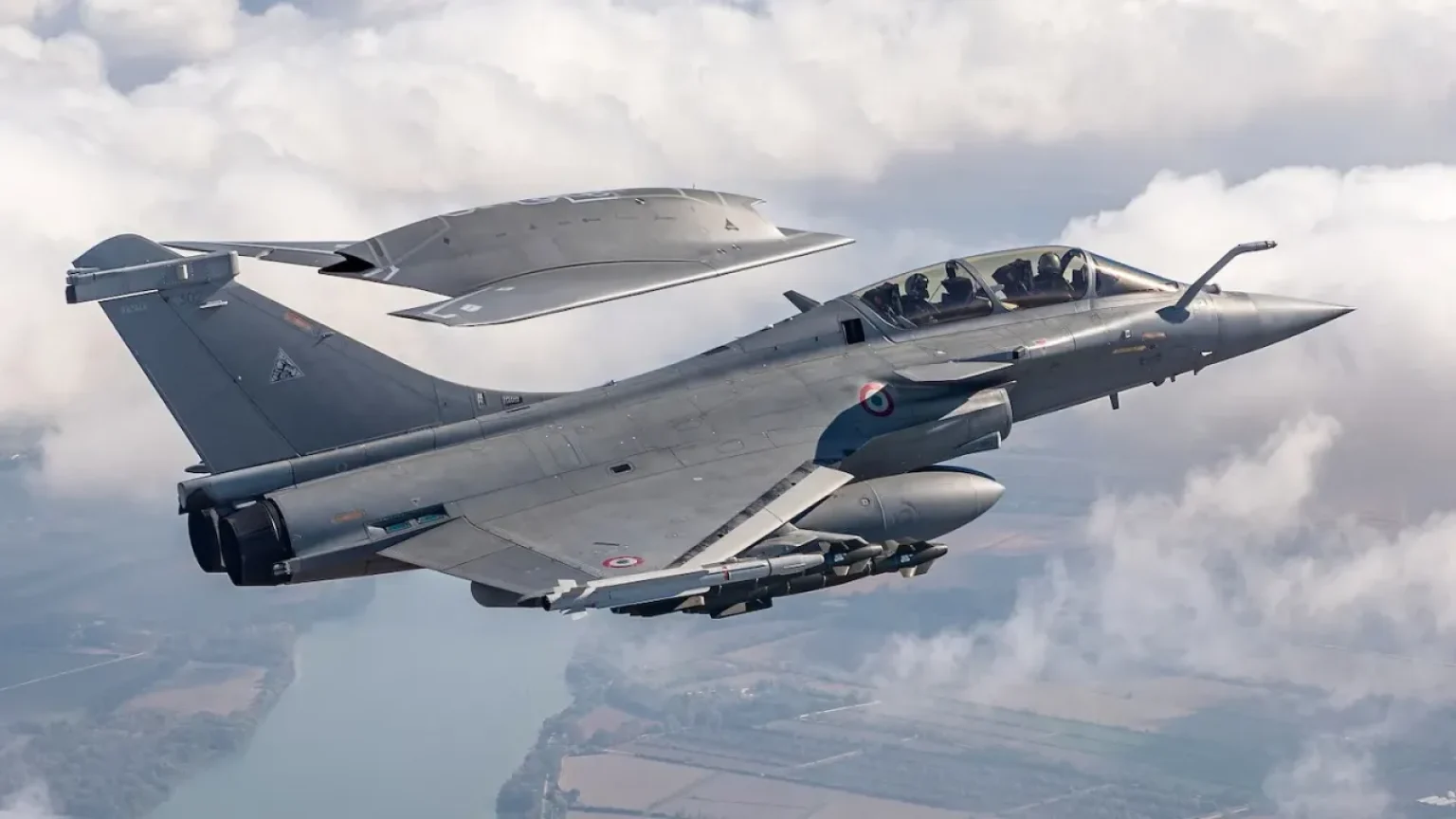
France is already working on a combat concept drone, which will accompany Rafale fighters, and the future F5 standard will ensure the availability of a manned aircraft around which these systems can operate. This is no easy task, but some believe that Airbus France will share the secrets of German developments.
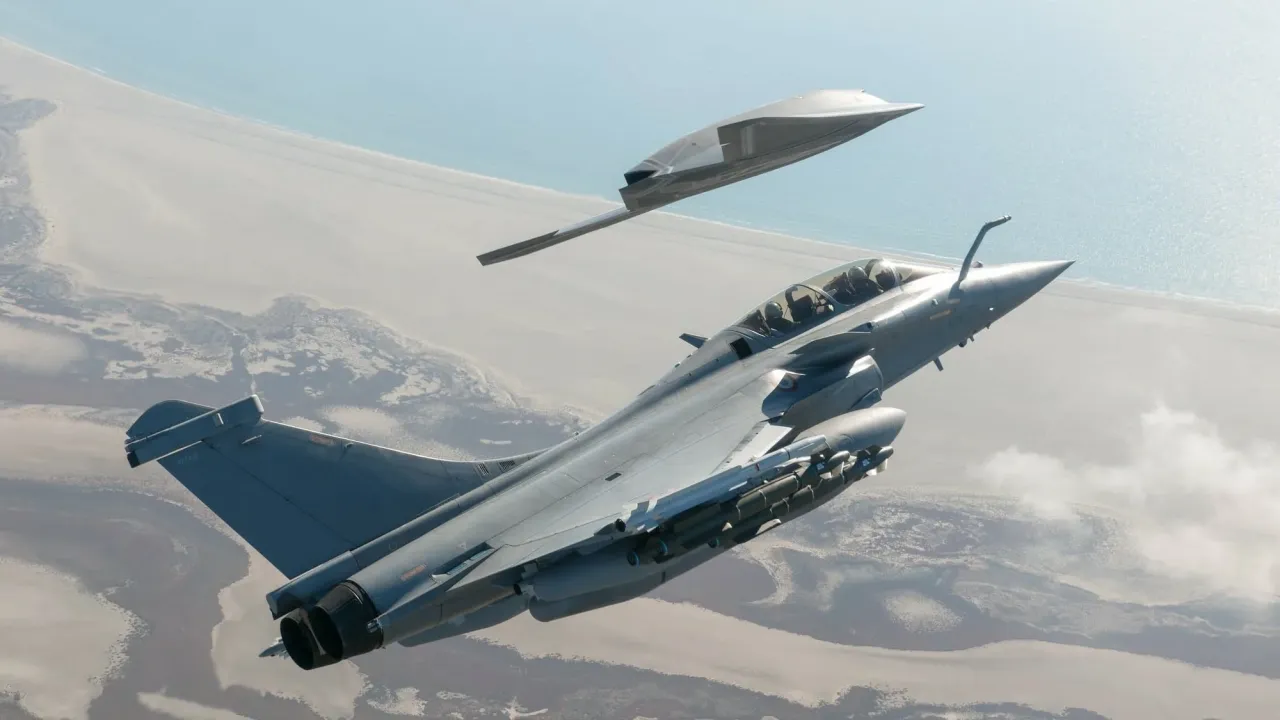
A Rafale during a test flight with the Dassault nEUROn combat drone demonstrator.
The new radar will be complemented by more sophisticated electronic warfare equipment, improved communications and data transmission systems, increased computing power, and a more powerful propulsion system.
According to the Armament Directorate, the future version of the SPECTRA self-protection suite for the F5, being developed by MBDA and Thales, is designed to significantly improve detection and jamming capabilities through a fully digital approach, enabling a complete redesign of the core electronic warfare system to counter the increasing density and range of threats, as well as the complexity of threat signatures, expected by 2035.
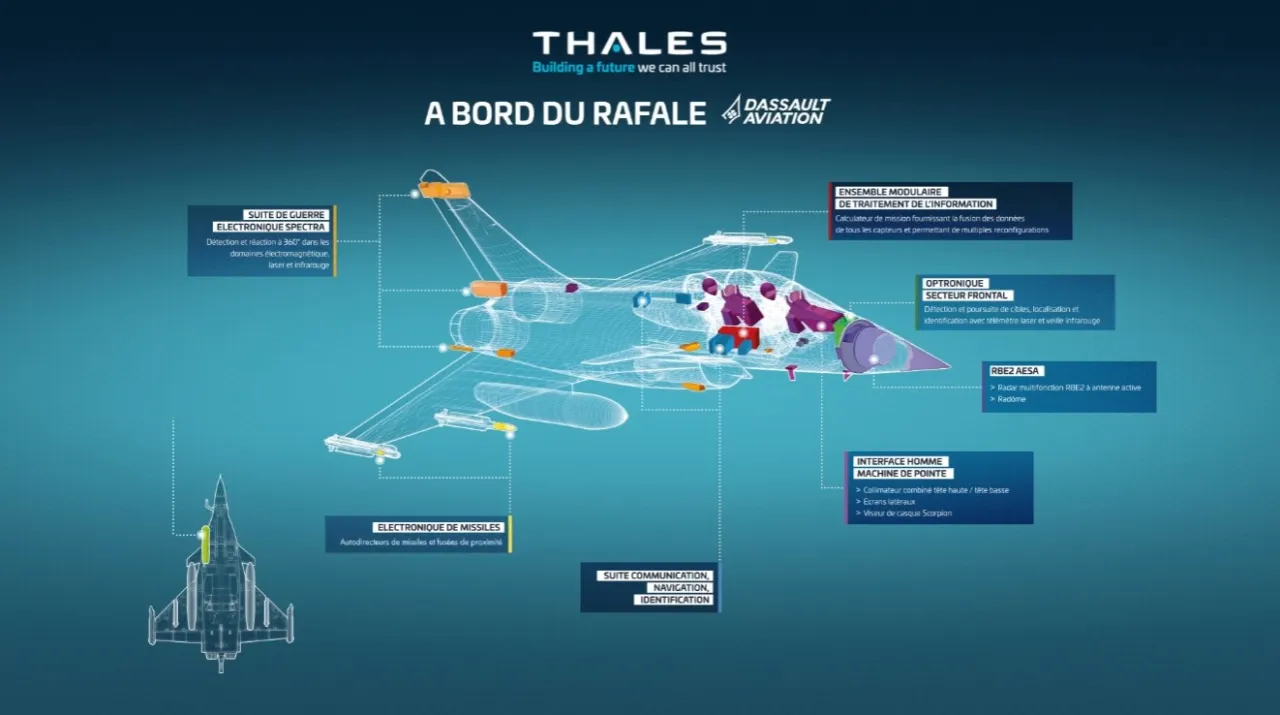
Thales on board a Rafale
Thales will also be responsible for the new Inter-Vehicle Data Link (IVDL) between aircraft and ground control centers, which it calls a “low-observable and resilient data link.” According to the Armament Directorate, the new data link will enhance connectivity with a new high-speed, low-observable, and jam-resistant signal format. IVDL will allow the Rafale to penetrate deep into enemy territory where electronic countermeasures are widespread, while maintaining optimal communications and interoperability between aircraft.
Safran will begin preliminary design work on the M88 T-Rex engine, which is expected to increase turbofan thrust from 7500 kg to nearly 8900 kg, an increase of approximately 20 percent.
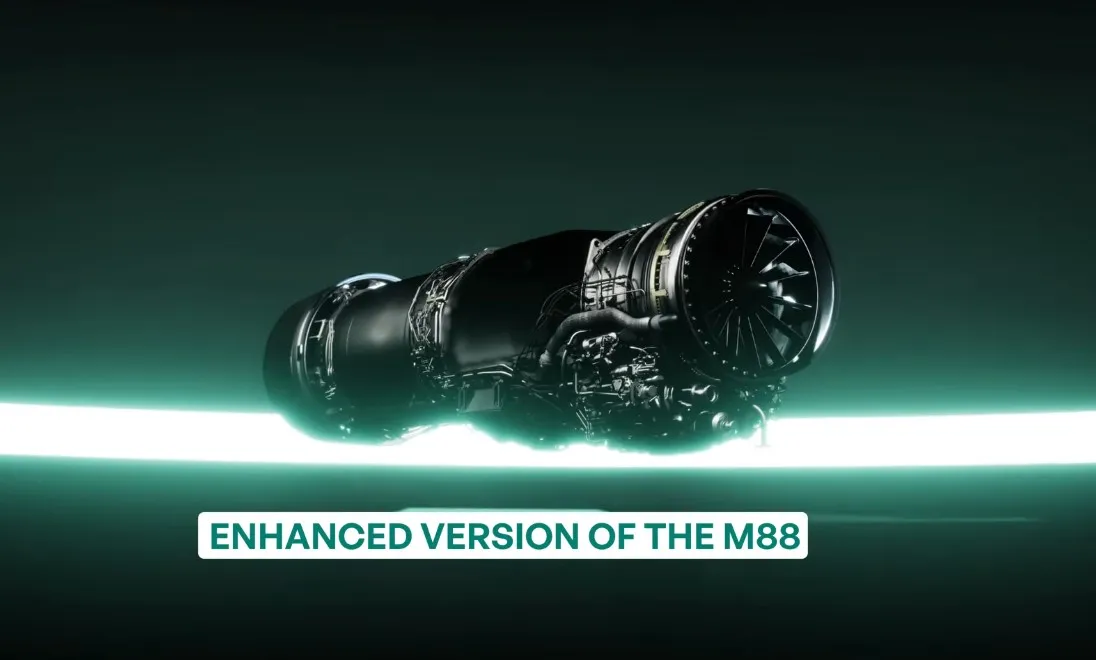
M88 T-REX: Engine for Rafale
As for armament, the contract announcement mentions Rocket ASN4G, which is expected to enter service by 2035 and will allow the Rafale F5 to remain a nuclear-armed carrier. weaponsThis munition is still in the early stages of development, but theoretically it will be capable of hypersonic speeds exceeding Mach 5 and have a range of over 1000 kilometers.
Other potential new missiles include a long-range air-to-air missile to replace the current Meteor missile. The French Comet program, led by MBDA, is already considering this and plans to introduce the weapon around 2030.
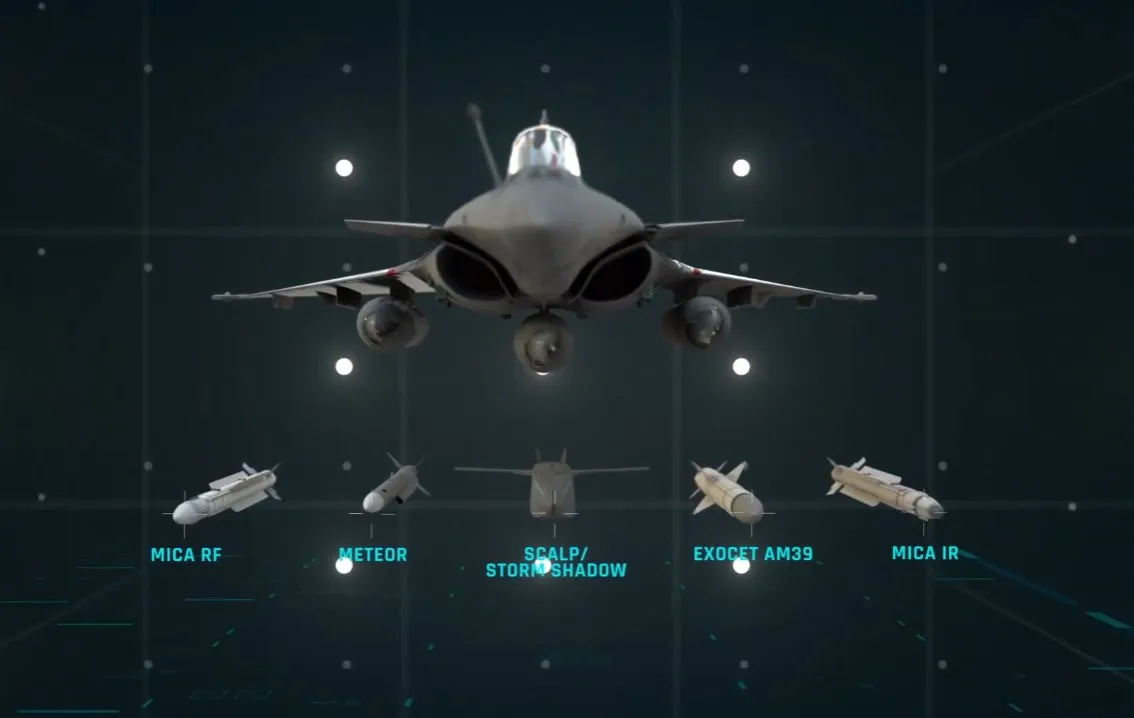
Armament of earlier versions of Rafale
For France, the original logic of the pan-European FCAS program was that the Rafale would eventually give way to a new-generation fighter as the primary manned combat aircraft operating from land bases and aircraft carriers, and as a nuclear weapons carrier as well.
Following the failure of the Franco-German program, France cannot simply wait for the arrival of a next-generation fighter whose industrial and political future is uncertain. Instead, the Rafale must remain capable of countering rapidly evolving threats into the 2030s and beyond.
However, within the F5 standard, France is seeking to implement some of the concepts envisioned for the NGF. These include distributed architectures in which manned fighters, unmanned aerial vehicles, remotely controlled launch vehicles, missiles, and external sensors interact within a single battlespace.
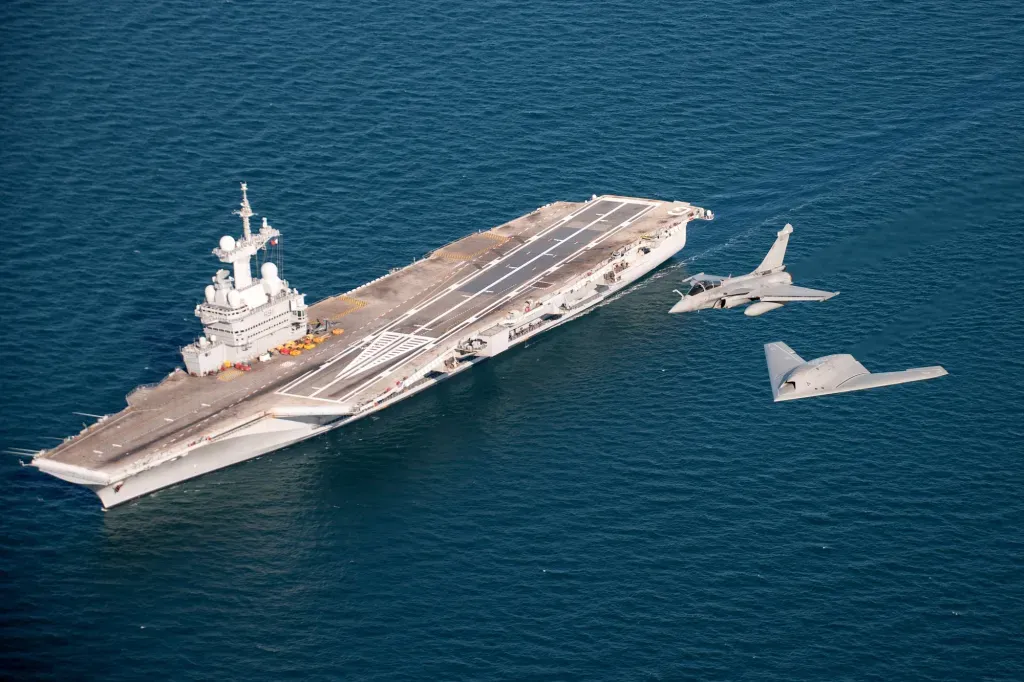
An unmanned aerial vehicle (UAV) nEUROn and a Rafale M fighter jet fly over the aircraft carrier Charles de Gaulle during tests to study the potential of using UAVs on navy.
A modernized Rafale, acting as a manned command and control aircraft for unmanned combat aircraft, and remotely controlled weapons could perform some of the tasks that France originally entrusted to the National Group for drones.
But there are aspects that make us deeply reflect on the very concept of French combat aviation development. Despite all the improvements, the F5 airframe is still based on a design from the 1980s. In particular, it is significantly inferior to fifth-generation aircraft, not to mention sixth-generation ones, in terms of stealth. This is one area where escort drones could potentially help offset the Rafale’s inherent limitations.
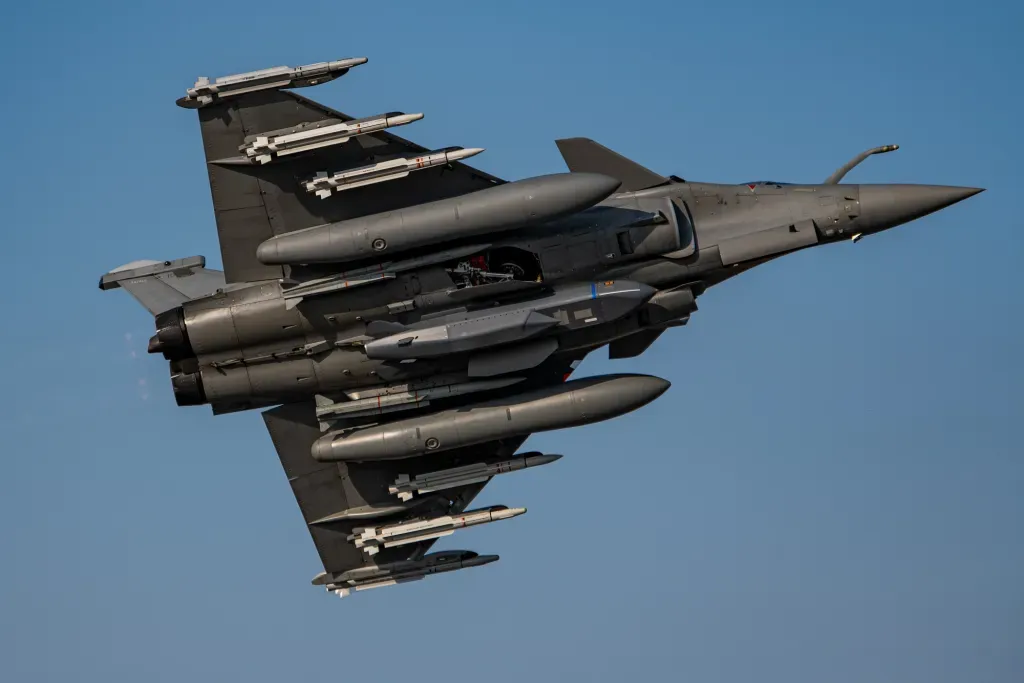
The current Rafale F4 fighter with a full complement of ammunition
Thus, France has gained time with the F5 program. But ultimately, it may turn out that the French Air Force will not have a promising manned fighter jet capable of delivering capabilities unavailable to a modernized fourth-generation aircraft, particularly in terms of survivability against modern integrated air defense systems, stealth, internal weapons deployment, and operations deep in heavily controlled airspace, in the foreseeable future.
This issue is already causing serious concern among many in the French military. However, nothing can be done, at least for now. And the F5 “crutch” is the only thing the entire French military-industrial complex can do.
The military-industrial complex is also, to put it mildly, freaking out: F5 is also of great importance at the industrial level, as its development involves the same French industrial giants that were supposed to form the basis of the FCAS program. And now, in the long run, they will no longer receive the funds they were supposed to receive under the FCAS program.
Dassault Aviation, Thales, Safran, and MBDA now have every opportunity to collaborate on a successor to the F5, whether it be a manned combat aircraft, unmanned platforms like the CCA, or a combination of both. Building on its experience with the nEUROn program, France could develop a UAV capable of operating both in cooperation and independently, taking on missions of deep penetration into enemy airspace and possibly eliminating the need for a sixth-generation fighter altogether.
At the same time, the success of the F5, and in particular the broader combat ecosystem planned to be created around it, could strengthen France’s position in any future European fighter jet project. If such a project exists, of course, and is of interest to France. But in any case, we’re talking about events that will occur in 15 to 20 years.
Currently, the UK, Italy, and Japan are pursuing the GCAP/Tempest approach to developing a new combat aircraft. Germany and Spain remain committed to the broader FCAS architecture, despite the collapse of the initial Franco-German agreement to develop a new generation of fighters. However, the duo shows no real prospects yet. Furthermore, there are persistent rumors that Germany will join the UK-Italy-Japan trio, especially since the Germans have much to offer. Airbus is not a company whose capabilities should be ignored.
Sweden’s position is less clear, but there is reason to believe that it may cooperate with either France or Germany.
France, for its part, is now investing heavily in improving the Rafale’s architecture while maintaining its own independent industrial base.
Regarding procurement, France is expected to pursue a mixed approach: purchasing new Rafales and upgrading existing aircraft to the F5 standard. However, the oldest aircraft are unlikely to receive a full upgrade to the F5 standard.
The irony is that the failure of the NGF program could ultimately make the Rafale F5 a more important and potentially more effective aircraft than expected. Or it could end in complete failure, leaving the Rafale F5 a fourth-generation aircraft for the next 20 years.