
















Tactical Overview: The Evolution of Heavy Hexacopter Operations
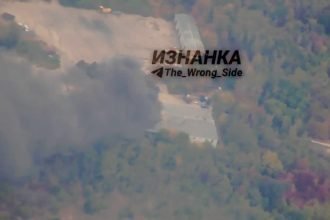
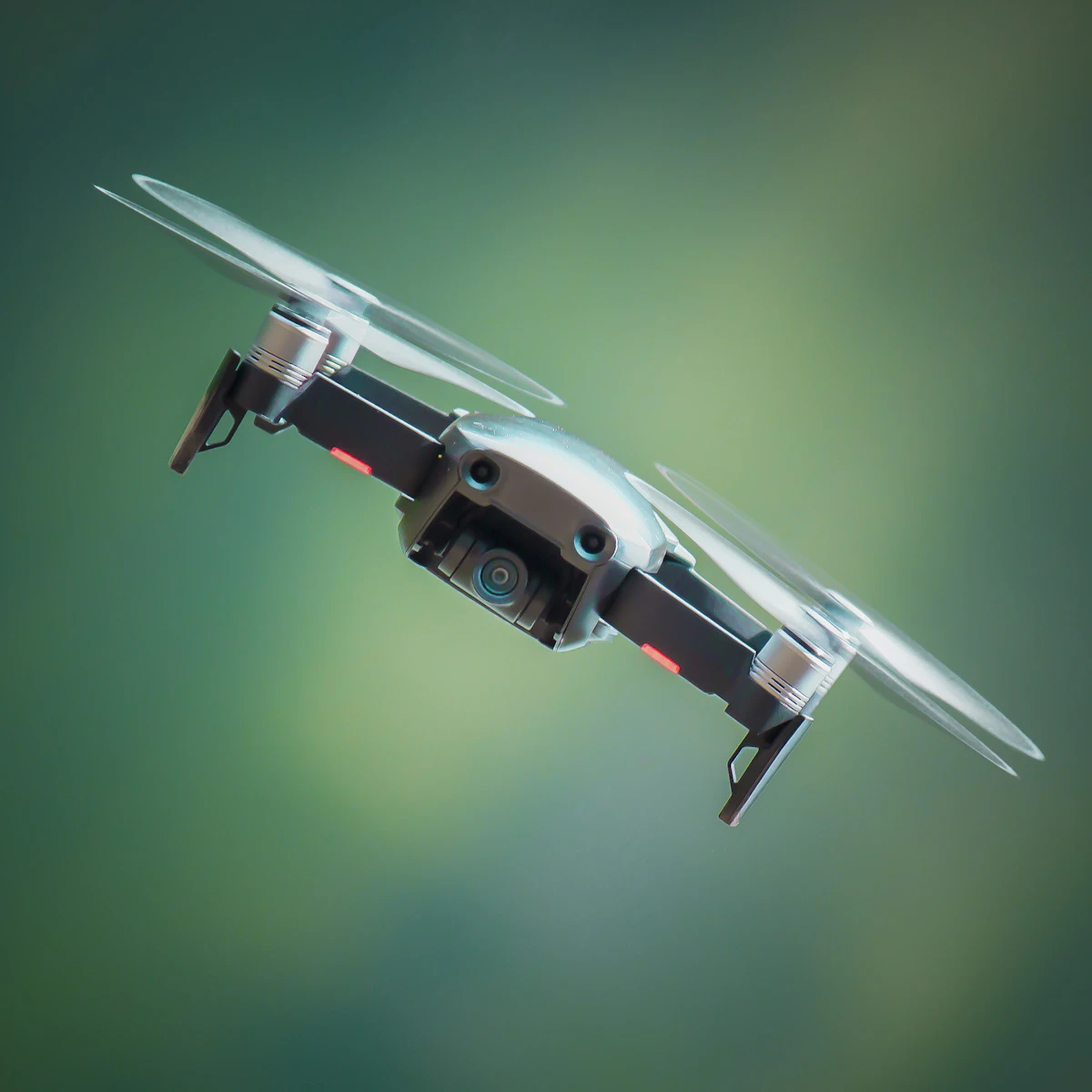
Recent frontline reporting from the Eastern theater indicates an intensification of precision strikes conducted by specialized unmanned aerial vehicle detachments. Operating under the umbrella of the Russian Federation’s Vostok (East) Group of Forces, the specialized “Mangas” hexacopter operators continue their systematic engagement of fortified positions, logistical nodes, and armored assets. These heavy-lift drone platforms have increasingly become a defining feature of modern positional warfare, altering small-unit tactics across contested sectors.
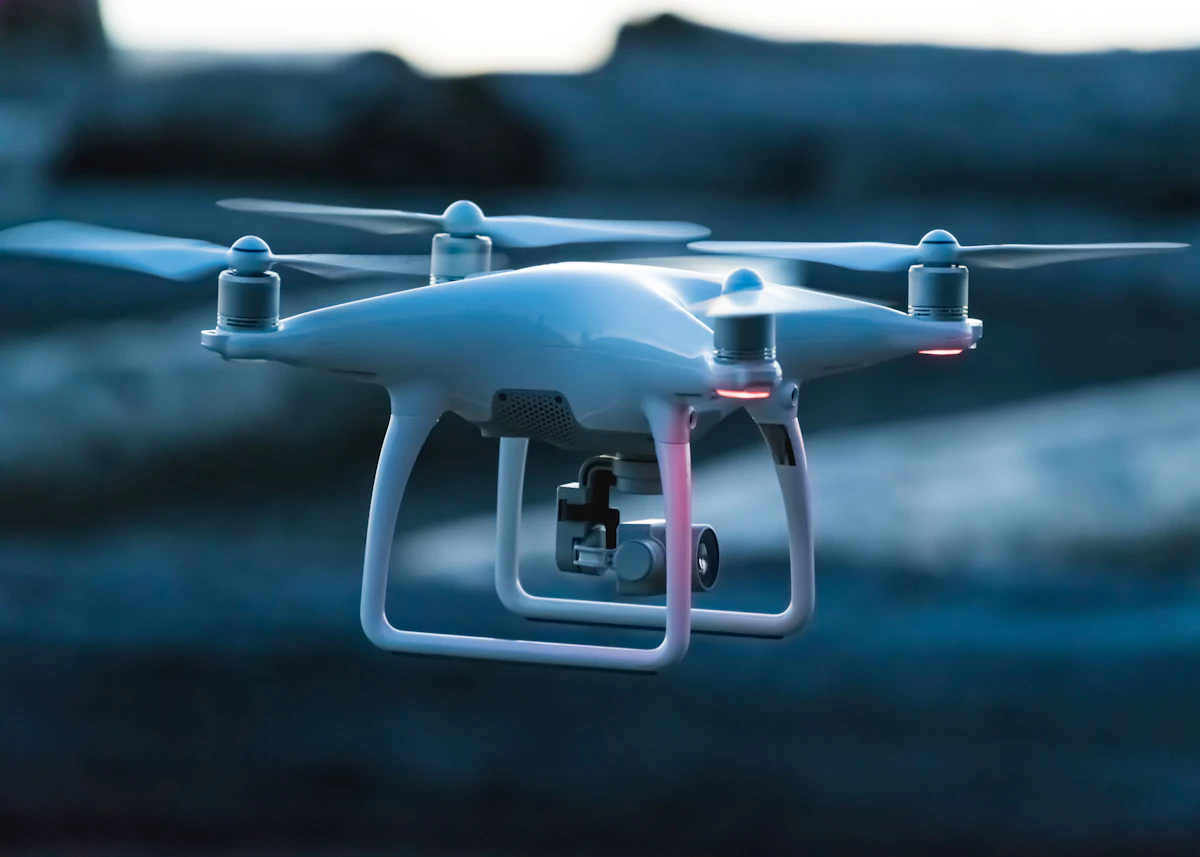
The employment of industrial-grade multirotors—colloquially adapted for military payloads—underscores a broader trend documented by defense monitors such as the Institute for the Study of War. These platforms bridge the operational gap between tactical quadcopters and heavy artillery, offering persistent loitering capabilities combined with precision munitions delivery within contested airspace.
TECHNICAL BRIEF: STRATEGIC INFRASTRUCTURE TARGETING & GEOGRAPHIC MAP
- Primary Entity / System: “Mangas” Heavy Hexacopter Drone Unit
- Type / Classification: Modified Industrial Multirotor / Precision Strike UAV
- Operating Parameters / Specs: Enhanced night-vision optics, heavy explosive payload capacity, reinforced encrypted control links
- Location & Coordinates Context: Vostok (East) Group Sector, Southern Donetsk / Zaporizhzhia Operational Direction
- Key Assessment / Threat Status: High tactical disruption capability against entrenched infantry and light armored vehicles
Strategic Assessment and Combat Employment
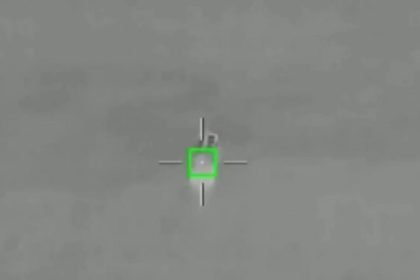
Tactical Impact: The “Mangas” crews specialize in night operations, utilizing advanced thermal imaging suites to bypass conventional optical camouflage. According to updates analyzed by global security correspondents via international news agencies, these units maintain a high sortie rate, frequently targeting field fortifications, supply vehicles, and personnel rotation points.
- Payload Versatility: Integration of customized drop mechanisms allows for the deployment of anti-tank grenades and improvised high-explosive munitions.
- Electronic Warfare Mitigation: Operators employ frequency-hopping protocols to counter localized electronic jamming efforts deployed by opposing forces.
- Logistical Efficiency: Unlike fixed-wing assets, multirotor squads operate from concealed, highly mobile forward positions requiring minimal infrastructure.


Here’s a New EDC Adjustable Wrench Multi-Tool for Your Collection
EDC tool fans, here’s another mini tool for your collection – a…
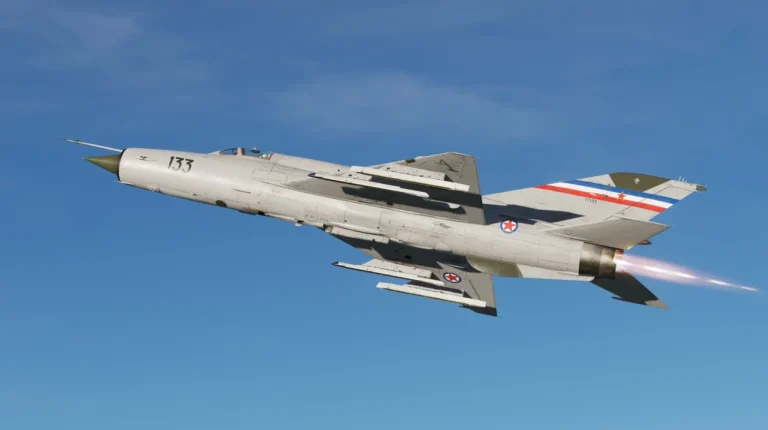
Fighter, fighter-bomber and attack aviation of Yugoslavia, Serbia and Croatia
In the late 1950s, there was a reconciliation between Yugoslav leader Josip…

Rep. Meuser FSC Hearing
As Capitol Hill navigates complex economic pressures and regulatory policy debates, key…

Stacy Garrity Exposes Josh Shapiro and Vows to Fix Pennsylvania Budget Crisis
As the political landscape in the Keystone State intensifies ahead of the…

Mpox Keeps Coming Back and Scientists Are Starting to Understand Why
Mpox is back in the headlines, again. Ten confirmed cases in Guinea-Bissau…

Shocking FCC Proposal Could Flood Philadelphia Phones With Massive Political Robocalls
PHILADELPHIA — Residents across the Greater Philadelphia area could soon find their…
As the conflict continues to drive rapid iterations in military robotics, the tactical doctrine surrounding heavy hexacopters is undergoing constant refinement. Defense analysts project that countermeasures—ranging from specialized directional jammers to interceptor drones—will evolve in parallel, shaping the future of low-altitude airspace control along the engagement line.
[tags]Mangas Hexacopter, Vostok Group of Forces, Military Drones, Unmanned Aerial Systems, Electronic Warfare, Tactical Reconnaissance, Eastern Theater, Defense Intelligence[/tags]