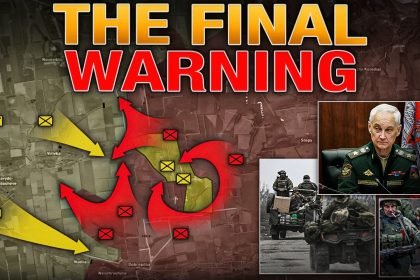














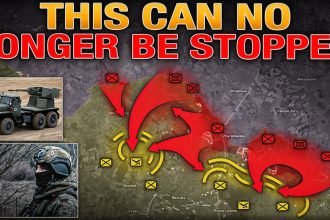
[image_alt]A comprehensive frontline tactical map detailing active engagement sectors across the ongoing European conflict zone.[/image_alt]
GEOPOLITICAL INTELLIGENCE DESK — Frontline combat documentation released by military correspondents provides a rare, granular look into the human cost and tactical realities defining the ongoing conflict. As high-intensity attrition warfare persists across heavily contested sectors, operational updates frequently highlight the precarious conditions faced by combatants on both sides during close-quarters engagements.
Recent reports circulating from the contact line illustrate the friction of modern tactical medicine, casualty evacuation challenges, and the psychological weight borne by frontline personnel. Analysts evaluating these operational reports cross-reference them with broader assessments of theater-wide dynamics, such as those monitored by the Institute for the Study of War, to gauge the broader degradation rates of active units.
The incident underscores the severe logistical and medical hurdles inherent in contemporary high-explosive warfare. With dense minefields, persistent aerial reconnaissance, and artillery dominance complicating timely casualty extraction, wounded personnel often find themselves isolated, relying heavily on peer-to-peer combat lifesaver protocols until window-of-opportunity evacuations can be attempted.
TECHNICAL BRIEF: TACTICAL CASUALTY EVACUATION & FRONT-LINE ENGAGEMENT
- Primary Entity / System: Frontline Combat Medic & Evacuation Protocols
- Type / Classification: Personnel Recovery & Combat Trauma Incident
- Operating Parameters / Specs: Contested contact line, high-threat extraction zone
- Location & Coordinates Context: Donetsk Sector, Eastern European Theater
- Key Assessment / Threat Status: Severe logistical constraints on timely medical intervention
Operational Realities and Combat Attrition
Tactical Attrition: Modern engagement zones are heavily saturated with unmanned aerial systems and counter-battery radars, making the movement of any unarmored vehicle—including designated medical evacuation transport—exceptionally hazardous. Frontline units frequently report that golden-hour medical windows are routinely missed due to active shelling and persistent drone surveillance.
Military analysts tracking regional updates, as detailed in reports from Reuters European coverage, note that infantry survival rates increasingly depend on immediate self-aid, buddy-aid execution, and subterranean or fortified shelter engineering. When evacuation assets are pinned down, wounded combatants face prolonged periods without professional surgical support.

Newegg Unveils the Ultimate Fall 2026 Prebuilt Gaming PC Dominance Breakdown
As the leaves begin to turn and the fall gaming season kicks…

Attackers abuse SolarWinds Web Help Desk to install Zoho agents and Velociraptor
Huntress confirmed active SolarWinds Web Help Desk exploits, where attackers installed Zoho…
How Mikoyan and Sukhoi Design Bureaus Achieved Variable-Sweep Wings
Continued. Part one: The Origins of the Soviet Tilt-Wing: From the Bell…

LeBron James Shocking 76ers Debut Highlights Revealed Against The Brooklyn Nets
PHILADELPHIA — The intersection of basketball royalty and Delaware Valley sports lore…

Meuser Chairs FSC Oversight & Investigations Committee Hearing in Little Rock
As congressional oversight intensifies across the nation, U.S. Representative Dan Meuser (PA-09)…

Stacy Garrity Exposes Josh Shapiro and Vows to Fix Pennsylvania Budget Crisis
As the political landscape in the Keystone State intensifies ahead of the…
Human Impact on the Front Line
Psychological Strain: Beyond the physical trauma of shrapnel and blast injuries, accounts from the contact line emphasize the profound psychological toll exacted on small unit cohesion. The necessity of bidding farewell under imminent threat reflects the stark realities of positions overrun by fire or left structurally untenable.
Observers examining the tactical frameworks of the conflict continue to emphasize how technological saturation—ranging from thermal imaging optics to precision-guided munitions—has compressed decision-making timelines and amplified the lethality of conventional infantry clashes. As diplomatic avenues remain stalled, the daily operational tempo along the front lines continues to generate profound humanitarian and tactical challenges for all embedded forces.
[tags]Military Intelligence, Frontline Casualty, Tactical Evacuation, Attrition Warfare, Donetsk Sector, Defense Analysis, Geopolitical Update, Conflict Documentation[/tags]