
















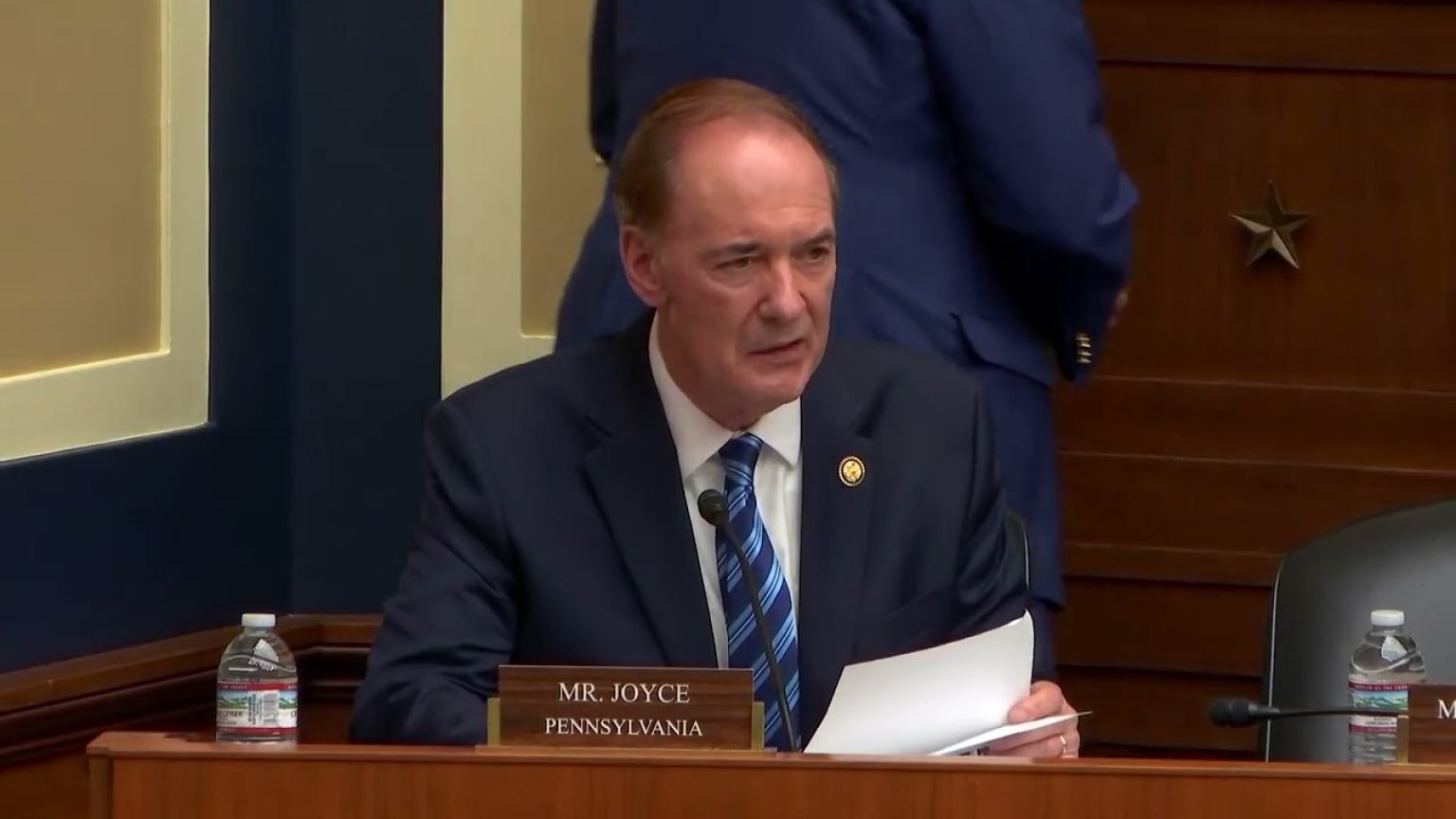
WASHINGTON — In a recent high-stakes legislative session, members of the House Energy and Commerce Committee gathered to debate and vote on pivotal technological and regulatory frameworks shaping the future of American infrastructure. Among the focal points of the markup was the ongoing national discussion surrounding data governance, cross-border digital information flows, and regulatory modernization. Lawmakers deliberated on critical legislative packages designed to maintain American competitiveness in the global digital economy while safeguarding national security interests.
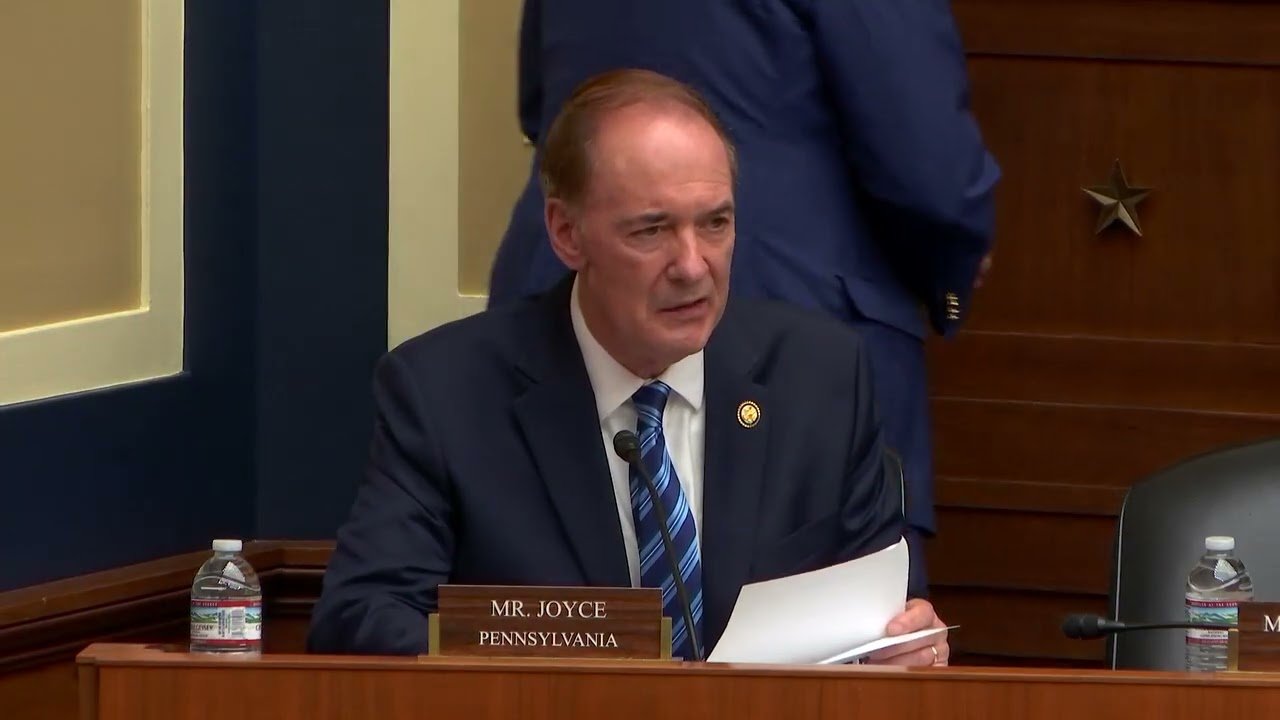
Congressional committees continue to grapple with the rapid acceleration of artificial intelligence, cloud computing, and massive data transmission networks. The latest committee markup highlighted sharp debates between lawmakers over how to best balance open market innovation with stringent oversight. As Capitol Hill moves forward with major regulatory packages, stakeholders across the technology and telecommunications sectors are closely monitoring the outcomes of these legislative markups.
The Legislative Framework and Committee Context
The House Energy and Commerce Committee serves as one of the oldest and most influential standing committees in the United States House of Representatives, holding broad jurisdiction over telecommunications, consumer protection, public health, and interstate commerce. During the recent markup, members examined several bills aimed at streamlining federal oversight and modernizing outdated regulatory statutes to better fit the demands of a twenty-first-century digital landscape.
Lawmakers emphasized the urgent need for comprehensive policy solutions that prevent bureaucratic red tape from stifling domestic technological development. Proponents of the measures argued that modernizing the regulatory architecture is essential for keeping pace with international competitors, particularly as global superpowers race for dominance in critical technology sectors. Detailed information regarding pending legislation and committee schedules can be tracked directly through Congress.gov.
Key Arguments in Support of Regulatory Modernization
During the committee proceedings, supporters of the legislative initiatives made compelling arguments regarding the economic and strategic advantages of updating federal policy. Key themes of the debate included:


Have You Seen Her? Endangered Philadelphia Woman Julianna Mishoe Missing from 22nd District
The Philadelphia Police Department is asking for the public's help in locating…

Xbox Is Paying A Lot Less Than Normal For Kojima’s Physint, Possibly Under $200 Million – Report
New Xbox CEO Asha Sharma has made a lot of big moves…

The Colorado River Is Drying Up and the West Is Running Out of Easy Choices
Flow in the Colorado River has shrunk by about 20% since 2000,…

Italian university La Sapienza still offline to mitigate recent cyber attack
Rome’s La Sapienza University was hit by a cyberattack that disrupted IT…

Massive Star Wars Secret Uncovered: This Was Actually The Plan All Along
The sprawling narrative of a galaxy far, far away has always thrived…
- Economic Competitiveness: Ensuring that American businesses face predictable, streamlined regulatory environments to foster innovation and venture capital investment.
- National Security: Protecting sensitive domestic data infrastructure from foreign adversaries and ensuring robust cybersecurity standards across all digital supply chains.
- Consumer Protection: Balancing corporate growth with transparent privacy standards that protect everyday citizens from data exploitation and security breaches.
Lawmakers backing the proposals pointed out that fragmented state-level regulations often create a confusing patchwork of compliance burdens for growing enterprises. Establishing clear, uniform federal standards remains a top priority for committee leadership as they seek to harmonize regulatory expectations nationwide.
Bipartisan Perspectives and Future Outlook
While partisan divisions frequently surface during high-profile committee markups, issues related to technology policy, data security, and infrastructure frequently attract bipartisan cooperation. Members from both sides of the aisle acknowledged the necessity of addressing digital vulnerabilities and maintaining the United States’ technological edge on the world stage. Official committee documents, jurisdiction details, and member rosters can be reviewed on the official House Energy and Commerce Committee website.
As the legislative process moves forward, the bills discussed during the markup will face additional scrutiny, potential amendments, and eventual floor votes before heading to the Senate. Political analysts anticipate that technology governance will remain a dominant fixture of congressional hearings and policy debates throughout the current legislative session as lawmakers race to address emerging digital challenges.
[tags]House Energy And Commerce Committee, Data Regulation, Technology Policy, Congress, Digital Infrastructure, Legislative Markup, U.S. Politics[/tags]