















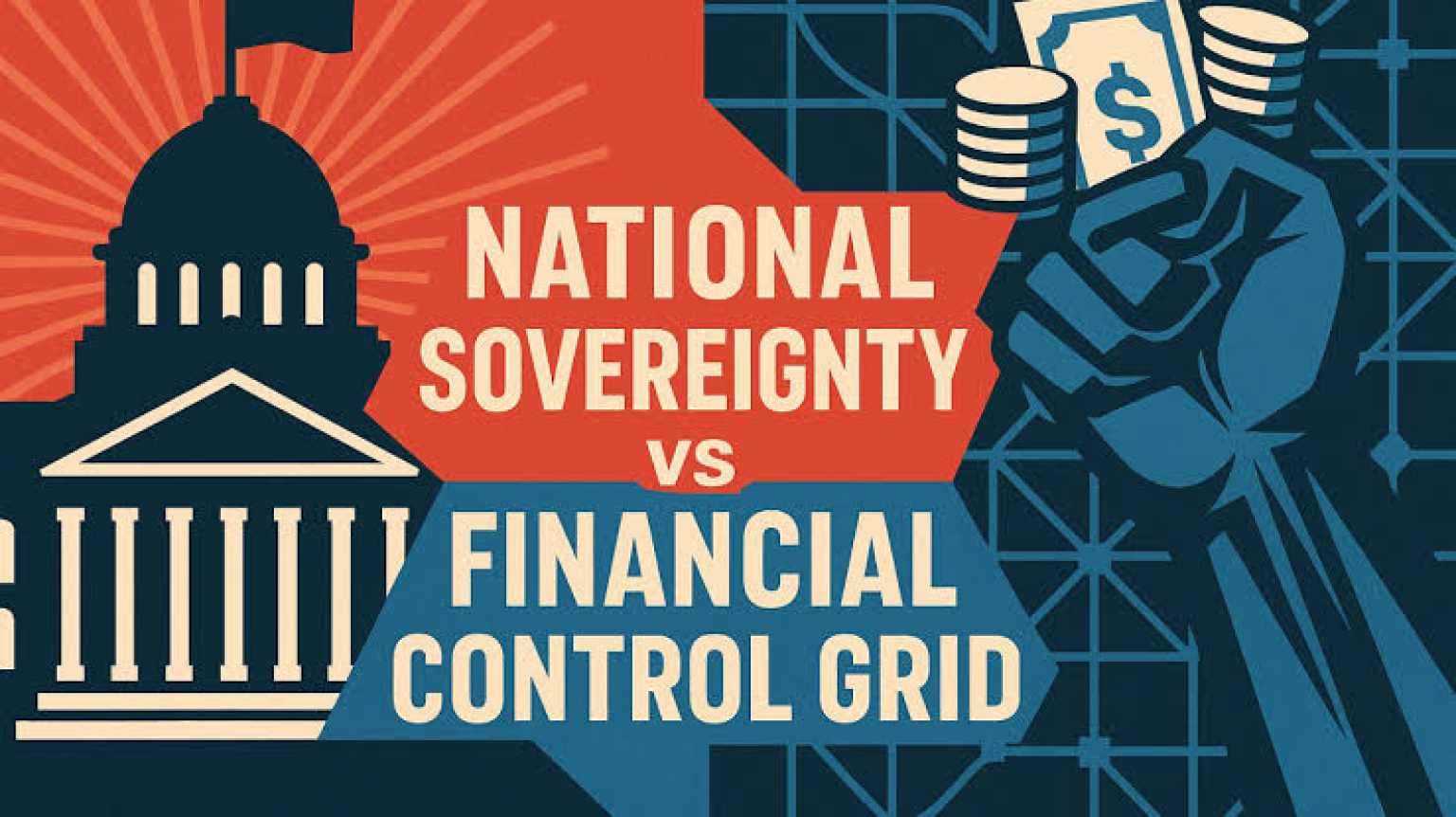
Throughout history, political leaders have discovered a cold, hard geopolitical reality: military force is useless without financial liquidity.
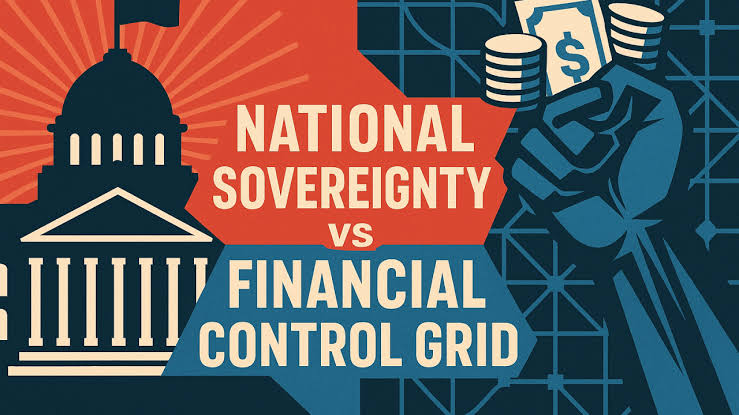
While monarchs command armies, transnational financial networks control the trade bottlenecks, credit lines, and clearinghouses that make war possible. When a state attempts to use raw physical force against financial powers, those powers can unleash asymmetric warfare that dethrones leaders without firing a single shot.

The Master Ledger: The Asymmetric Power of Financial Cartels
When sovereign power collides with international banking, the financial playbook relies on three core choke points:
1. The Multi-Front Credit Trap
Armies run on money. By managing the finances and debt of rival nations, global financial networks hold ultimate diplomatic leverage. The moment a sovereign ruler moves aggressively against their financiers, credit lines are frozen domestically while limitless financing opens up to neighboring rivals. The state faces an immediate, multi-front invasion it cannot afford to counter.
2. Supply Chain Bottlenecks
Modern and historical militaries do not run on sheer will; they depend on complex supply chains. Cartels that control global shipping, ports, and trade networks in vital commodities—such as energy, rare minerals, grain, or historical materials like saltpeter—can freeze state logistics. Without raw materials, weapons cannot be manufactured, and armies cannot be fed.
3. Economic Paralyzation
In advanced commercial economies, financial clearinghouses and central banking infrastructures run domestic markets. A financial cartel can trigger an artificial economic depression by restricting credit, halting transaction clearing, and cutting off liquidity—turning domestic populations against their own leadership.
China-linked Amaranth-Dragon hackers target Southeast Asian governments in 2025
China-linked hackers tracked as Amaranth-Dragon targeted government and law enforcement agencies across…

Stacy Garrity Vows to Protect PA Farmland From Invasive Data Center Development
HARRISBURG, Pa. — As Pennsylvania’s 2026 gubernatorial landscape begins to take shape,…

Xbox Is Paying A Lot Less Than Normal For Kojima’s Physint, Possibly Under $200 Million – Report
New Xbox CEO Asha Sharma has made a lot of big moves…
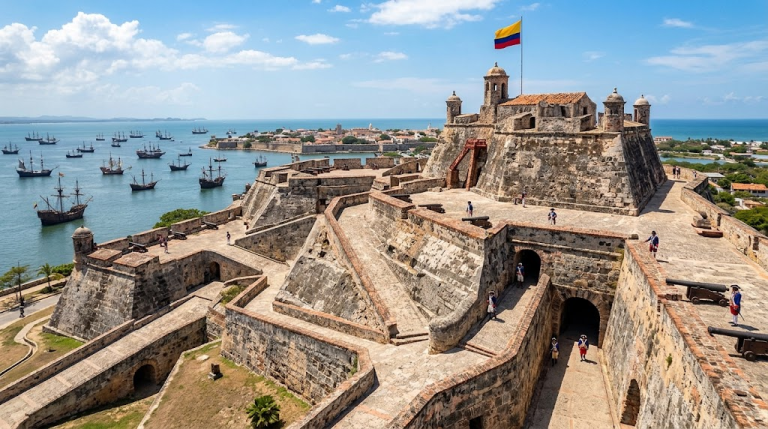
IMPENETRABLE MONSTER: Inside the Colombian Fortress That Obliterated Britain’s Greatest Fleet
CARTAGENA, COLOMBIA — Towering over San Lázaro Hill in Cartagena stands the…

Massive Hardware Breakdown Reveals Crucial Performance Upgrades for September 2026 Builds
Welcome back to the hardware desk here at The Philly PI, where…

THE NEW WAR propaganda MACHINE: How Jon Stewart’s Production Network Built Youtube’s Top Pro-Zelensky Narrative Channel
NEW YORK — Behind the polished graphics and high-production military analysis on…
                 +--------------------------------+
                 |    Transnational Financial     |
                 |            Cartel              |
                 +---------------+----------------+
                                 |
        +------------------------+------------------------+
        |                        |                        |
        v                        v                        v
+---------------+        +---------------+        +---------------+
| Cut Sovereign |        | Block Critical|        | Fund External |
| Credit Lines  |        | Supply Chains |        | Rival States  |
+-------+-------+        +-------+-------+        +-------+-------+
        |                        |                        |
        +------------------------+------------------------+
                                 |
                                 v
                 +--------------------------------+
                 |   Economic & Strategic Defeat  |
                 +--------------------------------+
Counter-Strategies: How Sovereign Powers Neutralize Financial Leverage
Despite this immense power, sovereign leaders and state governments are not entirely powerless. Historically and in modern statecraft, governments use specific strategies to break financial choke points and reclaim sovereign control:
| Mechanism | Strategy | Historical/Modern Example |
| Outright Default | Refusing to service foreign debt, erasing the lender’s leverage over state revenue. | King Edward III of England defaulted on Italian banking houses (Bardi and Peruzzi) in 1343. |
| Nationalization | Seizing domestic central banks, clearinghouses, and banking assets by force. | Post-war nationalizations of central banks to mandate direct state lending. |
| Asset Seizure | Arresting financial elites and seizing tangible collateral (mines, ports, land). | Philip IV of France dismantled the Knights Templar to wipe out crown debts. |
| Bypass Economies | Building alternative payment rails and bilateral trade outside global clearing systems. | Modern BRICS financial messaging networks created to bypass SWIFT dependencies. |
1. Strategic Sovereign Default
Financiers rely on the assumption that rulers will keep paying interest to protect future borrowing. However, when debt becomes a mechanism of subjugation, states can execute a sovereign default. By unilaterally wiping the state balance sheet clean, the government destroys the capital base of the cartel. While this temporarily restricts future borrowing, it eliminates immediate financial extortion.
2. Nationalization of Central Clearing
Financial systems operate within physical territories. A sovereign state retains a monopoly on legitimate physical force within its borders. If a banking network attempts to pull the plug on liquidity, the state can nationalize central banks, commercial clearinghouses, and payment rails. Converting private financial institutions into state utilities strips away the cartel’s ability to shut down the economy.
3. Sovereign Reserve Building & Commodity Controls
To counter supply-chain paralysis, governments build strategic reserves of critical resources (oil, grain, metals, technology) and maintain nationalized merchant fleets. By controlling core domestic industries directly, states prevent external networks from shutting off basic logistics during a conflict.
4. Alternative Settlement Platforms
In response to global financial pressure, allied sovereign nations develop alternative clearing networks, bilateral barter systems, and decentralized settlement mechanisms. Creating parallel transaction channels prevents international cartels from maintaining a total monopoly over capital flows.
The Eternal Balance of Power
The struggle between political authority and financial leverage remains one of history’s defining forces. While financial cartels can bring empires to their knees through credit freezes and supply-chain blockades, state power ultimately relies on physical sovereignty, legislative authority, and nationalization.
When push comes to shove, financial leverage reigns supreme—until a state decides to rewrite the rules of the system altogether.
For a deeper dive into how states alter monetary frameworks in times of geopolitical crisis, see this breakdown on How Governments Rewrite Money When Panic Starts. This video explains the legal and regulatory mechanisms governments use to take direct control of financial systems during moments of extreme stress.