










![Wanted: Suspect for Theft of a Dog in the 35th District [UPDATE]](https://thephillypi.com/wp-content/uploads/2026/09/Wanted-Suspect-for-Theft-of-a-Dog-in-the-35th-330x220.jpg)




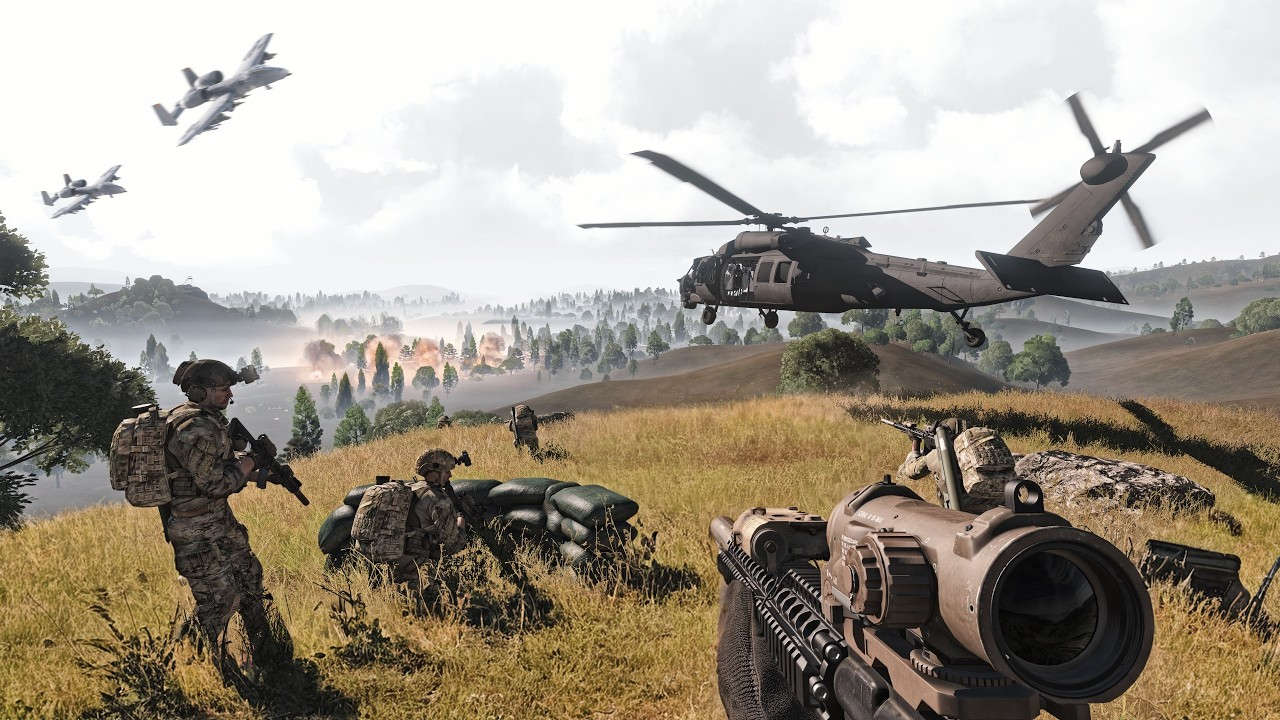
The intersection of speculative fiction and modern geopolitics is often striking, especially when looking back at titles from the early 2010s. Arma 3, released by Bohemia Interactive in 2013, has gained a reputation for being oddly prophetic regarding the state of global conflict in the mid-2020s.
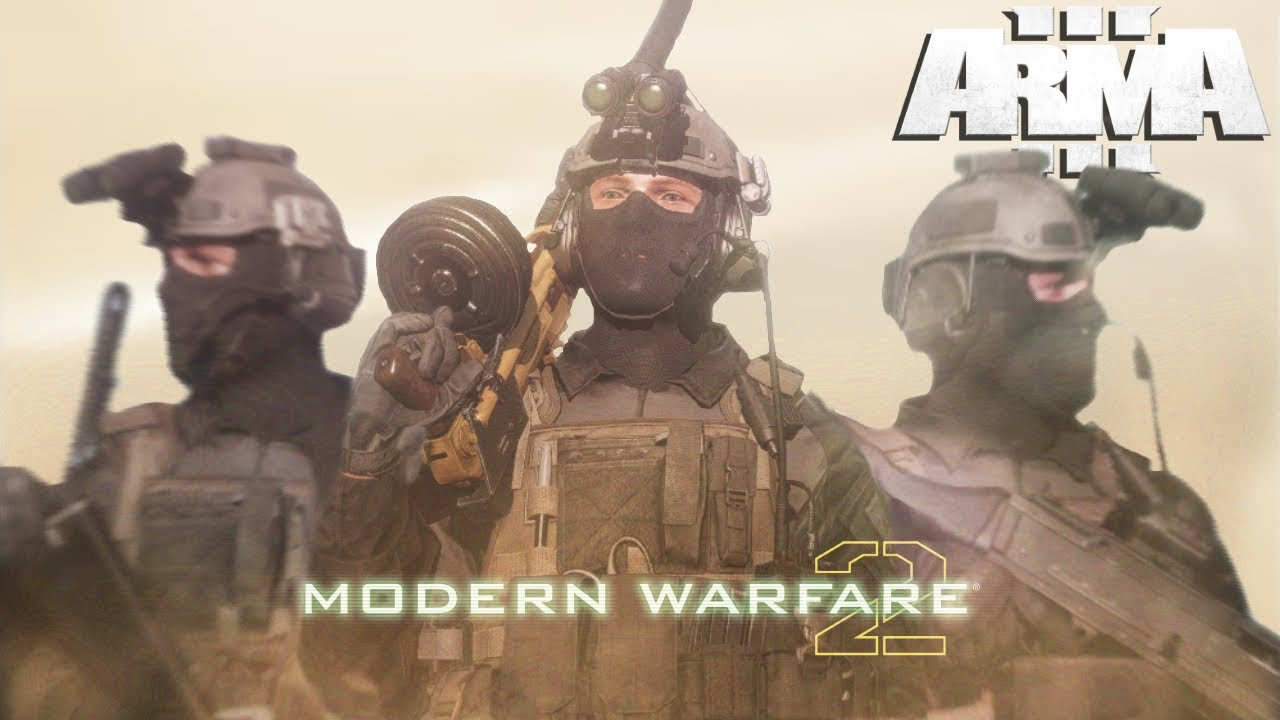
While it was once viewed as a “near-future” sci-fi take on military simulation, many of the game’s core themes—from technology to the shifting balance of global power—now mirror today’s headlines with uncomfortable precision.
1. The Rise of the Drone Age
In 2013, the idea of unmanned aerial vehicles (UAVs) and autonomous ground vehicles being the primary decider on the battlefield was still largely a high-end novelty.
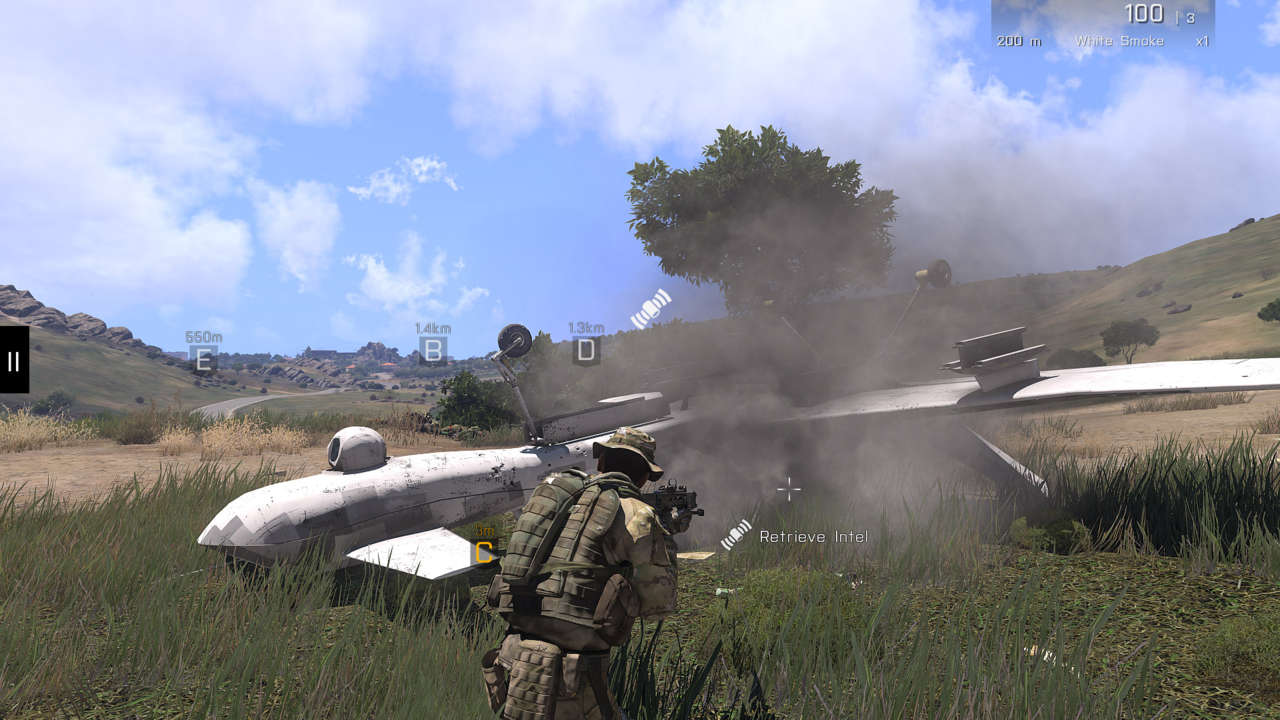
- In-Game: Arma 3 prioritized portable droids, loitering munitions, and remote-operated turrets as standard infantry equipment.
- Today: Current global conflicts have proven that low-cost, mass-produced drones are the new artillery. The game’s focus on electronic warfare and “drone-tagging” targets is no longer a futuristic mechanic—it is a daily reality for modern soldiers.
2. The Pacific Pivot and Global Factions
The game’s narrative centers on the CSAT (Canton-Protocol Strategic Alliance Treaty), a massive Eastern bloc primarily led by China and Iran, designed to rival a stretched-thin NATO.
- The Conflict: The game focuses heavily on the strategic importance of maritime chokepoints and the South Pacific.
- The Parallel: Real-world tensions regarding the Strait of Hormuz and the formation of multi-polar alliances echo the game’s “Green Sea” and “Apex” lore. The shift from counter-insurgency back to Large-Scale Combat Operations (LSCO) between major powers is exactly the transition the simulation predicted over a decade ago.
3. NATO and Economic Realism
Perhaps the most grounded prediction in the game isn’t the weapons, but the socio-economics. The lore of Arma 3 posits a Western world struggling with internal economic instability, leading to a military that is technologically advanced but numerically disadvantaged.
- The “Euro-Collapse”: The backstory mentions a massive economic crisis in the 2020s that forced a NATO withdrawal from many global positions.
- Current Reality: While not a direct mirror, real-world debates over military spending, defense industrial base fatigue, and the “over-extension” of Western forces are now central themes in international discourse.
Why the Simulation Holds Up
The developers at Bohemia Interactive worked with military consultants to project where technology would be in 2035. By focusing on asymmetric warfare—where a smaller force uses high-tech tools to disrupt a larger one—they captured the “vibe” of 2026 warfare better than most contemporary films or novels.

Phillies name breakout shortstop prospect, current rookie reliever Paul Owens Award winners as minor-league players of year
Alex McFarlane will receive the Paul Owens Award. (Courtesy of the Reading…
![Wanted: Suspects for Commercial Burglary in the 12th District [VIDEO]](https://thephillypi.com/wp-content/uploads/2026/09/Wanted-Suspects-for-Commercial-Burglary-in-the-12th-District-VIDEO-768x469.jpg)
Wanted: Suspects for Commercial Burglary in the 12th District [VIDEO]
The police are investigating a commercial burglary that occurred on February 23,…

BREAKING: Lindsay Clancy mistrial threatened as male juror holds out
The Lindsay Clancy murder trial is expected to end with a hung…
RADAR LOCK: The Ultimate Guide to Ace Combat’s Wildest Original Aircraft!
(Notice: Put on your flight helmet, grab your mad-catz controller, and blast…

Massive Free Laptop Upgrade Reveals Genius Ways To Save Serious Tech Cash
Welcome back to the tech desk here at The Philly PI. In…
When the Gallic cock really pecked
Well, that's it, really. The finish line, which is also the start.…
Whether it’s the closing of vital shipping lanes or the psychological toll of a battlefield monitored by constant surveillance, the “future” Arma 3 warned us about seems to have arrived significantly ahead of schedule.
What do you think? Does the shift toward autonomous weaponry make the “East Wind” scenario inevitable, or is the reality of modern logistics more complicated than a simulation can capture?