




In a landmark week for South American security, Chile has solidified its position as a regional defense powerhouse through a series of high-level pacts. Under the new administration of President José Antonio Kast, the Chilean government is moving rapidly to modernize its military hardware and secure the critical resources essential for 21st-century national security.
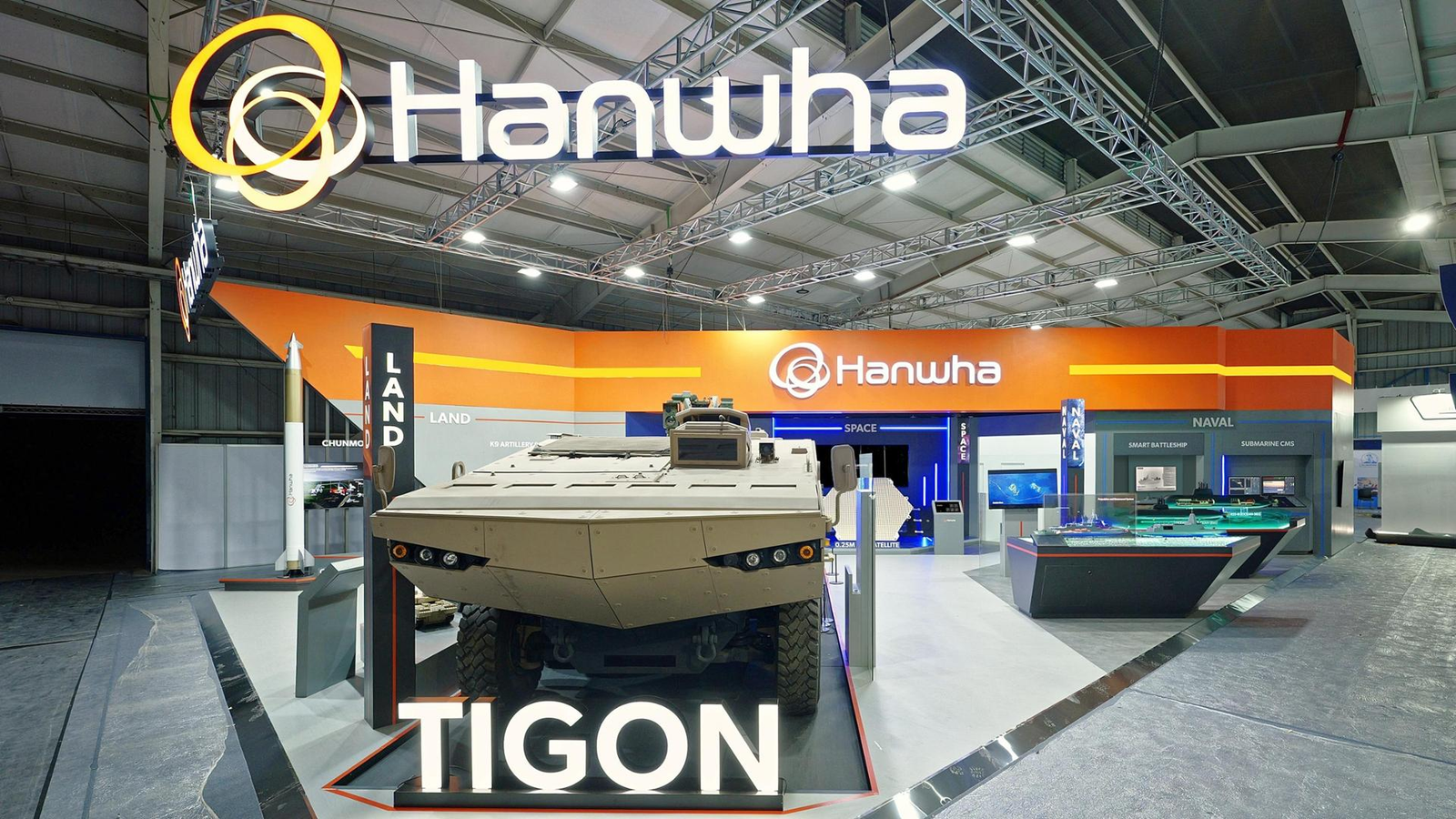
The headline of the week comes from the FIDAE 2026 International Air and Space Fair in Santiago, where Chile formally moved toward a next-generation armored vehicle program through a major international industrial alliance.
The “Tigon” Alliance: South Korea and Spain Join Forces for Chile
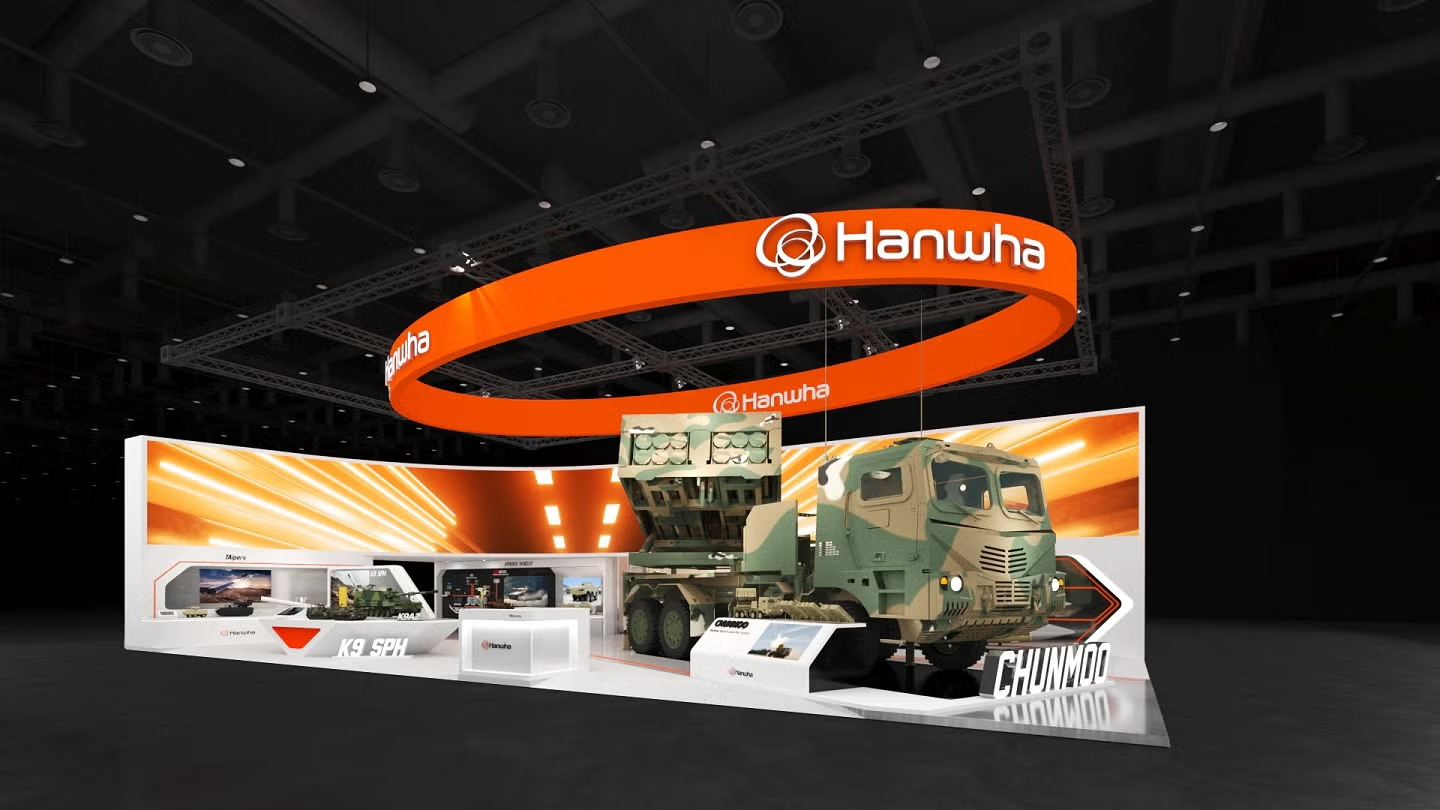
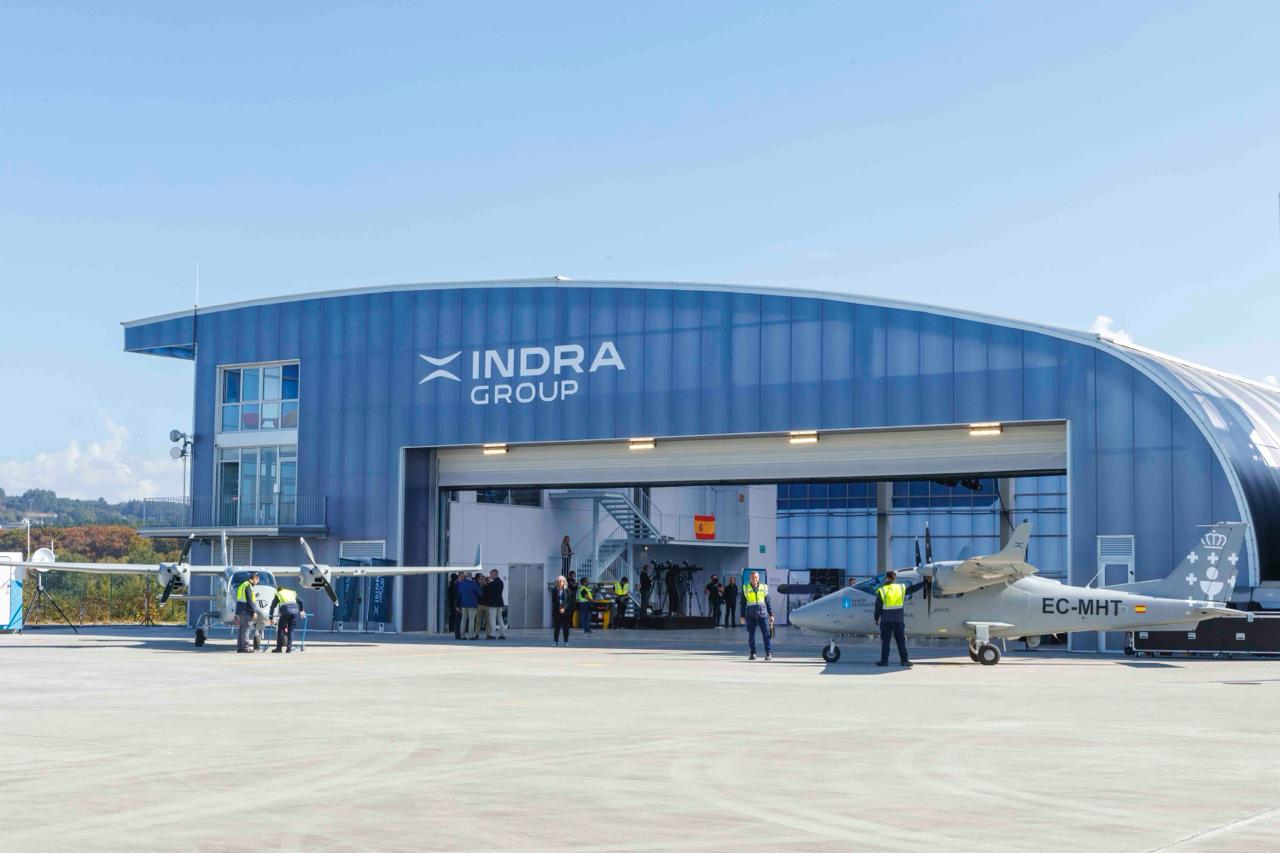
On April 9, 2026, South Korean giant Hanwha Aerospace and Spain’s Indra Group signed a Memorandum of Understanding (MOU) specifically designed to overhaul the Chilean Army’s land capabilities.
This isn’t just a simple purchase; it’s a strategic integration of world-class technology:

Wi-Fi Routers Can Identify People with Stunning Precision (Even When Their Phones Are Off)
Researchers in Germany have warned that ordinary Wi-Fi could become a surprisingly…
Battle of Trafalgar: Strategic Necessity or Aggressive Overreach?
CAPE TRAFALGAR — On October 21, 1805, 27 British warships engaged a…

Senate Blocks Report on Deaths of 9 Americans in the West Bank After Key 47–51 Vote
WASHINGTON, D.C. — In a 47–51 roll-call vote, the United States Senate…
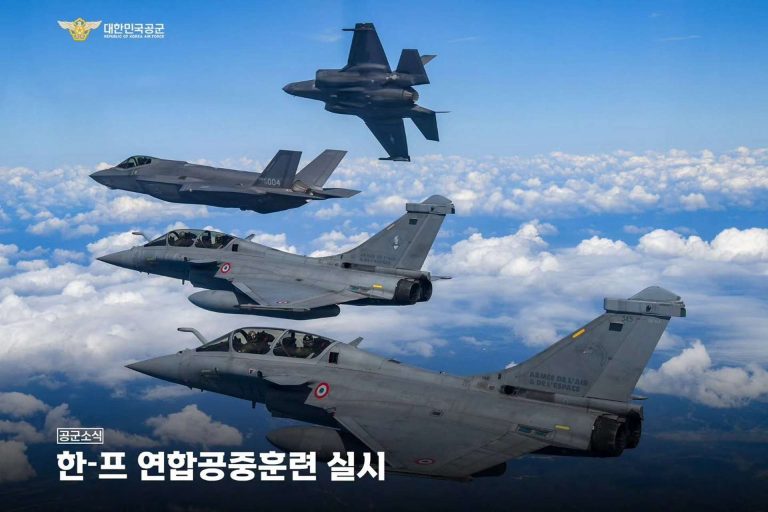
French Rafales and South Korean F-35As Deepen Strategic Airpower Cooperation in the Indo-Pacific
South Korean F-35A stealth fighters trained alongside French Rafales at Cheongju Air…

Musk returned to Trump’s team to develop «the weapons of the future» for the United States
Elon Musk returns to Donald Trump's team, the head of SpaceX will…
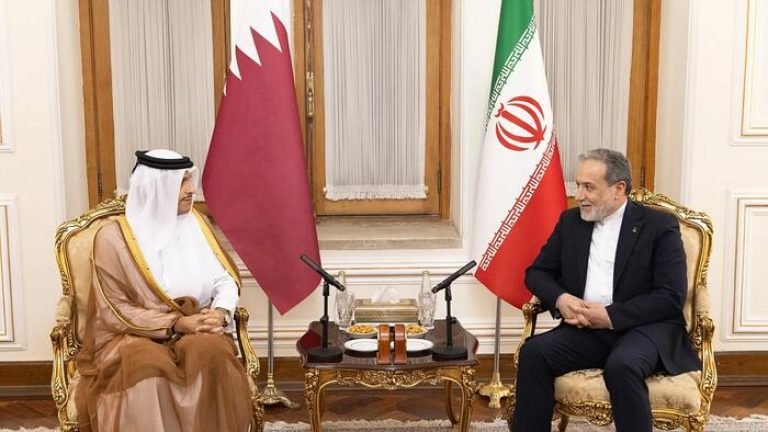
Conflict Hits 6 Months: Iran Says Diplomacy Can Return But "Pressure Doesn't Work"
In what will likely prove to be a very limited and ultimately…
- The Hardware: Hanwha will provide its proven Tigon wheeled armored vehicle platforms (6×6 and 8×8 variants).
- The Brains: Indra Group will integrate advanced mission systems, including secure connectivity, situational awareness, and Command and Control (C2) infrastructure.
- The Goal: This partnership creates a “turnkey” solution for Chile’s modernization program, ensuring the army is equipped with vehicles capable of navigating the country’s diverse and rugged terrain while maintaining digital superiority.
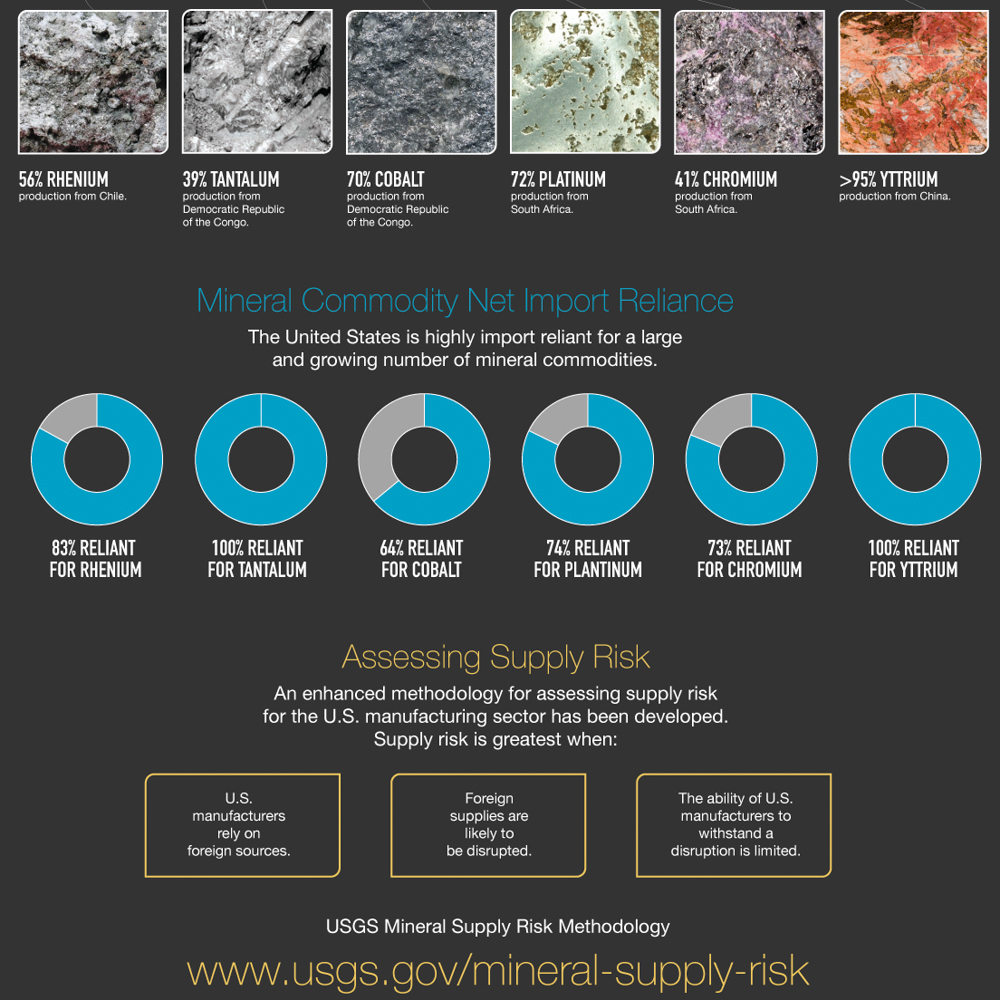
Securing the “New Oil”: The U.S.-Chile Critical Minerals Pact
Parallel to the hardware upgrades, Chile has entered a vital security declaration with the United States regarding critical minerals and rare earth elements. Signed by Chilean Foreign Minister Francisco Pérez Mackenna and U.S. Deputy Secretary of State Christopher Landau, the agreement recognizes that minerals like lithium and copper are no longer just commodities—they are pillars of national security.
The pact establishes a framework for:
- Supply Chain Resilience: Ensuring that the high-tech components needed for defense systems and energy grids remain secure from geopolitical disruptions.
- Technical Consultations: Joint identification of strategic projects and public-private financing to close supply gaps in the Western Hemisphere.
Why Now? A Shift in Regional Leadership
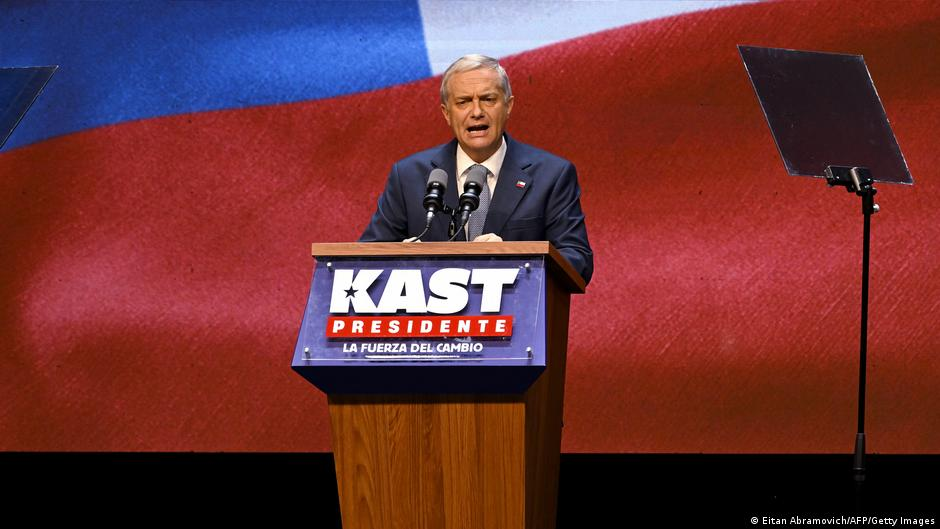
The timing of these agreements is no coincidence. President Kast, who took office in March 2026, has signaled a clear departure from previous administrations by prioritizing a “strong security” posture.
By aligning with the United States for resource security and engaging top-tier European and Asian firms for military hardware, Chile is effectively insulating itself from regional instability. The administration’s focus on border security and anti-crime operations means the Chilean Armed Forces will likely see increased domestic and tactical responsibilities in the coming years.