

![Wanted: Suspect for Theft of Packages in the 3rd District [VIDEO]](https://thephillypi.com/wp-content/uploads/2026/09/Wanted-Suspect-for-Theft-of-Packages-in-the-3rd-District-330x220.jpg)




In the volatile world of live-service gaming, the difference between a “juggernaut” and a “pillar” is often measured in the months following a honeymoon phase. For Nexon, The First Descendant has navigated both, transitioning from a global sales leader in 2024 to a stable, albeit complex, revenue stream in early 2026.
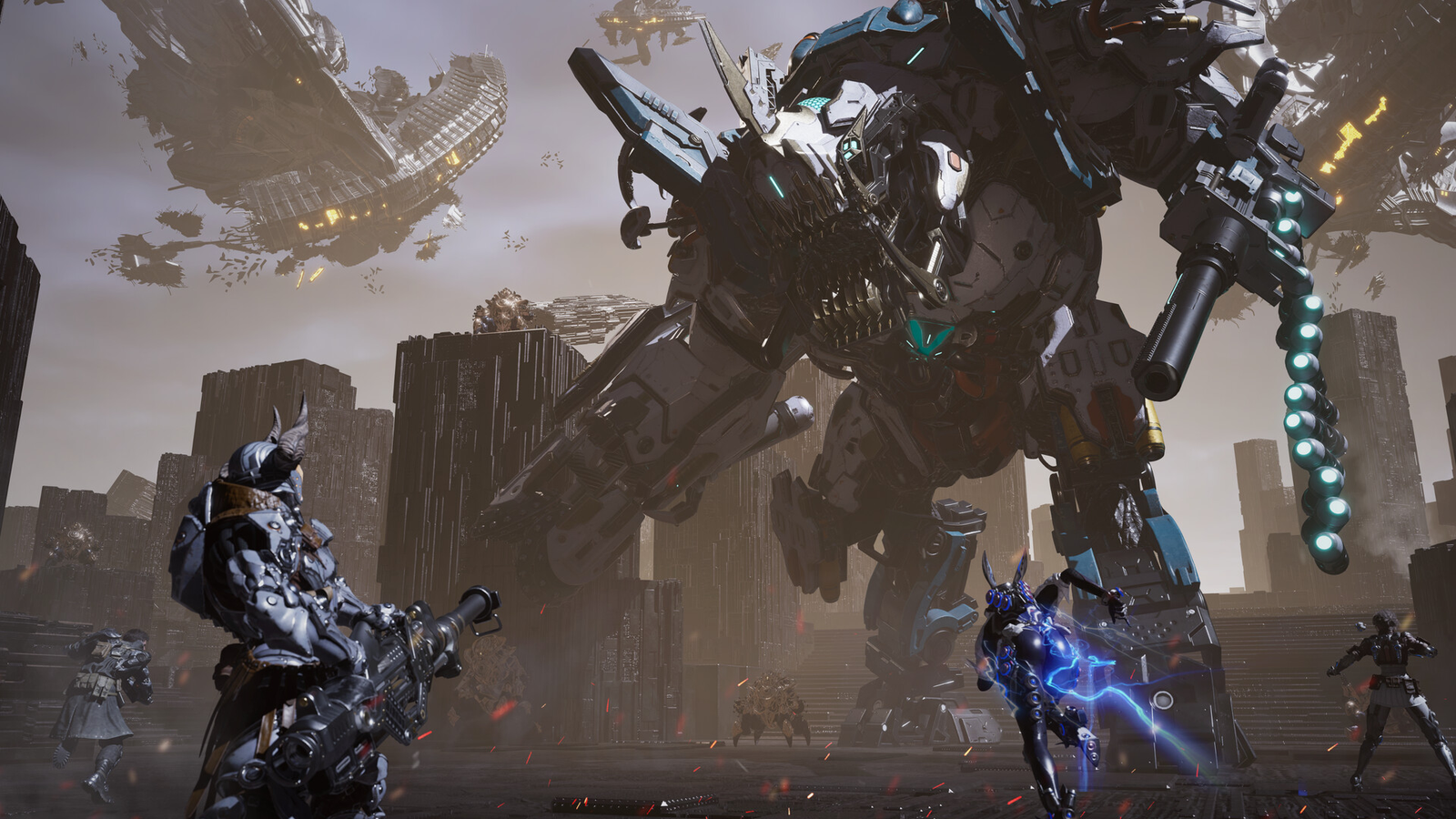
While Nexon has kept the exact “lifetime earnings” figure behind a corporate curtain, their early 2026 financial disclosures reveal a game that has cleared an estimated $200 million to $300 million in gross revenue—even as it struggles to meet the titan-sized expectations of its parent company.
The 2024 Juggernaut: A Record-Breaking Summer
At launch in July 2024, The First Descendant was a financial firestorm. It debuted as the #1 top-selling game globally on Steam, driven by the aggressive monetization of “Ultimate Descendant” bundles.
- Initial Surge: Analysts estimate the title generated $50M to $100M in its first month alone.
- Corporate Impact: This surge helped propel Nexon to a record-breaking full-year revenue of ¥446.2 billion (~$2.94 billion) in 2024. While the “Big Three” (Dungeon & Fighter, MapleStory, and FC) handled the bulk of the weight, The First Descendant provided the critical seasonal spike that defined their Q3 success.
The “Hollow” Middle: 2025’s Reality Check
By late 2025, the narrative shifted. In their November 2025 report, Nexon cited a 12% year-over-year revenue dip, specifically pointing to the high maintenance costs of The First Descendant paired with lower-than-projected earnings.

BREAKING: Lindsay Clancy mistrial declared after male juror holds out
The Lindsay Clancy murder trial stumbled toward a mistrial declaration today as…

One Male Bird Is Almost Single-Handedly Keeping His Species Alive in Britain
Take six chicks, two different nests, and two females, and add one…

Did Sam Houser Confirm GTA 6 Bans for Antisemitic Content? Fact-Checking the Rumors
As anticipation builds for Grand Theft Auto VI, online discussion surrounding the…

Six Narwhals Revealed Atlantic Heat Hiding Deep Inside Greenland’s Fjords
Narwhals are among the strangest animals in the oceans. They’re like unicorns…

Simply Sniffing Dark Chocolate Helped Men Squeeze Out 18 More Reps in the Gym During Leg Day
Credit: Unsplash. Could the smell of chocolate wafting through the gym make…

Russia Hits Kiev Ammo Dump Next To Homes; Ukraine Admits 90% Of Retail Food Logistics Wrecked
A Russian drone struck a Ukrainian Defense Forces ammunition storage site in…
The game hit a “shortfall” during Q4 2024 and mid-2025 as the player base dipped between updates. This period exposed a classic live-service vulnerability: the “honeymoon phase” was over, and the game had to prove it could survive on “sim-lite” mechanical loops rather than just launch hype.
Early 2026: The Sustainability Phase
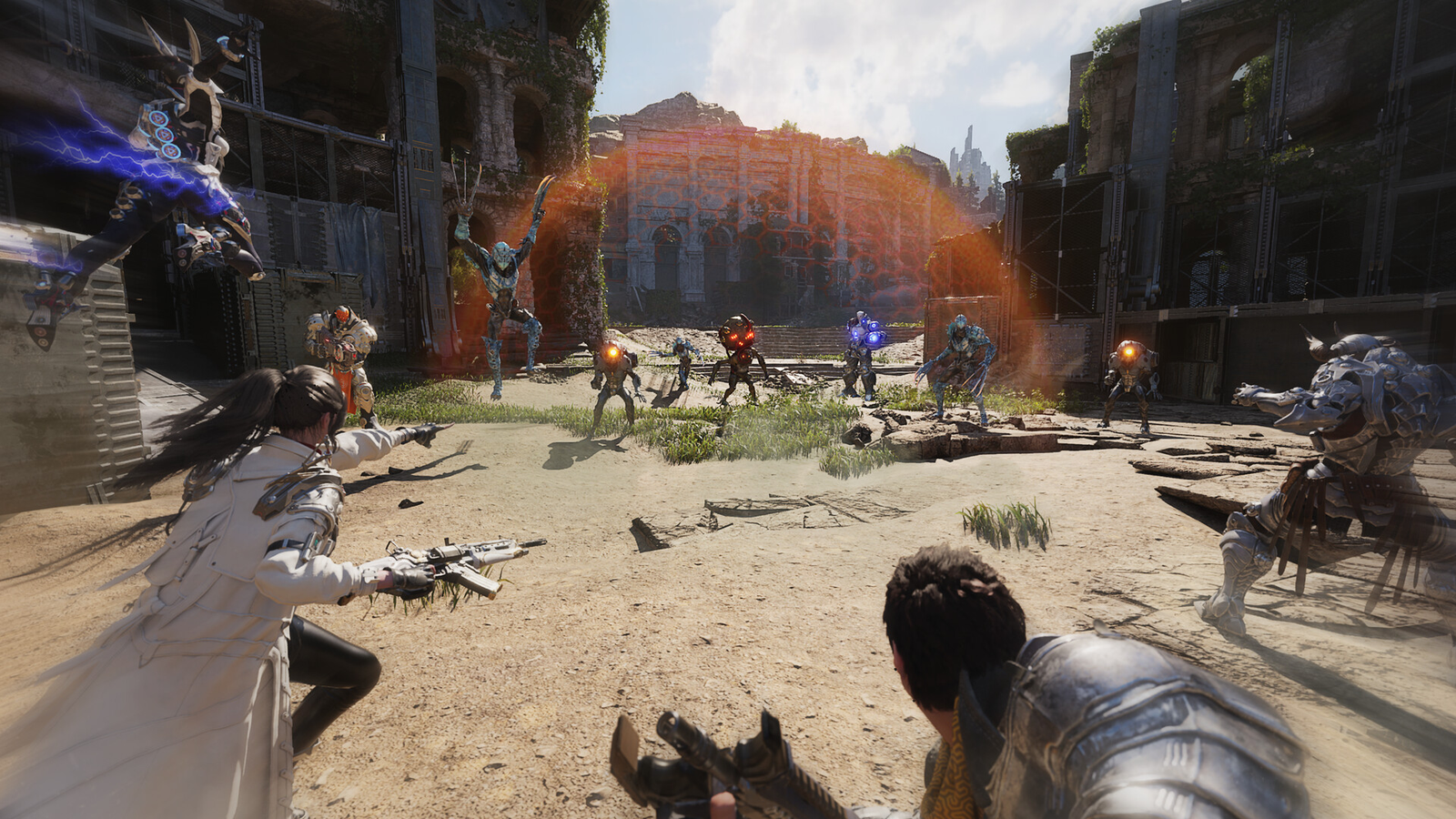
As of April 2026, the game has entered a sustainable “long-tail” phase. It no longer dominates the #1 spot, but it remains a consistent resident of the Steam Top 100.
| Period | Financial Impact | Primary Driver |
| Launch (Q3 2024) | High (Top Global Seller) | Ultimate Bundles / Launch Hype |
| Stabilization (2025) | Mixed (Below Internal Goals) | Cost of Live Ops vs. Player Retency |
| Current (April 2026) | Sustainable | Seasonal Cosmetic Sales / Community Skins |
Nexon reported that the Season 3 launch in late 2025 nearly tripled the title’s quarterly revenue, proving that while the “forever game” status of Destiny 2 remains elusive, the audience is willing to return—and pay—for high-quality content updates.
Philly PI Analysis: The Internal Advantage
The most critical factor in The First Descendant’s survival is the developer-publisher relationship. Because the IP is managed entirely internally by Nexon, they avoid the “hollowing out” of profits that occurs when paying external licensing fees.
For Nexon, $300 million in gross revenue is far more profitable than it would be for a studio split between two different corporate entities. It may not be the “American Pravda” of gaming success that the initial launch suggested, but it is a profitable, hardware-focused pillar that keeps Nexon’s creative engine humming in 2026.