



![Wanted: Suspect for Assault in the 9th District [VIDEO]](https://thephillypi.com/wp-content/uploads/2026/09/Wanted-Suspect-for-Assault-in-the-9th-District-VIDEO-330x220.jpg)

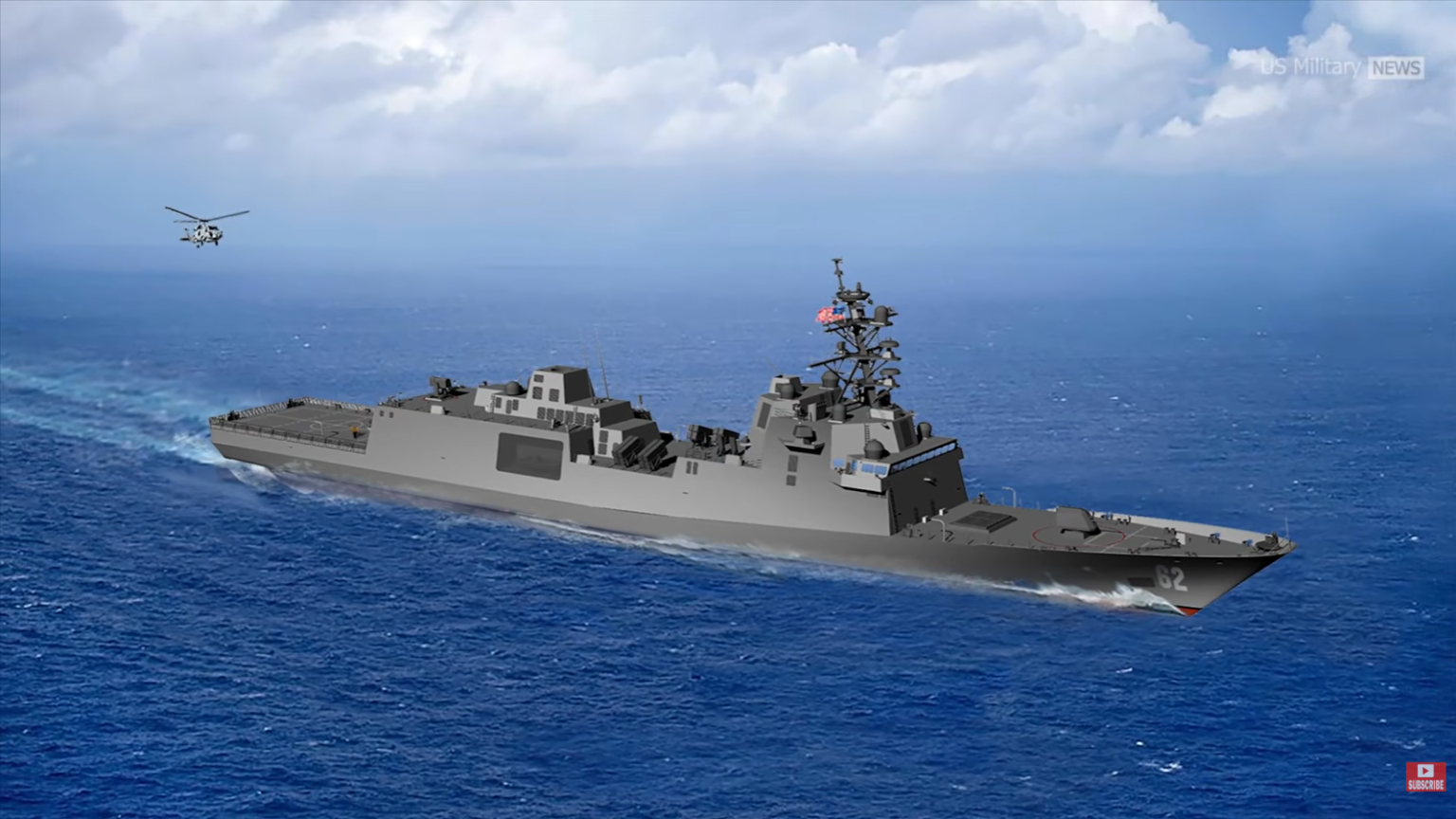
The geopolitical chessboard of the Middle East has been upended. Following the collapse of nuclear negotiations led by Vice President JD Vance, the Trump administration has moved from defensive posturing to a full-scale Naval Blockade of the Strait of Hormuz.
As of Tuesday, April 14, 2026, American sea power is no longer just patrolling the waterway—it is controlling it. In what the administration calls a “zero-tolerance” enforcement of Iranian shipping, the US Navy has seized command of the world’s most critical oil choke point, rendering Iran’s primary economic lifeline effectively useless.
The Strategy: “Trust but Verify”
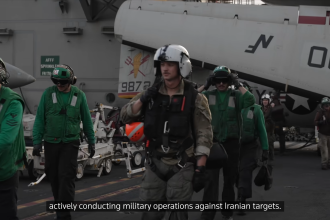
The blockade is being enforced by the USS Abraham Lincoln Carrier Strike Group, supported by a persistent “aerial stare.” From 60,000 feet, RQ-4 Global Hawks and E-2D Hawkeyes are tracking every hull exiting Iranian terminals.


Musk returned to Trump’s team to develop «the weapons of the future» for the United States
Elon Musk returns to Donald Trump's team, the head of SpaceX will…
European Commission probes cyberattack on mobile device management system
The European Commission is investigating a cyberattack after detecting signs that its…

Microsoft Patch Tuesday security updates for February 2026 fix six actively exploited zero-days
Microsoft Patch Tuesday security updates for February 2026 fix six actively exploited…

U.S. CISA adds SolarWinds Web Help Desk, Notepad++, Microsoft Configuration Manager, and Apple devices flaws to its Known Exploited Vulnerabilities catalog
U.S. Cybersecurity and Infrastructure Security Agency (CISA) adds SolarWinds Web Help Desk,…

Here’s a New EDC Adjustable Wrench Multi-Tool for Your Collection
EDC tool fans, here’s another mini tool for your collection – a…
Intelligence reports indicate that Tehran is attempting to “change the flags” on their tankers, disguising them as Russian or Chinese vessels to slip through the dragnet. However, with the advanced sensor suites of the Arleigh Burke-class destroyers, the US is identifying these ships by their unique infrared and acoustic signatures. President Trump warned on Truth Social: “If any of these ships come anywhere close to our blockade, they will be immediately eliminated.”
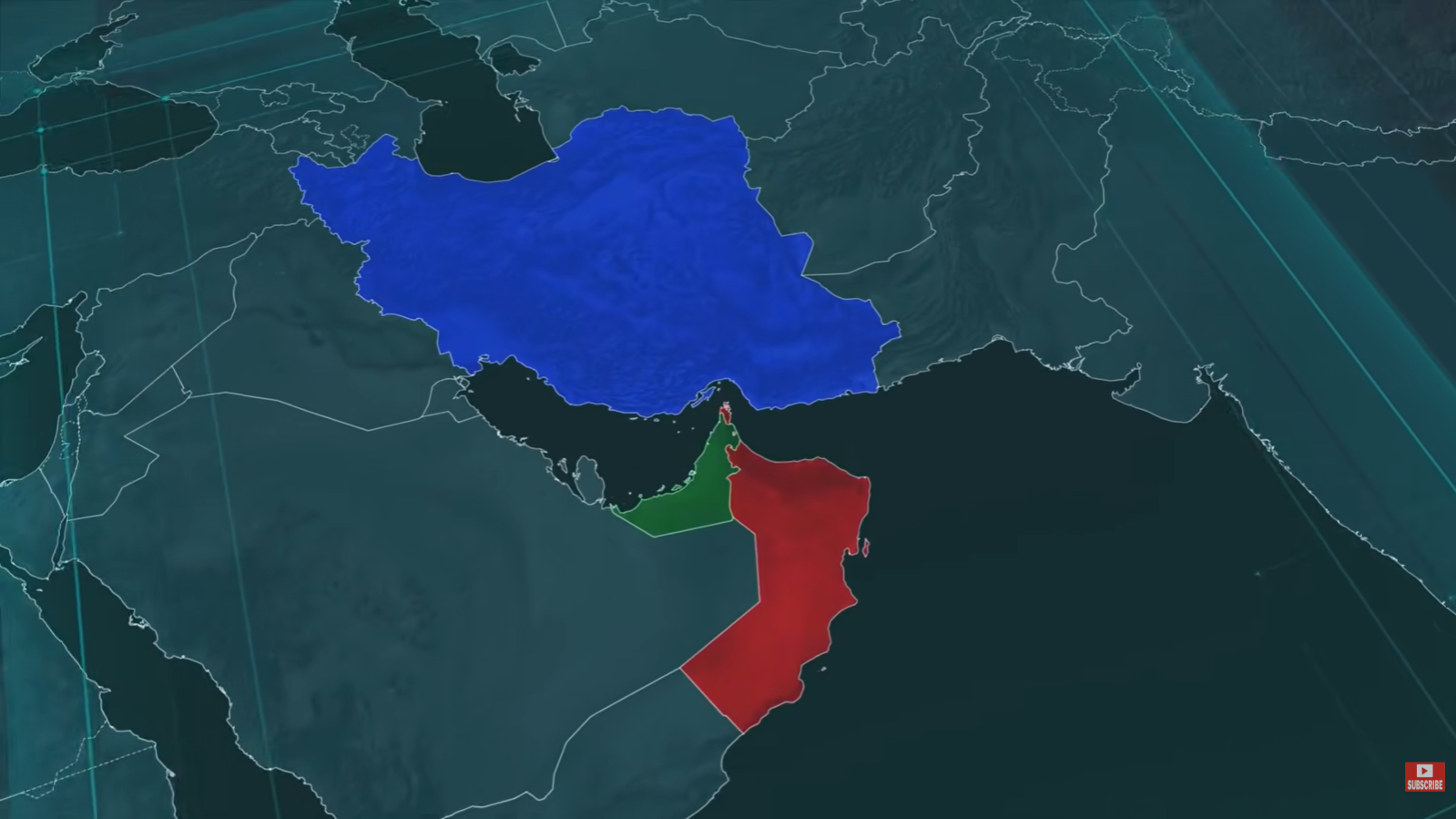
Targeting the Revenue: The Map of Desperation
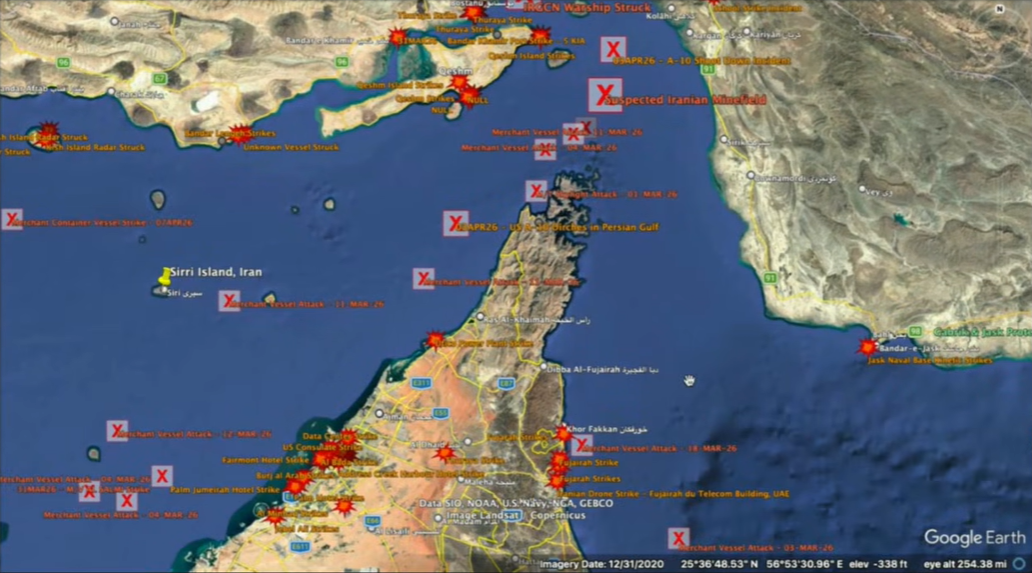
The Navy’s focus is on the “Mafia-boss paychecks” of the IRGC. Key locations under intense surveillance and previous strikes include:
- Kharg Island: Iran’s massive oil hub, capable of moving 6 million barrels a day. It is currently the #1 focus of the Global Hawk persistent stare.
- Lavan Island: A critical production site with massive tankers currently trapped at the docks.
- Bushehr Province: A port area that has been “decimated” by dozens of strikes to ensure the regime cannot pick up the pieces of its export economy.
- The Secret Pipeline: US analysts are tracking a clandestine pipeline project designed to circumvent the Strait altogether, flowing toward southern naval bases. The blockade is specifically positioned to negate this “escape hatch.”
The 4D Chess of Sea Power
By seizing the Strait, the US has effectively neutralized Iran’s favorite pressure tool. For years, Tehran threatened to close the waterway to punish the world; now, the US has closed it specifically to punish Tehran.
Vice President Vance summarized the shift plainly: “Two can play that game.” The standoff has now moved into a dangerous new phase:
- Proxy Pressure: Iran’s Houthi proxies have issued threats against the Bab-el-Mandeb Strait on the western side of Saudi Arabia, attempting to squeeze the alternative shipping routes the Saudis are currently using to move 7 million barrels a day.
- The “Little Boys’ Night”: Russian and Chinese officials (Lavrov and Xi) are meeting to discuss “electro-optical” support and surface-to-air missile technology for Iran, signaling a ramping up of Eastern support.
- Kinetic Potential: With Iranian Navy losses already heavy, Tehran is left with swarms of fast-attack craft. However, they face a US “strike package” including A-10 Warthogs, F-35Cs, and MQ-9 Reaper drones armed with Hellfire missiles.
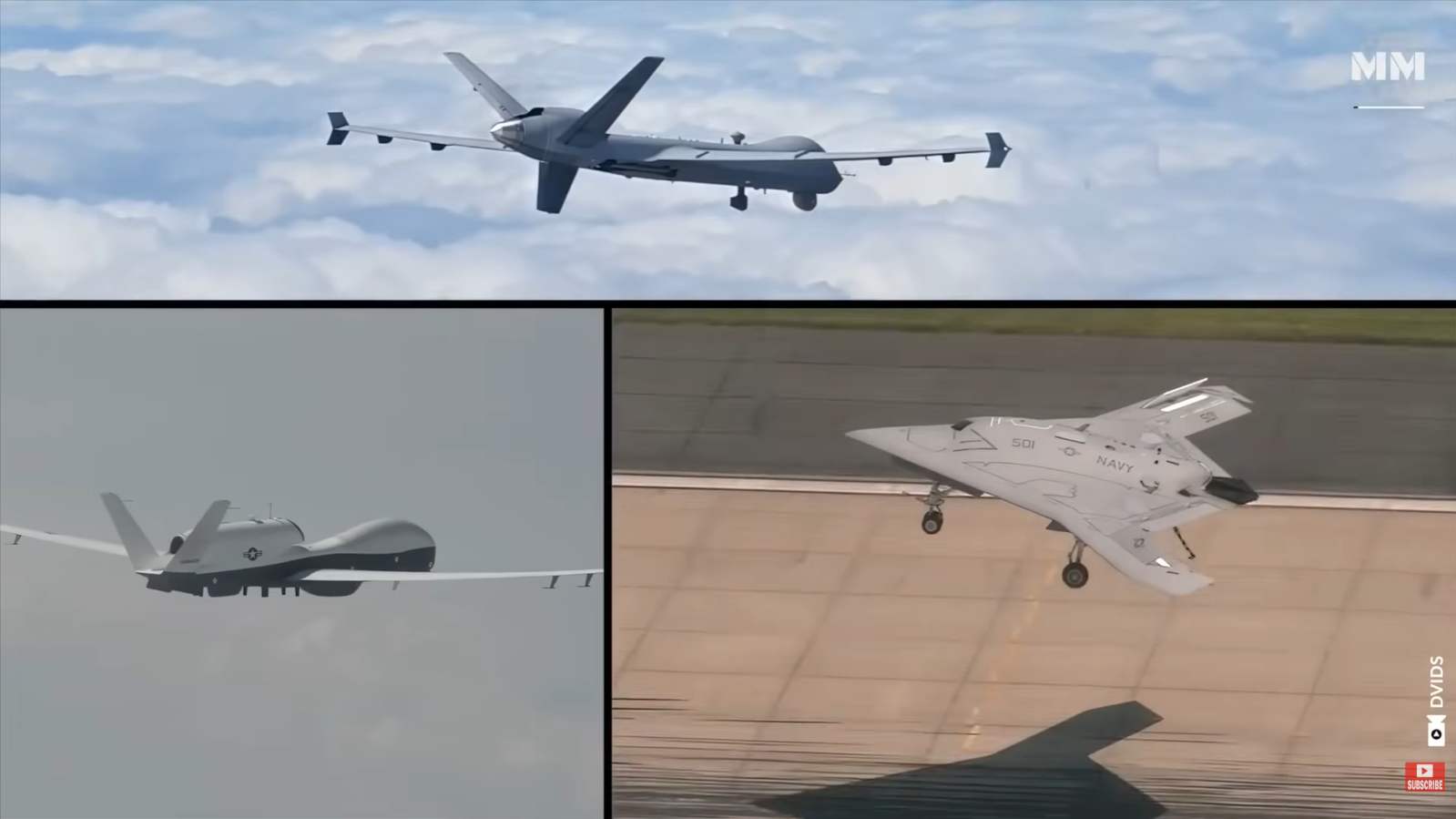
While Iranian state media releases AI-generated “Lego” propaganda videos showing “big red buttons” and defiant delegations, the reality on the water tells a different story. Iranian officials have quietly signaled a “temporary pause” in shipping to avoid direct clashes with the US 5th Fleet. It is a moment of uncharacteristic discretion from a regime that increasingly finds its traditional tactics “de-ranked” by overwhelming technical superiority.