














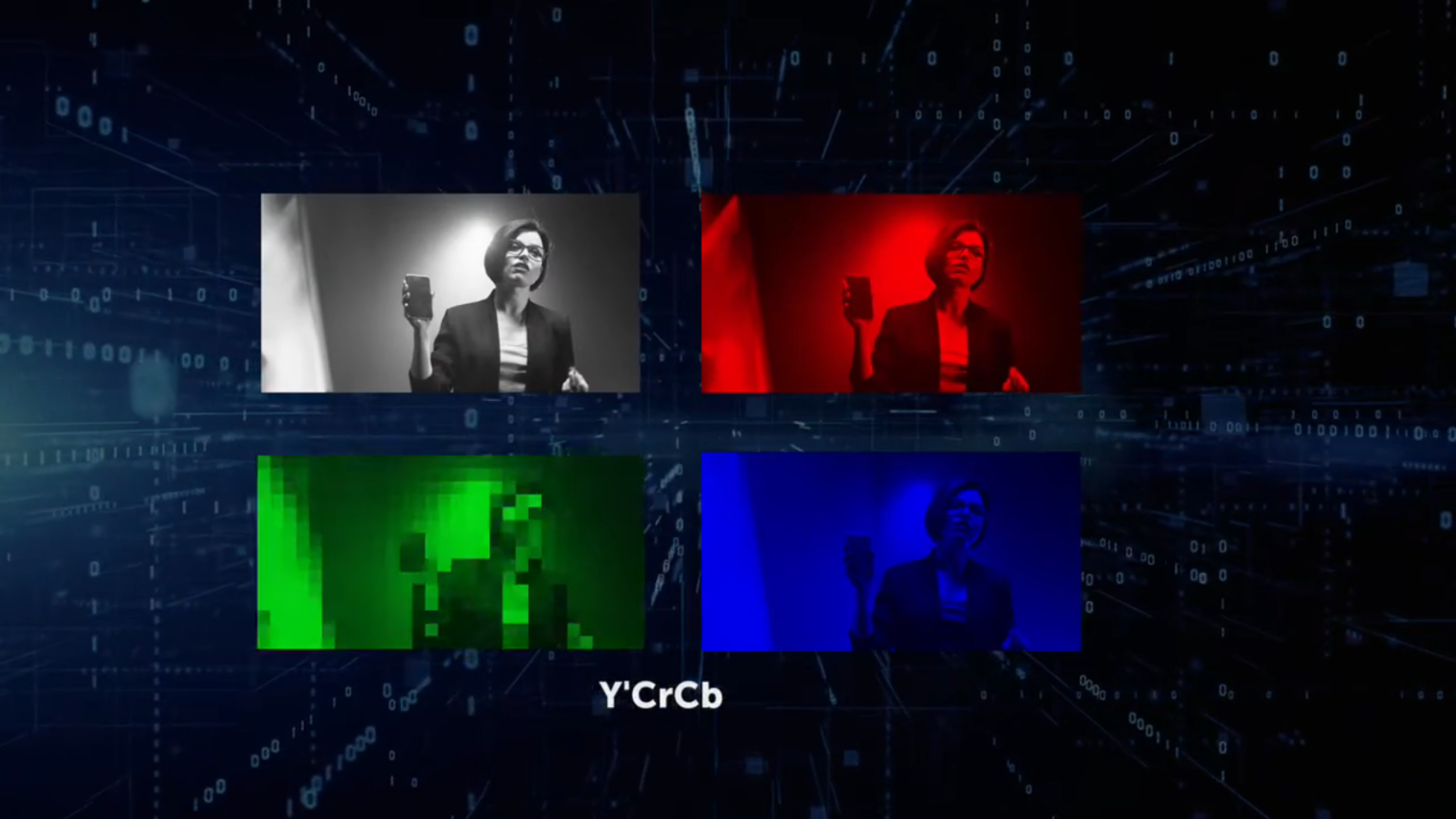
Mixed-proprietary encoding refers to data structures, software formats, or digital media streams that combine open-standard encoding schemes with closed, vendor-controlled proprietary layers. Rather than relying entirely on undocumented binary structures, systems utilizing mixed-proprietary encoding embed proprietary headers, custom compression extensions, encrypted metadata blocks, or non-standard wrapper protocols directly into standard containers.
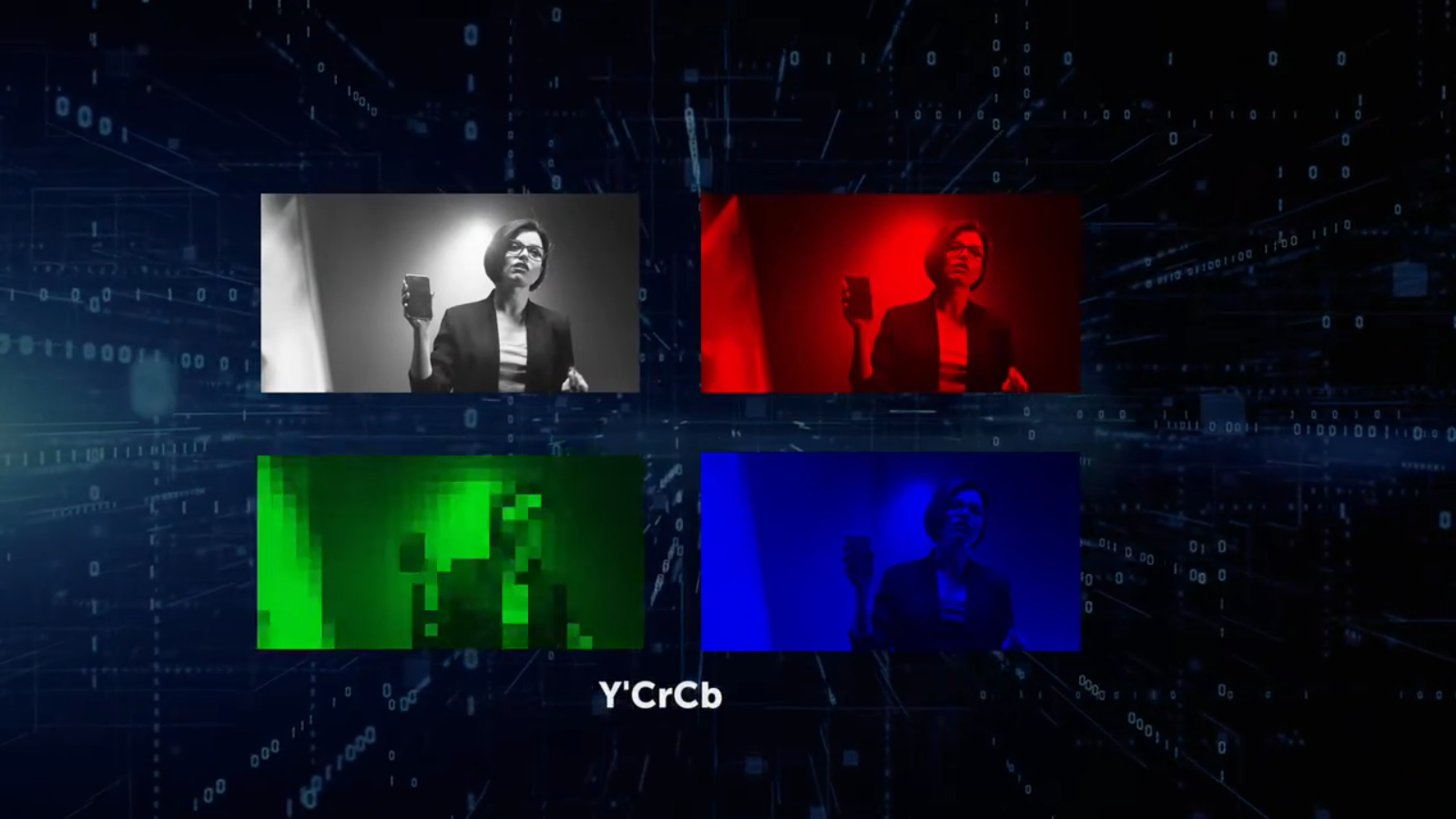
This hybrid approach allows developers and enterprise software platforms to leverage the efficiency and broad hardware support of standard algorithms while maintaining tight control over features, licensing, and access.
Architectural Taxonomy of Mixed Encodings
In data architecture and digital media, mixed-proprietary encodings generally fall into three structural models:
  1. STACKED WRAPPER MODEL
     ┌──────────────────────────────────────────────────────────┐
     │ Proprietary DRM / Licensing Container                     │
     │  └─► Standard Payload (e.g., H.264 / AAC / JSON)         │
     └──────────────────────────────────────────────────────────┘

  2. EXTENDED CODEC MODEL
     ┌──────────────────────────────────────────────────────────┐
     │ Standard Base Layer (e.g., ISO-32000-1 PDF / Open XML)   │
     │  └─► Proprietary Extension Block (e.g., Adobe XFA / DRM)  │
     └──────────────────────────────────────────────────────────┘

  3. HYBRID BITSTREAM / TEXT MODEL
     ┌──────────────────────────────────────────────────────────┐
     │ Standard UTF-8 / ASCII Character Set                     │
     │  └─► Vendor-Specific Byte Sequences / Custom Escapes     │
     └──────────────────────────────────────────────────────────┘
- Stacked Wrappers: Standard, publicly documented payload data is wrapped inside a proprietary container that manages decryption, access rights, or custom streaming handshakes.
- Extended Codecs & Specifications: A standard baseline format is augmented with proprietary metadata blocks. Software without the vendor’s custom plugin renders the baseline data, while missing out on advanced or interactive functionality.
- Hybrid Character & Binary Encoding: Legacy enterprise databases and legacy desktop platforms often merge standardized text encodings like UTF-8 or ASCII with vendor-specific fallback code pages (e.g., ISO-8859-1 variants or legacy Freedesktop Legacy-Mixed encodings).
Common Implementations Across Technical Domains
Mixed-proprietary encoding appears across multiple technology verticals, balancing open compatibility with commercial control.
| Industry Sector | Base Open Standard | Proprietary / Closed Layer | Practical Impact |
| Document Formats | ISO 32000-1 PDF Standard | Adobe XML Forms Architecture (XFA) & custom JavaScript extensions | Files open in basic viewers, but dynamic forms require Adobe Acrobat. |
| Streaming & ABR Video | H.264 / HEVC / MP4 Containers | Mux Per-Title ABR & Widevine/FairPlay DRM wrappers | Broad hardware decoding support alongside vendor-managed bitrate selection and DRM. |
| Industrial Vision | Serial Digital Interface / HD Video | Semtech HD-VLC™ Compression Algorithms | Compresses high-definition video over legacy cabling using custom hardware encoders. |
| Database & Legacy Systems | UTF-8 / ASCII Data Types | Custom single-byte fallback code pages | Causes corrupted characters (“mojibake”) when parsed by standard string decoders. |
Benefits and Operational Trade-Offs
Deploying mixed-proprietary encodings involves specific trade-offs between system control and interoperability.
Key Advantages
- Optimized Hardware Offloading: By utilizing standardized base layers (such as H.264 or AAC), applications can take advantage of native GPU/NPU acceleration while restricting high-level logic to custom code.
- Feature Gatekeeping: Enterprise platforms can offer basic interoperability to third-party tools while reserving advanced features for paying subscribers or native clients.
- Deterrence of Unauthorized Access: Wrapping data streams in proprietary key-exchange headers discourages trivial scraping and reverse-engineering.
Operational Challenges
- Vendor Lock-In: Organizations relying on extended proprietary encodings face migration hurdles if the vendor alters specifications or discontinues support.
- Parsing Complexity: Software parsers must handle multi-pass decoding logic, falling back gracefully when encounters with unknown, proprietary blocks occur.
- Archive & Preservation Risks: Digital preservation teams face long-term data corruption risks if the proprietary components of a file format lack public documentation.
Technical Recovery and Parsing Strategies
When working with mixed-proprietary encodings in software development, engineers rely on fallback decoding pipelines to extract readable data:

Strategic Assessment: Major Ukrainian Drone Strikes Target Ryazan Oil Refinery and Borisoglebsk Airfield
GEOPOLITICAL INTELLIGENCE DESK — Senior Defense and Foreign Intelligence Reporting ST. PETERSBURG,…

Large-scale data breaches hit more Japanese firms
More Japanese companies have revealed that they have experienced major customer data…
![Wanted: Suspect for Shooting Incident in the 15th District [VIDEO]](https://thephillypi.com/wp-content/uploads/2026/10/Wanted-Suspect-for-Shooting-Incident-in-the-15th-District-VIDEO-768x512.jpg)
Wanted: Suspect for Shooting Incident in the 15th District [VIDEO]
The Philadelphia Police Department and the Shooting Investigation Unit is asking for…
Massive Director’s Commentary Uncovers Shocking Secrets Behind The Iconic Vader Episode II Scene
The vast, ever-expanding galaxy far, far away continues to captivate audiences through…

Germany's Former Spy Chief Arrested In Biggest Espionage Scandal Of The Century
August Hanning, former head of the German BND foreign intelligence agency, which…

WATCH: Mom reveals son’s trauma after he killed Oregon school shooter
() — In a video posted on social media, the mother of…
- Header Identification: Detect magic bytes to separate standard wrapper blocks from custom binary payloads.
- Fallback String Recoding: For mixed character encodings (e.g., UTF-8 mixed with legacy ISO-8859-1), implement multi-pass decoders that attempt UTF-8 parsing first and fall back to alternative byte maps for invalid sequences.
- Payload Extraction: Isolate and bypass unreadable proprietary extension blocks to reconstruct the underlying open-standard payload.