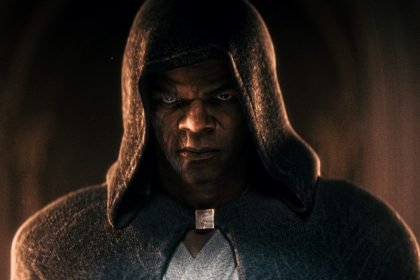











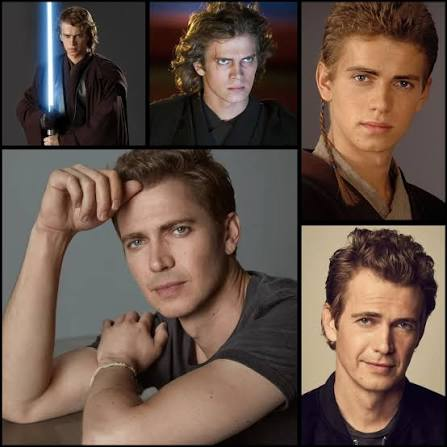
Social media is ablaze with chatter that Hayden Christensen is reportedly in final negotiations for a multi-picture deal with Disney and Lucasfilm. The biggest headline driving the fan frenzy? A standalone Darth Vader feature film centered around his grand return.
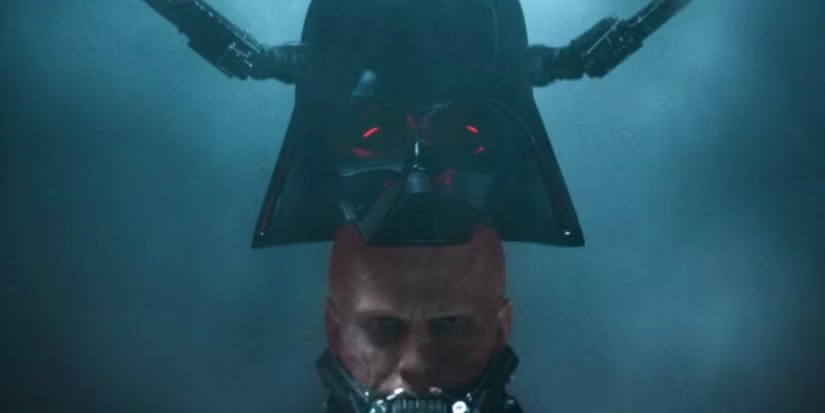
While neither Lucasfilm nor major industry trades have confirmed the news, rumors of this scale rarely blow up in a vacuum. Christensen himself has openly stated he would return as Vader “in a heartbeat” if given the green light. For Star Wars fans, a solo Vader film represents the ultimate cinematic ace in the hole—the equivalent of assembling the Avengers or bringing Tobey Maguire and Hugh Jackman into the MCU fold.
Why a Solo Darth Vader Movie Is the Ultimate Star Wars Play
Lucasfilm has expanded the franchise across endless spin-offs, from The Mandalorian to Obi-Wan Kenobi. But a high-stakes, solo Darth Vader movie operates on an entirely different level. Executed correctly, it could unite every corner of the fandom—prequel die-hards, original trilogy loyalists, animated series devotees, and casual moviegoers alike.
However, leaning into the galaxy’s most iconic villain comes with a massive caveat: the writing must be ironclad.
A successful Vader story cannot simply rely on cool lightsaber sequences, fan-service cameos, or slaughtering surviving Jedi. It requires deep psychological character work that honors the tragedy at the heart of Anakin Skywalker.
The Moral and Spiritual Gradient of Anakin Skywalker
What makes Darth Vader one of the most compelling characters in fiction is his complex internal conflict. He isn’t just a monster in a black suit; he is a tragic figure trapped inside a physical and psychological prison.
Shocking Crash: SUV Plows Directly Into Kensington U Haul Building Wall
PHILADELPHIA — Local authorities and emergency response crews rushed to a commercial…
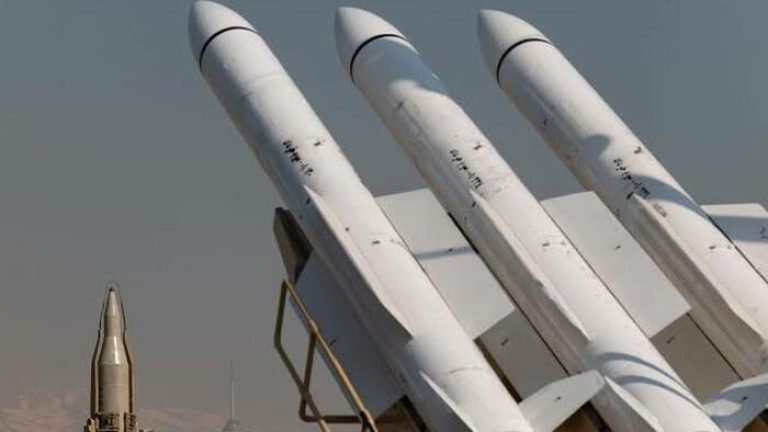
Iran Seeking To Increase Range Of Missiles: 'Keep Enemy At Greater Distance'
Just days ago President Trump told a Republican audience at a rally that…
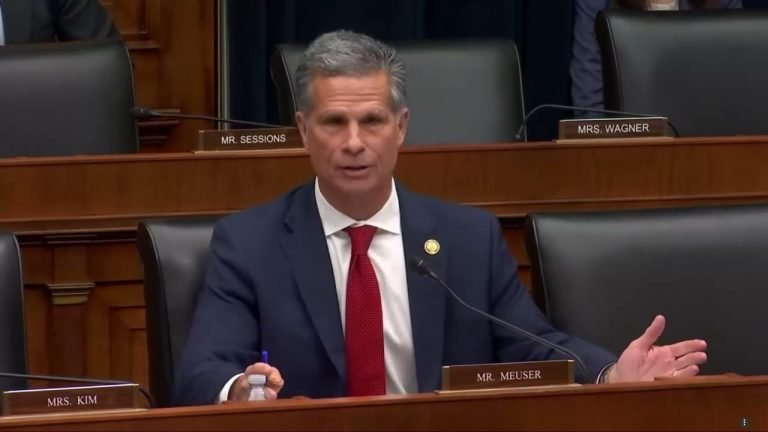
Rep. Meuser FSC Hearing
As Capitol Hill navigates complex economic pressures and regulatory policy debates, key…

Critical Investigation Underway After Deadly West Philadelphia Pedestrian Crash and Driver Fatality
PHILADELPHIA — A tragic late-night collision in West Philadelphia has left one…
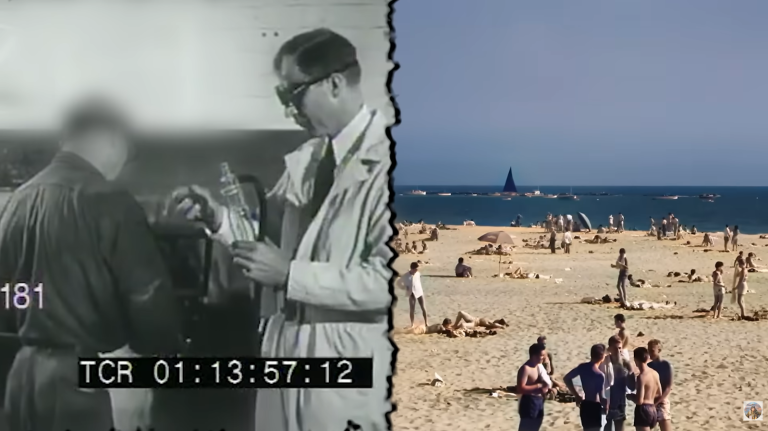
SHADOW WAR ON AMERICAN SOIL: How the U.S. Navy Secretly Sprayed Live Bacteria Over 800,000 Unsuspecting Citizens
SAN FRANCISCO, CA — On a damp foggy morning in September 1950,…
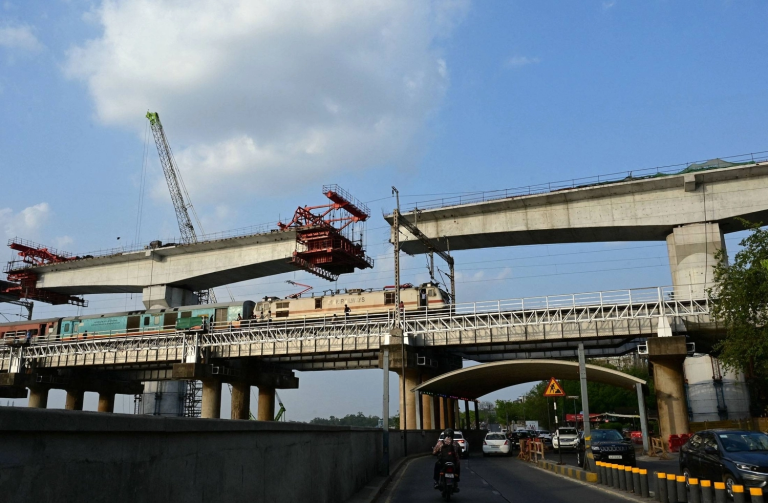
DIPLOMATIC DERAILMENT: Former Japanese Minister Slams India Over Bullet Train Delays, Broken Promises, and Signaling Clashes
TOKYO / NEW DELHI — The high-stakes $15 billion flagship mega-project designed…
Visually and narratively, his journey follows a distinct emotional spectrum:
- The Post-Revenge of the Sith Era (Deep Purple): Fresh off his defeat on Mustafar, Anakin is consumed by rage, pain, and the overwhelming adjustment to his life-support suit. The internal struggle between Anakin and Vader is raw and turbulent.
- The Galactic Empire Era (Dark Red): By the time of the Original Trilogy, the Anakin persona has been almost entirely suppressed. He operates as the cold, ruthless enforcer of the Emperor.
- The Return of Luke Skywalker (Shift Back to Blue): As Luke awakens the long-buried good within him, the Anakin identity flickers back to the surface, culminating in his ultimate redemption.
To tell a truly compelling story, a solo film needs to pinpoint where on this emotional gradient Vader stands and explore the torment occurring beneath the armor.
Drawing Inspiration from Dark Lord: The Rise of Darth Vader
If Lucasfilm wants to deliver a story with real substance, they should look to James Luceno’s seminal novel, Dark Lord: The Rise of Darth Vader.
The novel dives deep into the horrific reality of Vader’s everyday existence—the physical agony of his suit, the claustrophobia of his helmet, the constant rhythmic beep of his chest plate that prevents him from ever sleeping, and the crushing spiritual isolation he suffers after losing Padmé and his Jedi brotherhood.
Translating those intimate, darker elements to the big screen would elevate a Vader film from a mere action spectacle into a psychological character study.
The Fine Line Between Fan Service and Character Damage
There is inherent risk in giving Darth Vader a standalone narrative. Overexposing the Dark Lord or writing him as incompetent—such as hesitation during critical Force battles—risks undermining his mythos.
The film doesn’t necessarily need an R-rating; a tight PG-13 rating akin to Revenge of the Sith can deliver all the dark intensity required. What matters most is that the story respects existing canon without altering the emotional weight of the original and prequel trilogies.
If Lucasfilm chief creative officer Dave Filoni or a dedicated creative team can strike that balance, a Hayden Christensen-led Darth Vader project won’t just be another Star Wars movie—it will be a cinematic event.