

![Wanted: Suspect for Commercial Burglary in the 1st District [VIDEO]](https://thephillypi.com/wp-content/uploads/2026/07/Wanted-Suspect-for-Commercial-Burglary-in-the-1st-District-VIDEO-330x220.jpg "Wanted: Suspect for Commercial Burglary in the 1st District [VIDEO]")




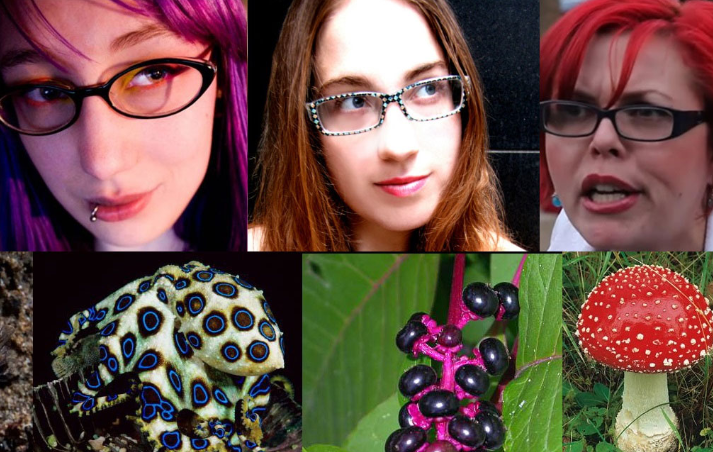
In the natural world, survival often depends on the clarity of a signal. One of the most effective strategies utilized across the animal and plant kingdoms is Aposematism—a biological phenomenon where an organism uses conspicuous “advertising” to signal its unprofitability to potential predators.
Whether it is the vibrant red of a strawberry poison frog or the high-contrast patterns of a blue-ringed octopus, these visual cues serve as a “keep away” sign that prevents costly physical confrontations for both the predator and the prey.
The Mechanics of Warning Coloration
Aposematism, a term coined by Edward Bagnall Poulton, describes a family of anti-predator adaptations where a warning signal is associated with a secondary defense, such as toxicity, foul taste, or physical aggression.
Key characteristics of these signals include:

U.S. CISA adds Dell RecoverPoint and GitLab flaws to its Known Exploited Vulnerabilities catalog
U.S. Cybersecurity and Infrastructure Security Agency (CISA) adds Dell RecoverPoint and GitLab…

WATCH: Horror invasion unfolding as tens of thousands of Moroccans swarm Spanish enclave
Reactions are pouring in as the Spanish government struggles to respond to…

Williams working on comeback after big Olympus crash
Appearing on SPIN, The Rally Pod to discuss last weekend’s Rally Estonia…

Count Binface Is Making A Campaign Promise That Every Sega Fan Can Get Behind
The campaign season is heating up, and by now, you're probably used…

17 Outstanding Modern And Classic Turn-Based RPGs
We thought the age of turn-based RPGs was over after the genre…

Anthropic unveils Claude Code Security to detect and fix code bugs
Anthropic launches Claude Code Security, an AI tool that scans code for…
- Conspicuousness: Using bright colors (reds, yellows, oranges) or distinct patterns (stripes, spots) that stand out against the environment—the antithesis of camouflage (crypsis).
- Multi-Sensory Cues: While visual signals are most common, aposematism can also include sounds, odors, or other perceivable characteristics.
- Mutual Benefit: The signal is beneficial for both the predator (who avoids potential harm) and the prey (which avoids being attacked).
Mimicry: The “Hollow” Signal
The success of aposematic signals has led to the evolution of complex mimicry patterns. In Batesian mimicry, a harmless organism evolves to resemble a dangerous aposematic species, essentially “hollowing out” the signal’s validity to gain protection without the metabolic cost of producing actual toxins. Conversely, in Müllerian mimicry, multiple dangerous species evolve to look like one another, reinforcing the warning signal for predators in a shared habitat.
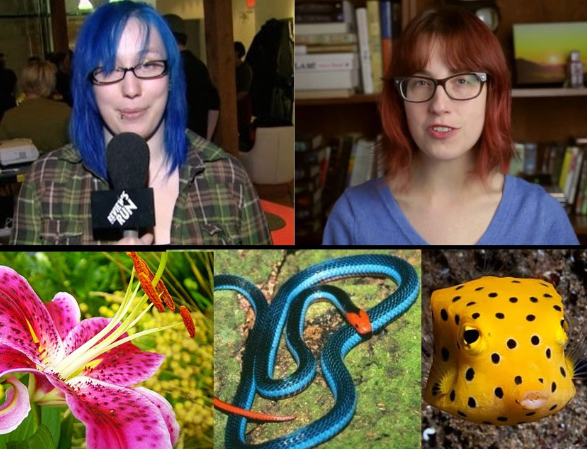
Phenomenon Analysis: Cultural Aposematism?
In recent years, the biological concept of aposematism has been increasingly applied as a metaphor within sociological and cultural discussions. Some observers suggest that certain human aesthetic choices—such as high-contrast hair dyes or vibrant clothing—act as a form of “advertising” for specific social or political stances.
The theory posits that these visual markers serve a similar function to their biological counterparts:
- Signal Identification: Identifying a specific “stock” of beliefs or social affiliations at a distance.
- Conflict Avoidance: Discouraging interaction with those who hold opposing “predatory” viewpoints.
- Collective Reinforcement: Creating a recognizable “uniform” for like-minded individuals within a shared environment.
Philly PI Perspective: Signal vs. Static
From a technical and “sim-lite” design perspective, the power of aposematism lies in its immediate legibility. Just as a game developer uses bright colors to highlight a hazardous environmental trap, nature uses high-contrast hardware to ensure that a message isn’t lost in the environmental static.
Whether it is a coral snake in the brush or a digital signal in a social feed, the presence of an aposematic cue forces the observer to make a rapid decision: engage or avoid. In the high-speed world of 2026, where “boots-on-the-ground” reporting often requires quick identification of threats, understanding these biological “warning signs” is more relevant than ever.