
















March 28, 2026 — Today marks 40 years since a family-run French startup called Ubi Soft began its journey to become a global titan. From its 1986 debut with Zombi on the Amstrad CPC to the globe-spanning empire of Assassin’s Creed, Ubisoft hasn’t just been part of the industry—it helped build the very “Map Game” architecture we play today.

But as the company hits this four-decade milestone, the mood in the boardroom is far from celebratory. Between a radical 2026 corporate restructuring and the “open-world fatigue” currently sweeping the market, the question isn’t just where Ubisoft goes from here—it’s whether the industry has finally outgrown its master.
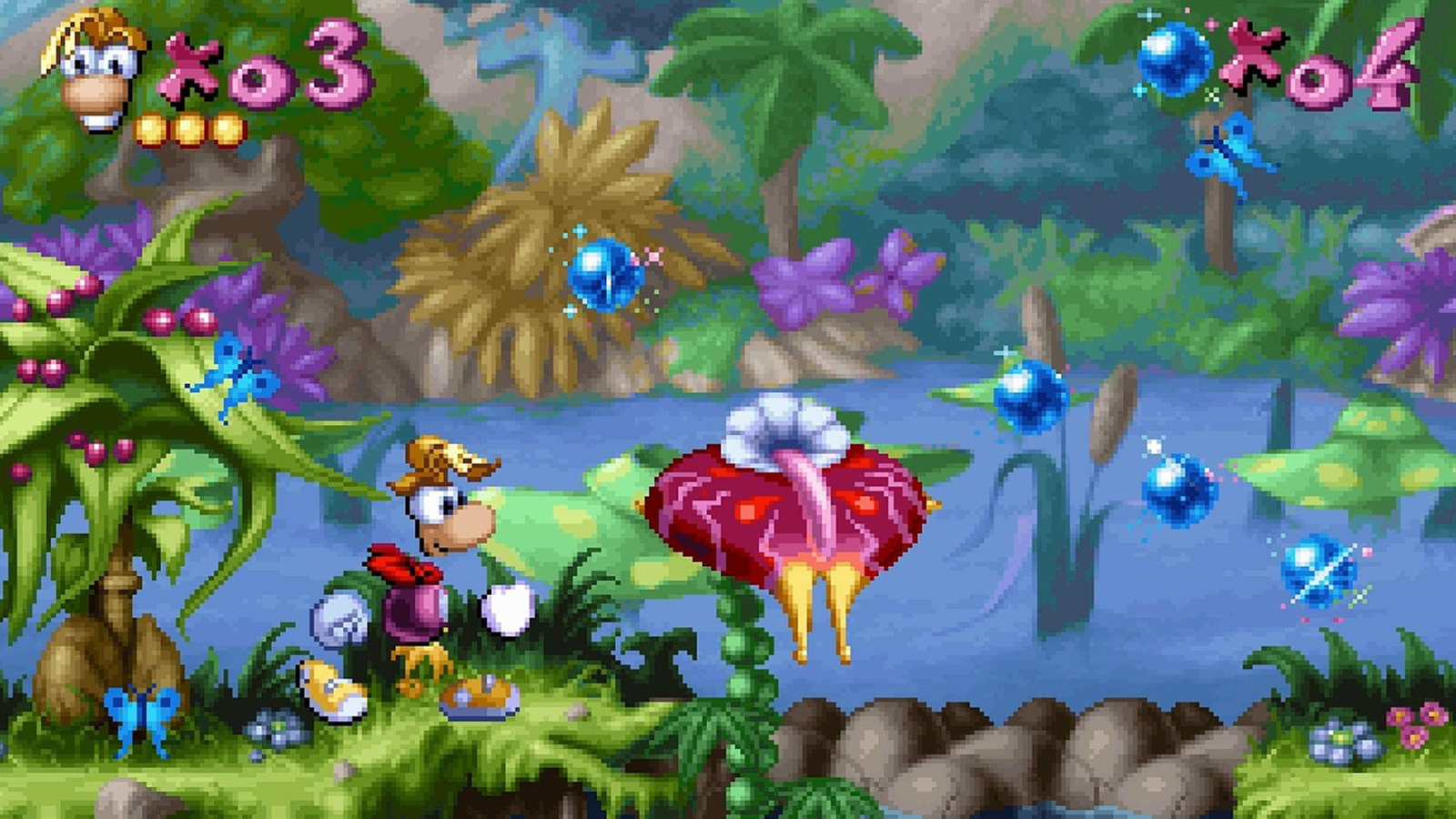
The Rise: From Rayman to the Clancyverse
Ubisoft’s early years were a masterclass in growth. After the breakout success of Rayman in 1995, the Guillemot brothers proved they had a shrewd eye for the future, snapping up the works of military-fiction legend Tom Clancy.
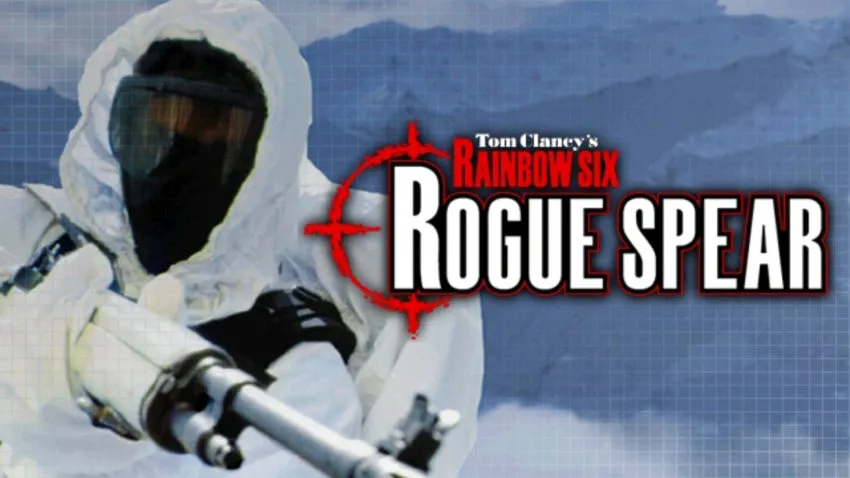
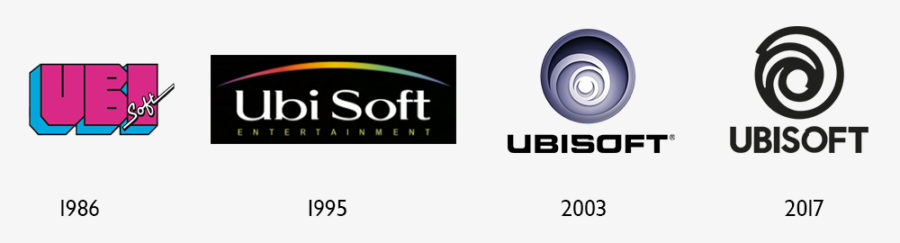
This move birthed the “Clancyverse”—Rainbow Six, Ghost Recon, and Splinter Cell—titles that defined tactical gaming for a generation. By 2003, “Ubi Soft” dropped the space in its name and introduced the iconic “swirl” logo, signaling its arrival as a AAA heavyweight.
The Peak: The Assassin’s Creed Revolution
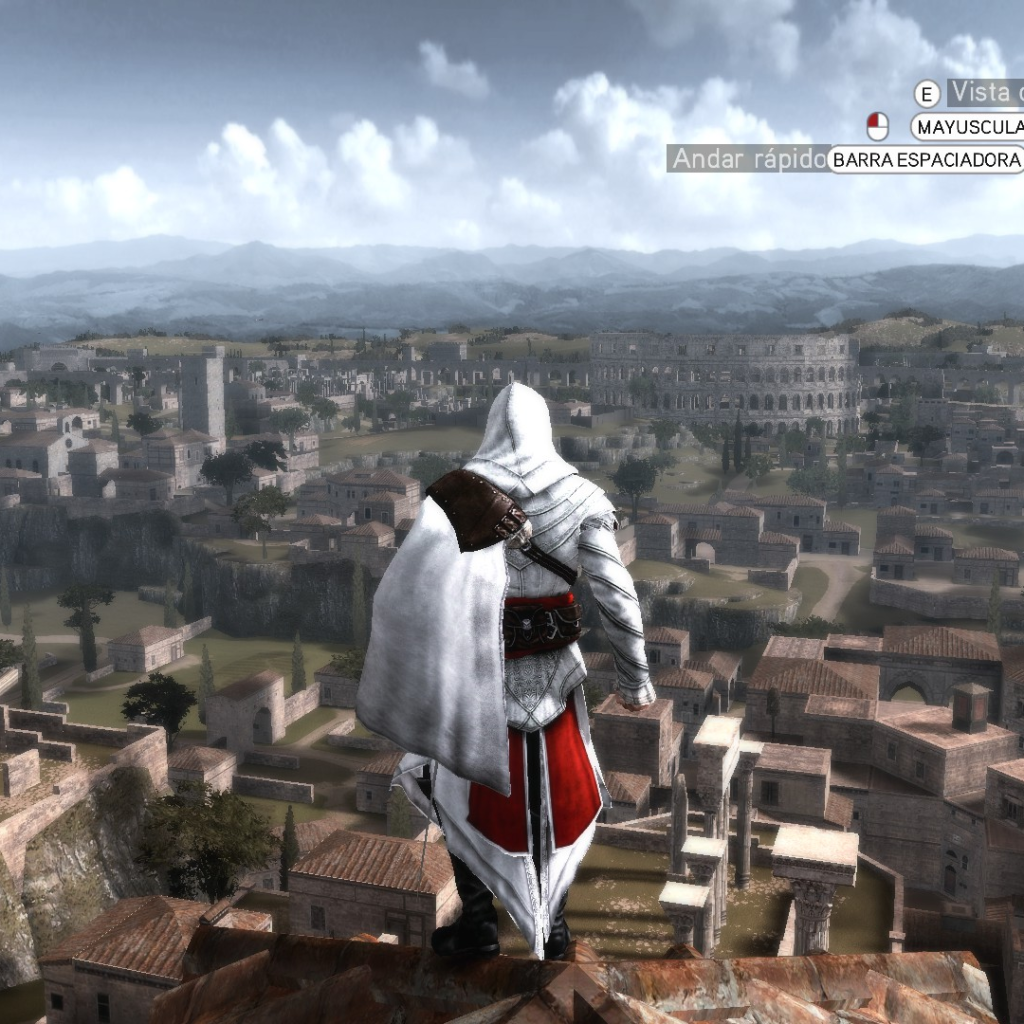
If one game defines the Ubisoft legacy, it’s 2007’s Assassin’s Creed. It was the quintessential “next-gen” experience of the PS3/360 era:
- Verticality: Fluid parkour that turned historical landmarks into playgrounds.
- The “Ubisoft Tower”: A revolutionary mechanic where climbing a vantage point revealed the map—a feature so successful it was eventually copied by almost every rival, including Nintendo’s Zelda: Breath of the Wild.
- Historical Tourism: Turning Rome, Paris, and London into living, breathing digital museums.
The “Map Game” Fatigue: When Innovation Becomes a Chore
The downfall of the “Ubisoft Formula” wasn’t a single failure, but a slow erosion. As Assassin’s Creed moved toward yearly releases, the magic of the map reveal began to feel like a grocery list.

Home Defense Buckshot Tested: Terminal Ballistics and Gel Penetration Performance Breakdown
Choosing Buckshot for the Home Defense Shotgun: A Definitive Ballistic Breakdown When…

Raindrops Can Build an Electrical Charge Strong Enough to Corrode Metal in a Surprising Way
A water droplet sliding down a leaf can acquire enough electrical charge…
Congressman Scott Perry Exposes Major Washington Overreach During Live TeleTown Hall
Rep. Scott Perry (R-PA) recently connected with constituents across Pennsylvania's 10th Congressional…

Shocking Vandalism Sparks Massive Community Rally at Pennsylvania Playground Over Hate
PHILADELPHIA — In the wake of a disheartening act of vandalism that…

Finland’s First F-35As Arrive in the Country as NATO’s Fifth-Generation Network Expands Across the High North
Finland’s first two F-35A Lightning II fighters have landed at Rovaniemi, with…
- The bloat: Checking off chests, collectibles, and towers became “map fatigue.”
- The rivals: While Ubisoft stuck to its formula, studios like Rockstar (Red Dead Redemption II) and FromSoftware (Elden Ring) pushed open worlds toward deeper immersion and discovery rather than list-checking.
By the time Star Wars: Outlaws launched, the general gamer response was a collective shrug. The “Ubisoft Dialogue”—quip-heavy and expository—became a punchline, signaling that the studio’s narrative style was stuck in the past.
2026: The Radical Reset
Facing declining stock prices and a 2020 sexual misconduct scandal that shattered its “family company” image, Ubisoft entered 2026 in “survival mode.”
In January, CEO Yves Guillemot announced a “Major Reset,” dismantling the old studio ecosystem to create five specialized “Creative Houses.”
- Vantage Studios: Tasked with keeping billion-dollar brands like Assassin’s Creed and Far Cry alive.
- Shooter Division: Focused on the core Clancy titles (The Division, Splinter Cell).
- Live Experiences: Managing long-tail hits like Rainbow Six Siege.
- Narrative/Fantasy: The home of Prince of Persia and Anno.
- Casual/Family: Keeping Just Dance relevant.
The Verdict: A 50th Anniversary in Sight?
Ubisoft shaped the beast that is the modern AAA industry, but that beast is now hungry, selective, and increasingly expensive to feed. With recent layoffs at Red Storm Entertainment and Ubisoft Toronto, the company is leaner than it has been in decades.
Whether this 2026 “gamer-centric” pivot can save the French giant remains to be seen. One thing is certain: the industry wouldn’t look the same without them, but it won’t wait for them to catch up.