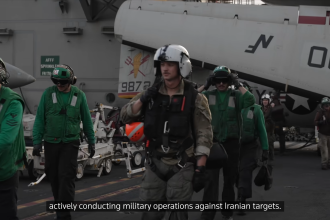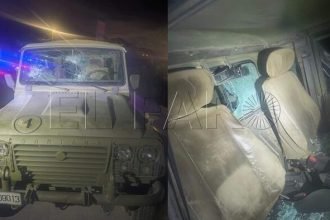







The successful, high-stakes extraction of a downed F-15E pilot from the heart of Iran didn’t happen by accident. While the world stares at the scorched wreckage of HC-130Js south of Isfahan, the tactical DNA of that mission can be traced back to a specific stretch of highway in the American West.
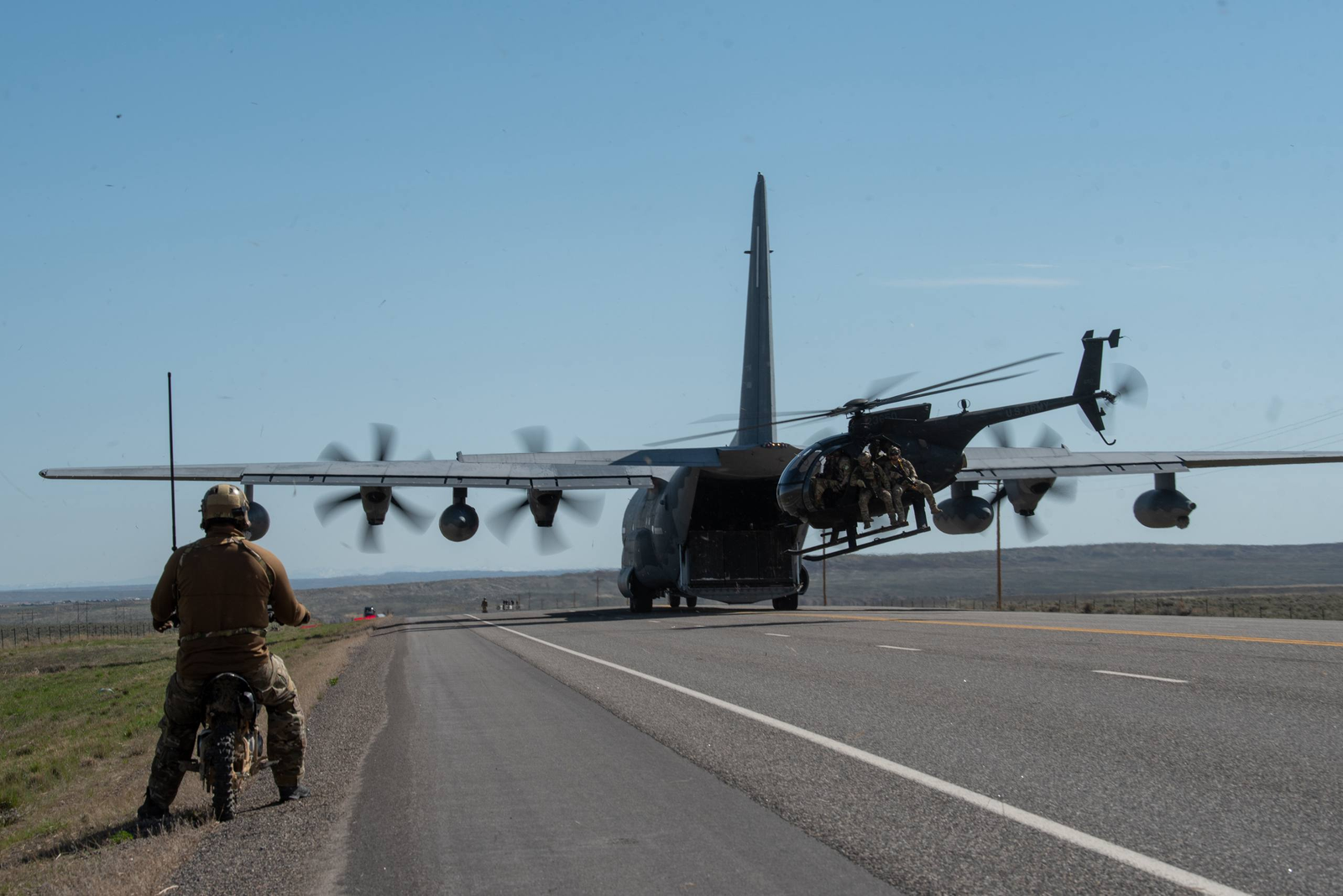
Archive footage and records from the Agile Chariot exercises, conducted in Wyoming during April and May of 2023, reveal a near-perfect dress rehearsal for the “Desert One 2.0” operation we just witnessed.
The Highway as a Runway
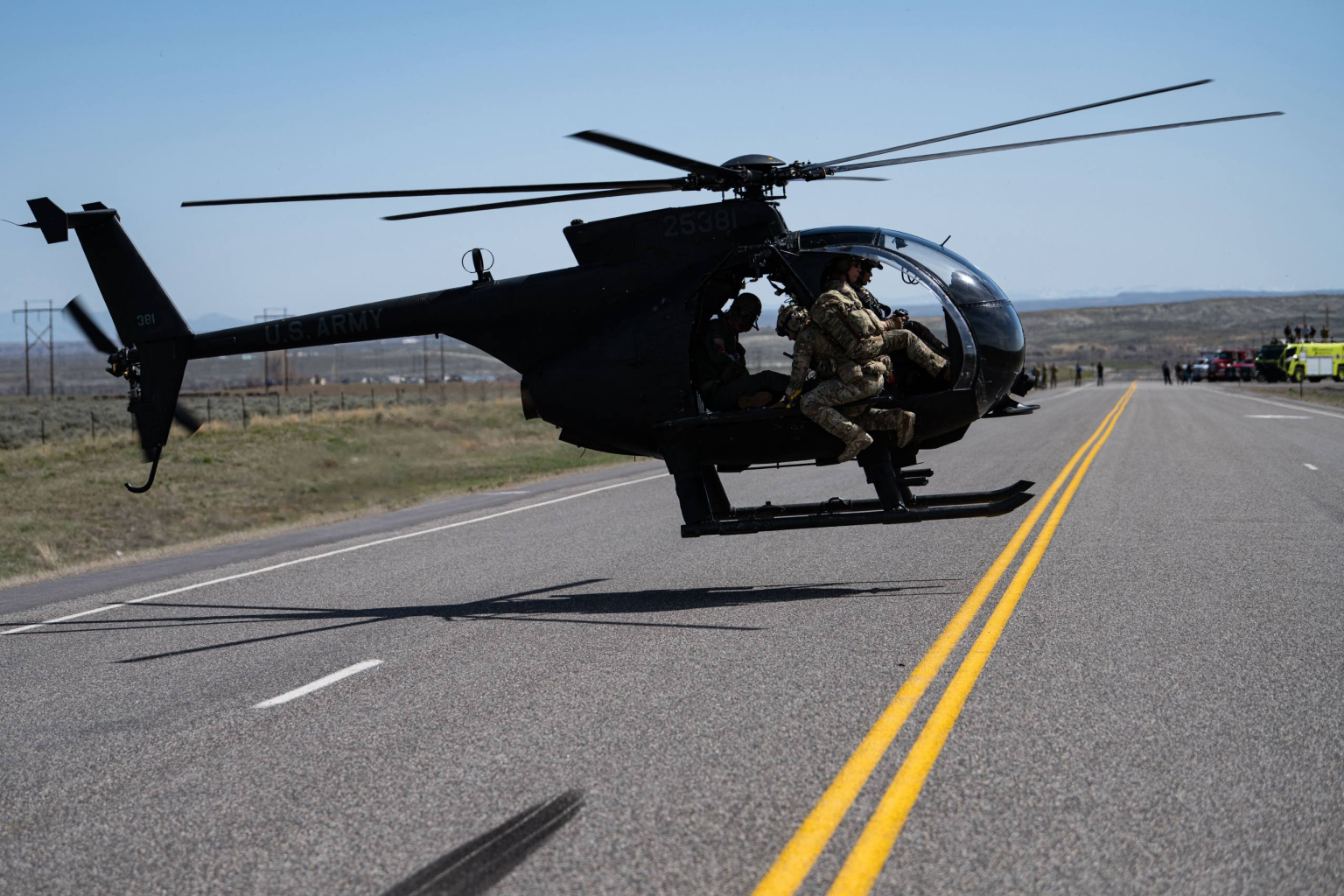
In the spring of 2023, the Air Force Special Operations Command (AFSOC) turned a public highway in Wyoming into a functional, temporary airfield. The goal was to test Agile Combat Employment (ACE)—the ability to land, refuel, and launch strike assets from austere, non-traditional locations.
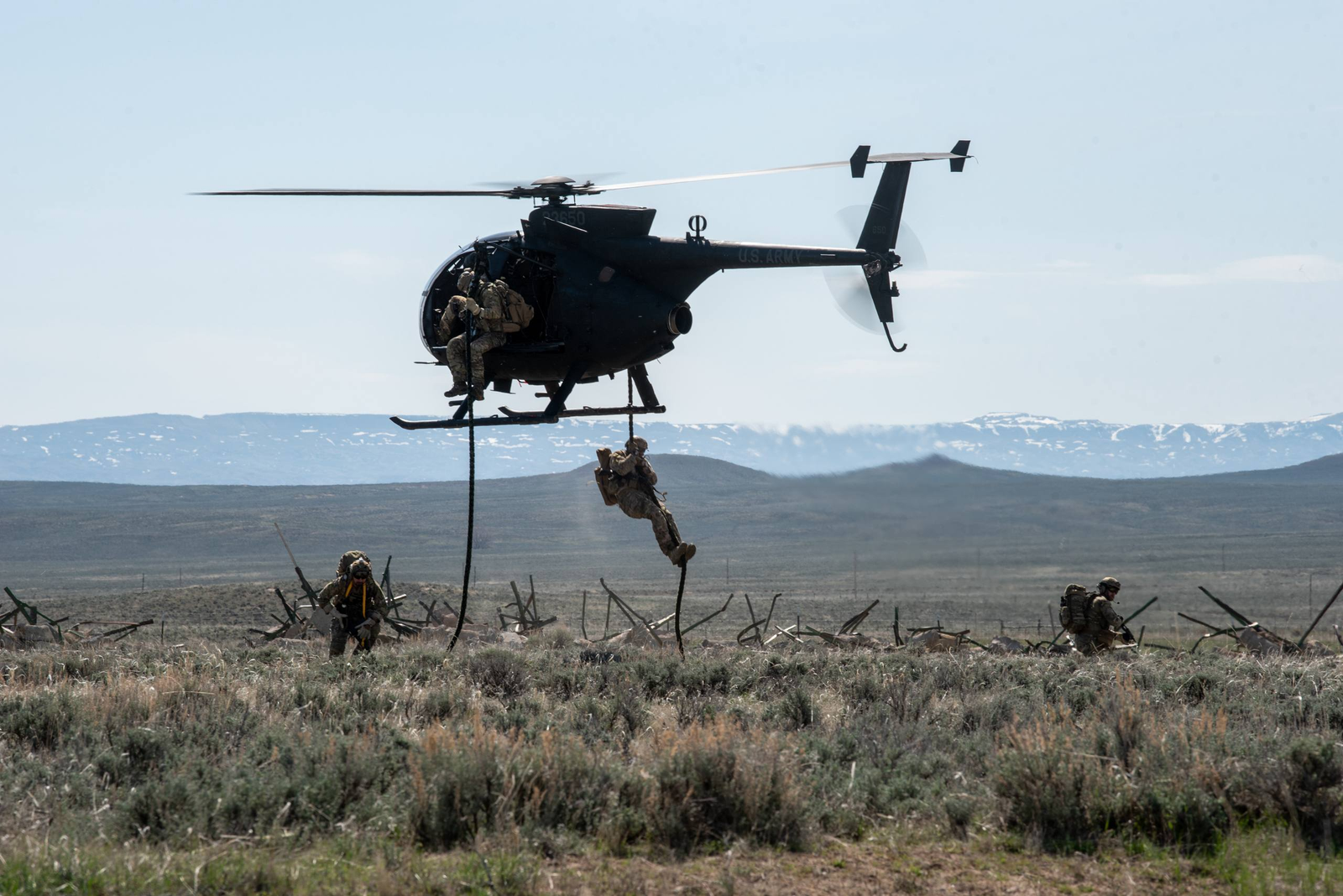
During those drills, an MC-130J Commando II—the cousin of the combat-lost King IIs in Iran—touched down on the asphalt to offload a strike package that should look familiar: MH-6M Little Bird helicopters from the legendary 160th Special Operations Aviation Regiment (Night Stalkers).

Battle of Trafalgar: Strategic Necessity or Aggressive Overreach?
CAPE TRAFALGAR — On October 21, 1805, 27 British warships engaged a…

Scientists Found an Amazing Reason Some Lava Worlds Can Keep Their Atmospheres Against All Odds
Worlds like 55 Cancri e seem almost designed to destroy an atmosphere.…

Mpox Keeps Coming Back and Scientists Are Starting to Understand Why
Mpox is back in the headlines, again. Ten confirmed cases in Guinea-Bissau…

Xbox Is Paying A Lot Less Than Normal For Kojima’s Physint, Possibly Under $200 Million – Report
New Xbox CEO Asha Sharma has made a lot of big moves…

GreyNoise tracks massive Citrix Gateway recon using 63K+ residential proxies and AWS
GreyNoise spotted a dual-mode Citrix Gateway recon campaign using 63K+ residential proxies…
Germany Receives First F-35A as NATO Airpower Grows Amid Rising Threats from Russia
Germany has received its first F-35A stealth fighter from Lockheed Martin as…
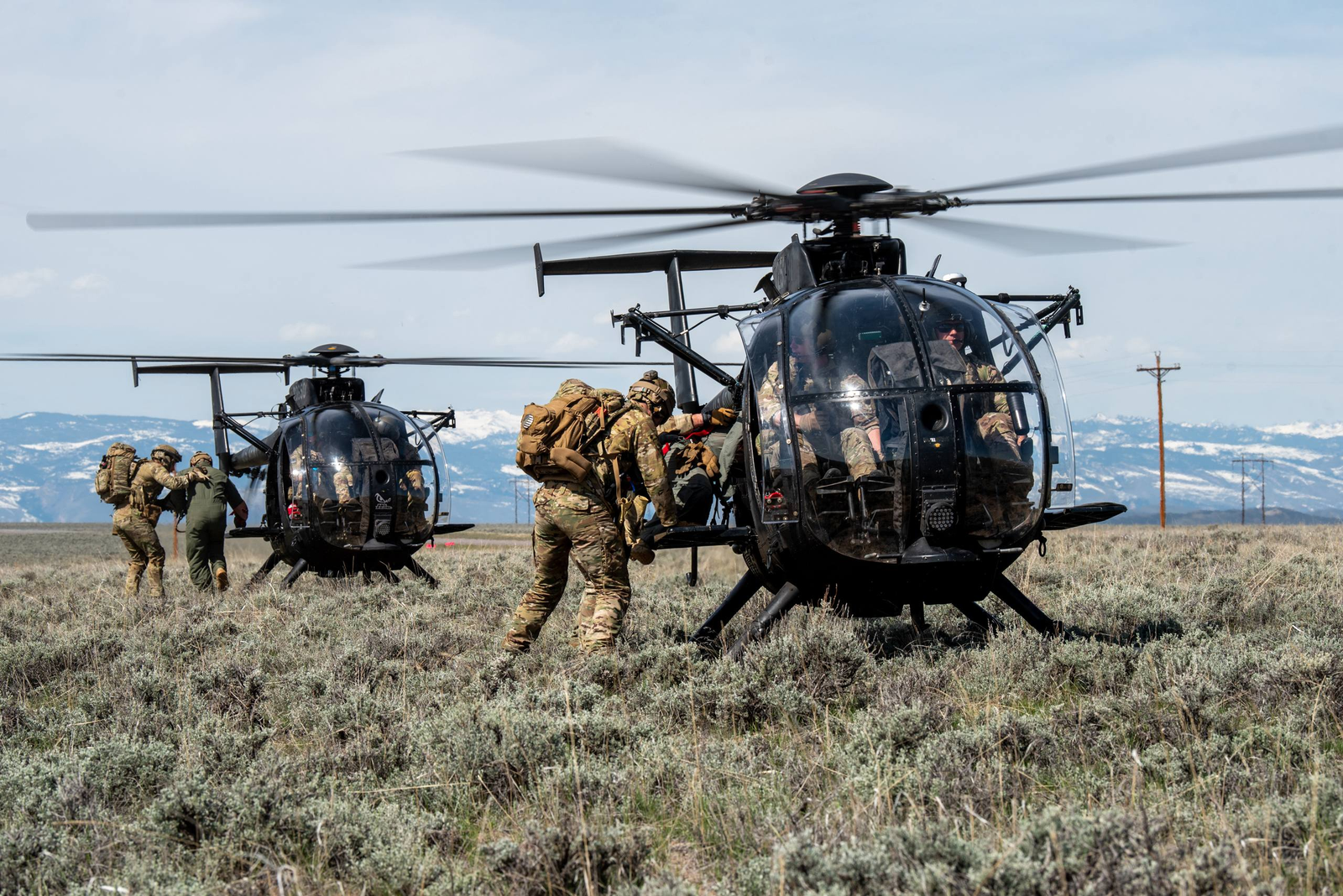
The “Little Bird” Rapid Deployment
The Wyoming exercise specifically practiced the “rapid offload” protocol. Within minutes of the transport plane’s ramp hitting the ground, special tactics teams from the 123rd Special Tactical Squadron—including Combat Control (CCT) and Pararescue (PJ) operators—had the Little Birds assembled and airborne.
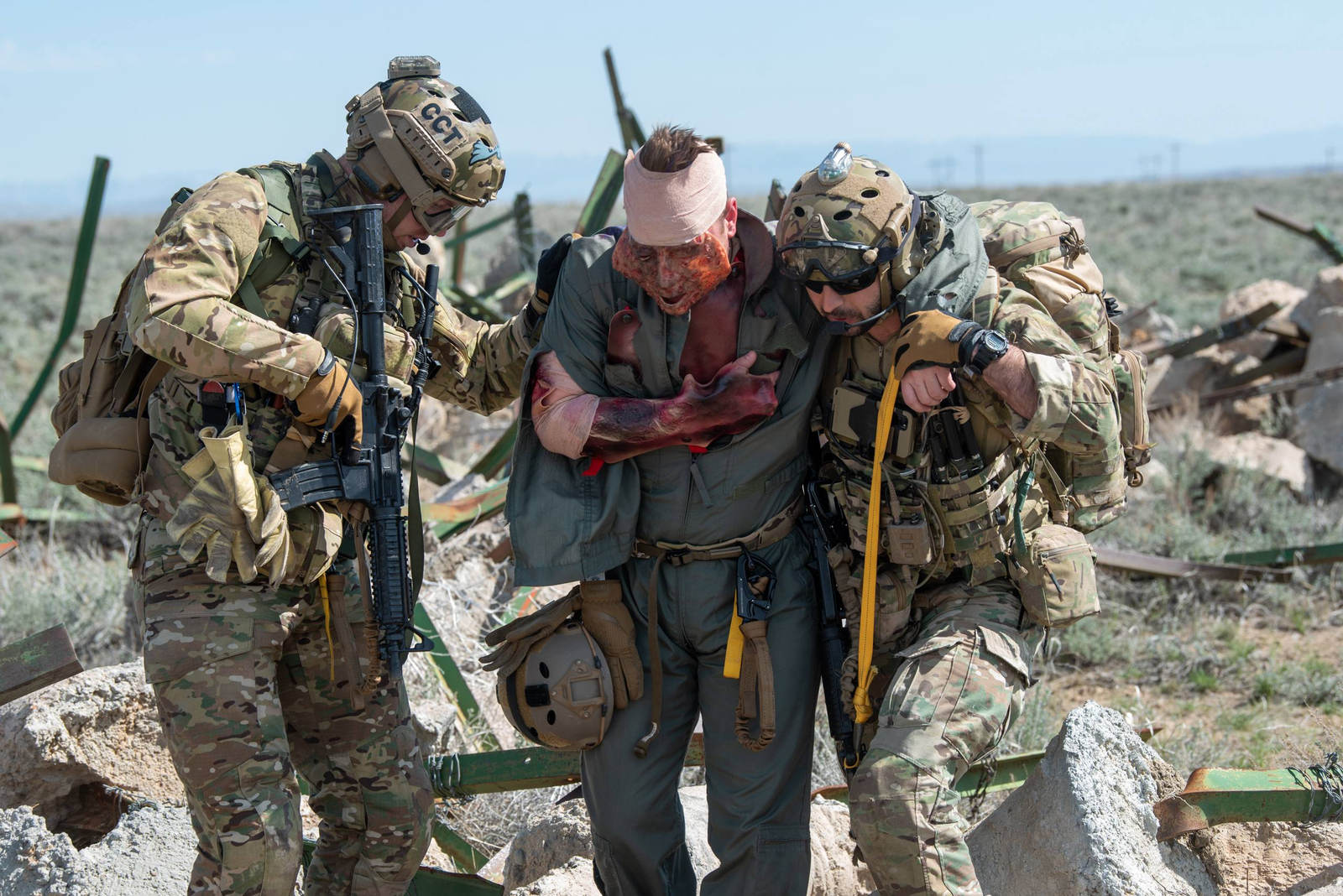
This is exactly the maneuver executed in the Iranian mountains. The Little Birds provided the agility needed to navigate the 2,100-meter ridges, while the larger transport planes acted as the “gas station” and command hub on the improvised desert floor.
A Multi-Domain Shield: Reapers and Warthogs
The full archive of the 2023 maneuvers highlights another critical component of the Iran rescue: the “Integrated Combat Turn.”
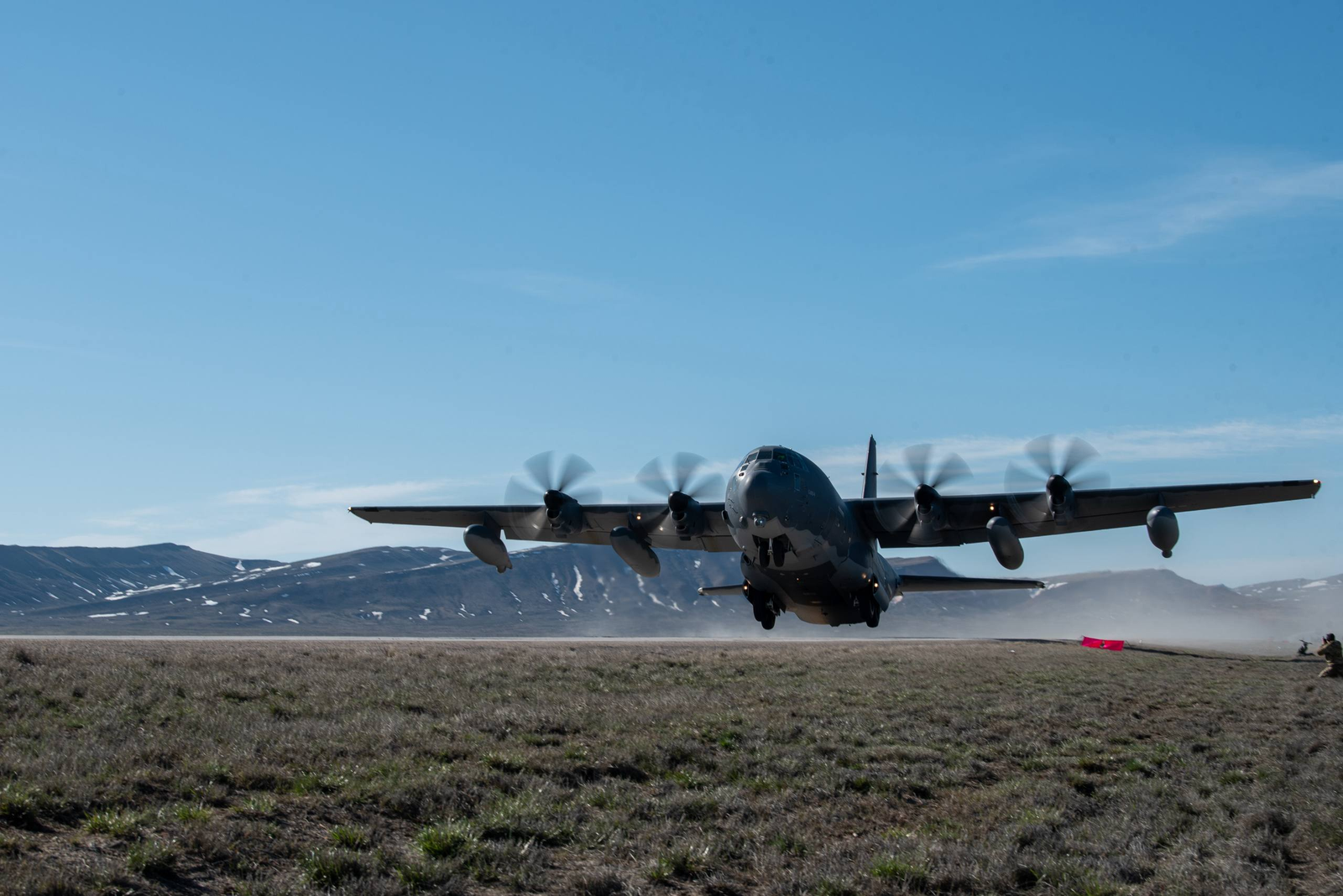
Footage from the DVIDS Hub shows MQ-9 Reaper drones and A-10 Thunderbolt II “Warthogs” landing on the same highway to refuel directly from the MC-130Js.
- The MQ-9 Connection: In Iran, Reapers likely provided the constant overhead surveillance that tracked the pilot’s 24-hour evasion.
- The A-10 Connection: The “Warthog” is the gold standard for Close Air Support (CAS). In the Isfahan incursion, attack aircraft (likely F-15Es or A-10s) were the hammer that kept IRGC convoys from reaching the pilot’s ridge.
Tactical Foresight: From Training to Combat
The “Agile Chariot” exercise was criticized by some at the time as an expensive stunt. Today, it looks like one of the most vital investments in U.S. special operations history.
The conditions in Wyoming—mountainous terrain, high-altitude landings, and the logistical nightmare of a “pop-up” airfield—provided the exact data points needed to pull off a rescue 400 km inside hostile territory. The primary difference? In Wyoming, the planes took off again. In Iran, the U.S. had to trigger the “Scorched Earth” protocol, sacrificing the hardware to save the secret tactics honed on that American highway.
As the smoke clears over Isfahan, one thing is certain: The U.S. military isn’t just reacting to this war; they’ve been practicing for it for years.