











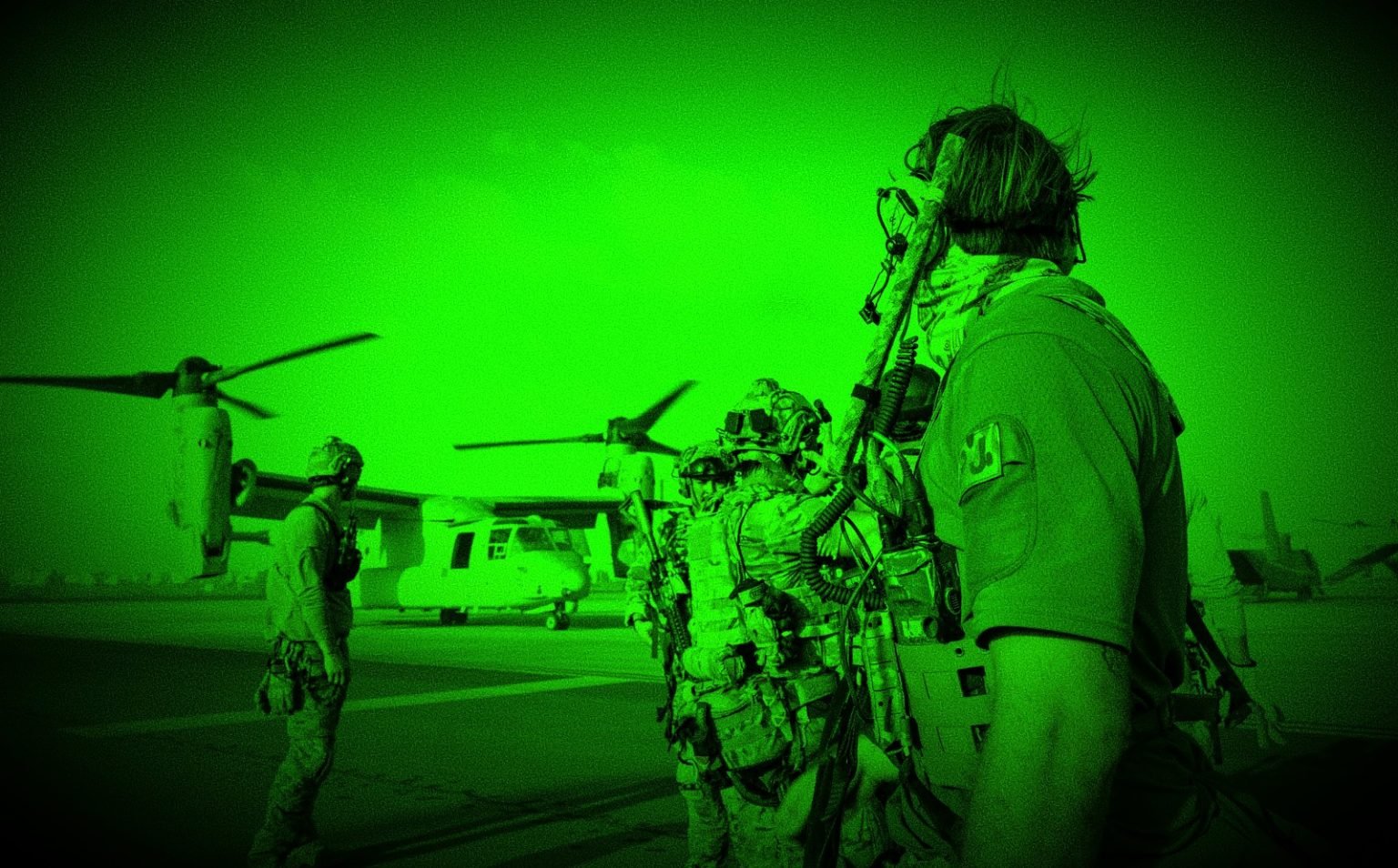
The mountains of southern Iran just played host to a military operation so audacious it echoes the ghosts of 1980. New details emerging from the New York Times and regional intelligence suggest that the rescue of a downed F-15E Strike Eagle co-pilot wasn’t just a search-and-rescue mission—it was a full-scale airborne invasion that reached within striking distance of Iran’s most sensitive nuclear sites.
The 2,100-Meter Escape
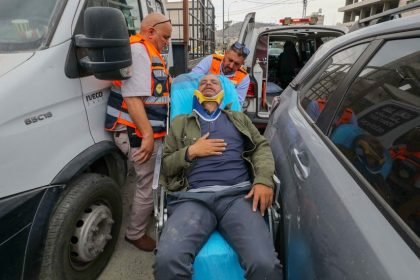
After his fighter-bomber was vectored out of the sky on Friday, the co-pilot led Iranian forces on a harrowing 24-hour chase through the rugged terrain of southern Iran. Sustaining injuries during the ejection, the officer reportedly scaled a ridge exceeding 2,100 meters (nearly 7,000 feet) to evade capture.
As Iranian convoys closed in, U.S. attack aircraft hammered the mountain passes to stall the advance, creating a wall of fire between the pilot and the IRGC.
Desert One 2.0: Operation South of Isfahan
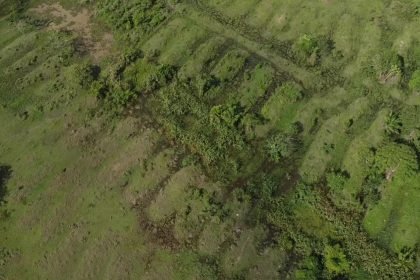
In a move that mirrors the infamous “Operation Eagle Claw,” U.S. Commandos established a temporary field airfield in a sparsely populated desert region. This wasn’t a border skirmish; the site was located 400 km inside the Iranian border, south of the strategic city of Isfahan.
- Coordinates:
32.258394, 51.901927 - The Target Zone: This location sits dangerously close to Iran’s Nuclear Technology Center and major missile bases.
The fact that a “procession” of U.S. transport aircraft and helicopters reached this deep into the Iranian heartland raises massive questions about the current state of Iran’s integrated air defense systems.
The Price of Success: The Scorched Earth Protocol
The mission required hundreds of personnel, including elite operators from the Naval Special Warfare Development Group (NSWDG) and Pararescue (PJ) teams. However, the extraction took a turn for the worse at the improvised refueling point.

Wi-Fi Routers Can Identify People with Stunning Precision (Even When Their Phones Are Off)
Researchers in Germany have warned that ordinary Wi-Fi could become a surprisingly…

LeBron James Shocking 76ers Debut Highlights Revealed Against The Brooklyn Nets
PHILADELPHIA — The intersection of basketball royalty and Delaware Valley sports lore…
Panic in the US Congress: Not enough planes!
It's been said many times that fighting with numbers is a complete…

Stacy Garrity Vows to Protect PA Farmland From Invasive Data Center Development
HARRISBURG, Pa. — As Pennsylvania’s 2026 gubernatorial landscape begins to take shape,…
First Secondary Sanctions Applied: US Blocks Egyptian Bank From Accessing Dollars Over 'Iran Ties'
The US Treasury Department on Friday unveiled its first 'secondary' Iran sanctions…

Home Depot Launched a New Husky Laser Distance Tool
I spotted a new Husky laser distance measuring tool on Home Depot’s…
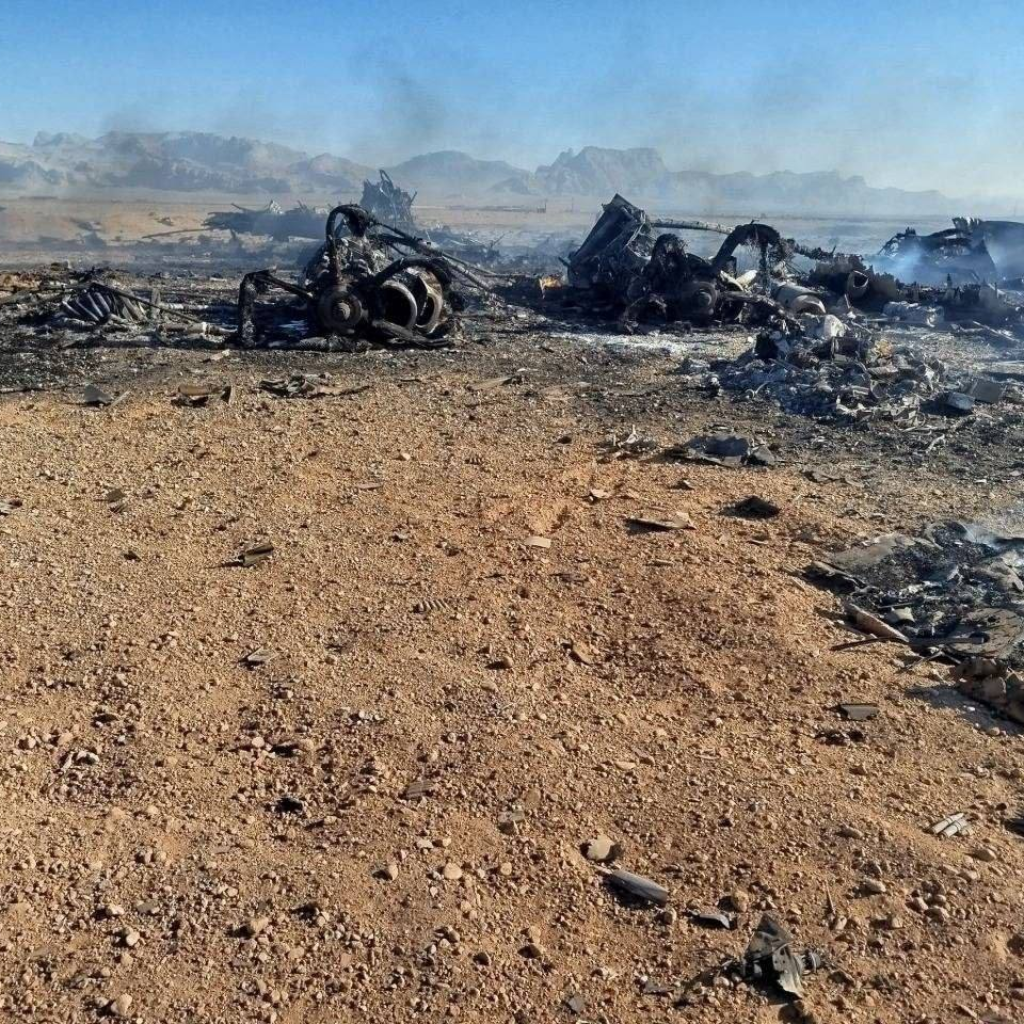
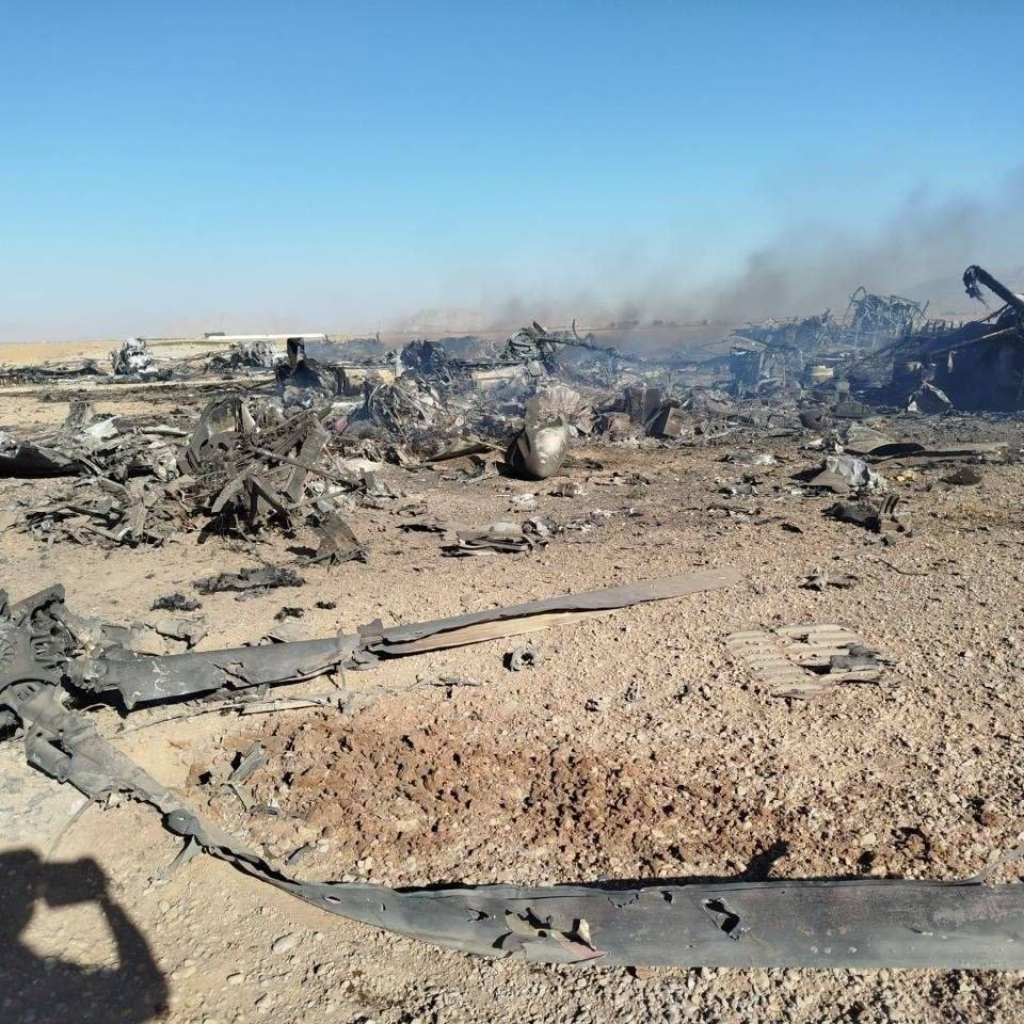
Two HC-130J Combat King II aircraft and two helicopters became “stuck” due to mechanical failures or the unforgiving desert terrain. With Iranian forces advancing rapidly, the U.S. Command made the brutal call: Destroy the fleet.
Images show the two HC-130Js standing side-by-side moments before being detonated by U.S. strikes to prevent the IRGC from capturing the sophisticated search-and-rescue technology. Three additional Combat Kings were flown in to successfully evacuate the pilot and the hundreds of special forces operators on the ground.
The Secret Squadron: The 427th SOS
Adding to the intrigue, an upgraded C-295W was spotted flying at “nap-of-the-earth” altitudes during the operation. This aircraft belongs to the 427th Special Operations Squadron—a “ghost” unit that does not appear on open Air Force lists. They specialize in covert infiltration and “non-standard” aviation, likely providing the electronic cloak that allowed the rescue fleet to bypass Isfahan’s radar net.
The Bigger Picture: A Trial Run?
While the mission was a success in terms of human life, the tactical implications are staggering. If the U.S. can land 400 km deep into Iran to save one man, the message to Tehran is clear: Your nuclear facilities are not as “unreachable” as you think.
If this had been a mission to seize uranium rather than a pilot, the map of the Middle East might have changed overnight. For now, the desert south of Isfahan remains littered with the blackened husks of American million-dollar machines—a small price for the secrets they kept and the life they saved.