





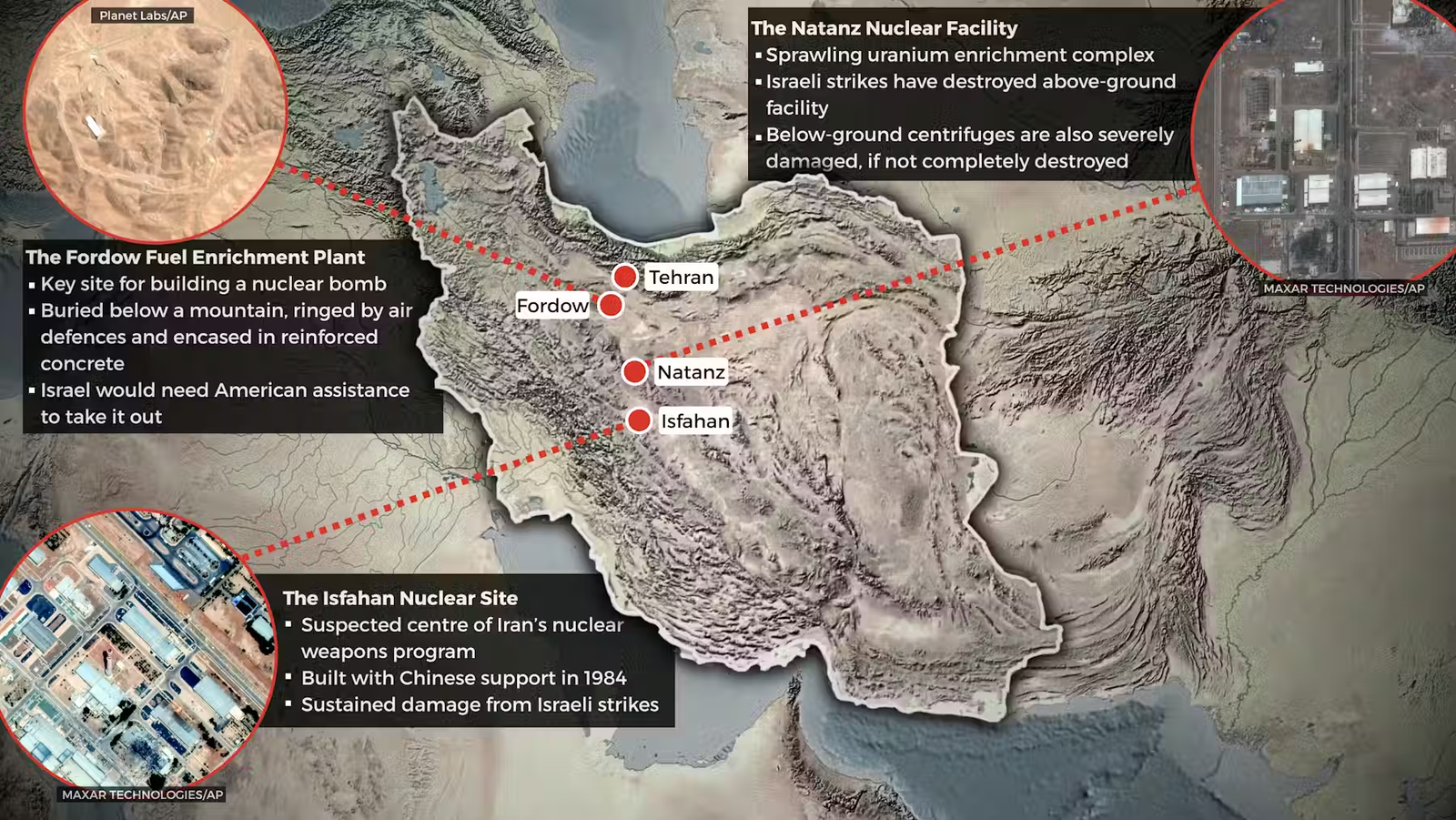
In the age of “Open Source Intelligence” (OSINT), we’ve grown accustomed to seeing the front lines of global conflicts in crystal-clear, 50cm resolution from the comfort of our laptops. But as of this week, the digital curtain has officially fallen over the Middle East.
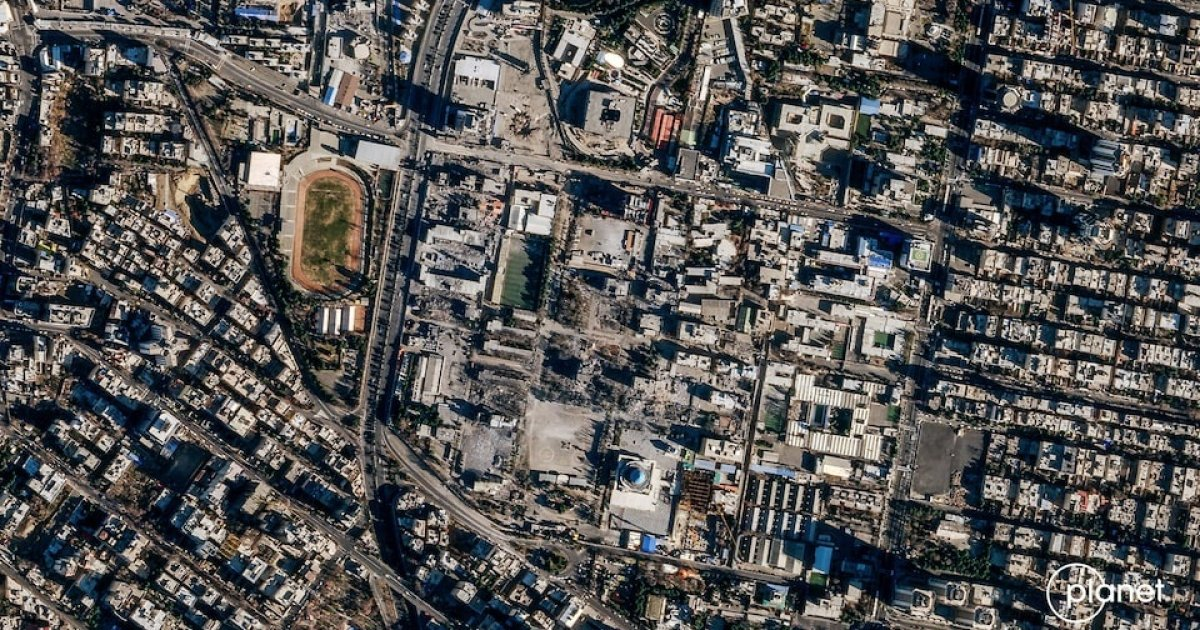
Planet Labs, the San Francisco-based titan of satellite imagery, has announced an “indefinite ban” on the publication of high-resolution data related to the ongoing war in Iran. The move represents a massive blow to independent journalists, human rights monitors, and the “couch-commandos” of Twitter who have spent the last month tracking troop movements in real-time.
The Retroactive Blackout
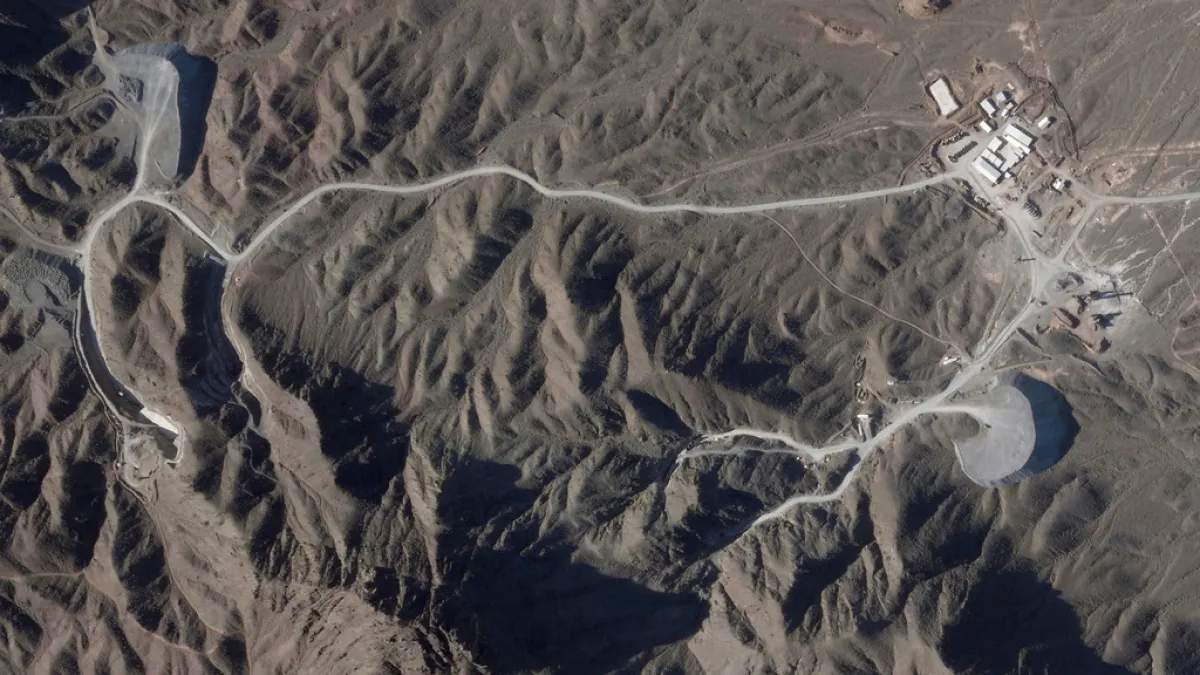
This isn’t just a “stop-work” order for future images. In a move that has sent chills through the archival community, the restriction is retroactive to March 9, 2026.
This means that high-resolution captures of the initial strikes, the mobilization of the 82nd Airborne near the border, and the early damage assessments of Iranian infrastructure are being scrubbed or locked away from public view. If you didn’t download the data before yesterday, it essentially no longer exists for the public.

Battle of Trafalgar: Strategic Necessity or Aggressive Overreach?
CAPE TRAFALGAR — On October 21, 1805, 27 British warships engaged a…

Moscow Warns It Could Target British Military Facilities In Unprecedented Statement
From the very start of the Ukraine war, the United Kingdom has…

THE DEAD MMORPG SURVIVOR: How Dragon Nest Transformed Fast-Paced Action Combat—And Why Fans Refuse to Let It Die
LOS ANGELES, CA — Long before modern action RPGs dominated mainstream gaming…

U.S. CISA adds Microsoft Office and Microsoft Windows flaws to its Known Exploited Vulnerabilities catalog
U.S. Cybersecurity and Infrastructure Security Agency (CISA) adds Microsoft Office and Microsoft…
SAUDI DEFENSE PAPER TIGER: FOREIGN CONTRACTORS AND INTEL LEAKS IN YEMEN
RIYADH — As geopolitical volatility escalates across the Arabian Peninsula, Saudi Arabia’s…

A Forested Island the Size of Two Football Fields Appeared Out of Nowhere in Canada. Then It Mysteriously Vanished
Still from footage of the reported new island at Williston. Credit: Facebook.…
“At the Request of the Government”
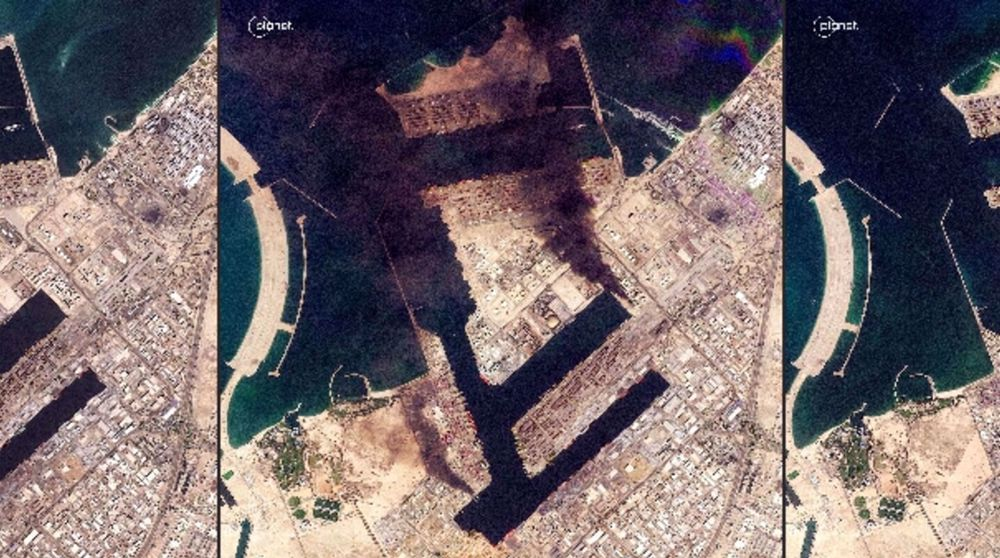
The justification from Planet Labs is as blunt as it is significant: the ban was introduced at the explicit request of the U.S. Government.
While the Pentagon hasn’t issued a formal “National Security Letter” to the public, the implication is clear. The granular detail provided by Planet’s “Dove” and “SkySat” constellations—which can capture changes on the Earth’s surface daily—was likely providing too much “free intelligence” to regional actors.
“We are entering a period of ‘Selective Transparency,'” says a source in the Greensboro defense tech sector. “When the government asks a private satellite company to go dark, it’s usually because the imagery is confirming things the official briefings are trying to deny.”
The End of the OSINT Era?
For years, Planet Labs was the darling of the transparency movement. Their “See Everything, Change Everything” motto was a promise that the era of secret wars was over. But the Iran conflict has proven that when “State Interests” collide with “Corporate Ethics,” the state usually wins.
The impact on the ground is immediate:
- Damage Assessment: Independent groups can no longer verify claims of “precision strikes” versus “collateral damage.”
- Troop Movements: The public can no longer track the buildup of the China-Iran rail bridge logistics we covered last week.
- Accountability: Potential war crimes or mass mobilizations are now shielded by a high-tech “fog of war.”
Who Still Has the Eyes?
While Planet Labs is going dark, it’s worth noting who isn’t. European and Asian satellite providers—like Airbus or the various Chinese commercial constellations—operate under different jurisdictions.
However, Planet’s unique “daily revisit” capability was the gold standard for tracking a fast-moving war. Without them, we are back to relying on “Official Spokespeople” and grainy, leaked cell phone footage.